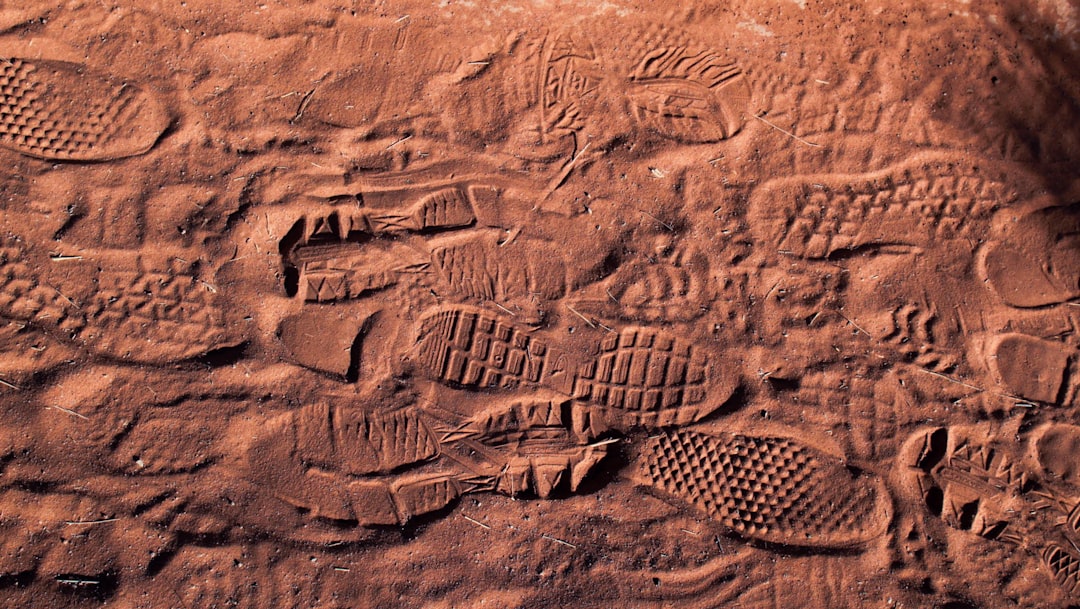
The windswept dunes of White Sands National Park in New Mexico have long held secrets, whispering tales of ancient landscapes and the creatures that once roamed them. However, in recent years, these sands have begun to yield their most profound narratives, revealing evidence of human presence that pushes the boundaries of our understanding of early American habitation. The discovery of 23,000-year-old human footprints, preserved in exquisite detail, has ignited a scientific firestorm, challenging established timelines and forcing a re-evaluation of the peopling of the Americas.
The story of these groundbreaking footprints is one of meticulous scientific investigation, serendipitous observation, and a persistent quest for truth. For years, paleontologists and archaeologists have been drawn to the unique geological formations of White Sands, recognizing its potential for preserving ephemeral traces of the past. The gypsum sands, when saturated with water, can create a muddy substrate that hardens when dry, trapping impressions with astonishing fidelity. It was within this remarkable natural archive that a truly extraordinary discovery was made, one that would ripple through the scientific community and capture the imagination of the public worldwide.
The Initial Glimmers of an Unprecedented Find
The initial signs that something extraordinary lay beneath the sands were subtle but significant. Researchers, aware of the potential for preserved tracks in the area, were conducting surveys and investigations. It was during one of these expeditions that exceptionally clear and well-defined footprints, unlike any previously documented from the region, began to emerge. The sheer number and clarity of these impressions hinted at a more complex and prolonged human presence than current models suggested.
The Significance of Footprints as Direct Evidence
Unlike artifacts, which can be moved and their original context lost, footprints offer a direct window into the past. They capture a fleeting moment in time, revealing the gait, size, and even the number of individuals who traversed a particular landscape. The ability to date these impressions with increasing accuracy allows scientists to anchor human activity to specific geological periods, providing invaluable chronological data. In the case of White Sands, these footprints were not mere isolated imprints; they represented a series of tracks, suggesting a repeated use of the area by ancient peoples.
Unlocking the Secrets of Time: Dating the Footprints
The scientific process of dating such ancient evidence is a complex and multi-faceted endeavor. It requires a combination of geological, botanical, and radiometric techniques to arrive at a reliable age. The initial estimations were met with a degree of skepticism, as they drastically predated widely accepted timelines for human migration into the Americas. However, subsequent research and a commitment to rigorous verification have solidified the astonishing age of these prints.
Radiometric Dating: The Cornerstone of Chronology
At the heart of establishing the age of the White Sands footprints lies the technique of radiocarbon dating, or more precisely, the dating of associated organic material. The footprints themselves are impressions in sediment, but within and around these impressions, scientists can find remnants of ancient life. This includes seeds, pollen, and other organic detritus that were present at the time the footprints were made. These materials, when subjected to radiocarbon dating, can reveal the age of the sediment layers.
The Role of Pollen and Plant Remains
Pollen grains, microscopic structures produced by plants, are remarkably durable and can be preserved in sediments for millennia. By analyzing the types of pollen found within the layers containing the footprints, scientists can infer the ancient flora of the region. Certain plant species are indicative of specific climatic conditions and geological periods. Similarly, preserved plant fragments, such as seeds or charcoal from ancient fires, can also be directly dated using radiocarbon methods. The presence of specific extinct plant species or their established ecological zones can further corroborate the age estimates.
Understanding the Limitations and Strengths of Radiocarbon Dating
While radiocarbon dating is a powerful tool, it is not without its limitations. The technique is effective for dating organic materials up to around 50,000 years old. Beyond this threshold, the amount of remaining Carbon-14 becomes too small to measure accurately. Furthermore, the accuracy of radiocarbon dates can be influenced by factors such as contamination of the sample with younger or older carbon. Therefore, scientists employ meticulous sample preparation techniques and cross-reference dates from multiple sources to ensure reliability. In the case of White Sands, the consistent results from various dating methods provided strong evidence for the early age of the footprints.
Thermoluminescence Dating of Sediments
Another crucial dating method employed in the White Sands discovery is thermoluminescence (TL) dating. This technique focuses on dating the sediment itself, rather than the organic material within it. TL dating relies on the principle that when minerals in sediment are exposed to natural radiation over time, they accumulate energy in the form of trapped electrons. When these minerals are heated in a laboratory, they release this stored energy as light. The intensity of this light is proportional to the amount of radiation the sediment has been exposed to, and thus, its age.
How Thermoluminescence Reveals Age
Sediments containing the footprints were carefully collected and subjected to TL analysis. By measuring the accumulated dose of radiation and knowing the rate of radiation in the local environment, scientists could calculate the time elapsed since the sediment was last exposed to sunlight or heat. This independent dating method provided crucial corroboration for the radiocarbon dates obtained from associated organic materials, strengthening the scientific consensus on the age of the footprints.
The Synergy of Multiple Dating Techniques
The true power of scientific inquiry lies in the convergence of evidence from multiple independent sources. In the case of the White Sands footprints, the combination of radiocarbon dating of organic materials and thermoluminescence dating of the surrounding sediments created a robust framework for establishing their age. The consistent results from these disparate yet complementary techniques lent significant weight to the extraordinary claim of 23,000-year-old human presence.
Recent discoveries of 23,000-year-old footprints at White Sands, New Mexico, have sparked significant interest in the history of human migration across North America. These ancient tracks provide compelling evidence of early human presence in the region, challenging previous assumptions about when humans first arrived on the continent. For those intrigued by the exploration of ancient human history, a related article discussing early explorers of Antarctica before 1820 can be found here: Explorers of Antarctica Before 1820. This article delves into the journeys and discoveries that shaped our understanding of human exploration in extreme environments.
Echoes of the Past: The Lives Entrapped in the Sand
Beyond their astonishing age, the White Sands footprints offer an unparalleled glimpse into the daily lives, social structures, and even the emotional experiences of the ancient people who made them. The detail preserved within these impressions allows for a level of interpretation rarely afforded by archaeological finds.
Decoding the Human Forms: Size, Age, and Activity
The remarkable clarity of the footprints has enabled scientists to glean a surprising amount of information about the individuals who left them. The size and shape of the impressions provide clues about the stature and foot morphology of these ancient humans. More intriguingly, the variations in footprint size within the same trackways can indicate the presence of individuals of different ages, including children and adults.
Footprints of Children: A Tender Glimpse into Family Life
Perhaps one of the most poignant aspects of the White Sands discovery is the presence of numerous smaller footprints, clearly belonging to children. These delicate impressions, often found alongside those of adults, paint a vivid picture of ancient family units moving through the landscape. The energetic nature of children is also evident in some tracks, suggesting moments of play or youthful exuberance. The inclusion of children in these ancient journeys implies a level of societal organization and care that is deeply human.
Distinguishing Between Adult and Juvenile Tracks
Scientists meticulously analyze the dimensions of each footprint, comparing them to modern human foot measurements and anthropological data. This allows for a reasonable estimation of the age and stature of the individuals who made them. The presence of distinct size categories within the trackways strongly suggests the presence of multi-generational groups.
The Emotional Resonance of Childhood Traces
The presence of children’s footprints carries a profound emotional resonance. It transcends the dry data of scientific analysis and connects us directly to the shared human experience of parenting, protection, and the passing down of knowledge across generations. These tiny impressions serve as a powerful reminder that these ancient people were not abstract figures in a distant past but individuals with families, hopes, and fears, much like ourselves.
Group Dynamics and Social Behavior: What the Tracks Reveal
The arrangement and interaction of the footprints within the trackways offer invaluable insights into the social dynamics and behaviors of these ancient peoples. The way individuals walked, their proximity to one another, and the patterns of their movement all contribute to a narrative of their communal lives.
Collaborative Journeys and Shared Responsibilities
The presence of multiple individuals walking in close proximity, often in parallel or following established paths, suggests cooperative movement. This could indicate foraging expeditions, migrations, or simply the daily routines of a community. The synchronized nature of some trackways implies a shared purpose and coordination.
Interpreting Trackway Patterns for Social Insights
Scientists carefully map and analyze the spatial relationships between individual footprints. Are the tracks clustered together, suggesting a tight-knit group? Are there instances of individuals deviating from the main path, perhaps to explore or gather resources? The density and distribution of footprints within a given area can also indicate the frequency and duration of human activity.
The Presence of Recreation and Play
Some evidence within the tracks has been interpreted as indicative of recreational activities or play, particularly among the younger individuals. This could include running, jumping, or even what appears to be dancing. Such observations highlight the multifaceted nature of ancient human life, extending beyond mere survival to include joy, leisure, and social bonding.
Challenging the Established Narrative: Rethinking the Peopling of the Americas
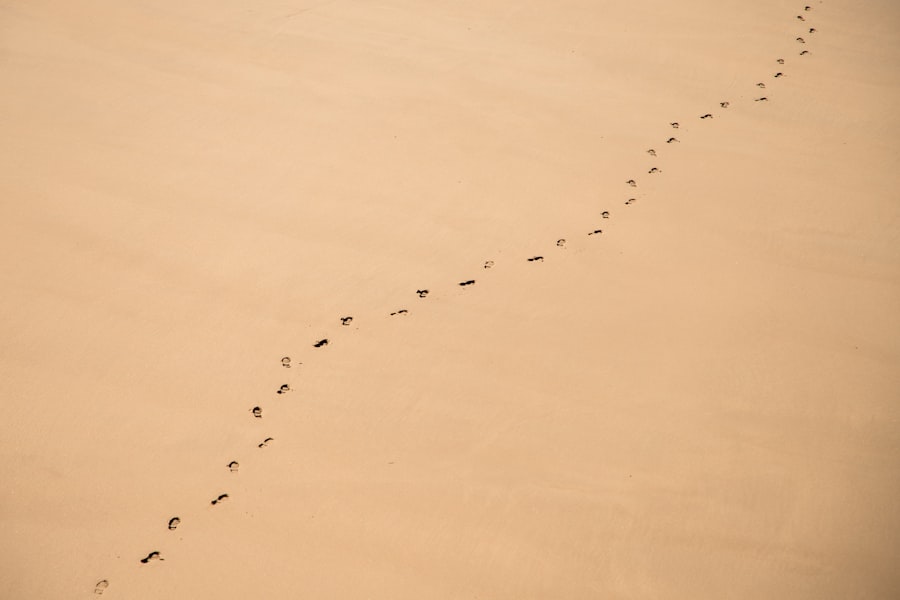
The 23,000-year-old White Sands footprints represent a paradigm shift in our understanding of human migration into the Americas. They directly contradict the long-held “Clovis First” model, which posited that the first humans arrived in the Americas around 13,000 years ago, associated with the distinctive Clovis projectile points.
The Clovis First Model: A Long-Held Paradigm
For decades, the prevailing theory regarding the peopling of the Americas was the Clovis First model. This model was largely based on the widespread distribution of Clovis projectile points, which are characterized by a fluted base and a distinctive lanceolate shape. These points were found at numerous archaeological sites across North America and were thought to represent the toolkit of the earliest human inhabitants.
The Evidence Supporting the Clovis First Model
The discovery of Clovis sites, dating back to approximately 13,500 years ago, provided a seemingly solid chronological framework for the arrival of humans in the Americas. The sophisticated lithic technology associated with Clovis culture suggested a highly adapted and capable population. For many years, this model was widely accepted, shaping research and interpretation in the field of American archaeology.
The Role of Archaeological Sites in Establishing Timelines
Archaeological sites are crucial for establishing timelines of human presence. The stratigraphy of these sites, the layers of soil and artifacts, provides a natural chronological record. When artifacts are found in association with datable materials, it allows archaeologists to assign ages to different periods of human activity. The consistent dating of Clovis sites across the continent lent strong support to the Clovis First theory.
Limitations and Emerging Questions
Despite its widespread acceptance, the Clovis First model was not without its critics. Some archaeologists pointed to earlier, albeit less definitive, evidence of human presence in the Americas. These sites often lacked the clear association of artifacts with datable materials or presented challenges in interpretation. However, the lack of widespread and robust evidence for pre-Clovis occupation meant that these earlier findings were often relegated to the fringes of scientific discourse.
Pre-Clovis Evidence: A Growing Body of Support
The White Sands footprints are not the only pieces of evidence that challenge the Clovis First model. Over the past few decades, a growing number of archaeological sites have yielded findings that suggest human presence in the Americas significantly predates the Clovis period. These sites, often located in geographically diverse regions, have provided increasingly compelling data for an earlier migration.
Sites with Compelling Pre-Clovis Findings
Numerous sites across North and South America have presented evidence of human activity that predates the Clovis culture. Examples include Monte Verde in Chile, Meadowcroft Rockshelter in Pennsylvania, and Gault Site in Texas, among others. These sites have yielded artifacts, hearths, and other signs of human occupation that have been dated to well over 13,000 years ago.
The Importance of Site Preservation and Context
The preservation of archaeological context is paramount in establishing the validity of pre-Clovis claims. It is crucial to demonstrate that artifacts and other evidence of human activity are in situ and not redeposited from younger layers. Sites with undisturbed stratigraphy and clear associations between artifacts and datable materials are particularly important for convincing the scientific community.
The Ongoing Debate and Scientific Scrutiny
The interpretation of pre-Clovis evidence has often been met with rigorous scrutiny and debate within the scientific community. This is a healthy and necessary part of the scientific process, ensuring that extraordinary claims are supported by extraordinary evidence. However, as more independent lines of evidence accumulate, the weight of support for pre-Clovis occupation continues to grow.
The White Sands Footprints: A Definitive Piece of the Puzzle
The 23,000-year-old White Sands footprints, with their direct evidence of human presence and their precise dating, provide one of the most compelling pieces of evidence to date for a significantly earlier peopling of the Americas. Their existence necessitates a radical revision of our migration models.
Implications for Migration Routes and Timelines
The presence of humans in New Mexico 23,000 years ago implies that either the migration into the Americas began much earlier than previously thought, or that there were multiple migration waves, with at least one occurring thousands of years before the Clovis period. This also raises questions about the routes these early peoples took.
The Bering Land Bridge Hypothesis Revisited
The traditional model often involved humans migrating from Siberia into North America across the Bering Land Bridge, which was exposed during periods of lower sea levels. The 23,000-year-old footprints suggest that this migration may have occurred much earlier, or that alternative migration routes, such as coastal routes, were utilized.
Coastal Migration and the “Ice-Free Corridor”
The “ice-free corridor,” a hypothesized passage between the Cordilleran and Laurentide ice sheets, was once thought to be the primary route for inland migration. However, its availability and habitability during earlier periods have been debated. The White Sands discovery, and other pre-Clovis evidence, lends further support to the idea that coastal migration routes may have played a significant role, potentially allowing humans to bypass the interior ice sheets.
Environmental Context: A Lost World Beneath the Sands

The White Sands footprints are not merely imprints of human passage; they are also records of an ancient ecosystem. The geological and paleobotanical evidence associated with the footprints provides a vivid picture of the environment in which these ancient people lived, revealing a landscape vastly different from the arid desert we see today.
The Ancient Lake: A Cradle of Life
At the time the footprints were made, White Sands was not a desert. Instead, it was the shoreline of a large, ancient lake, a vital source of water and a magnet for life. This freshwater lake provided a rich environment for both humans and the fauna they interacted with.
Evidence of a Wetter Climate
The geological formations of White Sands, including the gypsum dunes themselves, are remnants of this ancient lacustrine environment. The presence of freshwater sediments, fossilized shells of aquatic organisms, and the very nature of the sand formation point to a significantly wetter climate in the region during the last glacial period.
Paleoclimate Reconstruction: Unraveling the Past Environment
Paleoclimatologists use various methods to reconstruct ancient climates. This includes analyzing sediment cores, studying the isotopic composition of ancient ice and water, and examining the types of plants and animals that lived in a region. The data gathered from White Sands paints a picture of a much more hospitable environment than the current desert.
The Role of Climate in Human Migration
Climate has always been a major driver of human migration. Understanding the ancient climate of White Sands is crucial for understanding why humans were present there and how they navigated the broader landscape of North America during the last glacial period.
The Fauna of Ancient White Sands: Companions of Early Humans
The ancient lake and its surrounding environment supported a diverse array of fauna, some of which are now extinct. The footprints of these animals, found alongside those of humans, provide invaluable insights into the interactions between early peoples and the wildlife of their time.
Extinct Megafauna: A Glimpse into a Bygone Era
Evidence suggests that megafauna, large mammals that roamed North America during the Pleistocene epoch, were present in the vicinity of ancient White Sands. This could have included mammoths, mastodons, giant ground sloths, and ancient horses. The presence of these animals would have been a significant factor in the lives of early humans, providing both a food source and potential dangers.
Fossil Evidence and Trackway Associations
While direct footprints of megafauna may not always be found in direct association with human footprints, their presence is inferred from fossil discoveries in the region and the ecological context. The shared landscape indicates that early humans likely coexisted with these magnificent creatures.
The Human-Animal Relationship: Survival and Adaptation
The interaction between humans and megafauna was a critical aspect of survival and adaptation for early hunter-gatherer societies. Understanding these relationships sheds light on hunting strategies, resource management, and the overall ecological niche occupied by these ancient peoples.
Recent discoveries of 23,000-year-old footprints at White Sands, New Mexico, have sparked significant interest in the study of ancient human migration patterns. These footprints provide invaluable insights into the lives of early inhabitants of North America, suggesting they may have arrived much earlier than previously thought. For those interested in how ancient human activities relate to modern developments, a fascinating article on the growth of Tijuana’s manufacturing sector can be found here, highlighting the ongoing evolution of human ingenuity and adaptation over time.
The Future of Research: Unanswered Questions and New Frontiers
| Location | White Sands, New Mexico |
|---|---|
| Age of Footprints | 23,000 years old |
| Number of Footprints | More than 400 footprints |
| Discoverer | David Bustos |
| Significance | Evidence of human presence in North America during the last ice age |
The discovery of the 23,000-year-old White Sands footprints has opened a Pandora’s Box of new questions and research avenues. This remarkable find is not an endpoint but rather a catalyst for further exploration and a deeper understanding of the human story in the Americas.
Expanding the Search: Are There More Ancient Footprints?
The success at White Sands suggests that similar geological conditions might exist in other locations, potentially preserving even older evidence of human presence. Researchers are now actively looking for other areas with the right combination of sediment type, water saturation, and geological stability to preserve ancient tracks.
The Search for Other Fossilized Trackways
The meticulous techniques used at White Sands are being replicated and refined as scientists explore other potential sites. The hope is to find more fossilized trackways that can provide further chronological data and reveal more about the diversity of early human populations and their movements.
The Importance of Interdisciplinary Collaboration
Future research will undoubtedly require even greater collaboration between geologists, paleontologists, archaeologists, and climatologists. Sharing expertise and data will be crucial for interpreting new discoveries and building a comprehensive understanding of early human history in the Americas.
Advancements in Dating and Preservation Technologies
Ongoing advancements in dating technologies, such as improved radiocarbon analysis and new methods for dating sediments, will continue to enhance our ability to accurately date ancient evidence. Similarly, innovations in preservation techniques will help protect these fragile sites for future study.
Refining Migration Models: Towards a More Complete Picture
The White Sands footprints are forcing a significant revision of existing models for the peopling of the Americas. The focus is now shifting towards understanding the complexities of early human movements, including potential multiple migration waves and the utilization of various routes.
The Role of Genetics in Understanding Ancestry
Genetic studies are providing invaluable insights into the migratory patterns and ancestral origins of indigenous populations in the Americas. By analyzing ancient DNA and comparing it to modern populations, scientists can trace the paths and timings of human dispersals.
Integrating Archaeological and Genetic Evidence
The most robust understanding of human migration will come from the synergistic integration of archaeological evidence, such as the White Sands footprints, and genetic data. This combined approach can help to fill in the gaps and provide a more nuanced and accurate picture of our ancient ancestors.
The Ongoing Process of Scientific Discovery
The scientific endeavor is a continuous process of questioning, exploring, and refining our understanding of the world. The White Sands footprints are a testament to this ongoing journey, pushing the boundaries of our knowledge and reminding us of the vast and awe-inspiring depths of human history waiting to be discovered. The sands of White Sands have spoken, and their ancient whispers are forever changing the narrative of who we are and where we came from.

These Footprints Could Rewrite the Story of the First Americans
FAQs
What are the 23,000 year old footprints found in White Sands, New Mexico?
The footprints are ancient human footprints that were discovered in White Sands, New Mexico, and are believed to be around 23,000 years old. They provide evidence of human activity in North America during the last ice age.
How were the footprints preserved for so long?
The footprints were preserved due to the unique environmental conditions at White Sands. The area’s gypsum-rich sand dunes helped to create a natural cast of the footprints, which were then buried and protected from erosion and other destructive forces.
What do the footprints tell us about early human activity in North America?
The footprints suggest that humans were present in North America much earlier than previously thought. This challenges the traditional timeline of human migration into the Americas and provides new insights into the movements and behaviors of early human populations.
What methods were used to study the footprints?
Researchers used a combination of ground-penetrating radar, sediment analysis, and dating techniques to study the footprints. These methods helped to determine the age of the footprints and provided valuable information about the individuals who made them.
Why are the footprints significant?
The footprints are significant because they offer a rare glimpse into the lives of early humans in North America. They provide tangible evidence of human presence in the region during a time of significant environmental and climatic change, and they contribute to our understanding of human migration and adaptation.