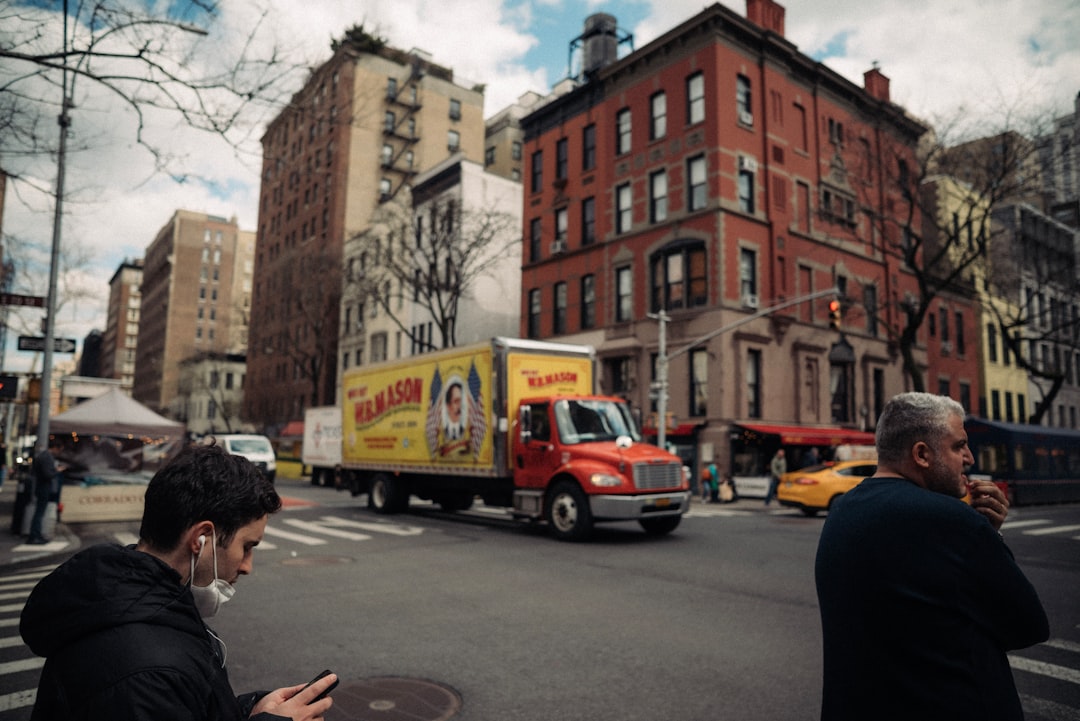
The LCA, with a keyboard humming and a caffeine supply optimized, surveyed the landscape of truck accessibility. This wasn’t merely about where a truck could go, but where it could thrive, or at least survive, when logistical challenges loomed large. The metric? Truck Survival Time – a nuanced measure of how long a commercial vehicle could reasonably operate within a city’s confines, considering traffic, delivery windows, parking availability, regulatory hurdles, and the general mood of urban planners towards large vehicles. A city’s “survival time” wasn’t a static number but a dynamic indicator of its logistical embrace.
Los Angeles, a city synonymous with endless freeways and a car-centric culture, presents a unique paradox for its larger vehicular inhabitants. Its sheer geographical expanse means that distances are significant, and the arteries that connect them are often choked. Truckers must navigate a complex ecosystem where efficiency is paramount to avoiding crippling delays. The LCA recognized that Los Angeles wasn’t a city to be trifled with on a tight schedule, and a misplaced delivery could quickly escalate into a prolonged gridlock nightmare.
The Freeways: Arteries of Ambition and Anxiety
The iconic freeways of Los Angeles – the 405, the 10, the 101 – are both lifelines and potential traps for commercial trucks. During peak hours, these once-mighty arteries transform into sluggish rivers of metal, significantly impacting transit times.
Morning Rush Hour: The Early Bird Catches the (Delayed) Worm
From roughly 6:00 AM to 10:00 AM, the freeways become a battleground. Trucks attempting to make early morning deliveries or pickups must contend with a surge of commuter traffic, significantly extending their travel time. A journey that might take an hour off-peak could easily double, or even triple, during these critical hours.
Midday Lull: A Fleeting Respite
Between 10:00 AM and 2:00 PM, a relative lull often occurs. This period offers a window of opportunity for truckers to make significant progress, provided they can avoid localized congestion or construction.
Afternoon Gridlock: The Evening Commute’s Ominous Overture
As the afternoon wears on, the prelude to the evening rush begins. From 2:00 PM to 7:00 PM, traffic density steadily increases, making efficient travel increasingly challenging. This stretches the effective “survival time” for trucks, as deliveries scheduled for later in the day are more susceptible to delays.
Nighttime Operations: The Quiet Realm of Opportunity
Post-9:00 PM, the freeways often transform. While not entirely clear, the reduced commuter presence allows for more predictable travel times. This is the prime operational window for many trucking companies in Los Angeles, maximizing their potential “survival time” by leveraging the relative calm.
Delivery Windows: The Tyranny of Time Constraints
Los Angeles’ vast commercial and retail landscape means that delivery windows are often fiercely competitive and strictly enforced. Missed windows can lead to significant penalties or rejection of goods, directly impacting a truck’s ability to complete its route and thus its “survival time.”
Retail and Warehouse Mandates: The Clock is Ticking
Many large retailers and distribution centers in the Los Angeles area have stringent delivery time requirements. These are often set to optimize their own internal operations, but they place immense pressure on truckers who must account for potential traffic variables.
Residential Deliveries: The Nighttime Enigma
While less common for large commercial trucks, some specialized deliveries might occur in residential areas. These often come with even tighter time constraints to minimize disruption, further limiting a truck’s operational flexibility and survival time.
Parking and Staging: The Elusive Oasis
Finding suitable legal parking for commercial trucks in Los Angeles is a significant challenge, particularly during business hours. This scarcity directly impacts a truck’s ability to stage for deliveries, take mandated breaks, or simply wait for a favorable window, shrinking its effective “survival time.”
Street Parking Restrictions: A Constant Threat
Many city streets have strict parking regulations that prohibit or limit commercial vehicle parking, especially during daytime hours. This forces drivers to seek out designated truck stops or industrial areas, which may be miles out of the way.
Loading Dock Availability: The Game of Chance
Securing a loading dock at a destination can be a gamble. Delays in unloading at one location can cascade, making truckers late for their next scheduled stop and reducing their overall “survival time” for the day.
Regulatory Landscape: The Ever-Present Scrutiny
Los Angeles, like many major metropolises, has a complex web of regulations that impact commercial trucking, including weight limits, route restrictions, and emissions standards.
Truck Route Designations: Navigating the Maze
Specific routes are often designated for commercial vehicles, aiming to minimize disruption to residential areas and protect infrastructure. However, these designated routes can sometimes add significant travel time.
Environmental Regulations: The Push for Greener Fleets
The city’s strong focus on air quality can lead to regulations that impact older, less efficient trucks, potentially limiting their operating hours or areas of operation, thereby affecting their “survival time.”
In exploring the sustainability of urban environments, an intriguing article discusses the implications of ancient wisdom on modern logistics and resource management. The piece highlights how cities might struggle to thrive without the essential support of trucks for transportation and supply chains. For a deeper understanding of how historical insights can inform contemporary challenges, you can read the article here: Unlocking Ancient Wisdom: Harnessing Advanced Knowledge.
2. New York City: The Concrete Jungle’s Logistical Labyrinth
New York City, a densely populated metropolis with an intricate street grid and a constant hum of activity, presents a unique set of challenges and opportunities for commercial trucking. Its historical infrastructure, combined with the sheer volume of people and goods, creates a demanding environment where swift and efficient logistics are critical for a truck’s operational “survival time.” The LCA understood that NYC wasn’t forgiving of inefficiency; every minute mattered.
Manhattan’s Immovable Object: The Island’s Embrace
Manhattan, the heart of New York City, embodies the most acute trucking challenges. Its high density, limited street width, and constant pedestrian traffic make navigating with a large vehicle a feat of engineering and patience.
The “No Truck” Zones: Dodging the Restrictions
Large portions of Manhattan have strict “No Truck” designations, particularly in certain commercial and residential areas during specific hours. Understanding these zones and planning routes accordingly is paramount to a truck’s “survival time”; a wrong turn can lead to significant delays and potential fines.
Bridge and Tunnel Tolls: The Cost of Entry and Exit
Accessing Manhattan via its many bridges and tunnels comes with significant toll costs. These costs, while a factor in overall operational expenses, also contribute to the time investment required for entry and exit, influencing a truck’s “survival time” on the island.
Delays and Congestion: The Perpetual State of Flow
New York City’s traffic is legendary, and for trucks, it represents a constant threat to their operational efficiency.
Peak Commuter Hours: The Crawl of Destiny
From 7:00 AM to 10:00 AM and 4:00 PM to 7:00 PM on weekdays, Manhattan’s streets become almost impassable for large vehicles. Any deliveries or pickups scheduled during these times are subject to extreme delays, drastically reducing a truck’s effective “survival time” for that window.
Sidewalk Cycling and Pedestrian Obstacles: The Urban Gauntlet
Even outside of peak hours, the sheer volume of pedestrians, cyclists, and smaller vehicles creates a dynamic and unpredictable environment. Drivers must exercise extreme caution, slowing down considerably, which adds to transit times and impacts “survival time.”
Parking and Loading: The Scarcity of Space
Finding legal and available parking for commercial trucks in New York City is a Herculean task. Loading zones are often occupied or designated for very short durations, forcing drivers into a constant search.
Loading Zone Lottery: The Race Against the Clock
New York City employs a complex system of loading zone regulations, often with time limits. Drivers must be acutely aware of these, as exceeding them can result in hefty fines. The availability of these zones is also limited, especially in high-demand areas, directly impacting how long a truck can effectively operate, thus its “survival time.”
Double Parking Dilemmas: A Risky Necessity
While illegal, double parking for brief periods is a reality for many delivery drivers in New York City, undertaken out of necessity. This practice, however, carries the risk of tickets and, more importantly, exacerbates congestion, thus reducing the “survival time” for other vehicles.
The Ferry Advantage (and Disadvantage): A Different Route to Survival
For certain cross-harbor movements, ferries offer a viable alternative to bridges and tunnels. However, they introduce their own set of constraints.
Ferry Schedules and Wait Times: The Predictable Unpredictable
Ferry schedules, while generally reliable, can be subject to weather delays and high demand. Long wait times for a ferry can significantly diminish a truck’s effective “survival time,” essentially putting it on hold.
Cargo Restrictions and Dock Logistics: Navigating the Waterways
Some ferries have restrictions on the types or sizes of trucks they can carry, and the logistics at ferry terminals – loading and unloading – can also introduce delays, impacting the overall efficiency and thus “survival time” of the operation.
3. Chicago: The Windy City’s Transit Tangle

Chicago, a major transportation hub in the Midwest, presents a unique blend of efficient infrastructure and urban complexities for commercial trucking. Its grid system and extensive public transportation network are designed to move people, but for large vehicles, the city presents a distinct set of challenges that influence their “survival time.” The LCA recognized that Chicago demanded a smart approach to logistics, balancing speed with awareness of its specific urban rhythm.
The Urban Grid: A Blessing and a Hindrance
Chicago’s famously well-organized grid system is a boon for navigation, but it also concentrates traffic and presents specific challenges for oversized vehicles.
Downtown Gridlock: The Heart of Congestion
The Loop and surrounding downtown areas are subject to significant congestion, particularly during peak hours. Navigating these streets with a truck requires careful route planning to avoid bottlenecks.
North-South Arteries: The Push and Pull of Traffic
Major north-south streets like Lakeshore Drive (with its commercial vehicle restrictions) and Ashland Avenue experience heavy traffic flow, influencing the speed at which trucks can move and thus their “survival time.”
Delivery Windows: The Balancing Act of Business Hours
Chicago’s business districts have their own set of delivery time restrictions designed to minimize disruption to daily commerce.
Retail and Office Deliveries: The 9-to-5 Squeeze
Many businesses in Chicago have strict delivery windows that typically fall within standard business hours. This means trucks must often contend with increased traffic as they try to make deliveries and pickups before closing.
Warehouse and Distribution Center Efficiency: The Flow of Goods
While warehouses and distribution centers often operate around the clock, the efficiency of their loading and unloading processes directly impacts a truck’s “survival time.” Delays at one facility can cascade and affect subsequent deliveries.
Parking and Staging: The Scarcity in the Metropolis
Similar to other major cities, finding legal and convenient parking for commercial trucks in Chicago can be a significant hurdle.
Loading Zone Management: The Constant Hunt
Chicago has designated loading zones, but their availability and time limits can be a challenge. Trucks often find themselves circling for spots or utilizing temporary overflow areas.
Industrial Parks and Suburban Hubs: The Outskirts Advantage
Many larger trucking operations utilize staging areas in industrial parks on the outskirts of the city, or in suburban hubs, to better manage their routes and parking needs, indirectly extending their overall “survival time” by avoiding downtown congestion.
The “L” and Public Transit Impact: A Different Kind of Obstacle
Chicago’s extensive “L” train system, while efficient for commuters, can influence truck routes and driver behavior.
Elevated Tracks Overhead: Navigating the Urban Canopy
The elevated “L” tracks in some areas can limit overhead clearance for taller trucks, necessitating alternative routes and potentially impacting travel times.
Commuter Train Schedules: The Synchronized Surge
While not a direct obstacle, the predictable ebb and flow of commuters utilizing the “L” can create predictable surges in road traffic, requiring drivers to factor these into their planning and thus their “survival time.”
Seasonal Considerations: The Windy City’s Climate Campaign
Chicago’s infamous weather can dramatically impact truck operations and, consequently, their “survival time.”
Winter Storms: The Frozen Frontier
Snowstorms and icy conditions can bring the city to a standstill, making travel exceedingly dangerous and often impossible for large trucks. Operations can be effectively halted for extended periods.
Summer Heat: The Pavement’s Plight
While less disruptive than winter, extreme summer heat can affect road surfaces and potentially lead to restrictions on certain types of loads, subtly influencing a truck’s ability to operate efficiently.
4. Atlanta: The Southeastern Hub’s Peachtree Prowl
Atlanta, a rapidly growing metropolis in the Southeast, serves as a crucial transportation nexus. Its sprawling nature and extensive highway system offer both opportunities and challenges for commercial trucking, creating a dynamic environment that shapes a truck’s “survival time.” The LCA understood that Atlanta’s growth meant constant adaptation, and logistics managers needed to stay ahead of the curve.
The Highway Network: The Peachtree State’s Arteries
Atlanta’s intricate network of interstate highways – I-75, I-85, I-285 (the Perimeter) – are the lifelines for the city’s commerce. However, they are also prone to severe congestion.
I-285: The Perimeter’s Paradox
The I-285 loop, while designed to circumvent the city center, is often as congested as the downtown routes, especially during peak hours. Navigating it can be a significant factor in a truck’s “survival time.”
Downtown Connector (I-75/I-85): The Bottleneck’s Bite
The merging of I-75 and I-85 through the heart of downtown Atlanta, known as the Downtown Connector, is consistently one of the most congested stretches of highway in the nation, severely impacting truck transit times.
Delivery Windows and Business Hours: The Southeastern Pace
Atlanta’s business environment, while dynamic, often adheres to more traditional delivery windows, influencing when trucks can most effectively operate.
Corporate and Warehouse Deliveries: The Midday Emphasis
Deliveries to corporate offices and many warehouses tend to be concentrated during standard business hours. This requires careful scheduling to avoid peak traffic times and maximize a truck’s “survival time.”
Retail and E-commerce Demands: The Growing Pressure
The rapid growth of e-commerce in Atlanta means an increasing demand for timely deliveries to distribution centers and last-mile hubs, adding pressure to truck schedules and their effective “survival time.”
Parking and Staging: The Sprawling Solution
Atlanta’s more spread-out urban design offers some advantages for truck parking and staging compared to older, more dense cities.
Dedicated Truck Stops and Industrial Areas: The Availability Advantage
The presence of numerous truck stops along the interstate corridors and the availability of industrial zones on the city’s periphery provide more options for parking and staging compared to hyper-urban centers.
Limited Street Parking: The Downtown Dilemma
Despite the outward advantages, downtown Atlanta and its immediate surroundings still face limitations for on-street truck parking, reinforcing the need for pre-planned routes and off-street staging.
The Airport Effect: Hartsfield-Jackson’s Influence
Hartsfield-Jackson Atlanta International Airport, one of the busiest in the world, generates significant truck traffic for cargo and logistics.
Cargo and Logistics Movements: The Air Freight Flow
Trucks servicing the airport’s cargo operations must navigate specific routes and security procedures, impacting their transit times and overall “survival time.”
Commuter Spillover: The Airport’s Impact on General Traffic
The sheer volume of people traveling to and from the airport contributes to overall traffic congestion, indirectly affecting the movement of commercial trucks throughout the city.
Regulatory Environment: Navigating Georgia’s Guidelines
Georgia’s regulations, while generally supportive of commerce, still present specific considerations for trucking operations.
Weight and Dimension Limits: Adhering to State Standards
Commercial trucks must comply with Georgia’s specific weight and dimension regulations, influencing route choices and load capacities.
Truck Lane Access: Navigating the Highway Infrastructure
Understanding designated truck lanes and any potential restrictions on specific highways is crucial for efficient travel and optimizing “survival time.”
The survival of cities without trucks is a pressing issue that highlights the importance of logistics in urban environments. A related article explores the intriguing history of Antarctica, shedding light on how remote locations have adapted to challenges in transportation and resource management. Understanding these dynamics can provide valuable insights into how cities might cope in a future where traditional supply chains are disrupted. For more on this topic, you can read about it in this fascinating article.
5. Denver: The Mile-High City’s Mountainous Mission
| City | Days without trucks |
|---|---|
| New York City | 3 days |
| Los Angeles | 4 days |
| Chicago | 2 days |
| Houston | 5 days |
Denver, situated at the base of the Rocky Mountains, presents a unique set of logistical challenges influenced by its high altitude, growing population, and its role as a gateway to the Mountain West. The LCA recognized that Denver’s “survival time” calculations involved more than just freeway speeds, incorporating the subtleties of its environment.
The Mile-High Congestion: Altitude and Arteries
Denver’s growing population has placed increasing pressure on its transportation infrastructure, leading to significant congestion.
I-70 Corridor: The Mountain Gateway’s Grit
Interstate 70, a primary east-west artery and the gateway to the mountains, experiences heavy traffic, especially during peak commuter times and weekends when recreational travel surges. This significantly impacts truck travel.
I-25: The Spine of the City’s Strain
Interstate 25, running north-south through the Denver metropolitan area, is another major artery prone to significant congestion, particularly as it traverses the urban core.
Delivery Windows and Downtime: The Business of the West
Denver’s business environment, while evolving, often involves specific delivery windows that must be adhered to.
Business Park and Industrial Deliveries: The Defined Windows
Many businesses in Denver’s numerous business and industrial parks operate with specific delivery times, requiring trucks to be punctual and efficient to maintain their “survival time.”
Retail and Construction Demands: The Dynamic Landscape
The city’s ongoing growth in both retail and construction means a fluctuating demand for timely deliveries, adding a layer of complexity to scheduling and impacting a truck’s ability to operate smoothly.
Parking and Staging: The Urban-Suburban Divide
Denver exhibits a mix of urban parking challenges and more accessible suburban options for trucks.
Downtown Parking Scarcity: The Urban Squeeze
Similar to other major cities, finding legal and available parking for commercial trucks in downtown Denver is a challenge, leading to delays and necessitating careful planning.
Suburban Staging Areas: The Advantage of Space
The prevalence of industrial parks and larger commercial zones in Denver’s suburban areas offers more opportunities for trucks to park, stage, and maneuver, contributing to a more extended “survival time” when operating outside the immediate city center.
The Mountainous Influence: Altitude and Weather Woes
Denver’s proximity to the Rocky Mountains introduces unique environmental factors that affect trucking.
Altitude Effects: The Thin Air’s Toll
The high altitude can slightly affect engine performance for some vehicles, though modern trucks are generally well-equipped. More significantly, drivers need to be aware of potential altitude-related fatigue.
Mountain Weather: The Unpredictable Element
Severe winter weather, including snowstorms and icy conditions on mountain passes, can cause significant delays, road closures, and even complete halts to trucking operations on routes leading into or out of the region, dramatically reducing “survival time” for those operations.
Regulatory Framework: Navigating Colorado’s Currents
Colorado’s regulatory environment for commercial vehicles is designed to ensure safety and efficiency.
Truck Route Designations: Following the Guidelines
Specific truck routes are designated to help manage traffic flow and minimize disruption, requiring drivers to be familiar with these.
State and Local Ordinances: Adhering to the Rules
Understanding and complying with both state and local ordinances regarding commercial vehicle operation, including any specific Denver city regulations, is crucial for avoiding fines and maintaining operational continuity, thereby preserving “survival time.”

The Black Layer That Shouldn’t Exist
FAQs
1. How long can cities survive without trucks?
Cities would struggle to survive without trucks for more than a few days. Trucks are essential for delivering food, fuel, medical supplies, and other critical goods to cities.
2. What role do trucks play in city survival?
Trucks are the primary mode of transportation for delivering goods to cities. They transport essential items such as food, water, medical supplies, and construction materials that are necessary for city survival.
3. What are the consequences of a trucking shortage in cities?
A shortage of trucks in cities can lead to shortages of essential goods, including food and medical supplies. This can result in increased prices, hoarding, and potential public health crises.
4. How do cities depend on trucks for their daily operations?
Cities depend on trucks to transport goods to and from warehouses, distribution centers, and retail stores. Without trucks, the flow of goods would be severely disrupted, impacting the daily operations of the city.
5. Are there any alternatives to trucks for city logistics?
While there are alternative modes of transportation such as trains and ships, trucks are the most flexible and widely used for city logistics. In the event of a trucking shortage, cities may need to explore alternative transportation methods to ensure the continued flow of essential goods.