- The Clock is Ticking: Understanding the True Shelf Life of Our Supermarkets
The question of how long grocery stores would remain stocked in the face of a widespread emergency or disruption is a perennial one, often amplified during times of uncertainty. It’s a scenario that taps into our primal fears of scarcity and vulnerability. As the Listicle Content Architect (LCA), I’ve delved deep into the intricate systems that govern our food supply chain to provide a clear, evidence-based perspective on this complex issue. This listicle aims to demystify the timelines and factors involved, moving beyond sensationalism to offer a realistic assessment of when – and if – our familiar aisles would truly go bare. The common perception is that empty shelves are just a few days away, sparked by news of natural disasters or civil unrest. However, the reality is far more nuanced, hinging on a delicate dance of production, distribution, and consumer behavior. Understanding these dynamics is crucial for informed preparedness and for alleviating unnecessary panic.
The food supply chain is a marvel of modern logistics, a vast and interconnected network designed to move perishable and non-perishable goods from farm to fork with remarkable efficiency. This system, however, is not without its vulnerabilities. While incredibly robust, it relies on a continuous flow and faces potential chokepoints. Consumer panic can itself become a catalyst for emptiness, proving that psychological factors play as significant a role as physical limitations in determining the perceived or actual availability of goods. Therefore, any accurate answer must consider not just the physical capacity of the supply chain, but also the human element that drives demand.
The LCA’s approach involves dissecting the problem into manageable components, analyzing each stage of the process that brings food to our tables. This includes examining agricultural output, manufacturing and processing capabilities, transportation networks, and the final retail distribution. We will also explore the concept of ‘essential goods’ and how different categories of food would fare under duress. The goal is to provide a comprehensive and nuanced understanding, so that the next time this question arises, you’ll have a well-informed perspective. This is not about predicting doom, but about understanding resilience and the factors that influence it.
- The Foundational Layer: Agricultural Production and Initial Reserves
The initial and most crucial element in determining how long grocery stores would remain stocked is the state of our agricultural production and the existing reserves of raw ingredients and less perishable agricultural products. This is the bedrock upon which the entire food system is built. Without a steady supply of raw materials, even the most efficient distribution network would eventually grind to a halt. The interconnectedness of agricultural practices – from specialized crops requiring specific growing seasons to livestock dependent on feed – means that disruptions in one area can have cascading effects throughout the system.
What’s Currently on the Farms?
The volume of food being produced at any given time is a critical factor. This is not a static number; it fluctuates with seasons, weather patterns, and current market demands. For many staple crops, like grains (wheat, corn, rice), harvests occur annually, and significant quantities are stored in silos and warehouses. These reserves are not solely for immediate consumption but are also processed into various food products. However, the longer the disruption, the more critical it becomes to consider if new planting and harvesting cycles can continue.
As concerns about economic instability grow, many people are left wondering how long it will be before grocery stores are empty due to supply chain disruptions and panic buying. A related article that delves into the potential impacts of a dollar crash on essential goods can be found at this link. It highlights the importance of being prepared for such scenarios and offers insights into the worst assets to hold during times of financial crisis.
The Role of Perishability
The lifespan of raw agricultural products varies dramatically. Fresh produce, dairy, and certain meats are highly perishable and require constant replenishment from farms or processing facilities. A short-term disruption might not immediately impact these items if stores have existing inventory, but longer-term issues would quickly lead to shortages. However, goods like grains, dry goods (beans, lentils), and root vegetables have much longer on-site storage capabilities, both at the farm level and in larger distribution centers.
Imported Goods and Their Timeliness
A significant portion of the food in major grocery chains, particularly in non-tropical regions during off-seasons, is imported. The reliance on international supply chains introduces another layer of vulnerability. Shipping times, port operations, and international trade agreements all play a role. A prolonged disruption would undoubtedly impact the availability of imported goods much sooner than domestically produced staples. The logistics of bringing these goods into the country, clearing customs, and moving them to distribution centers adds considerable time and potential delays.
Understanding Existing Stockpiles
Beyond what is actively growing, there are considerable stockpiles of non-perishable food items and raw ingredients held by farmers, manufacturers, and in government reserves. These stockpiles are designed to buffer against minor fluctuations in supply and demand, or short-term crises. The size of these reserves, particularly for long-shelf-life commodities like flour, sugar, rice, and canned goods, is a significant factor in extending the period before such items become scarce. It’s important to differentiate between ‘just-in-time’ inventory in retail stores and the larger, more robust reserves held further up the supply chain.
- The Bottlenecks of the Middle: Manufacturing, Processing, and Packaging
Once raw agricultural products are harvested, they enter the complex and often invisible world of manufacturing, processing, and packaging. This stage transforms raw materials into the edible, convenient products we find on store shelves. Any disruption here directly impacts the throughput of food reaching consumers. These facilities are designed for continuous operation, and their downtime has immediate and far-reaching consequences. The specialized equipment and labor required make these operations difficult to quickly restart or replicate.
As concerns about supply chain disruptions continue to rise, many are left wondering how long it will be before grocery stores are empty. This situation is exacerbated by various factors, including shifts in manufacturing locations and global trade dynamics. For instance, an interesting article discusses the trend of companies moving their operations from China to Mexico, which could have significant implications for the availability of goods in the near future. To learn more about this shift and its potential impact on supply chains, you can read the full article here.
The Speed of Processing Plants
Food processing plants, from large-scale meatpacking facilities to bakeries and canneries, operate at incredible speeds. They are designed to handle massive volumes of product efficiently to meet constant demand. If a plant were to shut down, not only would the immediate output cease, but the backlog of raw materials waiting to be processed would also begin to spoil, leading to significant waste and further impacting supply. The interconnectedness of these plants means that the closure of one can affect multiple product lines.
The Importance of Packaging Materials
Packaging is not just about branding and presentation; it’s essential for preservation, protection, and transport. A shortage of specific packaging materials – like plastic films, cardboard, or metal cans – can halt the production and distribution of an entire category of food, even if the food itself is available. These materials are often sourced from specialized industries, which can also be subject to their own supply chain disruptions. The complexity of modern packaging, often involving multiple layers and specialized components, adds further fragility.
Labor and Energy Dependencies
Food processing facilities are heavily reliant on a skilled workforce and consistent access to energy (electricity, natural gas). A widespread disruption that impacts these fundamental needs would quickly cripple production. Power outages, fuel shortages, or mass labor unavailability due to illness, evacuation, or other crises would bring these operations to a standstill. The energy demands of refrigeration and specialized machinery in these plants are substantial and cannot be easily substituted during a crisis.
The ‘Just-in-Time’ Nature of Some Production
While some food processing involves long-term storage of ingredients, many products are manufactured on a ‘just-in-time’ basis to minimize spoilage and warehousing costs. This means that if processing stops, the pipeline to consumer goods dries up very quickly. For highly processed items like ready-to-eat meals, snack foods, and many breakfast cereals, the supply chain is optimized for continuous production and rapid delivery. Any interruption in this flow would be felt acutely by consumers within days.
- The Arteries of Supply: Transportation and Logistics
The movement of food from farms to processors, from processors to distribution centers, and finally to retail stores is handled by a sophisticated transportation and logistics network. This is the circulatory system of our food supply, and any blockage here would rapidly lead to empty shelves. The sheer volume of food that needs to be moved daily is staggering, and any significant disruption to this flow would have immediate consequences. This includes not just the vehicles themselves, but also the infrastructure they rely on and the labor that operates them.
Trucks, Trains, and Ships: The Backbone of Delivery
The vast majority of food reaches its final destination via trucks. However, trains and ships also play critical roles in transporting bulk commodities and imported goods. A disruption affecting any of these modes of transport – whether due to fuel shortages, road closures, port congestion, or rail line damage – would significantly impede the flow of food. The ‘last mile’ delivery by truck is particularly vulnerable to road conditions, traffic, and access restrictions.
Fuel and Infrastructure Vulnerabilities
Transportation relies heavily on fuel. A widespread disruption that impacts fuel production, refining, or distribution would directly halt delivery trucks, trains, and ships. Similarly, the physical infrastructure – roads, bridges, ports, and rail lines – is susceptible to damage from natural disasters or deliberate acts. If these vital arteries are compromised, food cannot move, regardless of its availability upstream. The interdependence of transportation with energy infrastructure is a critical point of vulnerability.
The Crucial Role of Distribution Centers
Food distribution centers (warehouses) are vital hubs where goods are sorted, stored, and prepared for delivery to individual stores. These centers operate on tight schedules, receiving large shipments and dispatching smaller ones to numerous retail locations. A disruption at a distribution center – whether due to damage, labor shortages, or lack of incoming supply – can have a ripple effect, impacting dozens or even hundreds of stores simultaneously. The sheer volume of goods passing through these centers means any bottleneck is quickly amplified.
Labor Shortages in Transportation
The logistics industry relies on a large and often specialized workforce, including truck drivers, warehouse staff, and port workers. A widespread crisis that leads to labor shortages – due to illness, displacement, or other emergencies – would severely impact the ability to move food. The aging demographic of truck drivers in many countries also presents a pre-existing vulnerability that could be exacerbated by a crisis. The complex scheduling and coordination required in logistics make it particularly susceptible to even minor disruptions in labor availability.
- The Front Lines: Retail Stores and Consumer Behavior
While the upstream supply chain is fundamental, the final stage – the retail store and the behavior of consumers within it – is what most directly dictates the perception and reality of empty shelves. This is where supply meets demand, and where panic can become a self-fulfilling prophecy. The efficiency of a store’s internal logistics and the psychology of shoppers interact to determine what we see when we walk in. The way stores are managed and how consumers react are the most immediate determinants of perceived scarcity.
Store Inventory and Replenishment Cycles
Grocery stores operate with varying levels of on-hand inventory. Highly perishable items are replenished daily, sometimes multiple times a day. Non-perishables are stocked in larger quantities, but still rely on regular deliveries. The frequency of deliveries is dictated by store size, sales volume, and the store’s own warehousing capacity. In a crisis, delivery schedules would be the first to be disrupted, leading to a rapid depletion of items with short replenishment cycles.
The Impact of Panic Buying
Consumer behavior is arguably the single most significant factor in how quickly grocery stores appear empty. During times of perceived crisis, panic buying can occur, where individuals purchase far more than they immediately need due to fear and uncertainty. This surge in demand, often focused on non-perishable staples and comfort foods, can far outstrip even normal delivery capabilities and rapidly deplete shelves, creating an illusion of scarcity even when the broader supply chain might still be functioning to some degree. This behavior can quickly overwhelm the system.
Shelf Stocking and Logistics Within Stores
Even with incoming deliveries, the ability of store staff to unload, stock shelves, and manage inventory efficiently is critical. During a crisis, staff might be reduced due to illness, safety concerns, or other emergencies. This, combined with the increased volume of items needing to be put out and the demands of managing panicked customers, can slow down the process of maintaining full shelves. What is arriving at the back door might not make it to the front shelves as quickly.
The Definition of ‘Empty’: Essential vs. Non-Essential Goods
It’s important to distinguish between different categories of goods. While fresh produce, dairy, and meat might disappear within days of a significant disruption, many non-perishable items – canned goods, dried pasta, rice, beans, cereal – could potentially last much longer, depending on the upstream supply. Therefore, the definition of ‘empty’ is subjective and depends on what consumers are looking for. A store might not have fresh berries, but still have shelves stocked with canned soup. The initial panic often targets high-demand, easily visible items.
- The Critical Threshold: When Do Shelves Truly Go Bare? A Realistic Timeline
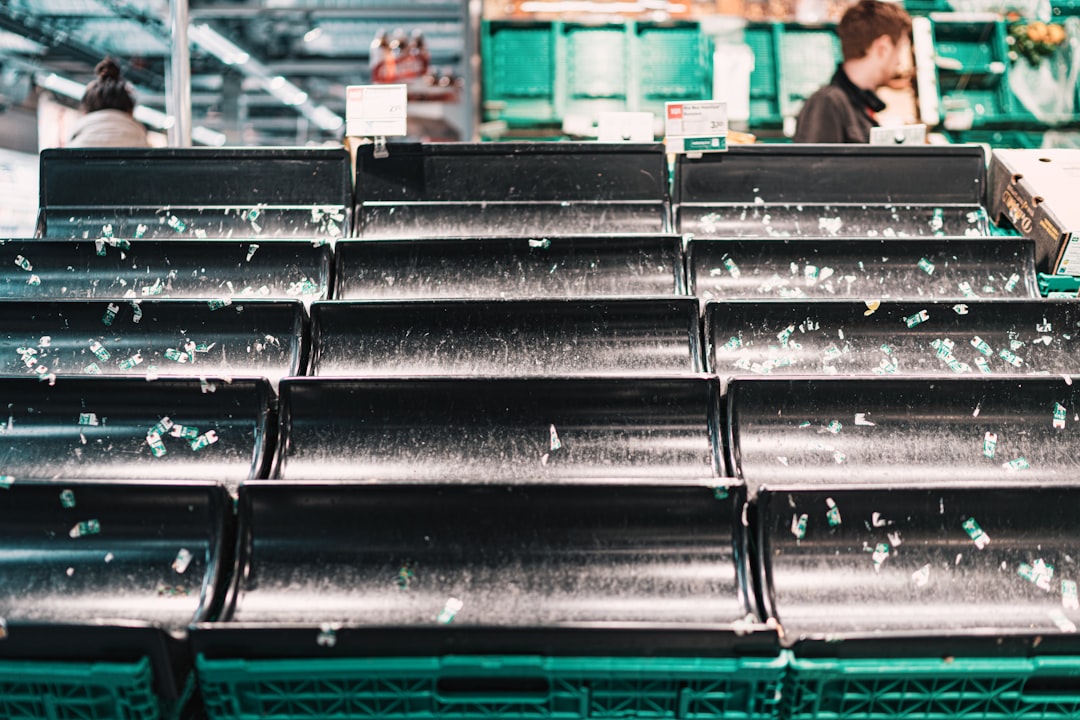
Synthesizing the various factors discussed, we can begin to construct a more realistic, though still variable, timeline for when grocery store shelves might truly become empty. This is not a singular event but a gradual depletion, with different product categories disappearing at different rates. The LCA’s analysis emphasizes that sensationalized timelines of mere days are often oversimplified and fail to account for the inherent resilience and stockpiles within the system. However, a prolonged and severe disruption would undoubtedly lead to widespread scarcity.
Day 1-3: Initial Surge and Targeted Depletion
In the immediate aftermath of a sudden, widespread crisis that triggers panic buying, consumers will descend upon stores. The most sought-after items – toilet paper, sanitizing products, bottled water, non-perishable staples like canned goods, pasta, rice, and bread – will be the first to see significant depletion. Stores will struggle to keep shelves stocked as demand vastly outstrips normal replenishment cycles. However, fresh produce and dairy, while popular, might show some remaining stock in the first couple of days due to their immediate availability and the sheer volume of items consumers are prioritizing.
Day 4-7: Cascading Shortages and Perishables Gone
By the end of the first week, the impact of disrupted deliveries will become more pronounced. Perishable items like fresh fruits, vegetables, dairy products, and fresh meats will likely be largely gone. This is due to their short shelf life and the immediate halt to daily replenishment from processing plants and farms. Non-perishable items will continue to be depleted, but the rate of emptying might slow down slightly as the initial panic subsides or as consumers realize that some items are more resilient. However, stores’ own remaining inventory will be significantly diminished.
Week 2-4: Advanced Scarcity and Reliance on Longer-Life Goods
Two to four weeks into a sustained disruption, the situation becomes more precarious. Even many non-perishable items will become scarce, as the upstream supply chain struggles to compensate for lost production and distribution. Stores will be relying almost entirely on their remaining back-stock. The variety of goods available will shrink dramatically, and consumers will be left with whatever long-shelf-life staples still remain. Access to fuel for transportation would be a critical factor determining how much even these remaining goods can be distributed.
Month 1 and Beyond: True Emptiness and Systemic Breakdown
Beyond a month, grocery stores as we know them would likely be largely empty of a wide variety of goods. What remains would be limited to highly shelf-stable, bulk commodities that were heavily stockpiled, or items that have a exceptionally long shelf life and are less commonly consumed. The concept of a fully stocked grocery store becomes a distant memory. This scenario implies a severe systemic breakdown in agriculture, manufacturing, transportation, and retail operations, likely linked to widespread power outages, societal collapse, or prolonged, inaccessible transit routes. The ability to procure food would shift to more localized and direct sourcing methods rather than relying on mass retail. The “emptiness” becomes not just a lack of variety, but a fundamental challenge to food security. The LCA concludes that while minor disruptions can cause temporary panic-induced shortages, a true and widespread “emptiness” of grocery stores requires a significant and prolonged breakdown of multiple interconnected systems.

The Black Layer That Shouldn’t Exist
FAQs
What factors could lead to grocery stores being empty?
Factors that could lead to grocery stores being empty include natural disasters, supply chain disruptions, panic buying, and unexpected events such as the COVID-19 pandemic.
How long can grocery stores sustain their inventory before running empty?
The length of time grocery stores can sustain their inventory before running empty varies depending on factors such as the size of the store, the demand from customers, and the availability of suppliers. In general, larger grocery stores may have more inventory and be able to sustain for a longer period of time compared to smaller stores.
What measures can grocery stores take to prevent running empty?
Grocery stores can take measures such as maintaining good relationships with suppliers, implementing efficient inventory management systems, and having contingency plans in place for unexpected events. Additionally, they can limit the quantity of items customers can purchase during times of high demand to prevent panic buying.
How do grocery stores replenish their inventory when it runs low?
Grocery stores replenish their inventory by placing orders with their suppliers, who then deliver the products to the store. The frequency of replenishment depends on factors such as demand, shelf life of products, and the store’s inventory management system.
What can consumers do to help prevent grocery stores from running empty?
Consumers can help prevent grocery stores from running empty by avoiding panic buying, purchasing only what they need, and being mindful of the needs of others in the community. Additionally, they can support local farmers and producers to help maintain a steady supply of fresh produce and goods.