- Limited Resources: The Foundation of Scarcity
The genesis of any food shortage, and certainly its rapid escalation, can often be traced back to the fundamental limitation of resources. This isn’t simply about running out of food in a pantry; it’s about the complex web of inputs required to produce that food in the first place. When these foundational elements are constrained, the entire food system becomes vulnerable, and shortages can emerge with alarming speed.
Agriculture is a resource-intensive endeavor. From the soil beneath our feet to the water that irrigates crops and the energy that powers machinery, each component is vital. When the availability or affordability of these inputs is compromised, agricultural output directly suffers.
Water Scarcity: The Thirst of Production
Water is the lifeblood of agriculture. Irrigated land accounts for a significant portion of global crop production, and even rain-fed agriculture is susceptible to drought. Climate change is exacerbating water scarcity in many regions, leading to crop failures and reduced yields. When water becomes a luxury rather than a readily available necessity for farming, the consequences for food production can be swift and severe. Farmers are forced to make difficult choices, prioritize certain crops, or abandon fields altogether. This immediate reduction in supply ripples through the system.
Fertile Land Decline: Eroding the Basis of Growth
The availability of fertile land is also a finite resource. Soil erosion, desertification, and unsustainable farming practices degrade the land’s productivity over time. When the most productive agricultural land is lost or its fertility diminishes, the capacity to grow food is directly reduced. This isn’t a slow, creeping decline in an ideal scenario; rather, it can manifest as a rapid inability to meet demand when coupled with other pressures. A region heavily reliant on a specific type of soil for a staple crop could experience a sudden drop in output if that soil experiences sudden degradation due to extreme weather or improper management.
Energy Costs and Availability: The Fuel for the Farm
Modern agriculture is heavily reliant on energy, from powering tractors and harvesters to producing fertilizers and transporting goods. Fluctuations in energy prices or outright shortages can have a profound impact on the cost of food production. When fuel becomes prohibitively expensive or unavailable, farmers may struggle to plant, manage, or harvest their crops. This directly translates to less food being produced and entering the market. The dependency on fossil fuels makes agriculture particularly susceptible to geopolitical events and global energy market volatility. A sharp, unexpected spike in oil prices, for instance, can make it economically unfeasible for many farmers to operate, leading to a rapid reduction in food availability.
Seed and Genetic Diversity: The Blueprint for Sustenance
Access to high-quality seeds and maintaining genetic diversity are crucial for robust food production. When there are disruptions in seed supply chains, or when reliance on a narrow range of genetically uniform crops leaves them vulnerable to pests and diseases, the potential for widespread crop failure increases. A disease that decimates a monoculture crop can have an immediate and devastating impact on food availability, especially if alternative varieties are not readily accessible. The loss of a season’s worth of a vital seed variety can set back agricultural output for an extended period.
- Distribution Challenges: The Bottleneck of Getting Food to Tables
Even when food is produced, it doesn’t magically appear on our plates. The intricate and often fragile systems responsible for getting that food from farm to fork are susceptible to a myriad of challenges. When these distribution networks falter, food shortages can quickly transform from localized issues to widespread crises.
Food shortages can arise unexpectedly due to a variety of factors, including supply chain disruptions, climate change, and geopolitical tensions. A related article that delves into the historical context of food rationing and its implications can be found at Uncovering the Archaeology of Food Rationing. This piece explores how societies have responded to scarcity in the past, providing valuable insights into the mechanisms that can lead to rapid food shortages in contemporary times.
The Fragility of the Food Supply Chain
The modern food supply chain is a marvel of logistics, but it is also incredibly complex and vulnerable to disruptions. Numerous intermediaries, transportation modes, and storage facilities are involved, and a failure at any single point can have cascading effects.
Transportation Infrastructure Fouls: Roads, Rails, and Rivers Blocked
The physical movement of food is paramount. Issues with road networks, railway lines, or navigable waterways can bring food distribution to a grinding halt. Extreme weather events can damage infrastructure, making roads impassable and ports unusable. Political unrest or strikes can disrupt transportation hubs, preventing the movement of goods. When a major shipping port is closed due to a natural disaster, or when key road arteries are flooded, food destined for markets can be trapped, leading to immediate shortages in the affected areas. The longer the disruption, the more widespread the impact.
Storage and Refrigeration Failures: The Perishable Predicament
A significant portion of our food supply is perishable and requires specialized storage and refrigeration. Power outages, equipment malfunction, or a lack of adequate cold chain infrastructure can lead to massive spoilage. Imagine a large shipment of fresh produce arriving at a distribution center only to find the refrigeration units have failed. This lost food cannot be recovered, and it exacerbates existing supply issues. The speed at which perishable goods spoil means that storage failures have an almost immediate impact on availability.
Regulatory Hurdles and Bureaucratic Blunders: Red Tape and Delays
While regulations are often in place for safety and quality, excessive bureaucracy, inefficient customs procedures, or sudden changes in trade policies can create significant delays in food distribution. Importing or exporting food often involves navigating a complex web of permits and inspections. If these processes become unexpectedly slow, or if new, onerous regulations are suddenly imposed without adequate transition periods, food can be held up at borders or in transit, leading to shortages in the intended markets. This can be particularly acute for time-sensitive products that spoil quickly.
Access to Markets: The Last Mile Problem
Even with robust upstream logistics, reaching consumers directly can be a challenge, especially in remote or underserved areas. Lack of infrastructure, economic disparities, and retailer closures can all contribute to market access issues. In times of crisis, when supply is already strained, these “last mile” problems can become amplified, leaving certain populations without access to the available food. A sudden increase in demand coupled with limited retail capacity in a particular neighborhood can quickly deplete shelves.
- Supply Chain Disruptions: The Domino Effect of Interconnectedness
The global food system is a highly interconnected web. A disruption in one part of the supply chain, no matter how seemingly minor, can trigger a cascade of problems that rapidly escalate into widespread food shortages. This interconnectedness, while efficient in normal times, becomes a significant vulnerability during crises.
The Ripple Effect of Unexpected Events

The modern supply chain relies on a delicate balance of production, processing, and distribution across vast geographical distances. Any significant event that impacts even one link in this chain can have far-reaching consequences.
Geopolitical Instabilities and Trade Wars: The Politics of Plates
International relations and political tensions can directly impact the flow of food. Trade wars, sanctions, or conflicts in key food-producing or transit regions can disrupt exports and imports, leading to sudden shortages in dependent nations. A conflict that halts grain shipments from a major exporting country, for example, can have immediate repercussions for countries that rely on those imports, especially if they lack sufficient reserves. The speed at which these geopolitical shifts can occur means that food availability can plummet rapidly.
Pandemics and Public Health Crises: The Human Factor
As the world has witnessed, pandemics can cripple supply chains by affecting the availability of labor at every stage, from farm workers and processing plant employees to truck drivers and retail staff. Illnesses, lockdowns, and quarantine measures can significantly reduce operational capacity. Furthermore, panic and fear can disrupt consumer behavior and hoarding, further straining already fragile supply lines. A widespread outbreak in a food processing hub could shut down production for weeks, with immediate consequences for the availability of a wide range of products.
Industrial Accidents and Infrastructure Failures: The Unforeseen Breakdowns
Accidents at processing plants, large-scale equipment failures, or damage to critical infrastructure like pipelines or major roads can have a rapid and severe impact. A fire at a major grain silo, for instance, could represent the loss of a substantial portion of a region’s stored grain, directly impacting its future supply. Similarly, a major rail bridge collapse could sever a crucial transportation artery for weeks or months, creating bottlenecks for food movement.
Raw Material Shortages: The Missing Ingredients
The production of many food items relies on specific raw materials, and disruptions in their availability can halt production. For example, shortages of packaging materials like cardboard or plastic can prevent finished food products from being shipped, even if the food itself is ready. Similarly, a lack of essential chemicals used in food processing or preservation can lead to bottlenecks. The reliance on global sourcing for many of these materials means that a disruption in one country can quickly affect production elsewhere.
- Panic Buying: The Self-Fulfilling Prophecy of Scarcity
While natural causes can initiate scarcity, human behavior can accelerate and amplify these shortages dramatically. Panic buying, a psychological response to perceived or actual shortages, can transform a manageable situation into a crisis in a matter of hours or days. It’s a self-fulfilling prophecy where fear leads to actions that create the very scarcity being feared.
The Psychology of Empty Shelves
Understanding the motivations and consequences of panic buying is crucial to grasping how food shortages escalate. It’s a phenomenon driven by a primal instinct for survival, amplified by media and social influence.
Fear of the Unknown and Media Amplification: Fueling the Rush
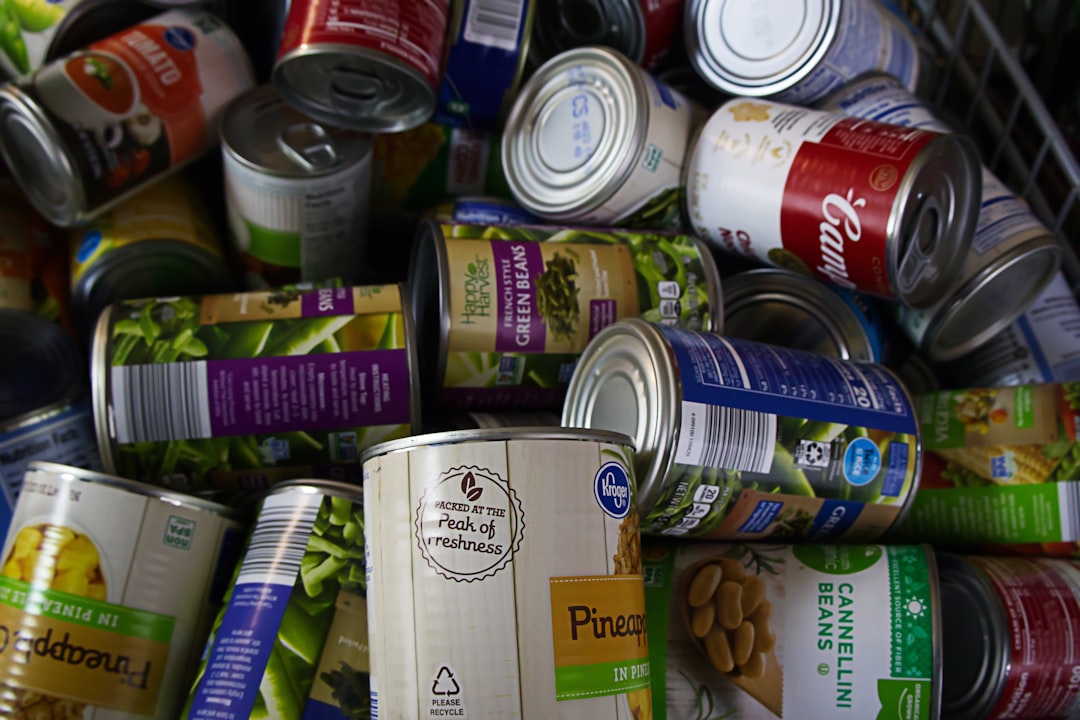
When news of potential shortages begins to circulate, often amplified by media coverage and social media, fear quickly takes hold. Individuals anticipate that essential items will become unavailable and rush to stock up, often buying far more than they immediately need. This collective rush overwhelms retail inventory, even when actual supply issues are not yet severe. A news report about potential disruptions at a port can lead to a wave of consumers buying every can of soup on the shelf, assuming the worst.
The “Tragedy of the Commons” in Supermarkets: Maximizing Personal Gain
Panic buying can be seen as a form of “tragedy of the commons,” where individuals acting rationally in their own self-interest deplete a shared resource. Each shopper endeavors to secure their family’s needs, but in doing so, they deplete the stock for everyone else, creating genuine scarcity. This creates a cycle: seeing others buy out products encourages more people to buy, perpetuating the problem. A few people buying extra toilet paper can quickly become hundreds, leaving none for others.
Impact on Vulnerable Populations: Widening the Gap
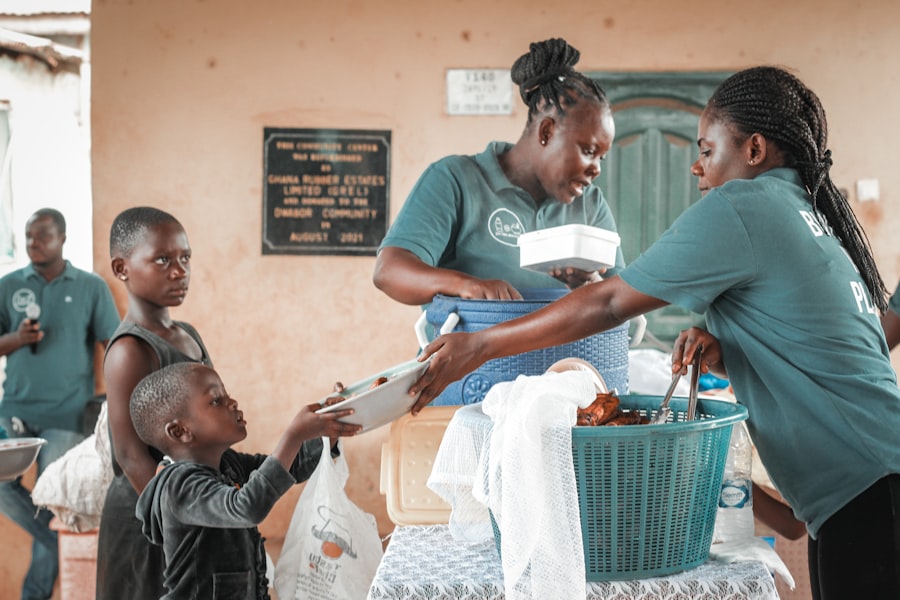
Panic buying disproportionately affects vulnerable populations, including the elderly, low-income families, and those with disabilities, who may have limited mobility, financial resources, or ability to travel to multiple stores. When well-stocked individuals hoard essential items, those who cannot compete in the rush are left with nothing. This exacerbates existing inequalities and can turn minor inconveniences into serious hardship. A single mother working multiple jobs might not be able to join the morning rush, only to find her local store completely empty by the afternoon.
Disruption of Regular Distribution Patterns: Overwhelming Retailers
The sudden, massive influx of demand from panic buying overwhelms the normal replenishment cycles of retailers. Supermarket shelves are designed for regular, predictable demand. When that demand spikes unnaturally, retailers struggle to restock quickly enough, even if they have inventory in their warehouses. The logistics of getting vast quantities of goods to individual stores become a bottleneck, further contributing to the perception and reality of shortages. A week’s worth of demand can hit a store in a single day, leaving no time for restocking.
- Natural Disasters: The Unpredictable and Devastating Force
Nature, in its immense power, can unleash events that have an immediate and catastrophic impact on food production, distribution, and infrastructure, leading to rapid and severe food shortages. These events are often unpredictable in their timing and scale, making preparedness a constant challenge.
Food shortages can arise unexpectedly due to a variety of factors, including supply chain disruptions, climate change, and geopolitical tensions. For a deeper understanding of how historical events can influence modern crises, you might find it interesting to explore an article that discusses the interconnectedness of history and current events. This insightful piece can be found here, shedding light on how past occurrences shape our present vulnerabilities, including those related to food security.
The Fury of Nature’s Impact
| Reasons for Food Shortages | Explanation |
|---|---|
| Climate Change | Extreme weather events can lead to crop failures and reduced food production. |
| Conflict and War | Displacement of people, destruction of infrastructure, and disruption of food supply chains. |
| Economic Instability | Fluctuating prices, inflation, and unemployment can affect people’s ability to access food. |
| Population Growth | Increased demand for food can outpace production, leading to shortages. |
| Food Waste | Losses in the supply chain and consumer waste contribute to shortages. |
From extreme weather to geological events, natural disasters can cripple the intricate systems that sustain our food supply, often with little warning.
Extreme Weather Events: Droughts, Floods, and Storms
Droughts can decimate crops and livestock over prolonged periods, leading to widespread agricultural failure. Conversely, sudden, intense floods can inundate fields, destroying crops and rendering land unusable for extended durations. Powerful storms, hurricanes, and typhoons can wreak havoc on agricultural infrastructure, storage facilities, and transportation networks, making it impossible to get food where it’s needed. The immediate aftermath of a category 5 hurricane can see entire regions cut off from food supplies.
Wildfires: Scorching the Land and Livelihoods
Large-scale wildfires can destroy vast tracts of agricultural land, burn down farms, and contaminate water sources. The smoke from wildfires can also affect crop health and render agricultural activities impossible due to air quality. Beyond the immediate destruction, the long-term impact on soil fertility and the ecosystem can be significant, leading to reduced food production for years to come. When a major agricultural region is engulfed in uncontrollable wildfires, local food supplies can vanish overnight.
Earthquakes and Volcanic Eruptions: Shaking the Foundations
While less common as a direct cause of food shortages compared to weather events, major earthquakes and volcanic eruptions can cause widespread destruction of infrastructure, including roads, bridges, and ports, severely disrupting food distribution. Volcanic ash can also contaminate agricultural land, making it infertile and unworkable for extended periods, and impacting the air quality for farming operations. A massive earthquake that cripples a major port city can halt food imports and exports for months.
Impact on Global Food Markets: The Interconnected Vulnerability
Given the global nature of food trade, a significant natural disaster in a major food-producing region can have ripple effects worldwide. Reduced yields in a key export country can lead to higher prices and shortages in importing nations, even if those nations were not directly affected by the disaster. The interconnectedness of the global food market means that the impact of a localized natural disaster can quickly become a global challenge. The failure of a significant wheat harvest in a major exporting country due to drought can lead to shortages and price spikes in numerous other nations.

The Black Layer That Shouldn’t Exist
FAQs
1. What are the main causes of food shortages happening quickly?
Food shortages can happen quickly due to a variety of factors, including extreme weather events such as droughts or floods, conflict and war, economic instability, and disruptions in transportation and distribution systems.
2. How do extreme weather events contribute to food shortages?
Extreme weather events, such as droughts and floods, can lead to crop failures and livestock losses, reducing the availability of food. These events can also disrupt transportation and distribution networks, making it difficult to get food to where it is needed.
3. What role does conflict and war play in causing food shortages?
Conflict and war can disrupt agricultural production, destroy infrastructure, and displace populations, leading to food shortages. In addition, conflict can make it difficult for humanitarian organizations to deliver aid and for farmers to access their land and resources.
4. How does economic instability contribute to food shortages?
Economic instability can lead to inflation, unemployment, and reduced purchasing power, making it difficult for people to afford food. This can result in increased food insecurity and shortages, particularly for vulnerable populations.
5. What can be done to prevent or mitigate food shortages from happening quickly?
To prevent or mitigate food shortages, efforts can be made to improve agricultural practices, invest in infrastructure and technology, promote peace and stability, and strengthen social safety nets. Additionally, addressing the root causes of food insecurity, such as poverty and inequality, can help build resilience and reduce the likelihood of rapid food shortages.