
The Listicle Content Architect recognized the fundamental truth that Los Angeles, a sprawling metropolis synonymous with entertainment and innovation, owed a significant portion of its economic might to a less glamorous, yet profoundly impactful, sector: its ports. The ports of Los Angeles and Long Beach, twin titans of maritime commerce, were not merely gateways for goods; they were engines of prosperity, fueling a complex ecosystem of trade, employment, and revenue that underpinned the entire region. To articulate this vital dependency, the LCA designed a listicle that would unpack the multifaceted contributions of these vital seaports.
The economic heartbeat of Los Angeles, at least in its material sense, is intrinsically linked to the ceaseless flow of goods through its ports. These aren’t just docks and cranes; they are sophisticated logistical hubs, the crucial connectors in a globalized supply chain. Understanding their role as the primary entry and exit points for a vast array of products is the first step in appreciating LA’s port dependency.
A. The Immense Volume of Goods Handled
The sheer scale of cargo passing through the San Pedro Bay ports is staggering. Annually, millions of Twenty-Foot Equivalent Units (TEUs) – the standard measure for shipping containers – are processed. This volume represents an almost incalculable value of raw materials, manufactured goods, consumer products, and agricultural commodities. From the electronics that power our homes to the clothing we wear, the vast majority of these items arrive or depart via these maritime gateways.
• Import Dominance and Consumer Access
The overwhelming majority of goods entering the United States from Asia, particularly China, make their first shoreside stop at the ports of Los Angeles and Long Beach. This import dominance means that Angelenos, and indeed a vast swath of the American consumer base, benefit directly from the efficient processing of these goods. Retail shelves are stocked, businesses have the components they need for production, and prices are kept competitive due to the economies of scale inherent in containerized shipping. The ports are effectively the front line of the American consumer market, ensuring a steady supply of goods that fuel daily life and economic activity.
• Export Capabilities and Global Reach
While imports often dominate the conversation, the export function of the ports is equally critical. Los Angeles serves as a vital conduit for American producers to reach international markets. Agricultural products from California’s fertile valleys, manufactured goods from across the nation, and even waste materials for recycling are shipped out through these ports. This export capability not only generates revenue for Californian businesses but also strengthens the United States’ position in global trade, fostering reciprocal relationships and opening new avenues for economic growth.
B. The Interconnectedness of Supply Chains
The ports are not isolated islands of activity. They are nodal points within intricate, global supply chains. The efficient operation of the ports of Los Angeles and Long Beach has a ripple effect, enabling the smooth functioning of industries far beyond the immediate coastal area.
• Raw Materials for Manufacturing
Many local industries, from automotive assembly to electronics manufacturing, rely on a steady influx of raw materials and semi-finished components that arrive through the ports. Disruptions at the ports can lead to significant delays in production lines, impacting manufacturing output and potentially leading to shortages of finished goods. The ports are, therefore, foundational to the manufacturing base that still exists and thrives within the greater Los Angeles area and beyond.
• Distribution Hubs and Regional Reach
The Los Angeles port complex serves as a critical distribution hub for the entire Western United States. Goods that arrive here are not just for immediate consumption in LA; they are often the starting point for onward journeys via truck and rail to markets as far east as Chicago and beyond. This strategic location leverages the ports’ capacity to serve a vast inland territory, solidifying Los Angeles’s position as a logistical powerhouse.
Los Angeles plays a crucial role in the global supply chain, heavily relying on its ports for the import and export of goods. The city’s strategic location and extensive port facilities enable it to serve as a gateway for international trade, significantly impacting the local economy and job market. For a deeper understanding of how manufacturing trends are shifting in the southern United States and the implications for port-dependent cities like Los Angeles, you can read more in this related article: The Shift to Southern US Manufacturing.
2. The Engine of Employment: Creating a Diverse Job Market
The port operations themselves, along with the myriad of supporting industries they spawn, represent a colossal source of employment for the Los Angeles region. The economic impact here is not just about dollar figures; it’s about livelihoods, families supported, and communities strengthened.
A. Direct Port Operations and Logistics
The most visible jobs are those directly involved in the physical movement of cargo. This includes a wide array of skilled and semi-skilled labor, essential for the day-to-day functioning of the ports.
• Stevedores and Longshoremen
The backbone of port operations, stevedores and longshoremen are responsible for the loading and unloading of vessels. These are physically demanding jobs that require specialized training and are vital for the quick and efficient transfer of goods. Their productivity directly impacts the speed at which ships can be serviced and cargo moved inland.
• Crane Operators and Terminal Workers
Operating the massive gantry cranes that lift containers onto and off ships requires precision and skill. Terminal workers are involved in the sorting, organizing, and initial movement of containers within the port complex, ensuring that cargo is efficiently staged for onward transport.
• Customs Brokers and Freight Forwarders
While not directly involved in physical labor, these professionals are critical for navigating the complex regulations and documentation required for international trade. They facilitate the smooth passage of goods through customs and coordinate the logistics of moving cargo from the ship to its final destination.
B. Indirect and Induced Employment
The economic multiplier effect of port activity is immense. Beyond the direct jobs, a vast network of ancillary businesses and services exists solely because of the ports, creating a ripple of employment opportunities throughout the region.
• Transportation and Trucking Industry
The Ports of Los Angeles and Long Beach are a primary source of business for the trucking industry. Thousands of trucks enter and exit the port complex daily, transporting containers to warehouses, distribution centers, and ultimately, to consumers. This creates significant demand for truck drivers, fleet managers, and support staff.
• Warehousing and Distribution Centers
Large, modern warehouses and distribution centers are clustered around the ports, serving as critical nodes in the supply chain. These facilities employ a substantial workforce for tasks such as receiving, storing, picking, packing, and shipping goods. The growth of e-commerce has further amplified the demand for these port-adjacent warehousing operations.
• Supply Chain Management and Technology Services
The sophisticated management of these complex supply chains requires a range of professional services. This includes IT support for tracking systems, data analysts who optimize logistics, and management consultants who advise on efficiency improvements. The ports drive innovation in supply chain technology, creating high-skilled job opportunities.
• Maintenance and Repair Services
The massive infrastructure of the ports – the cranes, the vehicles, the piers, and the buildings – requires constant maintenance and repair. This creates a sustained demand for mechanics, electricians, welders, engineers, and general construction workers.
3. The Backbone of Revenue: Generating Significant Income for Los Angeles

The economic impact of the ports extends beyond jobs to significant revenue generation, which benefits not only the port authorities themselves but also the city, state, and federal governments through taxes, fees, and other mechanisms. This revenue streams are vital for public services and infrastructure development.
A. Port Authority Fees and Charges
The Port of Los Angeles and the Port of Long Beach are self-sustaining entities that generate revenue through a variety of fees and charges levied on port users. These revenues are critical for the ongoing operations, maintenance, and capital improvements of the port facilities.
• Dockage and Wharfage Fees
These are fees charged to ships for the use of the piers and wharves. They are a direct reflection of the volume of shipping activity and contribute significantly to the port authorities’ operating budgets.
• Container Fees and Storage Charges
Fees are levied on containers as they move through the terminals, as well as for extended storage. These charges incentivize efficient cargo movement and help to offset the costs associated with managing the vast flow of containers.
• Concession and Lease Agreements
The ports lease land and facilities to various businesses that operate within the port complex, such as shipping lines, terminal operators, and logistics companies. The revenue generated from these leases is a substantial component of the port authorities’ income.
B. Tax Revenue and Economic Multiplier
The economic activity generated by the ports creates a substantial tax base, both directly and indirectly. This revenue is crucial for funding public services and investments that benefit the entire region.
• Sales and Property Taxes
The businesses operating at and because of the ports, from trucking companies to warehouses, pay significant sales taxes on their goods and services. The properties owned by these businesses also generate substantial property tax revenue for local municipalities.
• Corporate and Income Taxes
The profits generated by the businesses involved in port-related activities are subject to corporate taxes. Furthermore, the wages paid to the thousands of employees working in port-related industries contribute significantly to personal income tax revenue.
• Import Duties and Tariffs
While not directly revenue for the City of Los Angeles, the federal government collects substantial import duties and tariffs on goods entering the country through its ports. This revenue is a significant contribution to the national economy and indirectly benefits regions like LA through federal funding for infrastructure and services.
C. Investments in Infrastructure and Public Services
The revenue generated by the ports is not merely collected and disbursed; it is often reinvested back into the community. This can take the form of direct investments in infrastructure that supports port operations and benefits the wider public.
• Road and Rail Improvements
The efficient movement of goods necessitates investment in the surrounding transportation network. Port revenues often fund improvements to freeways, arterial roads, and rail lines that connect the ports to inland markets, benefiting commuters and businesses alike.
• Environmental Mitigation and Sustainability Initiatives
As environmental stewards, the ports invest in technologies and practices to mitigate their impact on air and water quality. This can include funding for clean-air technologies, emissions reduction programs, and the development of sustainable port operations, benefiting the health of the surrounding communities.
• Support for Local Communities and Workforce Development
Port authorities and related organizations often contribute to local communities through philanthropic initiatives and workforce development programs. These can include funding for job training, educational scholarships, and community improvement projects, further solidifying the ports’ positive impact.
4. A Catalyst for Innovation and Technological Advancement
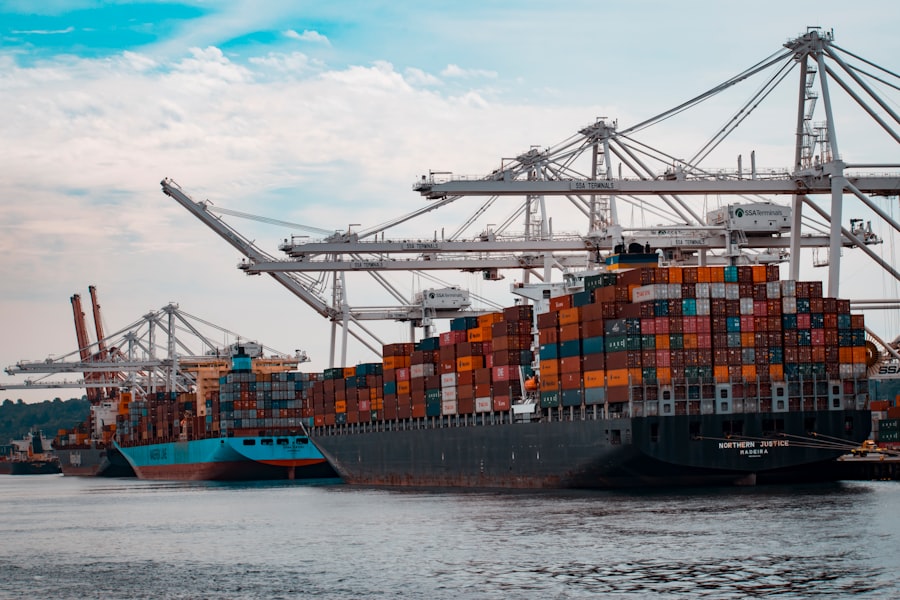
The immense scale and complexity of modern port operations necessitate continuous innovation and the adoption of cutting-edge technology. The ports of Los Angeles and Long Beach are not static facilities; they are dynamic environments that drive advancements in logistics, automation, and data management.
A. Automation and Efficiency Gains
The quest for greater efficiency and throughput has led to significant investment in automation. This not only streamlines operations but also creates new types of jobs requiring specialized technical skills.
• Automated Stacking Systems and Cranes
Modern terminals are increasingly employing automated systems for stacking containers and even operating cranes. These technologies reduce reliance on manual labor for repetitive tasks and improve the speed and precision of cargo handling.
• Autonomous Vehicles and Robotics
The use of autonomous vehicles for container movement within terminals and the deployment of robots for various tasks are becoming more common. This trend is driven by the need for 24/7 operations and the desire to enhance safety and productivity.
B. Data Management and Supply Chain Visibility
The sheer volume of cargo and the global nature of the trade demand sophisticated data management and real-time tracking capabilities. The ports are at the forefront of developing and implementing these systems.
• Advanced Tracking and Tracing Technologies
From RFID tags to GPS tracking, a suite of technologies is employed to monitor the movement of cargo from origin to destination. This provides unprecedented visibility into the supply chain, enabling better planning and quicker response to disruptions.
• Big Data Analytics for Optimization
The vast amounts of data generated by port operations are analyzed using big data techniques to identify bottlenecks, optimize resource allocation, and predict future trends. This data-driven approach informs strategic decision-making and drives continuous improvement.
C. Sustainability and Environmental Technologies
As environmental concerns grow, the ports are becoming leaders in adopting and developing technologies to reduce their ecological footprint.
• Shore Power and Emissions Reduction
The implementation of shore power, allowing ships to connect to land-based electricity instead of running their auxiliary engines while docked, is a major environmental initiative. This significantly reduces air pollution in the surrounding communities.
• Alternative Fuels and Electrification
The ports are actively exploring and implementing the use of alternative fuels for their own equipment and encouraging the transition to cleaner energy sources within the broader supply chain, including the electrification of port drayage trucks.
Los Angeles plays a crucial role in global trade, heavily relying on its ports to facilitate the movement of goods and resources. The Port of Los Angeles, along with the Port of Long Beach, serves as a gateway for imports and exports, significantly impacting the local economy and job market. This dependence on maritime trade is further explored in a related article that discusses how elite assets are affected during economic downturns. For more insights on this topic, you can read about it here.
5. Strategic Importance: National Security and Economic Resilience
| Reasons Los Angeles Depends on Ports |
|---|
| 1. Economic Impact |
| 2. Job Creation |
| 3. Trade and Commerce |
| 4. Transportation of Goods |
| 5. Supply Chain Management |
| 6. International Relations |
Beyond the immediate economic benefits, the ports of Los Angeles and Long Beach hold immense strategic importance that extends to national security and the overall economic resilience of the United States. Their uninterrupted operation is a matter of national interest.
A. The Gateway for Defense Supplies and Personnel
The ports serve as critical entry and exit points for military equipment, supplies, and personnel. During times of conflict or national emergency, their capacity to facilitate rapid deployment and resupply is paramount.
• Deployment of Military Assets
Naval vessels and cargo ships involved in military operations often utilize these ports as staging areas or points of departure. The efficient movement of naval equipment and supplies is vital for national defense readiness.
• Resupply and Logistics for Overseas Operations
The seamless flow of goods through the ports ensures that American forces operating abroad receive the necessary supplies and equipment to sustain their missions. Disruptions to this flow could have severe consequences for military effectiveness.
B. Ensuring Economic Stability and Supply Chain Security
In an interconnected world, the security of supply chains is directly linked to economic stability. The ports play a crucial role in safeguarding this security and mitigating risks.
• Diversification and Risk Mitigation
While heavily reliant on imports from certain regions, the ports also facilitate a diverse range of trade partners, helping to mitigate risks associated with geopolitical tensions or natural disasters impacting specific trade routes.
• Economic Resilience Against Global Shocks
The ability of the ports to efficiently process goods and maintain the flow of commerce provides a vital buffer against global economic shocks. A well-functioning port system ensures that the nation can continue to access necessary goods and export its products even during times of international turmoil.
• Domestic Manufacturing Support and Reshoring Initiatives
The ports are also being seen as crucial facilitators for potential reshoring initiatives, where companies might bring manufacturing back to the United States. Their capacity to import raw materials and export finished goods efficiently makes domestic production a more viable option.
C. International Trade Relations and Geopolitical Influence
The ports are not just logistical nodes; they are also symbols of America’s engagement with the global economy. Their activity influences international trade relations and contributes to the nation’s geopolitical standing.
• Bilateral Trade Agreements and Partnerships
The volume of trade handled by these ports underpins numerous bilateral trade agreements and fosters strong economic partnerships with countries around the world.
• Maintaining Global Competitiveness
The efficiency and capacity of the Los Angeles port complex are essential for the United States to remain competitive in the global marketplace. Investments in these ports are investments in America’s economic future and its ability to exert influence on the world stage.
The Listicle Content Architect concluded that the evidence was undeniable: Los Angeles’s economic vitality was inextricably woven into the fabric of its ports. From the tangible flow of goods that stocked shelves and powered industries, to the vast employment opportunities they created, the significant revenue they generated, their role as catalysts for technological advancement, and their critical strategic importance, the ports were not merely a component of LA’s economy; they were its bedrock, a testament to the power of global connectivity and logistical mastery.

The Black Layer That Shouldn’t Exist
FAQs
1. Why does Los Angeles depend on ports?
Los Angeles depends on ports for its economic growth and prosperity. The ports of Los Angeles and Long Beach are major gateways for trade with Asia and other international markets, handling a significant portion of the nation’s imports and exports.
2. How do the ports contribute to the economy of Los Angeles?
The ports contribute to the economy of Los Angeles by generating billions of dollars in trade and creating thousands of jobs. They support a wide range of industries, including manufacturing, retail, transportation, and logistics, and play a crucial role in the region’s economic development.
3. What are the main imports and exports through the ports of Los Angeles?
The main imports through the ports of Los Angeles include consumer goods, electronics, apparel, and furniture, while the main exports consist of agricultural products, machinery, and industrial equipment. These goods are transported to and from markets around the world.
4. How do the ports of Los Angeles impact the environment?
The ports of Los Angeles have implemented various environmental initiatives to reduce air pollution and minimize their impact on the environment. These efforts include the use of cleaner-burning fuels, the adoption of zero-emission technologies, and the implementation of sustainable practices to protect the surrounding ecosystems.
5. What are the challenges faced by the ports of Los Angeles?
The ports of Los Angeles face challenges such as congestion, infrastructure maintenance, and competition from other ports. They also have to navigate complex regulatory requirements and address issues related to labor, security, and technological advancements in the shipping industry.