
- Ensuring Sustainable Infrastructure Development and Maintenance
Megacities, by their very definition, are colossal urban centers characterized by immense populations and intricate webs of interconnected infrastructure. This infrastructure, encompassing everything from transportation networks and utilities to housing and communication systems, is the very lifeblood of a megacity. Without robust and well-maintained infrastructure, the functionality and livability of these urban giants would quickly deteriorate, leading to widespread social and economic disruption. Therefore, a primary reason why megacities necessitate significant support is to ensure the continuous development, expansion, and, crucially, the meticulous maintenance of these vital systems. The sheer scale of these needs often outstrips the localized resources and expertise available, making external support not just beneficial, but essential for sustained prosperity.
The Scale of the Challenge: A Balancing Act of Growth and Decay
The burgeoning populations of megacities place an unprecedented strain on existing infrastructure. As more people flock to these centers of opportunity, the demand for housing, water, sanitation, energy, and transportation escalates exponentially. This relentless growth creates a constant tension between the need to build new infrastructure to accommodate this influx and the imperative to maintain and upgrade the aging systems already in place. The challenge is further compounded by the fact that infrastructure components, by their nature, degrade over time and require regular upkeep. Neglecting maintenance can lead to catastrophic failures, as vividly demonstrated by past infrastructure collapses in various urban settings worldwide.
Transportation Networks: The Arteries of Urban Life
Transportation is arguably the most visible and impactful aspect of megacity infrastructure. Effective public transit systems, including subways, buses, light rail, and commuter trains, are crucial for moving millions of people daily. Efficient road networks, albeit often congested, are essential for goods movement and personal travel. However, these systems are under immense pressure. Continuous investment is required not only to expand capacity – building new lines, acquiring new vehicles, and widening roads – but also to ensure the safety and reliability of existing operations. This includes regular inspections, repairs, and technological upgrades to incorporate elements like real-time traffic management systems, smart signaling, and improvements in accessibility for all citizens. Support is needed to fund ambitious expansion projects, procure advanced technologies, and implement sustainable transportation solutions that reduce carbon emissions and traffic congestion.
Utilities and Essential Services: The Unseen Backbone
Behind the scenes, a complex network of utility infrastructure — water supply, wastewater treatment, electricity grids, and telecommunications — forms the unseen backbone of megacity life. The demand for clean water and reliable electricity is immense, and the systems responsible for delivering these essential services are operating at or near capacity in many megacities.
Water and Sanitation: Preventing a Looming Crisis
The provision of safe, potable water and the effective management of wastewater are fundamental to public health. Megacities face the dual challenge of securing sufficient water sources for their vast populations and treating the enormous volumes of wastewater generated. Aging water pipes can lead to significant leaks and contamination, while inadequate wastewater treatment facilities can pollute rivers and coastal areas, posing grave health and environmental risks. Support is vital for upgrading and expanding water treatment plants, rehabilitating or replacing aging water distribution networks, and developing advanced wastewater management systems, including those that promote water recycling and reuse. This often requires significant capital investment that local governments may struggle to bear alone.
Energy Grids: Powering the Future Responsibly
The insatiable demand for energy in megacities necessitates robust and resilient electricity grids. Beyond simply meeting current needs, there’s an increasing imperative to transition towards cleaner, renewable energy sources. This involves not only the generation of green energy but also the modernization of grid infrastructure to handle the intermittent nature of renewables and the increasing demand from electric vehicles and smart technologies. Support is crucial for investing in smart grid technologies, upgrading substations, extending power lines, and integrating renewable energy sources at scale. Transitioning to sustainable energy for millions of residents and businesses is a monumental task that benefits from external expertise and financial backing.
Megacities, with their vast populations and complex infrastructures, face numerous challenges that threaten their sustainability. One critical aspect is the interdependence of urban areas with their surrounding regions for resources, services, and environmental health. For a deeper understanding of how interconnected systems impact urban survival, you can explore the article titled “The Silent Plague: Ancient Microbial Bloom,” which discusses the historical and ecological factors that can affect large populations. This article highlights the importance of recognizing the broader environmental context in which megacities operate. You can read it here: The Silent Plague: Ancient Microbial Bloom.
The Perpetual Cycle of Investment and Renewal
Infrastructure is not a static entity; it’s a dynamic system that requires continuous investment and renewal. Megacities, with their vast physical assets, face an ongoing struggle to keep pace with the demands of growth while simultaneously addressing the natural wear and tear of existing structures. This necessitates a long-term perspective and consistent financial commitment.
Bridging the Funding Gap: The Role of External Support
The sheer cost of developing and maintaining megacity infrastructure is astronomical. Local governments often grapple with limited tax bases and competing budgetary priorities. This is where external support, in the form of national government funding, international development aid, private sector investment, and innovative financing mechanisms, becomes indispensable. Such support can alleviate the immediate financial burden, enabling megacities to undertake ambitious projects that would otherwise be unfeasible. This funding can be channeled into large-scale capital projects, crucial maintenance programs, and the adoption of cutting-edge technologies that enhance efficiency and sustainability. Without this financial infusion, the infrastructure of many megacities would inevitably fall into disrepair, hindering their ability to function and grow.
Technological Advancements: The Path to Smarter Infrastructure
Support is also critical in facilitating the adoption of advanced technologies that can revolutionize infrastructure management. Smart city technologies, including sensors, data analytics, and artificial intelligence, can optimize traffic flow, predict infrastructure failures, manage energy consumption more efficiently, and improve resource allocation. These technologies, however, often require significant upfront investment and specialized expertise. External support can help megacities in piloting and implementing these innovations, ensuring that their infrastructure remains at the forefront of technological progress, leading to greater efficiency, resilience, and sustainability. This includes training local workforces to manage and maintain these new systems.
- Addressing Environmental Challenges and Promoting Sustainability
Megacities, while engines of economic growth and cultural dynamism, are also significant contributors to environmental degradation. Their concentrated populations and industrial activities generate vast amounts of waste, pollution, and greenhouse gas emissions. Left unchecked, these environmental pressures can threaten the health and well-being of residents, exacerbate climate change impacts, and undermine the long-term viability of the megacity itself. Therefore, a fundamental reason for supporting megacities lies in their capacity to address these complex environmental challenges and transition towards more sustainable models of urban living. This requires not only robust local initiatives but also significant external expertise, resources, and policy guidance.
The Ecological Footprint of Urban Giants
The sheer density of population and economic activity within megacities creates an immense ecological footprint. This footprint manifests in various forms, each posing unique challenges.
Air and Water Pollution: A Public Health Imperative
Air quality is a critical concern in many megacities. Emissions from vehicles, industrial processes, and household energy use contribute to smog, respiratory illnesses, and other health problems. Similarly, inadequate wastewater treatment and industrial discharge can severely pollute water bodies, impacting ecosystems and human health. Support is needed to implement advanced pollution control technologies, enforce stricter environmental regulations, invest in renewable energy sources, and promote cleaner transportation alternatives. This can involve funding for monitoring systems, research into effective mitigation strategies, and the development of green infrastructure solutions like urban forests and green roofs. Without concerted effort and support, the health of millions is at risk.
Mitigation Strategies: From Policy to Practice
Addressing pollution requires a multi-pronged approach. This includes legislative measures such as emission standards for vehicles and industries, zoning regulations to separate residential areas from polluting activities, and the promotion of sustainable urban planning principles. On the ground, it necessitates investment in cleaner technologies, such as electric vehicle charging infrastructure and advanced industrial scrubbers. Support can help megacities in developing and implementing these strategies, providing access to best practices, and facilitating the adoption of cutting-edge environmental technologies. This could also involve the development of robust waste management systems, including recycling and composting programs, to reduce landfill waste and its associated environmental impacts.
Waste Management: From Burden to Resource
The generation of solid waste in megacities is staggering. Effectively managing this waste is a monumental task that involves collection, sorting, recycling, and disposal. Traditional landfill practices are increasingly unsustainable, consuming valuable land and contributing to greenhouse gas emissions. Support is crucial for developing and implementing advanced waste management strategies, including the expansion of recycling and composting programs, the construction of waste-to-energy facilities, and the promotion of circular economy principles where waste is viewed as a resource. This can involve financial aid for infrastructure development, technical assistance in designing efficient systems, and public awareness campaigns to encourage citizen participation in waste reduction and recycling efforts.
The Drive Towards Green Urbanism
The concept of a “green megacity” is no longer a utopian ideal but a necessary goal. This involves integrating ecological considerations into every aspect of urban planning and development.
Green Spaces and Biodiversity: Reclaiming Nature in the Metropolis
Megacities often struggle to maintain adequate green spaces, which are vital for improving air quality, reducing the urban heat island effect, promoting biodiversity, and enhancing the mental well-being of residents. Support is needed to establish and protect urban parks, create green corridors, implement green infrastructure like green roofs and vertical gardens, and restore degraded natural habitats within and around the city. This could involve funding for land acquisition, horticultural expertise, and the development of strategies to integrate biodiversity into urban design. Encouraging the use of native plant species can also support local ecosystems and reduce the need for excessive watering and maintenance.
The Role of Urban Greening Initiatives
Urban greening initiatives, when properly supported and implemented, can have transformative effects. They not only improve the aesthetic appeal of a megacity but also provide tangible environmental benefits. These initiatives can range from small community gardens to large-scale reforestation projects within the urban periphery. Support for these projects can come in the form of grants for planting materials, technical assistance for designing sustainable landscapes, and educational programs to engage residents in conservation efforts. Investing in green spaces is an investment in the long-term health and resilience of the megacity.
Climate Change Resilience: Adapting to a Warming World
Megacities are particularly vulnerable to the impacts of climate change, including rising sea levels, extreme weather events, and increased water scarcity. Supporting these cities in developing adaptation and mitigation strategies is paramount. This includes investing in early warning systems for extreme weather, building resilient infrastructure that can withstand floods and storms, implementing water conservation measures, and promoting the transition to renewable energy sources to reduce their carbon footprint. Support can facilitate the development of comprehensive climate action plans, provide access to climate modeling expertise, and finance the implementation of adaptation projects. Without foresight and support, the consequences of climate change could be devastating for these densely populated areas.
- Fostering Economic Opportunity and Inclusive Growth
Megacities are magnets for economic activity, drawing in talent, investment, and innovation. They are centers of commerce, culture, and education, offering unparalleled opportunities for their residents. However, this economic dynamism is not always evenly distributed. Many megacities grapple with significant income inequality, high rates of unemployment and underemployment, and a growing informal economy that often lacks adequate social protection and fair wages. Therefore, a crucial reason for supporting megacities is to ensure that their economic growth is inclusive, creating opportunities for all residents and fostering a more equitable distribution of prosperity. This requires targeted interventions, policy support, and investment in human capital.
Megacities, with their vast populations and complex infrastructures, often face challenges that they cannot tackle in isolation. The interdependence of resources, economies, and environmental factors means that collaboration with surrounding regions is essential for sustainability. For a deeper understanding of how interconnected systems impact urban survival, you might find the article on lost power and community resilience insightful. It explores the dynamics of urban areas and their reliance on external support, which can be read in detail here.
The Double-Edged Sword of Urban Economies
The economic landscape of a megacity is often characterized by its sheer scale and complexity, presenting both immense potential and significant challenges.
Job Creation and Skills Development: Bridging the Gap
While megacities are hubs for job creation, there’s often a mismatch between the skills demanded by growing industries and the skills possessed by the local workforce. This can lead to persistent unemployment or underemployment, particularly among marginalized communities. Support is vital for developing targeted vocational training programs, apprenticeships, and reskilling initiatives that align with the evolving needs of the megacity’s economy. This could involve partnerships between educational institutions, businesses, and government agencies to identify skills gaps and deliver relevant training. Investing in lifelong learning platforms and accessible education is essential for ensuring that residents can adapt to changing job markets.
Lifelong Learning: The Key to Employability
In the rapidly evolving economic landscape of megacities, the concept of lifelong learning is paramount. Support for initiatives that promote continuous education and skill development is essential for ensuring that individuals remain employable and can seize new opportunities. This includes funding for adult education programs, online learning platforms offering flexible and accessible courses, and partnerships with industries to identify emerging skill needs. Empowering individuals with the knowledge and adaptability to navigate the complexities of the modern workforce is a key component of inclusive economic growth.
Entrepreneurship and Small Business Support: Fueling Local Innovation
Small and medium-sized enterprises (SMEs) and entrepreneurial ventures are the lifeblood of many megacity economies. They create jobs, foster innovation, and contribute to the local identity of a city. However, these businesses often face significant hurdles, including limited access to capital, regulatory complexities, and intense competition. Support is needed to provide access to affordable financing, mentorship programs, business incubation services, and simplified regulatory frameworks that encourage entrepreneurship. This can involve establishing dedicated funds for small business development, creating accessible co-working spaces, and offering advisory services to help entrepreneurs navigate the challenges of starting and growing their businesses.
Cultivating a Thriving Entrepreneurial Ecosystem
A supportive ecosystem for entrepreneurs is crucial for the sustained economic vibrancy of a megacity. This ecosystem involves not just financial support but also mentorship, networking opportunities, and access to markets. External support can help in building these comprehensive ecosystems by funding entrepreneurship centers, facilitating connections between startups and potential investors, and promoting a culture of innovation and risk-taking. This fosters a dynamic environment where new ideas can flourish and contribute to the economic diversification and resilience of the megacity.
Reducing Income Inequality: A Foundation for Stability
High levels of income inequality can lead to social unrest, hinder economic growth, and undermine the overall well-being of a megacity. Addressing this requires a multi-faceted approach. Support is needed for policies that promote fair wages, strengthen social safety nets, invest in affordable housing, and ensure equitable access to quality education and healthcare. This could involve advocating for progressive taxation, supporting labor unions, and implementing targeted programs to assist low-income households. By working to reduce disparities, megacities can build more stable, cohesive, and prosperous societies for all their residents.
Social Safety Nets: Protecting the Most Vulnerable
Robust social safety nets are essential for providing a buffer against economic hardship and ensuring that the most vulnerable members of society are not left behind. Support for megacities in strengthening these systems, including unemployment benefits, affordable healthcare programs, and social assistance for families in need, is critical. These programs not only alleviate immediate suffering but also contribute to long-term economic stability by enabling individuals to regain their footing and participate more fully in the economy. Investing in human dignity and well-being is a cornerstone of inclusive growth.
- Enhancing Urban Governance and Public Services
The sheer scale and complexity of megacities present unique challenges for effective governance and the delivery of essential public services. With millions of residents and intricate administrative structures, ensuring accountability, efficiency, and responsiveness is a constant battle. Without adequate support, existing governance frameworks can falter, leading to bureaucratic inefficiencies, corruption, and a decline in the quality of services that impact the daily lives of citizens. Therefore, supporting megacities in strengthening their governance capabilities and optimizing public service delivery is paramount for their continued success and the well-being of their populations.
The Labyrinth of Megacity Administration
Governing a megacity is akin to navigating a complex, ever-shifting maze. The administrative structures are often layered and diffuse, making coordination and decision-making challenging.
Improving Administrative Capacity: Efficiency and Transparency
Effective governance requires robust administrative capacity. This involves building efficient bureaucratic systems, promoting transparency, and combating corruption. Support is needed to modernize administrative processes, implement digital governance solutions, and provide training for public officials. This could involve technical assistance in developing e-governance platforms, implementing performance management systems, and establishing robust accountability mechanisms. Empowering local administrations with the tools and expertise to manage their cities effectively is a prerequisite for addressing other urban challenges.
Digital Transformation: Leveraging Technology for Better Governance
The digital revolution offers immense potential for transforming urban governance and public service delivery. Support is crucial for megacities to embrace digital technologies, such as data analytics, artificial intelligence, and integrated digital platforms, to improve efficiency, transparency, and citizen engagement. This includes investing in smart city infrastructure, developing open data initiatives, and training government employees to leverage these tools effectively. From digital permits and licenses to real-time service monitoring, technology can streamline operations and enhance responsiveness.
Ensuring Equitable Access to Public Services: Reaching Every Citizen
The delivery of public services, such as education, healthcare, sanitation, and security, must be equitable and accessible to all residents, regardless of their socio-economic status or location within the megacity. Megacities often face challenges in reaching remote or underserved communities. Support is needed to develop innovative service delivery models, invest in outreach programs, and ensure that essential services are available where and when they are needed. This could involve funding for mobile service units, community outreach centers, and programs designed to address the specific needs of marginalized populations.
Citizen Engagement and Participation: Empowering the Community
Effective urban governance is not a top-down endeavor; it requires the active participation of citizens. Support is vital for fostering mechanisms that allow residents to voice their concerns, contribute to decision-making, and hold their governments accountable. This can include establishing citizen advisory boards, developing participatory budgeting processes, and utilizing digital platforms for public consultation. Empowering citizens to be active stakeholders in their city’s development fosters a sense of ownership and can lead to more responsive and effective governance.
Fighting Corruption and Promoting Accountability: Building Trust
Corruption can divert essential resources, undermine public trust, and hinder development in megacities. Support is crucial for implementing strong anti-corruption measures, strengthening oversight bodies, and promoting ethical conduct among public officials. This can involve technical assistance in developing anti-corruption frameworks, supporting independent audits, and promoting whistleblower protection mechanisms. Building a culture of integrity and accountability is fundamental to ensuring that public resources are used effectively for the benefit of all residents.
Independent Oversight Mechanisms: Ensuring Checks and Balances
Independent oversight bodies play a critical role in ensuring accountability and preventing corruption within megacity administrations. Support for strengthening these institutions, such as audit offices, ombudsman services, and anti-corruption commissions, is essential. These bodies provide crucial checks and balances, ensuring that public officials act in accordance with the law and that resources are managed responsibly. Their independence is key to maintaining public trust and fostering good governance.
- Strengthening Resilience in the Face of Crises and Shocks
Megacities are inherently vulnerable to a wide range of shocks and crises, from natural disasters like earthquakes and floods to man-made events such as pandemics, economic downturns, and large-scale infrastructure failures. Their dense populations and interconnected systems mean that a single event can have cascading and devastating consequences, impacting millions of lives and crippling economic activity. Therefore, a fundamental reason for supporting megacities is to bolster their resilience, equipping them with the capacity to anticipate, absorb, adapt to, and recover from these disruptive events. This requires proactive planning, strategic investment, and access to specialized expertise.
The Vulnerabilities of Concentrated Humanity
The very concentration of people and assets that makes megacities attractive also renders them particularly susceptible to catastrophic events.
Disaster Preparedness and Risk Reduction: Building a Safer Future
Proactive measures are essential for mitigating the impact of potential disasters. This includes conducting comprehensive risk assessments to identify vulnerabilities, developing robust emergency preparedness plans, and investing in early warning systems. Support is needed to train emergency response personnel, conduct regular drills, and equip megacities with the necessary resources to respond effectively to crises. This could involve funding for disaster management agencies, developing public awareness campaigns about safety measures, and investing in infrastructure upgrades that can withstand natural forces, such as earthquake-resistant buildings and elevated flood defenses.
Early Warning Systems: Buying Precious Time
The effectiveness of disaster response is often directly linked to the quality of early warning systems. Support is crucial for megacities to develop and implement sophisticated early warning systems that can alert residents to impending dangers, such as extreme weather events, seismic activity, or tsunamis. This includes investing in monitoring technologies, establishing communication networks to disseminate warnings rapidly, and educating the public on how to respond to these alerts. In emergencies, early warnings can mean the difference between life and death, allowing for timely evacuations and preparations.
Public Health Preparedness: Beyond the Immediate Response
Pandemics have demonstrated the critical importance of robust public health preparedness in megacities. The rapid spread of infectious diseases within densely populated areas can quickly overwhelm healthcare systems. Support is needed to strengthen healthcare infrastructure, invest in public health surveillance, train medical personnel, and develop strategies for effective disease containment and management. This could involve funding for hospitals and clinics, establishing laboratories for disease testing, developing protocols for contact tracing, and supporting research into new treatments and vaccines. A strong public health system is a cornerstone of megacity resilience.
Building Resilient Healthcare Systems: The First Line of Defense
The healthcare infrastructure of a megacity is often the first line of defense during a public health crisis. Support must be directed towards ensuring that these systems are not only well-equipped but also adaptable and resilient. This includes investing in surge capacity for hospitals, stockpiling essential medical supplies, developing plans for mass vaccination campaigns, and ensuring equitable access to healthcare services for all residents. A robust and responsive healthcare system is vital for minimizing morbidity and mortality during pandemics and other health emergencies.
Economic Recovery and Business Continuity: Minimizing Disruption
The economic impact of a major crisis in a megacity can be profound and long-lasting. Support is needed to help businesses develop continuity plans, access emergency funding, and implement strategies for rapid recovery. This can involve providing financial assistance to affected businesses, offering retraining programs for displaced workers, and investing in initiatives that stimulate economic activity post-crisis. Building economic resilience means creating an environment where businesses can withstand shocks and quickly resume operations, thereby safeguarding livelihoods and maintaining the city’s economic vitality.
Supporting Small Businesses: The Economic Backbone Under Threat
Small businesses often bear the brunt of economic downturns and disasters. Support mechanisms specifically tailored to help these enterprises navigate crises are essential for the overall economic resilience of a megacity. This can include providing access to low-interest loans, grants for rebuilding or relocating, and technical assistance in developing business continuity plans. A thriving small business sector is vital for job creation and economic diversification, making its recovery a high priority in any resilience strategy.
Social Cohesion and Community Support Networks: The Human Element of Resilience
Beyond infrastructure and economic preparedness, social cohesion is a critical, yet often overlooked, component of megacity resilience. During times of crisis, strong community networks and mutual support systems can play a vital role in helping people cope and recover. Support is needed to foster community engagement, promote volunteerism, and strengthen local organizations that can provide assistance and support to affected populations. This involves investing in social programs, encouraging neighborhood initiatives, and empowering community leaders to play an active role in preparedness and response efforts. A united and supportive community is a powerful force in navigating adversity.

The Black Layer That Shouldn’t Exist
FAQs
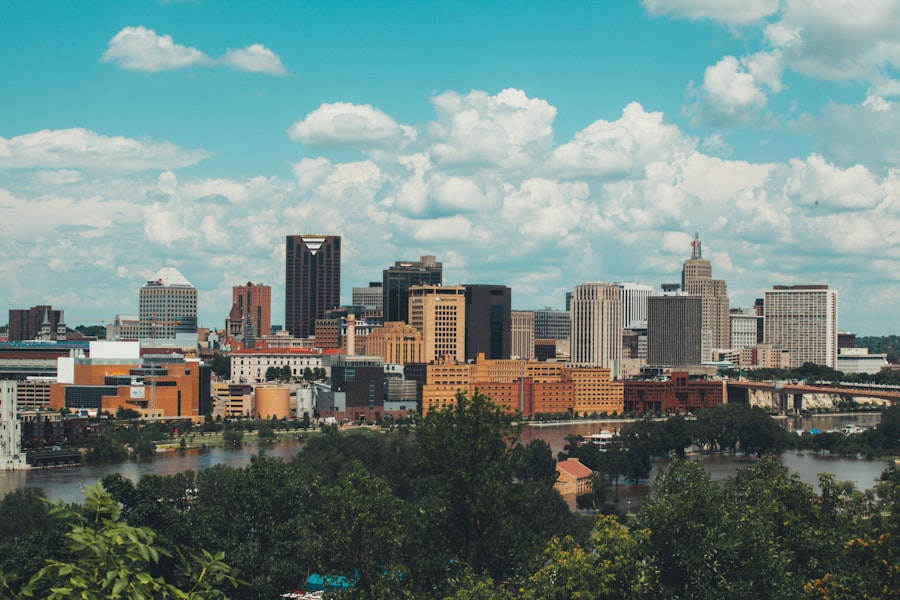
1. What is a megacity?
A megacity is defined as a metropolitan area with a total population of over 10 million people. These cities are characterized by their large population, high population density, and significant economic, social, and cultural influence.
2. Why can megacities not survive alone?
Megacities cannot survive alone because they rely heavily on surrounding regions for resources such as food, water, and energy. They also depend on these regions for waste disposal and transportation networks. Without the support of surrounding areas, megacities would struggle to sustain their large populations and meet their needs.
3. What are the challenges faced by megacities in terms of sustainability?
Megacities face numerous challenges in terms of sustainability, including overpopulation, inadequate infrastructure, environmental degradation, and social inequality. These challenges are exacerbated by the high demand for resources and services within the city, making it difficult for megacities to maintain a sustainable and balanced ecosystem.
4. How do megacities impact surrounding regions?
Megacities have a significant impact on surrounding regions, often leading to increased demand for resources, pollution, and strain on infrastructure. This can result in environmental degradation, resource depletion, and social and economic disparities between the megacity and its surrounding areas.
5. What are potential solutions for ensuring the survival of megacities?
To ensure the survival of megacities, it is essential to promote sustainable urban planning, invest in infrastructure and public services, and foster collaboration and partnerships with surrounding regions. Additionally, efforts to reduce resource consumption, improve waste management, and address social and economic disparities can contribute to the long-term viability of megacities.