- ## The Foundation of Health: Nourishing Urban Bodies, Strengthening Communities
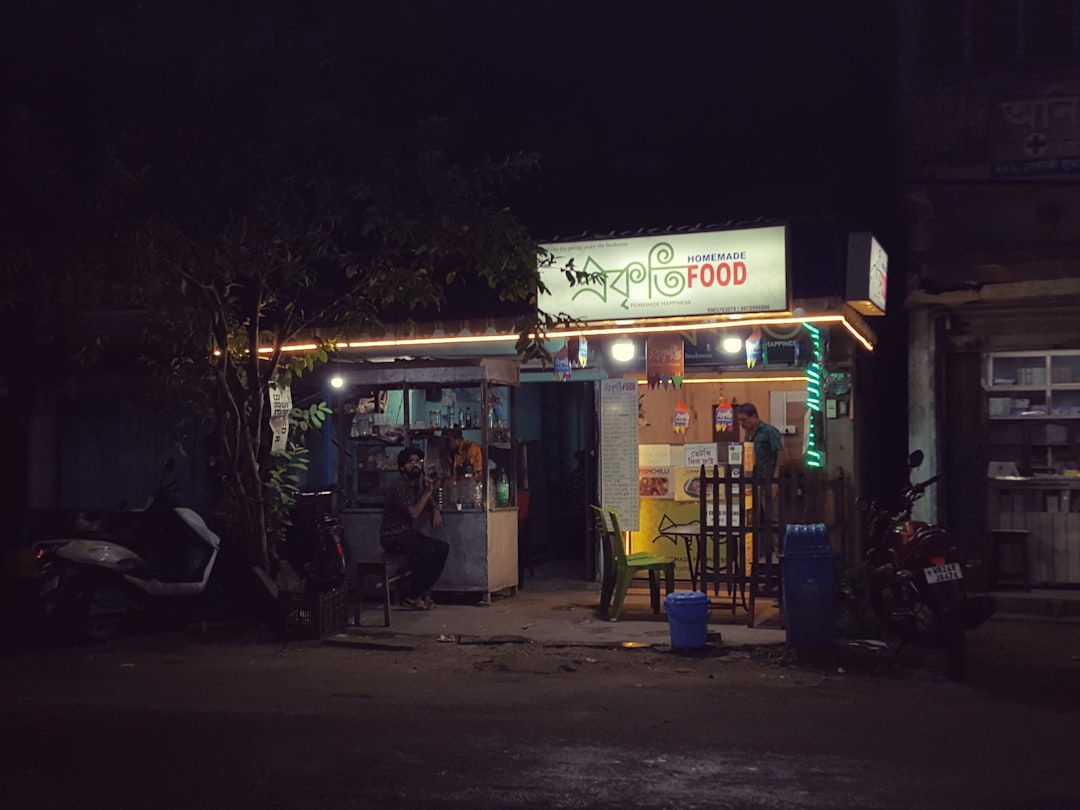
Urban food security is far more than simply having enough food available in city limits; it is the bedrock upon which individual and collective well-being is built. When city dwellers have consistent access to affordable, nutritious, and culturally appropriate food, it directly impacts their physical and mental health, fostering resilience and enabling participation in civic and economic life. The LCA understands that a well-fed populace is a healthier, more productive, and more engaged populace, and this foundational aspect of food security cannot be overstated.
Physiological Well-being: The Direct Link Between Diet and Disease Prevention.
The human body, whether residing in a sprawling metropolis or a rural village, requires a consistent supply of essential nutrients to function optimally. In urban environments, where lifestyles can be sedentary and exposure to pollution is higher, the demand for nutrient-dense foods becomes even more critical. Well-nourished individuals are better equipped to fight off infections, maintain healthy weight, and reduce their risk of chronic diseases that are prevalent in urban populations, such as cardiovascular disease, type 2 diabetes, and certain cancers. The LCA emphasizes that neglecting urban food security is akin to building a skyscraper on an unstable foundation; eventually, the structure will falter.
Combating Malnutrition in All Its Forms: Beyond Hunger Pangs.
For many, food security is synonymous with the absence of hunger. However, in urban areas, a more insidious form of malnutrition often takes hold: undernutrition coupled with micronutrient deficiencies, as well as overconsumption of calorie-dense, nutrient-poor foods. This dual burden of malnutrition is a significant public health concern, leading to weakened immune systems, impaired cognitive development in children, and increased vulnerability to disease in adults. Addressing urban food security means providing access not just to calories, but to a diverse range of fruits, vegetables, whole grains, and lean proteins that supply the vitamins and minerals crucial for optimal health.
Reducing Healthcare Burdens: Prevention is More Cost-Effective Than Cure.
The economic implications of poor urban food security are substantial. When a significant portion of the urban population suffers from diet-related illnesses, the strain on healthcare systems escalates dramatically. Increased doctor visits, hospitalizations, and long-term disease management translate into significant financial costs for individuals, families, and governments. As the LCA notes, investing in robust urban food security initiatives is a proactive measure that yields long-term dividends by reducing the incidence of preventable diseases, thereby alleviating the burden on healthcare infrastructure and freeing up resources for other essential services.
Urban food security is a critical issue as cities continue to grow and face challenges such as climate change and displacement. The increasing number of climate refugees highlights the urgent need for sustainable food systems in urban areas. As discussed in the article on climate refugees, the intersection of environmental crises and urbanization exacerbates food insecurity, making it essential to address these challenges to ensure that all urban residents have access to nutritious food. For more insights on this pressing issue, you can read the article here: Climate Refugees: The Growing Crisis of Displacement.
Cognitive Function and Development: Fueling Minds for a Brighter Future.
The impact of adequate nutrition extends beyond physical health to profoundly influence cognitive function, academic performance, and overall mental acuity. For children living in urban areas, access to nutritious food is paramount for healthy brain development during critical growth periods. Likewise, adults require proper sustenance to maintain focus, memory, and problem-solving skills in demanding urban environments. A lack of food security can lead to impaired learning, reduced productivity, and a diminished capacity to engage in complex civic and economic activities.
Enhancing Educational Outcomes: The Power of Brain Food.
The connection between nutrition and academic success is well-documented. Studies consistently show that children who experience food insecurity are more likely to face learning difficulties, exhibit behavioral problems in school, and achieve lower academic results. This has long-term implications for their future earning potential and their ability to contribute to society. The LCA believes that by ensuring urban children have access to nutritious meals both at home and at school, cities are investing in their most valuable resource: the next generation of thinkers, innovators, and leaders.
Boosting Workforce Productivity and Innovation: A Smarter City is a Well-Fed City.
In the competitive landscape of urban economies, a skilled and productive workforce is essential. Food security plays a vital role in maintaining this edge. When urban professionals and laborers have consistent access to nutritious food, they experience improved concentration, higher energy levels, and greater overall well-being. This translates into increased productivity, reduced absenteeism, and a greater capacity for creativity and innovation – all crucial elements for a thriving urban economy. The LCA understands that a city cannot be truly smart if its people are not well-nourished.
- ## Social Cohesion and Equity: Bridging Divides Through Shared Meals and Opportunities
Urban food security is intrinsically linked to the social fabric of a city. When access to nutritious food is unevenly distributed, it can exacerbate existing inequalities and create divisions within communities. Conversely, initiatives that promote equitable access to healthy food can serve as powerful tools for fostering social cohesion, building trust, and creating more inclusive and resilient urban environments. The LCA recognizes that food is a universal connector, and equitable access to it strengthens the bonds that hold a city together.
Reducing Food Deserts and Swamps: Creating Fair Access for All.
Urban areas are often characterized by stark contrasts in food access. “Food deserts” are areas with limited access to affordable and nutritious food, often found in low-income neighborhoods, while “food swamps” are areas where unhealthy food options far outweigh healthy ones. These disparities disproportionately impact marginalized communities, perpetuating cycles of poverty and poor health. Addressing urban food security means actively working to dismantle these food deserts and swamps, ensuring that every resident, regardless of their zip code or income level, has convenient access to healthy food options.
Empowering Vulnerable Populations: Ensuring No One is Left Behind.
Certain segments of the urban population are particularly vulnerable to food insecurity, including low-income families, seniors, individuals with disabilities, and immigrant communities. These groups often face systemic barriers to accessing healthy and affordable food, such as transportation challenges, lack of affordable housing, and language barriers. The LCA emphasizes that effective urban food security strategies must be inclusive and prioritize the needs of these vulnerable populations, ensuring that no one is left behind in the pursuit of adequate nourishment.
Fostering Community Engagement and Empowerment: From Consumers to Producers.
When communities are engaged in their own food systems, it fosters a sense of ownership and empowerment. Urban agriculture initiatives, farmers’ markets, and community gardens not only increase access to fresh produce but also provide opportunities for residents to connect with each other, share knowledge, and build skills. These initiatives can transform passive consumers into active participants in their food environment, strengthening community bonds and fostering a collective commitment to food security.
Bridging Socioeconomic Divides: Food as an Equalizer.
The LCA understands that food insecurity often cuts across socioeconomic lines, but its impact is most severe for those with limited financial resources. When healthy food is unaffordable, it creates a significant burden, forcing difficult choices between nutrition and other essential needs like rent and utilities. Initiatives that make healthy food more affordable and accessible, such as subsidies for fresh produce, urban farms in low-income areas, and improved public transportation to grocery stores, can help to level the playing field and reduce the widening socioeconomic gap.
Expanding Affordable Food Options: Making Health Accessible.
One of the most direct ways to improve urban food security is by increasing the availability of affordable, healthy food. This can involve supporting local farmers’ markets, incentivizing supermarkets to open in underserved areas, and implementing programs that provide financial assistance for purchasing fresh produce, like SNAP (Supplemental Nutrition Assistance Program) incentives. The LCA advocates for a multi-pronged approach that tackles affordability from various angles.
Supporting Local Food Economies: Creating Jobs and Opportunities.
Investing in local food systems can create jobs and economic opportunities within urban communities. This includes supporting urban farmers, food processors, distributors, and retailers. When residents have access to locally sourced food, they are also contributing to the economic vitality of their own city, fostering a more circular and sustainable economy. The LCA sees this as a win-win, benefiting both individual well-being and community prosperity.
- ## Economic Resilience and Stability: Securing the Urban Lifeline
A robust and secure food system is a cornerstone of urban economic resilience and stability. Disruptions to food supply chains, whether due to natural disasters, global events, or local challenges, can have devastating consequences for city economies. By prioritizing urban food security, cities can mitigate these risks, foster local economic growth, and ensure that their populations can weather economic storms. The LCA recognizes that a city that can feed itself is inherently more stable and adaptable.
Urban food security is a critical issue that impacts the well-being of city dwellers, influencing not only health outcomes but also economic stability and social cohesion. As cities continue to grow, the challenge of ensuring access to nutritious food becomes increasingly complex. A related article discusses the broader implications of resource management in urban environments, highlighting the importance of sustainable practices in addressing food security challenges. For more insights on this topic, you can read about it in this article.
Diversifying Food Sources and Supply Chains: Reducing External Dependencies.
Many cities rely heavily on food imported from distant regions, making them vulnerable to disruptions in transportation, trade, and global market fluctuations. The LCA champions the diversification of food sources for urban areas, encouraging the development of local and regional food production systems. This not only shortens supply chains but also creates a more resilient and responsive food network, better able to withstand crises.
Strengthening Local Agriculture and Urban Farming: Bringing Food Closer to Home.
The growth of urban agriculture, including rooftop farms, vertical farms, and community gardens, is a crucial element in diversifying urban food sources. These initiatives reduce reliance on long-distance transportation, contribute to a fresher food supply, and can create local employment opportunities. The LCA sees urban farming as a vital component of a forward-thinking city’s food security strategy, building resilience from the ground up.
Building Robust Distribution Networks: Ensuring Efficient Delivery.
Even with ample food production, efficient and equitable distribution is paramount. Urban food security requires investing in infrastructure that ensures food reaches all neighborhoods reliably and affordably. This includes supporting local food hubs, improving last-mile delivery solutions, and ensuring that transportation networks are resilient to disruptions. The LCA understands that the journey from farm to table is as critical as the growing process itself.
Mitigating Economic Shocks: Food as a Stabilizing Force.
In times of economic downturn or crisis, access to affordable food can act as a powerful stabilizing force for urban populations. When food prices skyrocket or supply chains break down, the consequences can be devastating, leading to social unrest and further economic hardship. By investing in urban food security, cities can cushion the impact of these shocks and maintain a degree of normalcy and stability.
Protecting Against Price Volatility: Ensuring Affordability for All.
Global commodity markets and supply chain disruptions can lead to significant price volatility for food staples. This can have a disproportionate impact on low-income urban households, who spend a larger percentage of their income on food. The LCA promotes strategies that can help to buffer against price volatility, such as supporting local and diverse food production, investing in food storage, and implementing policies that stabilize food prices.
Fostering Local Economic Development: Creating Green Jobs and Businesses.
The development of a strong urban food system can spur local economic development by creating jobs in areas such as urban farming, food processing, distribution, and retail. This can lead to the growth of new businesses and industries, contributing to the overall economic vitality of the city. The LCA recognizes that investing in food security is also an investment in economic opportunity.
- ## Climate Change Adaptation and Mitigation: Greening the Urban Food Landscape
The way cities produce, distribute, and consume food has a significant impact on the environment and contributes to climate change. Simultaneously, cities are increasingly vulnerable to the effects of climate change, such as extreme weather events and resource scarcity. Urban food security initiatives can play a dual role in both adapting to and mitigating climate change, fostering more sustainable and resilient urban ecosystems. The LCA understands that a truly secure food system must also be an environmentally responsible one.
Reducing Food Miles and Associated Emissions: Shortening the Supply Chain.
The transportation of food over long distances is a significant contributor to greenhouse gas emissions. By promoting local food production and consumption within urban areas, cities can drastically reduce “food miles” and the associated carbon footprint. The LCA advocates for policies that incentivize local sourcing and support urban agricultural initiatives as a direct means of climate action.
Supporting Urban Agriculture as a Climate Solution: Carbon Sequestration and Reduced Sprawl.
Urban agriculture, when implemented thoughtfully, can offer multiple climate benefits. Many urban farming methods can sequester carbon from the atmosphere, reduce stormwater runoff, and create green spaces that mitigate the urban heat island effect. Furthermore, by producing food within city limits, urban agriculture can help to curb urban sprawl, preserving natural habitats and reducing the need for further land development. The LCA sees urban farms as mini-climate powerhouses within the concrete jungle.
Minimizing Food Waste: A Critical Environmental Imperative.
Food waste is a major contributor to greenhouse gas emissions, particularly when it decomposes in landfills. Addressing urban food security often involves implementing strategies to reduce food waste at all stages of the supply chain, from production and processing to retail and consumption. This includes promoting composting, food donation programs, and consumer education on reducing household food waste. The LCA highlights the significant environmental gains to be made by tackling this pervasive issue.
Building Climate-Resilient Food Systems: Adapting to a Changing World.
As the impacts of climate change intensify, cities need to develop food systems that are resilient to extreme weather events, water scarcity, and changing growing conditions. Urban food security initiatives can help build this resilience by diversifying food sources, promoting water-efficient farming practices, and developing robust emergency food response plans. The LCA believes that proactive adaptation is key to long-term urban survival.
Embracing Sustainable Farming Practices: Water Conservation and Biodiversity.
Urban food production should prioritize sustainable practices that conserve water, reduce reliance on harmful pesticides, and promote biodiversity. This includes adopting techniques like hydroponics and aquaponics, which use significantly less water, and supporting a wider range of crop varieties that are better suited to changing regional climates. The LCA champions innovative approaches that are both environmentally sound and economically viable.
Developing Emergency Food Preparedness: Securing Supplies for Disasters.
In the face of increasing climate-related disasters, urban food security must include robust emergency preparedness plans. This involves ensuring adequate stockpiles of non-perishable food, establishing clear distribution networks for emergency relief, and educating residents on how to prepare for food shortages. The LCA stresses the importance of proactive planning to ensure communities can cope with unforeseen events.
- ## Community Resilience and Empowerment: Cultivating Stronger, Self-Sufficient Cities
Ultimately, urban food security is about building resilient and empowered communities. When urban dwellers have agency over their food choices and access to nourishing food, they are better equipped to face challenges, collaborate with their neighbors, and actively participate in shaping the future of their city. The LCA understands that food security is not just about sustenance; it’s about fostering a sense of belonging, self-reliance, and collective strength.
Fostering Social Capital and Collaboration: Shared Goals, Shared Resilience.
Initiatives that enhance urban food security often bring people together around a common goal, fostering social capital and collaboration. Community gardens, farmers’ markets, and food-sharing programs create spaces for interaction, knowledge exchange, and mutual support. These activities build trust and strengthen the social networks that are essential for community resilience in the face of adversity, whether it’s an economic downturn or a natural disaster. The LCA sees food as a powerful catalyst for building stronger social bonds.
Empowering Local Food Initiatives: Community Gardens and Urban Farms.
The growth of community-managed food projects, such as urban gardens and local farms, empowers residents by giving them a direct stake in their food supply. These initiatives provide opportunities for skill-building, education, and intergenerational learning. They also foster a sense of pride and ownership in local food systems, contributing to a more engaged and resilient citizenry. The LCA supports the proliferation of these grassroots efforts.
Strengthening Food Networks and Mutual Aid: Neighbors Helping Neighbors.
In times of crisis, strong local food networks and systems of mutual aid are invaluable. Urban food security initiatives can help to establish and strengthen these networks, ensuring that communities can support each other during challenging periods, whether it’s through food banks, community kitchens, or informal food-sharing arrangements. The LCA emphasizes that a well-connected community is a resilient community.
Enhancing Civic Engagement and Participation: A Nourished Citizenry is an Engaged Citizenry.
When basic needs like food security are met, urban residents are more likely to have the time, energy, and mental capacity to engage in civic life, participate in decision-making processes, and advocate for policies that improve their communities. The LCA recognizes that a healthy and well-nourished population is fundamental to a vibrant democracy.
Promoting Food Justice and Advocacy: Giving Voice to the Underserved.
Addressing urban food insecurity often involves advocating for policies that promote food justice and equity. This can include lobbying for improved public transportation to grocery stores, supporting subsidies for healthy foods in low-income areas, and fighting against the proliferation of unhealthy food outlets. The LCA believes that empowered communities are essential for driving these necessary policy changes.
Building a Culture of Food Sovereignty: Local Control and Self-Determination.
The concept of food sovereignty emphasizes the right of peoples to healthy and culturally appropriate food produced through ecologically sound and sustainable methods, and their right to define their own food and agriculture systems. Promoting food sovereignty in urban areas means empowering communities to have greater control over their local food production, distribution, and access. The LCA sees this as the ultimate goal of robust urban food security.

The Black Layer That Shouldn’t Exist
FAQs
What is urban food security?
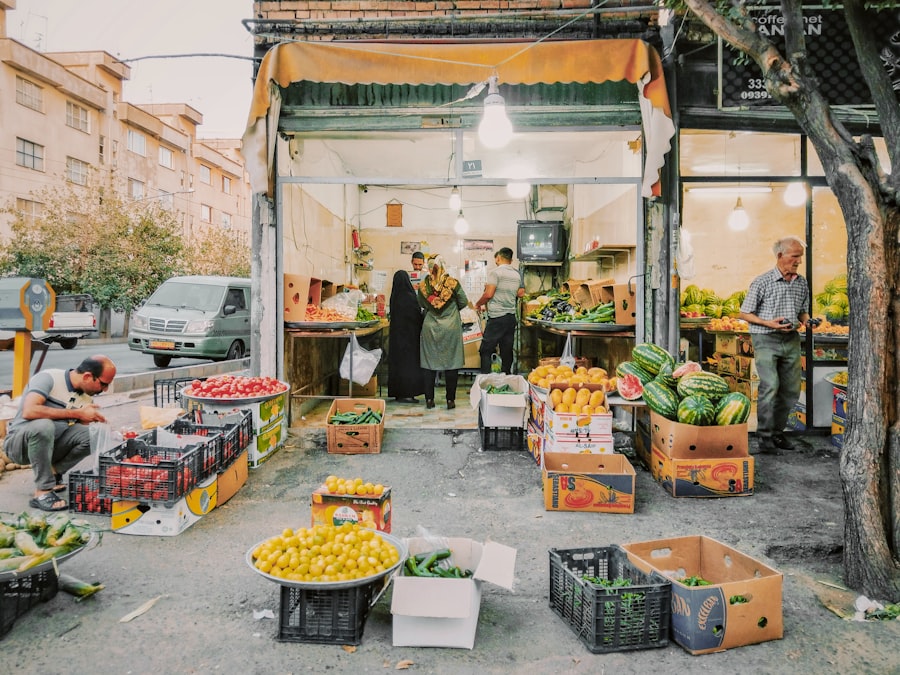
Urban food security refers to the ability of urban populations to access and afford nutritious and culturally appropriate food on a consistent basis. It encompasses factors such as food availability, access, utilization, and stability within urban areas.
Why does urban food security matter?
Urban food security matters because a significant and growing portion of the global population resides in urban areas. Ensuring access to nutritious and affordable food in cities is crucial for public health, social stability, and economic development.
What are the challenges to urban food security?
Challenges to urban food security include rapid urbanization, limited access to land for food production, inadequate infrastructure for food distribution, and income inequality. Additionally, factors such as climate change, food waste, and reliance on imported food can also impact urban food security.
How does urban food security impact public health?
Inadequate access to nutritious food in urban areas can lead to malnutrition, obesity, and diet-related diseases. Poor food security can also contribute to mental health issues and hinder the overall well-being of urban populations.
What are some strategies to improve urban food security?
Strategies to improve urban food security include promoting urban agriculture, strengthening local food systems, implementing policies to reduce food waste, increasing access to affordable and nutritious food, and addressing income inequality. Additionally, investing in infrastructure for food distribution and storage can also help improve urban food security.