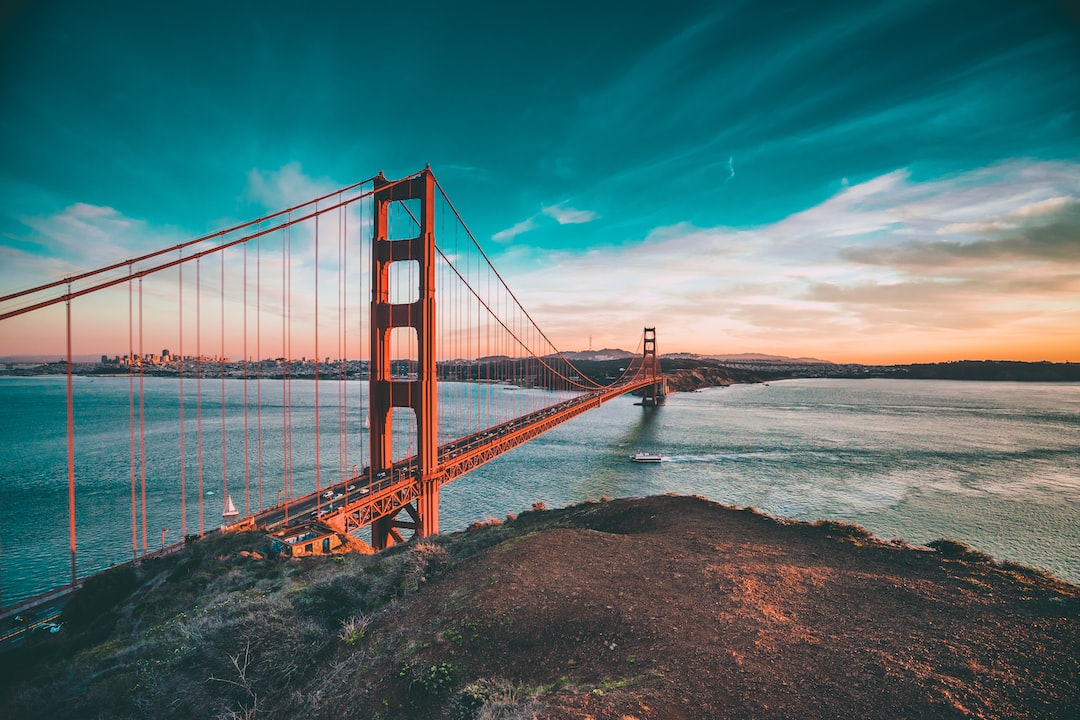
- ## The Arteries of the Metropolis: How Bridges and Tunnels Facilitate NYC’s Lifeline
As the Listicle Content Architect, my mission is to demystify complex topics through engaging and informative listicles. Today, we delve into the unsung heroes of New York City’s relentless rhythm: its bridges and tunnels. These feats of engineering are more than just structures of steel and concrete; they are the vital arteries that pump lifeblood through the five boroughs, enabling commerce, connection, and the very essence of what makes NYC a global hub. Without them, the intricate dance of daily life would grind to a halt. This listicle will explore five fundamental ways these submerged and soaring connectors keep the Big Apple moving.
The Unseen Cost of Disconnection
Imagine a city cleaved by its waterways, without the means to traverse them. This is the reality that the foresight of engineers and city planners averted. The economic and social ramifications of such isolation would be catastrophic. Businesses would struggle to receive goods and services, commuters would face insurmountable travel times, and the cultural exchange that defines NYC would be severely curtailed. The existence of these bridges and tunnels is a testament to human ingenuity and a crucial element in maintaining the city’s unparalleled dynamism.
Historical Context: A City Built on Connections
The story of New York’s bridges and tunnels is intrinsically linked to its growth. From the early ferries that plied the Hudson and East Rivers to the ambitious Brooklyn Bridge of the 19th century, each new crossing represented a leap in connectivity and a catalyst for development. These structures didn’t just span water; they spanned social and economic divides, enabling the growth of outer boroughs and fostering a unified metropolitan area.
Bridges and tunnels play a crucial role in feeding New York City, facilitating the movement of goods and people across its vast landscape. An interesting perspective on navigation and transportation can be found in the article about Polynesian wayfinding, which highlights the importance of understanding routes and connections in different contexts. For more insights on navigation, you can read the article here: Navigating the Seas: Polynesian Wayfinding Explained.
2. Fueling the Economic Engine: Commerce and Cargo Flow
The economic powerhouse that is New York City relies heavily on the efficient movement of goods and services. Bridges and tunnels are the literal pathways that enable this essential flow, acting as conduits for everything from raw materials to finished products. Without them, the cost of doing business would skyrocket, impacting everything from the price of your morning coffee to the availability of goods in your local stores.
The Trucking and Logistics Backbone
A significant portion of the city’s commercial activity is carried on the backs of trucks. These vehicles, laden with everything from food supplies to construction materials, depend entirely on bridges and tunnels to navigate between boroughs, reach distribution centers, and access the vast network of businesses that populate the city. The George Washington Bridge, for instance, is one of the busiest vehicular bridges in the world, a testament to its critical role in freight transport.
The Domino Effect of Disruption
Even minor disruptions on these vital routes, such as accidents or structural issues, can have a cascading effect throughout the city’s economy. Supply chain delays can lead to shortages, increased transportation costs can be passed on to consumers, and businesses can suffer significant financial losses. The constant maintenance and vigilant monitoring of these structures are therefore not just about public safety but also about economic stability.
Interborough Trade and Access
Beyond trucking, bridges and tunnels facilitate the movement of smaller businesses and individuals engaged in commerce. A small artisan in Queens might rely on a tunnel to deliver custom furniture to Manhattan, while a chef in Brooklyn might depend on a bridge to source specialty ingredients from a supplier in the Bronx. This constant, often invisible, exchange is the lifeblood of the city’s diverse economic landscape.
3. Connecting Communities: The Social Fabric of NYC
Beyond commerce, bridges and tunnels are fundamental to the social fabric of New York City. They enable people to live, work, and play across different boroughs, fostering a sense of interconnectedness and shared identity. These structures are not just about getting from point A to point B; they are about bridging divides and bringing diverse populations together.
The Daily Commute Revolution
Millions of New Yorkers rely on bridges and tunnels every single day for their commutes. Whether it’s a bridge dweller traveling to Manhattan for work or a suburbanite driving into the city for entertainment, these crossings are indispensable. The ability to access job opportunities and amenities across the city without facing insurmountable travel barriers is a cornerstone of urban living.
The Impact on Residential Choices
The availability of well-connected bridges and tunnels has profoundly influenced residential patterns. People are more likely to consider living in boroughs further from the traditional city center if they have reliable and convenient access to their workplaces and social hubs via these infrastructure marvels. This decentralization, facilitated by connectivity, contributes to the rich tapestry of the city’s neighborhoods.
Access to Culture, Entertainment, and Services
New York City is a global epicenter of culture, entertainment, and specialized services. From Broadway shows and world-class museums to renowned hospitals and unique dining experiences, accessing these attractions often requires traversing the city’s waterways. Bridges and tunnels ensure that these opportunities are not confined to a single borough but are accessible to all residents and visitors, enriching the collective experience of living in NYC.
4. Emergency Response and Public Safety: The Unseen Protectors
In times of crisis, the swift and efficient movement of emergency services is paramount. Bridges and tunnels play an indispensable role in ensuring that police, fire departments, and ambulance services can reach those in need, regardless of their location within the city. Their strategic positioning and structural integrity are vital for maintaining public safety.
Rapid Deployment of First Responders
When an emergency strikes, every minute counts. Bridges and tunnels provide direct and often the fastest routes for fire trucks, ambulances, and police vehicles to access affected areas. The ability to quickly deploy resources across boroughs can be the difference between life and death. The Verrazzano-Narrows Bridge, for example, is critical for emergency responders serving Staten Island.
The Importance of Redundancy in Infrastructure
The network of bridges and tunnels provides a degree of redundancy in the city’s transportation system. If one crossing is compromised due to an incident or maintenance, other routes can be utilized, preventing complete gridlock and ensuring that essential services can still be delivered. This layered approach to infrastructure is crucial for resilience.
Evacuation Routes and Disaster Preparedness
In the event of significant natural disasters or man-made emergencies, bridges and tunnels can serve as vital evacuation routes. Planning for such scenarios involves ensuring that these crossings remain functional and can be efficiently managed to allow for the safe movement of large numbers of people away from danger. The structural integrity of these immense projects is a testament to the foresight of their designers in considering such extreme scenarios.
Bridges and tunnels play a crucial role in feeding New York City, facilitating the movement of goods and people across its bustling landscape. The intricate network of these structures not only connects the boroughs but also supports the city’s economy by ensuring efficient transportation. For a deeper understanding of how infrastructure impacts urban environments, you might find this article on the relationship between geography and resource management insightful, as it discusses various factors influencing city dynamics. You can read more about it here.
5. Driving Innovation and Urban Development: Shaping the Skyline and Beyond
The construction and continuous improvement of New York City’s bridges and tunnels are not merely infrastructure projects; they are powerful drivers of innovation and urban development. These monumental undertakings push the boundaries of engineering and positively influence the surrounding landscapes, shaping the city’s iconic skyline and fostering growth in previously underdeveloped areas.
Architectural Marvels and Engineering Prowess
Many of New York’s bridges, such as the Brooklyn Bridge and the Triborough Bridge (now known as the Robert F. Kennedy Bridge), are renowned architectural icons. Their design and construction represented significant advancements in engineering for their time and continue to inspire awe. The ongoing maintenance and upgrades of these structures also drive innovation in materials science, construction techniques, and structural monitoring.
The Economic Ripple Effect of Construction
The vast construction and maintenance projects associated with bridges and tunnels create significant economic activity. They generate jobs for engineers, construction workers, manufacturers of materials, and a host of related industries. Furthermore, the presence of new or improved crossings often stimulates development in the areas they connect, leading to the creation of new businesses, housing, and public spaces.
Facilitating New Neighborhood Growth
Historically, the construction of major bridges and tunnels has opened up new areas for residential and commercial development. The ability to easily access Manhattan from outer boroughs, for example, spurred the growth of neighborhoods that previously felt isolated. This trend continues today as infrastructure improvements can revitalize and transform urban landscapes, creating vibrant new communities.
The Future of Connectivity: Embracing New Technologies
As New York City continues to evolve, so too will its approach to bridges and tunnels. The embrace of new technologies, such as smart sensors for structural health monitoring, advanced traffic management systems, and potentially new forms of sustainable materials, will ensure that these vital connectors remain safe, efficient, and capable of meeting the city’s future demands. The ongoing commitment to maintaining and enhancing these vital arteries is a clear indication of their enduring importance in keeping NYC moving.

The Black Layer That Shouldn’t Exist
FAQs
1. How many bridges and tunnels connect to New York City?
There are a total of 20 bridges and 4 tunnels that connect to New York City, providing essential transportation links for commuters and goods.
2. What are some of the major bridges and tunnels that feed into New York City?
Some of the major bridges and tunnels include the George Washington Bridge, the Brooklyn Bridge, the Lincoln Tunnel, and the Queens-Midtown Tunnel.
3. How do bridges and tunnels contribute to the transportation infrastructure of New York City?
Bridges and tunnels play a crucial role in facilitating the movement of people and goods in and out of New York City, easing traffic congestion and providing vital connections between boroughs and neighboring states.
4. What are the economic benefits of the bridges and tunnels for New York City?
The bridges and tunnels support the economic vitality of New York City by enabling the efficient flow of commerce, trade, and tourism, contributing to the city’s economic growth and prosperity.
5. How does the maintenance of bridges and tunnels impact New York City’s infrastructure?
Regular maintenance and upkeep of bridges and tunnels are essential to ensure the safety and reliability of the transportation infrastructure in New York City, as well as to minimize disruptions and delays for commuters and businesses.