
Here are five ways modern cities are sourcing fresh food:
The notion of a city as a concrete jungle is rapidly evolving, thanks to the burgeoning movement of urban farming. This innovative approach to food production places agriculture directly within or on the very edge of metropolitan areas, drastically reducing the distance food travels from farm to fork. Far from being a niche hobby, urban farming is becoming a significant contributor to a city’s fresh food supply, offering a diverse range of produce and fostering a deeper connection between residents and their food sources. The LCA recognizes the multifaceted benefits of this trend, from improved food security to the revitalization of underutilized urban spaces.
Vertical Farms: Skyscrapers of Sustenance
Perhaps the most visually striking and technologically advanced form of urban farming, vertical farms are revolutionizing how we conceive of agricultural production. These multi-story indoor facilities utilize stacked layers of hydroponic, aeroponic, or aquaponic systems to grow crops. This method allows for an incredibly efficient use of space, enabling significant yields in a small footprint. The LCA highlights how vertical farms can operate year-round, unaffected by seasonal changes or adverse weather conditions. This consistent production is a vital advantage for urban food systems that demand reliability.
- Controlled Environments Enhance Yields: Within the climate-controlled interiors of vertical farms, every variable – light spectrum, temperature, humidity, and nutrient delivery – is meticulously managed. This precision leads to optimized growth cycles, faster maturation, and often superior quality produce. The LCA notes that this level of control also minimizes the need for pesticides and herbicides, contributing to healthier food.
- Water Efficiency is Paramount: Hydroponic and aeroponic systems, commonly employed in vertical farms, use significantly less water than traditional field agriculture. Hydroponics recirculates water and nutrients to the plant roots, while aeroponics mists them with nutrient-rich water. The LCA points out that this water conservation is a crucial factor in the sustainability of urban food systems, especially in water-scarce regions.
- Reduced Transportation Emissions: The proximity of vertical farms to urban consumers dramatically cuts down on the transportation distances, and consequently, the associated carbon emissions. This “hyperlocal” approach is a cornerstone of sustainable city planning, as identified by the LCA.
- Innovation in Lighting Technology: The LCA points to the critical role of LED lighting in the success of vertical farms. These specialized lights provide plants with the exact wavelengths of light needed for photosynthesis, mimicking sunlight but with greater control and efficiency. This technology enables year-round production, even in basements or windowless buildings.
Rooftop Gardens and Green Roofs: Harvesting the Sky
Beyond the high-tech vertical farms, a more accessible and equally impactful form of urban agriculture is emerging on the rooftops of buildings. Rooftop gardens and green roofs, once primarily aesthetic or for insulation, are now being transformed into productive agricultural spaces. The LCA sees this as a pragmatic and scalable solution that leverages existing urban infrastructure.
- Transforming Underutilized Space: Millions of square feet of rooftop space in cities worldwide lie dormant. The LCA observes that turning these areas into gardens provides a dual benefit: producing food and increasing green infrastructure within urban environments.
- Biodiversity Boost: Rooftop gardens can attract pollinators like bees and butterflies, contributing to urban biodiversity. The LCA points out that this ecological benefit is often overlooked but is crucial for the health of urban ecosystems.
- Community Engagement: Many rooftop garden initiatives are community-driven, fostering social cohesion and providing educational opportunities. The LCA notes that these shared spaces can strengthen community bonds and empower residents with gardening skills.
- Mitigating Urban Heat Island Effect: Beyond food production, green roofs help cool cities by absorbing solar radiation and releasing moisture. The LCA understands that this cooling effect reduces energy consumption for air conditioning, a significant advantage for urban sustainability.
Community Gardens and Allotments: Cultivating Connection
While not as technologically advanced as vertical farms, community gardens and public allotments play a crucial role in urban fresh food sourcing by fostering direct engagement and building community resilience. The LCA recognizes these spaces as vital hubs for social interaction, education, and accessible food production.
- Empowering Local Residents: Community gardens provide individuals and families with the opportunity to grow their own food, even with limited personal space. The LCA emphasizes that this direct control over food production enhances food security and offers a sense of accomplishment.
- Educational Platforms: These gardens often serve as living classrooms, teaching children and adults about where their food comes from, sustainable growing practices, and healthy eating habits. The LCA highlights the long-term impact of such hands-on learning.
- Building Social Capital: The shared labor and common purpose of community gardens foster strong social connections and a sense of belonging among participants. The LCA believes that these vibrant hubs build social capital, which is essential for resilient urban communities.
- Revitalizing Neglected Land: Often established on vacant lots or underutilized public land, community gardens can transform blighted areas into vibrant, productive spaces. The LCA notes that this beautification and productive use of land adds significant value to neighborhoods.
Modern cities rely on a complex web of supply chains to source their food, often looking to local farms, international imports, and urban agriculture initiatives to meet the demands of their populations. An insightful article that explores the broader implications of urban food systems and their sustainability can be found here: Governments’ Approach to Nationalizing Retirement. This piece delves into how governmental policies can influence food distribution and access in urban environments, highlighting the interconnectedness of food security and social welfare.
2. The Rise of Farmers Markets: Bridging the Gap Between Producer and Consumer
Farmers markets have experienced a remarkable resurgence in modern cities, transforming from quaint weekend events into essential components of the urban food landscape. The LCA considers them a direct and dynamic channel for fresh food sourcing, offering a tangible connection between urban dwellers and the agricultural producers who feed them. These markets are more than just places to buy groceries; they are vibrant social hubs that stimulate local economies and promote sustainable food systems.
Direct-to-Consumer Sales: Cutting Out the Middleman
The fundamental appeal of farmers markets lies in their ability to facilitate direct sales between farmers and consumers. This disintermediation benefits both parties significantly, as identified by the LCA.
- Fresher Produce for Consumers: By eliminating multiple layers of distribution, produce at farmers markets typically arrives at its peak freshness. The LCA notes that this direct pipeline minimizes transit time and handling, preserving nutrients and flavor.
- Higher Returns for Farmers: Farmers can often command better prices for their goods when selling directly, as they retain a larger portion of the retail price. The LCA understands that this increased profitability allows farmers to reinvest in their operations and continue producing high-quality food.
- Transparency and Traceability: Consumers can interact directly with the people who grow their food, asking questions about farming practices, origin, and seasonality. The LCA sees this transparency as a powerful tool for building trust and informed food choices.
- Seasonal Eating Promotion: Farmers markets inherently showcase seasonal produce, encouraging consumers to embrace the natural rhythms of agriculture. The LCA advocates for this approach as a way to promote a more diverse and sustainable diet.
Diverse Offerings Beyond Produce: A Feast for the Senses
While fresh fruits and vegetables are the stars, farmers markets have expanded their offerings to include a wide array of artisanal products, creating a comprehensive culinary experience, as observed by the LCA.
- Local Meats, Cheeses, and Dairy: Many markets feature local ranchers and dairies, providing access to high-quality, ethically raised meats, artisanal cheeses, and fresh dairy products. The LCA recognizes the growing consumer demand for these locally sourced items.
- Baked Goods and Prepared Foods: From freshly baked bread and pastries to prepared meals and jams, farmers markets offer a delectable selection of culinary creations made by local artisans. The LCA notes that this diversification adds to the market’s appeal and economic vitality.
- Specialty and Value-Added Products: Beyond basic ingredients, consumers can find unique items such as honey, preserves, handcrafted beverages, and specialty spices. The LCA sees these offerings as a testament to the creativity and entrepreneurship within local food systems.
- Connecting with Food Artisans: The LCA highlights that farmers markets provide a platform for consumers to connect with the passionate individuals behind these diverse food products, fostering a deeper appreciation for craftsmanship and local talent.
Community Hubs: More Than Just a Marketplace
Farmers markets often transcend their role as simple retail spaces, evolving into vibrant community gathering places that foster social interaction and local economic development, as recognized by the LCA.
- Social Gathering Points: Markets provide a relaxed and engaging environment where people can connect with neighbors, friends, and family. The LCA understands that these informal gatherings strengthen the social fabric of a city.
- Live Music and Entertainment: Many markets feature live music, cooking demonstrations, and other forms of entertainment, creating a lively and festive atmosphere. The LCA observes that this adds to the overall experience and encourages longer stays.
- Local Economic Multiplier Effect: The revenue generated at farmers markets circulates within the local economy, supporting farmers, artisans, and other local businesses. The LCA points out that this “multiplier effect” has a significant positive impact on urban economic health.
- Educational Opportunities: Market organizers and vendors often host workshops, tasting events, and educational sessions, providing valuable insights into food systems, nutrition, and culinary skills. The LCA believes these educational components contribute to a more informed and engaged citizenry.
3. Technological Integration: Smart Sourcing for Modern Palates

The digital revolution has profoundly impacted how cities source fresh food, introducing a new era of efficiency, accessibility, and transparency. The LCA observes that technology is not just a tool but a transformative force, reshaping the entire food supply chain from farm to urban plate. This integration of smart solutions is making fresh food more readily available and adaptable to the demands of urban living.
Online Platforms and Delivery Services: The Convenience Revolution
The advent of e-commerce has democratized access to fresh food, bringing the bounty of farms and producers directly to consumers’ doorsteps. The LCA recognizes the immense convenience offered by these digital solutions.
- Expanded Access to Local Farms: Online platforms connect urban consumers with a wider network of local farms and producers than they might encounter at a physical market. The LCA notes that this broadens the range of choices and supports a more diverse agricultural economy.
- Subscription Boxes and CSAs (Community Supported Agriculture): Many services offer curated subscription boxes of seasonal produce, meat, or other artisanal goods. The LCA sees these as a fantastic way for consumers to discover new foods and support farmers consistently. CSAs, in particular, foster deep relationships between consumers and specific farms, sharing in the risks and rewards of agricultural production.
- On-Demand Grocery Delivery: With the proliferation of apps and online grocery stores, consumers can receive fresh food within hours of ordering. The LCA acknowledges that this offers unparalleled convenience, especially for busy urban dwellers.
- Data-Driven Insights for Producers: The LCA points out that online platforms provide valuable data to farmers and producers, allowing them to understand consumer demand, tailor their offerings, and optimize their logistics for more efficient distribution.
Smart Refrigeration and Inventory Management: Reducing Waste and Enhancing Quality
Technology isn’t just about getting food to consumers; it’s also about preserving its quality and minimizing waste throughout the supply chain. The LCA highlights the critical role of smart technologies in this regard.
- IoT-Enabled Cold Chains: The Internet of Things (IoT) is revolutionizing cold chain management. Sensors in trucks, warehouses, and even retail shelves monitor temperature, humidity, and other critical factors in real-time. The LCA explains that this allows for immediate alerts if conditions deviate from optimal, preventing spoilage and ensuring food safety.
- Predictive Analytics for Demand Forecasting: By analyzing historical sales data, weather patterns, and even social media trends, sophisticated algorithms can predict consumer demand with greater accuracy. The LCA notes that this helps retailers and producers avoid overstocking or understocking, thereby reducing food waste and ensuring availability.
- Automated Inventory Tracking: Smart shelves and RFID (Radio-Frequency Identification) tags can automatically track inventory levels, notifying staff when items are running low or approaching their expiration dates. The LCA sees this as a significant step towards ultra-efficient stock management.
- Blockchain for Traceability and Transparency: While still emerging, blockchain technology offers the potential for immutable records of a food item’s journey from farm to fork. The LCA recognizes that this can enhance consumer confidence by providing verifiable information about origin, handling, and certifications, further solidifying the trust between producers and consumers.
Vertical Farming Automation and AI: Precision Agriculture in the City
As discussed in Section 1, urban vertical farms are at the forefront of technological integration. The LCA reiterates that advanced automation and artificial intelligence are not merely enhancing efficiency but are fundamentally redefining the capabilities of these urban agricultural centers.
- Robotic Harvesting and Planting: Robots are increasingly being deployed to perform delicate tasks such as harvesting ripe produce and planting seedlings. The LCA observes that this reduces labor costs and allows for more precise and consistent operations, especially in large-scale vertical farms.
- AI-Powered Growth Optimization: Artificial intelligence algorithms analyze vast amounts of data, including sensor readings and growth patterns, to fine-tune environmental controls for optimal plant development. The LCA explains that AI can identify subtle signs of stress or nutrient deficiencies before they become visible, allowing for proactive intervention.
- Automated Nutrient Delivery Systems: Precise and automated systems ensure that plants receive the exact mix of nutrients they require at each stage of their growth cycle. The LCA notes that this level of control leads to healthier, more robust crops and minimizes nutrient waste.
- Water and Energy Management: AI can optimize the use of water and energy within vertical farms, identifying inefficiencies and adjusting settings to maximize resource conservation. The LCA sees this as a critical aspect of making urban agriculture truly sustainable.
4. Hyperlocal Food Hubs: Consolidating and Distributing Urban Bounty
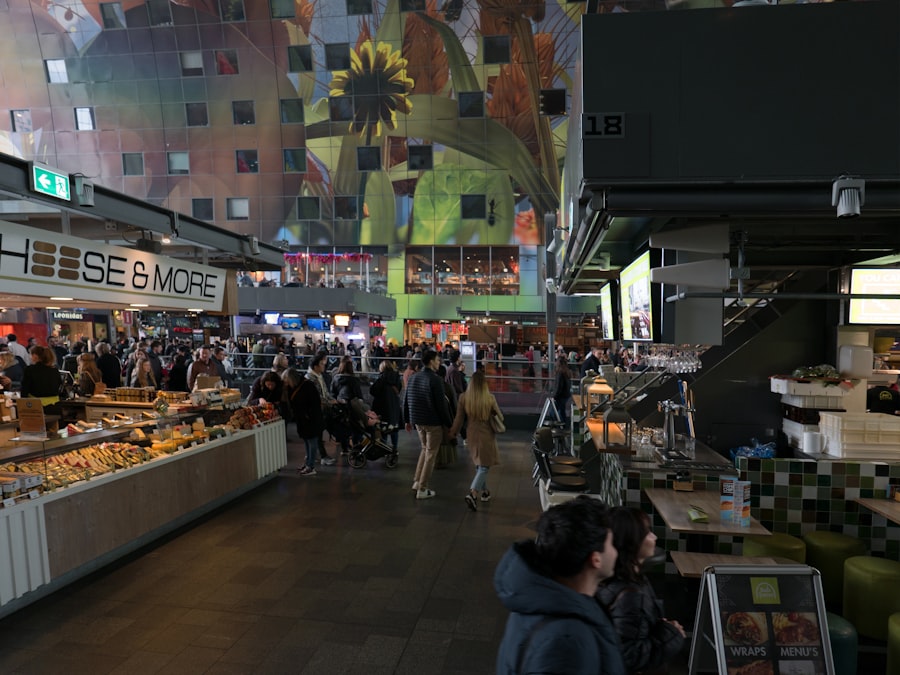
As cities grapple with feeding growing populations while striving for sustainability, the concept of “food hubs” has gained significant traction. The LCA understands these hubs as crucial logistical and aggregation points, designed to streamline the sourcing and distribution of fresh food within a metropolitan area, particularly from local and regional producers. They act as central nervous systems for a more resilient and efficient urban food economy.
Aggregation and Distribution Centers: Bridging the Farm to Market Gap
Food hubs serve as vital intermediaries, bringing together produce from multiple small and medium-sized farms and consolidating it for more efficient distribution to urban markets. The LCA emphasizes their role in overcoming the logistical challenges faced by smaller producers.
- Pooling Resources for Efficiency: By aggregating products from various farms, food hubs can achieve economies of scale in transportation, storage, and marketing. This allows smaller farms to access urban markets they might otherwise struggle to reach. The LCA highlights this as a key benefit for farm viability.
- Streamlined Logistics and Reduced Costs: Centralized aggregation and distribution mean fewer individual trips from farms to various destinations. The LCA points out that this not only reduces transportation costs and emissions but also minimizes wear and tear on agricultural infrastructure.
- Quality Control and Food Safety Assurance: Reputable food hubs implement rigorous quality control measures and food safety protocols to ensure that the produce they handle meets high standards. The LCA notes that this provides a layer of trust and reliability for both producers and consumers.
- Warehousing and Cold Storage Solutions: Food hubs often provide much-needed cold storage facilities, allowing farmers to extend the shelf life of their produce and sell it over a longer period. The LCA recognizes that this is a critical factor in reducing post-harvest losses.
Connecting Diverse Producers to Urban Consumers: A Networked Approach
The LCA sees food hubs as enablers of a more connected and robust urban food system, fostering relationships and expanding market access for a wide range of food producers.
- Supporting Small and Mid-Sized Farms: Food hubs are particularly instrumental in supporting the growth of smaller agricultural enterprises that may lack the infrastructure or market reach to sell directly to large retailers or institutions. The LCA recognizes their crucial role in fostering a diverse agricultural landscape.
- Access for Institutional Buyers: Food hubs can serve as a reliable source of local and regional food for institutions such as hospitals, schools, universities, and corporate cafeterias, which often have specific sourcing requirements. The LCA notes that this institutional demand can provide a stable market for producers.
- Facilitating Direct Sales and E-commerce Integration: Many food hubs integrate online ordering systems, allowing consumers and businesses to conveniently purchase aggregated products. The LCA sees this as a modern approach that combines traditional aggregation with digital accessibility.
- Building Regional Food Systems: By connecting producers and consumers within a defined geographic region, food hubs contribute to the development of stronger, more resilient regional food systems. The LCA advocates for this approach as a pathway to enhanced food security and local economic development.
Value-Added Services: Beyond Simple Aggregation
The most effective food hubs offer more than just aggregation and distribution; they provide a suite of value-added services that further enhance their contribution to the urban food ecosystem, as observed by the LCA.
- Processing and Packaging Capabilities: Some food hubs offer services like washing, cutting, and packaging produce, making it ready for retail or institutional use. The LCA recognizes that this can save producers time and resources and meet specific buyer needs.
- Marketing and Branding Support: Food hubs can assist producers with marketing and branding efforts, helping them to reach a wider audience and build recognition for their products. The LCA understands that this collaborative approach strengthens the collective brand of the regional food system.
- Logistical Support and Consulting: Hubs can provide logistical expertise and consulting services to help farmers improve their own distribution and supply chain management. The LCA notes that this knowledge transfer is invaluable for long-term agricultural sustainability.
- Incubator Programs for Food Entrepreneurs: Some food hubs include commercial kitchen space and business development support for food entrepreneurs looking to launch new products or businesses. The LCA sees this as a powerful engine for innovation within the local food economy.
In exploring how modern cities source their food, it is fascinating to consider the intricate supply chains that connect urban populations with agricultural producers. A related article discusses the historical context of food distribution and its evolution over time, shedding light on the challenges faced by cities in maintaining food security. For a deeper understanding of these dynamics, you can read more about the societal impacts of historical changes in literacy and communication by visiting this article. This connection between literacy and food systems highlights the importance of knowledge in shaping how we access and understand our food sources today.
5. Innovative Procurement Strategies: City Institutions as Food System Anchors
| City | Food Source | Transportation | Distribution |
|---|---|---|---|
| New York City | Local farms, food markets, and grocery stores | Trucks, trains, and ships | Wholesale markets and local distributors |
| Tokyo | Imported from various countries, local markets | Ships and planes | Wholesale markets and local retailers |
| London | Local farms, food markets, and grocery stores | Trucks and trains | Wholesale markets and local distributors |
Cities themselves, through their procurement policies and the purchasing power of their public institutions, are emerging as significant drivers in shaping how fresh food is sourced within their boundaries. The LCA recognizes that these institutions, ranging from public schools and hospitals to city hall cafeterias, have the potential to act as powerful anchors, driving demand for local, sustainable, and healthy food options and thereby influencing the entire urban food system.
Public Procurement Power: Influencing Markets Through Purchasing
The sheer volume of food purchased by municipal entities presents a substantial opportunity to leverage public funds to support desirable food system outcomes. The LCA highlights this as a strategic lever for positive change.
- Supporting Local and Regional Farmers: By prioritizing the procurement of food from local and regional producers, cities can directly bolster the economic viability of their agricultural hinterlands. The LCA sees this as a direct investment in food security and rural livelihoods.
- Promoting Sustainable and Ethical Practices: Public procurement policies can include criteria for environmentally friendly farming methods, fair labor practices, and animal welfare. The LCA emphasizes that this incentivizes producers to adopt more responsible and sustainable practices.
- Improving Nutritional Standards: Institutions like schools and hospitals can dictate the types of food served, prioritizing fresh, whole foods over processed alternatives. The LCA notes that this has a direct impact on public health and addresses issues of food insecurity and poor nutrition.
- Stimulating Innovation in Food Systems: By creating demand for specific types of products or services (e.g., seasonal produce, sustainably raised meat), cities can encourage innovation and the development of new agrifood businesses. The LCA views this as a catalyst for a more dynamic and responsive food economy.
Farm-to-School and Farm-to-Institution Programs: Cultivating Future Consumers and Healthy Communities
Specific programs that connect food procurement to educational institutions are proving particularly impactful, fostering both healthy eating habits and economic opportunities. The LCA champions these initiatives for their multi-faceted benefits.
- Enhancing School Nutrition: Farm-to-school programs aim to serve fresh, locally sourced foods in school cafeterias, improving the nutritional quality of meals for students. The LCA recognizes the long-term health benefits and the potential for these programs to combat childhood obesity.
- Educational Opportunities for Students: These programs often extend beyond the cafeteria, with students participating in school gardens, farm visits, and cooking classes, fostering a deeper understanding of food systems. The LCA sees this as invaluable hands-on education that connects students to their food and the environment.
- Supporting Local Agricultural Economies: By purchasing from local farmers, schools and institutions inject much-needed revenue into their surrounding agricultural communities. The LCA notes that this creates jobs and strengthens the local food economy.
- Building Community Connections: Farm-to-institution programs can foster collaborations between farmers, schools, and community organizations, strengthening the social fabric and promoting a shared commitment to healthy food access. The LCA observes that these partnerships create a more interconnected and supportive food system.
Policy Levers and Procurement Guidelines: Shaping the Food Landscape
The LCA understands that behind successful institutional sourcing lie well-crafted policies and clear guidelines that direct purchasing decisions.
- Developing Procurement Policies: Cities can develop comprehensive food procurement policies that outline their commitments to sourcing local, sustainable, and healthy foods. The LCA sees these policies as essential frameworks for guiding institutional purchasing.
- Setting Clear Specifications and Standards: These policies often include specific criteria for product quality, origin, certifications (e.g., organic, fair trade), and nutritional content. The LCA notes that clear specifications ensure that purchasing decisions align with broader city goals.
- Streamlining Bureaucracy for Local Producers: Cities can work to simplify the procurement processes for smaller, local producers, making it easier for them to bid on and secure contracts. The LCA understands that reducing bureaucratic hurdles is crucial for market access.
- Public Reporting and Accountability: Many cities are now implementing mechanisms for public reporting on their food procurement, demonstrating transparency and holding institutions accountable for meeting their sourcing goals. The LCA believes that this commitment to accountability builds public trust and drives continuous improvement.

The Black Layer That Shouldn’t Exist
FAQs
1. How do modern cities receive their food supply?
Modern cities receive their food supply through a complex network of transportation, including trucks, trains, ships, and planes. This network connects farms, food processing facilities, and distribution centers to urban areas.
2. What role do supermarkets and grocery stores play in supplying food to modern cities?
Supermarkets and grocery stores play a crucial role in supplying food to modern cities. They serve as the primary point of access for consumers to purchase a wide variety of food products, sourced from both local and global suppliers.
3. How do modern cities ensure the availability of fresh produce and perishable items?
Modern cities ensure the availability of fresh produce and perishable items through efficient supply chain management. This includes refrigerated transportation and storage facilities, as well as just-in-time delivery systems to minimize spoilage and waste.
4. What are some sustainable practices for sourcing food in modern cities?
Sustainable practices for sourcing food in modern cities include promoting local food production, reducing food waste through composting and recycling, supporting urban agriculture initiatives, and implementing eco-friendly transportation and distribution methods.
5. How do modern cities address food security and access for all residents?
Modern cities address food security and access for all residents through initiatives such as community gardens, farmers’ markets, food assistance programs, and partnerships with local food banks and nonprofit organizations. Additionally, urban planning and policy efforts aim to create equitable access to healthy and affordable food options for all residents.