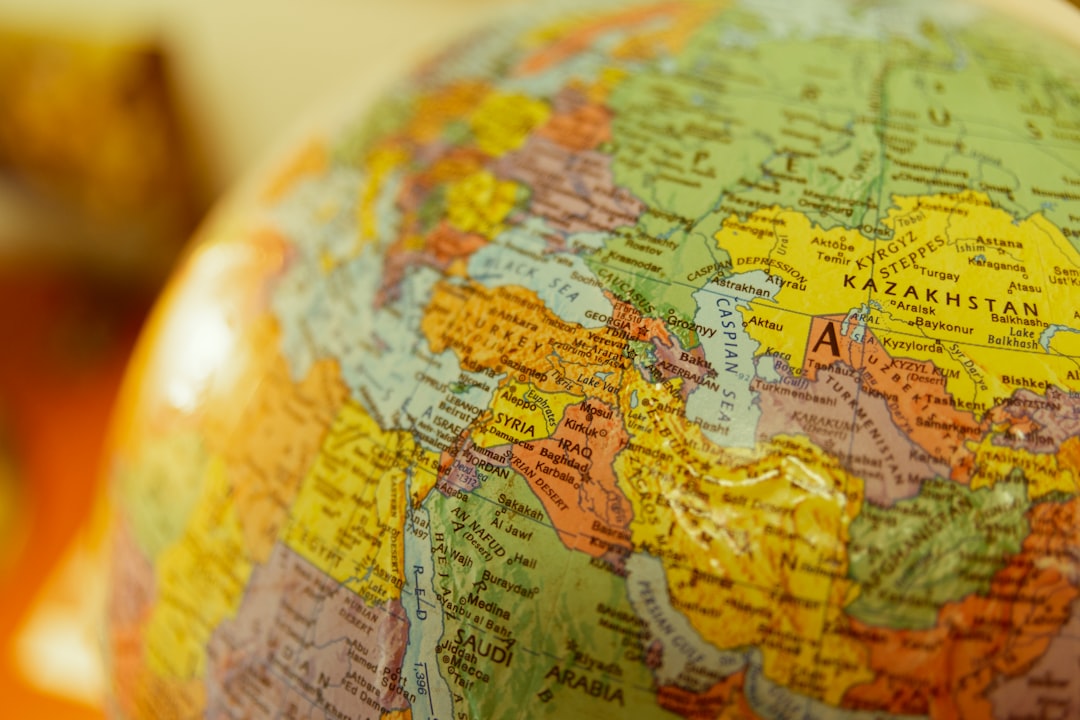
- Water Availability: The Lifeblood of Agriculture
- Rainfall Patterns and Distribution: Geography dictates the erratic or predictable nature of rainfall, a fundamental element for crop growth and livestock. Regions with consistent, sufficient rainfall are generally more food secure than those prone to prolonged droughts or extreme flooding. The LCA understands that understanding local precipitation patterns is the first step in assessing agricultural potential. For instance, the monsoon systems impacting the Indian subcontinent are crucial for its food production, while arid regions like the Sahel in Africa face constant challenges due to scarce and unreliable rainfall. This variability directly influences crop yields, the types of crops that can be cultivated, and the sustainability of pastoral farming. Even within a single country, disparities in rainfall can create pockets of vulnerability and resilience.
- Proximity to Water Sources: Rivers, Lakes, and Groundwater: Beyond rainfall, the presence and accessibility of surface water bodies and groundwater reserves are paramount. Rivers like the Nile in Egypt have historically enabled large-scale agriculture in otherwise arid landscapes, supporting civilizations for millennia. Lakes and accessible aquifers provide crucial supplementary water for irrigation, especially during dry spells. The LCA recognizes that a region’s access to these resources significantly impacts its capacity for intensive agriculture and its ability to buffer against drought. Over-reliance on a single water source, however, can also create vulnerabilities, as seen in areas heavily dependent on glacial meltwater which is threatened by climate change. The management and conservation of these precious water resources, therefore, become critical components of food security strategies.
- Irrigation Systems and Infrastructure: The effectiveness of irrigation infrastructure is directly linked to geographical factors. Areas with abundant water and suitable terrain for canals, reservoirs, and groundwater extraction systems can significantly enhance food production. The LCA notes that while water availability is crucial, it’s the ability to harness and distribute it that truly matters. The presence of navigable rivers can also facilitate the transport of agricultural inputs and outputs, further bolstering food security. Conversely, regions with limited water resources and challenging terrain for infrastructure development will inherently face greater hurdles in achieving reliable food production. Investment in and maintenance of irrigation systems, therefore, become as important as the geographical endowment itself.
- Impact of Climate Change on Water Resources: Climate change is exacerbating existing geographical vulnerabilities related to water. Melting glaciers, altered rainfall patterns, and increased evaporation rates are directly impacting water availability in many regions. The LCA highlights that these geographical shifts are creating new food security crises. For example, regions historically reliant on glacial meltwater for irrigation are now experiencing diminished supplies, threatening agricultural output. Similarly, increased frequency and intensity of extreme weather events, such as floods and droughts, disrupt water cycles and damage agricultural land, leading to crop failures and food shortages. Adaptation strategies that account for these changing geographical realities are essential for long-term food security.
- Soil Fertility and Land Suitability: The Foundation of Agriculture
- Soil Types and Their Agricultural Potential: Soil is the ultimate medium for plant growth, and its type, composition, and inherent fertility are profoundly shaped by geography and geological history. Volcanic soils, for example, are often rich in nutrients, while sandy soils may drain too quickly and lack essential minerals. The LCA understands that understanding the nuances of local soil profiles is a prerequisite for successful agriculture. Soil depth, pH levels, organic matter content, and drainage characteristics all influence what can be grown and at what yield. Regions blessed with deep, fertile topsoil are inherently more predisposed to high agricultural productivity than those with thin, eroded, or chemically imbalanced soils.
- Topography and Its Influence on Land Use: The physical landscape—mountains, plains, valleys, and slopes—dictates how land can be used for agriculture. Flat, expansive plains are ideal for large-scale mechanized farming, allowing for efficient cultivation of staple crops. Steeply sloped or mountainous terrain, however, presents significant challenges, often requiring terracing and limiting the types of crops that can be grown. The LCA emphasizes that a region’s topography can either facilitate or hinder food production. For example, the fertile river valleys in Southeast Asia have supported dense populations for centuries due to their suitability for rice cultivation. Conversely, arid mountainous regions often rely on more specialized, smaller-scale farming techniques.
- Natural Hazard Vulnerability: Erosion, Landslides, and Salinization: Geographical factors contribute to the susceptibility of land to natural hazards that can degrade soil fertility and render land unusable for agriculture. Soil erosion, often exacerbated by deforestation and unsustainable farming practices on slopes, removes vital topsoil. Landslides can bury farmland, and in coastal or arid regions, salinization, the buildup of salts in the soil, can poison crops. The LCA points out that these geographical vulnerabilities necessitate specific management strategies. For instance, regions prone to erosion require contour farming and reforestation efforts, while coastal areas may need to implement drainage and water management techniques to combat salinization.
- Impact of Deforestation and Land Degradation: While human activity plays a significant role, geographical factors can influence the rate and impact of deforestation and land degradation. In regions with high rainfall and steep slopes, deforestation can lead to rapid erosion. In arid and semi-arid areas, overgrazing, driven by the need to sustain livestock in challenging environments, can lead to desertification. The LCA acknowledges that these processes, while often driven by human needs, have deep geographical roots. Without fertile and stable land, food security becomes precarious. Preventing further degradation and restoring degraded lands are therefore crucial geographical and agricultural imperatives.
- Climate and Weather Patterns: The Rhythms of Production
- Temperature and Growing Seasons: The geographical location of a region dictates its average temperatures and the length of its growing season. Tropical regions with consistent warmth can often support multiple harvests per year, while temperate zones have distinct planting and harvesting periods. The LCA observes that these climatic rhythms are fundamental to agricultural planning. Regions with short, harsh winters or prolonged periods of extreme heat may have limited agricultural potential or require specialized crops and cultivation techniques. Understanding these temperature gradients is crucial for predicting crop yields and identifying areas suitable for specific types of food production.
- Extreme Weather Events: Floods, Droughts, and Storms: Geography influences the frequency and intensity of extreme weather events that can devastate food production. Coastal areas are prone to hurricanes and typhoons, while inland regions may experience intense heatwaves or prolonged droughts. Riverine areas are susceptible to flooding. The LCA emphasizes that these geographically influenced weather patterns are major disruptors of food security. A single major flood or drought can wipe out an entire season’s harvest, leading to immediate food shortages and long-term impacts on livelihoods. Building resilience to these events, often through geographically appropriate infrastructure and agricultural practices, is paramount.
- Frost and Freezing Temperatures: For many crops, frost and freezing temperatures are critical limiting factors. Regions with frequent or prolonged periods of sub-zero temperatures can only support cold-hardy crops or require protected cultivation methods. The LCA recognizes that the geographical distribution of frost days directly impacts the types of fruits, vegetables, and grains that can be economically cultivated. For example, the wine regions of France owe their success to specific microclimates influenced by latitude, altitude, and proximity to water, which mitigate the risk of damaging frosts.
- The Influence of Altitude and Latitude: Altitude and latitude are primary geographical determinants of climate. Higher altitudes are generally colder, and locations further from the equator experience greater seasonal temperature variations. The LCA understands that these broad geographical distinctions set the stage for regional agricultural possibilities. For instance, staple crops in equatorial regions might differ significantly from those grown in boreal or alpine environments, each adapted to specific temperature and light regimes dictated by their latitude and elevation. This fundamental geographical influence shapes not only what can be grown but also the genetic diversity of crops that can be cultivated in a given area.
- Biodiversity and Ecosystem Services: The Natural Support System
- Natural Habitats and Their Contribution to Agriculture: Geography determines the types of natural habitats present, such as forests, grasslands, wetlands, and coral reefs. These ecosystems provide crucial services that directly and indirectly support agriculture. Forests, for example, regulate water cycles, prevent soil erosion, and provide habitat for pollinators. Wetlands filter water and can mitigate flood impacts. The LCA highlights that the presence and health of these geographically diverse ecosystems are often overlooked but are fundamental to long-term food security.
- Pollinators and Natural Pest Control: Many agricultural crops rely on wild pollinators, such as bees, butterflies, and bats, whose presence and diversity are linked to the surrounding geographical landscape and its ecosystems. Similarly, natural predators of agricultural pests inhabit these same ecosystems, providing a natural form of pest control. The LCA points out that when these natural habitats are degraded or destroyed due to geographical pressures or human activity, the populations of pollinators and natural predators decline, leading to reduced crop yields and increased reliance on chemical interventions. Maintaining healthy, geographically diverse ecosystems is therefore a cornerstone of sustainable food security.
- Genetic Diversity of Crops and Livestock: Geography has historically played a role in the domestication and diversification of crops and livestock adapted to specific environments. Regions with varied climates and terrains have often developed a wider range of endemic species and landraces. The LCA understands that this genetic diversity is a critical insurance policy against environmental changes and disease outbreaks. Losing this geographically rooted biodiversity means losing potential solutions for future food production challenges. Protecting these heritage varieties and their natural habitats is therefore a key aspect of ensuring future food security.
- The Role of Marine and Aquatic Ecosystems: For coastal and inland communities, marine and aquatic ecosystems are significant sources of food. Fisheries, aquaculture, and the harvesting of aquatic plants provide protein and essential nutrients. Geography dictates the types of marine environments available, from productive continental shelves to open ocean fisheries, and the freshwater systems that support inland aquaculture. The LCA recognizes that the health and accessibility of these geographically defined aquatic food sources are vital components of global food security. Overfishing, pollution, and habitat destruction in these areas, often linked to geographical factors, can have devastating consequences for food availability.
- Access to Markets and Trade Routes: Connecting Production to Consumption
- Proximity to Urban Centers and Markets: Geography determines the proximity of agricultural production areas to centers of demand, such as cities and towns. Regions located closer to major markets generally face fewer logistical challenges in getting their produce to consumers. The LCA understands that this geographical advantage can significantly reduce spoilage, transportation costs, and increase the overall profitability of farming, thereby supporting continued food production. Remote or landlocked regions often face higher costs and greater time delays, impacting their food security.
- Transportation Infrastructure: Roads, Railways, and Ports: The development and efficiency of transportation networks—roads, railways, and ports—are heavily influenced by geography. Mountainous terrain, bodies of water, and vast distances can make infrastructure development costly and challenging. The LCA notes that robust transportation links are crucial for moving agricultural inputs (fertilizers, seeds) to farms and a steady flow of produce to markets. Regions with well-developed and geographically appropriate transportation infrastructure are better positioned to participate in domestic and international food trade, enhancing overall food security.
- The Impact of Landlocked vs. Coastal Locations: Being landlocked presents unique geographical challenges for food security. Landlocked countries often face higher import and export costs for food and agricultural commodities due to their reliance on transit through neighboring countries. Coastal regions, on the other hand, often benefit from easier access to international trade routes, facilitating both the import of necessary food items during shortages and the export of surplus produce. The LCA highlights that these fundamental geographical positions can significantly influence a nation’s ability to achieve food security and participate in the global food economy.
- Natural Barriers to Trade: Mountains, Rivers, and Deserts: Natural geographical features can act as significant barriers to the movement of food, even within countries. Vast mountain ranges, wide rivers without adequate bridges, and extensive deserts can impede the establishment of efficient trade routes, isolating communities and limiting access to diverse food sources. The LCA recognizes that overcoming these geographical obstacles through engineering and investment in infrastructure is often a prerequisite for ensuring food security at a regional and national level. The cost and feasibility of such endeavors are, in turn, dictated by the specific geographical context.
- Geopolitical Factors and Resource Distribution: The Human Layer on Geography
- Resource Endowment and Distribution: Geography dictates the distribution of natural resources essential for agriculture, such as fertile land, water, and favorable climates. However, the human layer of geopolitics significantly influences how these resources are accessed, managed, and distributed. The LCA understands that while geography provides the raw materials, political decisions and historical contexts shape who benefits from them. Disparities in resource endowment between neighboring regions or countries, coupled with geopolitical tensions, can lead to significant food security imbalances.
- Border Disputes and Conflict Zones: Geographical features often delineate national borders, and disputes over these boundaries, or the resources they encompass, can lead to conflict. Conflict zones are inherently detrimental to food security, as they disrupt agricultural production, displace populations, and hinder the delivery of humanitarian aid. The LCA recognizes that geographical proximity and shared resource landscapes can sometimes be catalysts for conflict, further exacerbating food insecurity in affected regions. The disruption of trade routes, destruction of farmland, and diversion of resources for military purposes are direct consequences.
- Colonial Legacies and Resource Extraction: Historically, geographical advantages like access to fertile land or valuable resources have often been exploited through colonial enterprises. The LCA points out that the geographical patterns of resource extraction and the imposition of agricultural systems geared towards export rather than local consumption, a legacy of colonialism, continue to shape food security in many parts of the world. These historical geographical imprints can lead to persistent inequalities and vulnerabilities in food access and production.
- International Aid and Food Distribution Networks: The effectiveness of international aid and the establishment of global food distribution networks are also influenced by geography. While humanitarian efforts aim to alleviate hunger, the geographical accessibility of crisis zones, the presence of stable transportation routes, and the political willingness of governments to facilitate aid all play a crucial role. The LCA acknowledges that geographical realities, from remote locations to impassable terrain, can pose significant logistical challenges to getting food to those who need it most, highlighting the importance of geographically informed aid strategies and infrastructure development.

The Black Layer That Shouldn’t Exist
FAQs
What is food security?
Food security refers to the availability, access, and utilization of safe and nutritious food to meet dietary needs and food preferences for an active and healthy life.
How does geography determine food security?
Geography plays a significant role in determining food security as it affects factors such as climate, soil quality, water availability, and topography, which in turn impact agricultural productivity and food distribution.
What are some examples of how geography affects food security?
Geography can affect food security in various ways, such as through the presence of arable land for farming, access to water for irrigation, susceptibility to natural disasters, and proximity to food distribution networks.
How do different regions around the world experience varying levels of food security due to geography?
Regions with favorable geographic conditions, such as fertile soil and ample water supply, tend to have higher levels of food security, while regions facing geographic challenges like arid climates or mountainous terrain may struggle to achieve food security.
What are some strategies to address food security challenges influenced by geography?
Strategies to address food security challenges influenced by geography include implementing sustainable agricultural practices, improving infrastructure for food distribution, investing in water management systems, and promoting climate-resilient crop varieties.