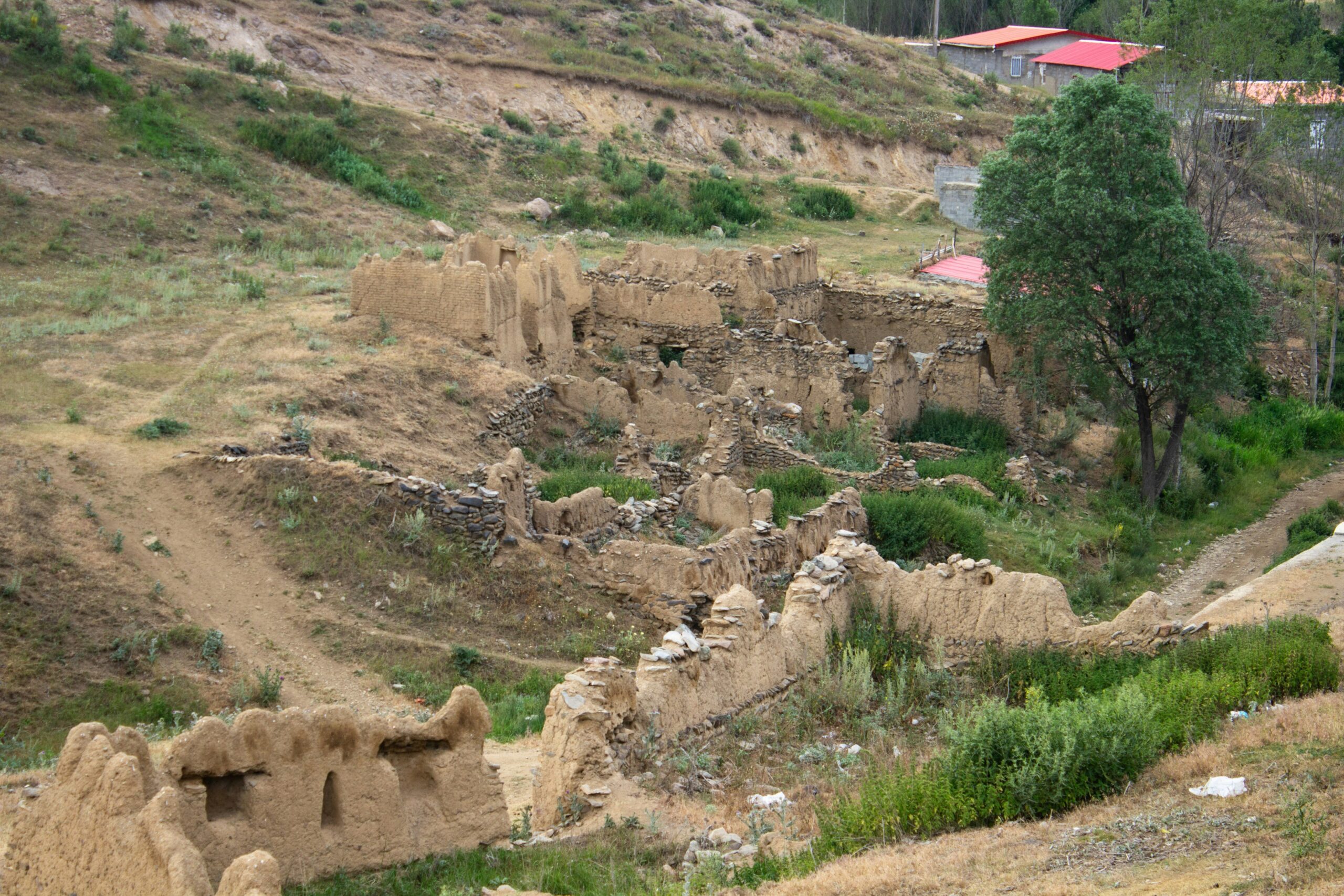
The LCA, a seasoned architect of engaging listicles, presents a curated exploration into the obscure corners of human history. This piece is designed to captivate and inform, drawing the reader into the mysteries of civilizations that have, until recently, remained largely undiscovered or relegated to the realms of myth. Prepare to have your understanding of the ancient world profoundly expanded.
1. Göbekli Tepe: The World’s First Temple, Older Than Civilization Itself
For millennia, the prevailing narrative of human history placed the dawn of civilization firmly within the Fertile Crescent, around 10,000 BCE. This was the era when hunter-gatherer societies supposedly transitioned to settled agriculture, giving rise to permanent settlements and, eventually, complex social structures. However, the unearthed marvels at Göbekli Tepe, in southeastern Turkey, have dramatically rewritten that timeline, pushing the boundaries of what we believed was possible for our ancient ancestors.
The Enigma of Göbekli Tepe’s Age
Discovered in the 1960s, Göbekli Tepe’s true significance remained hidden until Klaus Schmidt began excavations in 1994. The sheer age of the site is staggering. Radiocarbon dating places its earliest phase between 10,000 and 9000 BCE, making it not just older than the pyramids of Egypt or Stonehenge, but older than settled agriculture, pottery, and even the wheel. This challenges the long-held “Neolithic Revolution” theory, which posited that settled life and agricultural development were prerequisites for monumental architecture and organized religion.
A Temple Built by Hunter-Gatherers?
The most perplexing aspect of Göbekli Tepe is its nature: it appears to be a vast complex of massive stone pillars, many weighing several tons, arranged in circles. These pillars are intricately carved with vibrant reliefs of animals, including lions, boars, foxes, snakes, and birds. The scale of construction and the artistic sophistication involved suggest a level of organization, social cohesion, and shared belief system that was previously thought to be impossible for a nomadic or semi-nomadic hunter-gatherer society.
The Architectural Genius
The T-shaped limestone pillars, some as tall as 18 feet (5.5 meters) and weighing up to 10 tons, were quarried, transported, and erected by a people who, according to conventional understanding, lacked the tools and settled infrastructure to undertake such a monumental task. The precision with which these massive stones were shaped and fitted, often with no mortar, points to advanced engineering and planning capabilities. Elaborate enclosures, formed by these massive monoliths, hint at ritualistic gatherings and communal ceremonies.
The Symbolic Landscape
The animal carvings are not merely decorative; they are thought to carry significant symbolic meaning, potentially representing deities, spirits, or ancestral figures. The absence of depictions of human beings in the early phases is also noteworthy, leading to speculation about the spiritual beliefs and cosmology of its builders. Was this a place of worship, a celestial observatory, or a combination of both? The answers remain elusive, but the profound artistry and intentionality are undeniable.
The Mystery of Its Abandonment
Perhaps as mysterious as its construction is Göbekli Tepe’s deliberate entombment. Around 9000 BCE, the monumental structures were systematically backfilled with earth and debris, effectively burying them until modern rediscovery. The reasons for this seemingly intentional abandonment and sealing are unknown. Theories range from environmental changes to shifts in religious practices or social organization. Whatever the cause, the act preserved this extraordinary site for millennia, offering us a tantalizing glimpse into a forgotten chapter of human history.
In the quest to uncover the mysteries of hidden ancient civilizations, many researchers have turned their attention to the implications of historical governance and societal structures. An intriguing article that delves into the complexities of power and control in relation to ancient societies can be found at this link. It explores how the frameworks established in the past continue to influence modern governance, shedding light on the potential connections between ancient practices and contemporary emergency powers.
2. The Indus Valley Civilization: The Precocious Urban Marvel of South Asia
While often mentioned in the context of ancient civilizations, the Indus Valley Civilization (also known as the Harappan Civilization) is frequently overshadowed by its more famous contemporaries like Egypt and Mesopotamia. Yet, this sophisticated Bronze Age culture, which flourished along the Indus River and its tributaries in what is now Pakistan and northwestern India from approximately 3300 to 1300 BCE, was at its peak arguably more advanced in urban planning and sanitation than many later societies. Its sheer scale and the remarkable uniformity across its vast territory are testaments to its ingenuity.
The Unread Script: A Lingering Enigma
One of the most frustrating aspects of the Indus Valley Civilization is its undeciphered script. Thousands of seals, pottery shards, and copper tablets bear inscriptions in a unique script that has resisted all attempts at decipherment. Without understanding their language, much of their literature, religious beliefs, and administrative records remain locked away, leaving scholars to infer their culture largely through archaeological evidence.
The Seals of Power and Commerce
The distinctive steatite seals, often depicting animals (like the unicorn, bull, and elephant) and featuring the enigmatic script, are among the most iconic artifacts of the Indus Valley. These seals are believed to have been used for trade and administration, perhaps to mark ownership or authenticate goods. Their widespread distribution across the civilization’s vast territory indicates a highly organized economic system and extensive trade networks.
Daily Life Revealed Through Artifacts
Despite the unread script, archaeologists have unearthed a wealth of information about the daily lives of the Indus people. Their cities, such as Mohenjo-daro and Harappa, were remarkably well-planned, featuring grid-like street layouts, standardized brick sizes, and sophisticated drainage systems. Individual homes often had private wells and bathrooms, connected to a municipal sewage system – a level of urban sanitation that was not replicated for thousands of years in many parts of the world.
Remarkable Urban Planning and Engineering
The Indus Valley Civilization stands out for its unparalleled urban planning and civil engineering achievements. The standardization of city layouts, brick sizes, and even weights and measures across hundreds of settlements spread over a million square kilometers is astonishing.
The Cities of Mohenjo-daro and Harappa
Mohenjo-daro, meaning “Mound of the Dead,” and Harappa, the namesake of the civilization, are the most extensively excavated sites. They showcase advanced civic amenities, including raised citadel areas, public baths, granaries, and sophisticated water management systems. The Great Bath at Mohenjo-daro, a large, watertight rectangular basin, is believed to have served a ritualistic or communal purpose.
Water Management: A Civilization’s Lifeline
The Indus people developed sophisticated systems for water supply and drainage. Wells were common in homes, and elaborate systems of covered drains carried wastewater away from residential areas, preventing the spread of disease and contributing to the health and longevity of the urban population. This focus on public health and sanitation is a hallmark of their advanced civilization.
Theories of Decline: A Slow Fade or Sudden Collapse?
The reasons for the decline and eventual disappearance of the Indus Valley Civilization around 1300 BCE remain a subject of debate. Several theories have been proposed, often involving a combination of factors.
Environmental Shifts and Climate Change
One prominent theory suggests that significant environmental changes, such as shifts in monsoon patterns or gradual desertification, may have disrupted agriculture, leading to famine and resource scarcity. Changes in the course of the Indus River itself might have also played a crucial role, rendering previously fertile lands barren.
Invasion or Natural Disaster?
While an Aryan invasion was once a popular theory, it is now largely discredited. More plausible explanations for decline include widespread flooding, earthquakes, or a combination of environmental pressures that led to a gradual societal breakdown and migration, rather than a sudden collapse. The precise trajectory of their end remains one of history’s compelling mysteries.
3. The Nabataeans: Masters of the Desert and Architects of Petra
Hidden within the rugged desert landscape of modern Jordan, the ancient city of Petra stands as a breathtaking testament to the ingenuity and artistic prowess of the Nabataeans. This once-thriving civilization, who dominated the lucrative incense and spice trade routes for centuries, carved their empire from the very rock of the desert, leaving behind a legacy of architectural wonders that continue to astound visitors today.
The Kingdom of the Desert Nomads
Emerging from the Arabian Peninsula around the 6th century BCE, the Nabataeans were originally nomadic Arab tribes. They gradually settled and established a kingdom that controlled key trade routes connecting Arabia, Egypt, Syria, and the Mediterranean. Their strategic location and control over vital resources like water allowed them to amass considerable wealth and influence.
The Silk Road of the Ancient World
The Nabataeans were astute merchants, leveraging their control over desert oases and caravan trails. They facilitated the trade of precious commodities such as frankincense, myrrh, spices, bitumen, and silk, which were in high demand throughout the ancient world. Their mastery of desert survival and navigation made them indispensable intermediaries in this vast commercial network.
A Language Carved in Stone
The Nabataeans developed their own script, an Aramaic derivative, which bears resemblance to early forms of Arabic and Hebrew. This script is found on their monumental architecture, stone inscriptions, and papyrus fragments. While their language has been largely lost, the inscriptions offer invaluable insights into their history, religion, and administration.
Petra: The Rose-Red City, Half as Old as Time
The Nabataean capital, Petra, is their most enduring and awe-inspiring achievement. Carved directly into vibrant sandstone cliffs, it is a city of remarkable beauty and sophisticated engineering. The iconic Treasury (Al-Khazneh) and the Monastery (Ad Deir) are just two of the hundreds of tombs, temples, and dwellings that adorn the site.
The Art of Rock-Cut Architecture
The Nabataeans were masters of hydraulic engineering and rock-cut architecture. They developed intricate systems of cisterns, dams, and channels to collect and store precious rainwater in their arid environment. This allowed them to sustain a large population and prosper in a seemingly inhospitable landscape. Their ability to carve such elaborate facades directly into the cliffs demonstrates an exceptional understanding of geology and architectural design.
The Hellenistic Influence and Beyond
While maintaining their distinct cultural identity, the Nabataeans were clearly influenced by Hellenistic and Roman artistic styles. This is evident in the architectural motifs found in Petra, such as columns, pediments, and decorative friezes, which blend indigenous traditions with classical elements. This fusion created a unique and captivating aesthetic.
The Roman Annexation and Later Rediscovery
In 106 CE, the Roman Empire annexed the Nabataean kingdom, and Petra became part of the Roman province of Arabia Petraea. While the city continued to flourish under Roman rule for a time, shifting trade routes and subsequent invasions led to its gradual decline. By the Byzantine era, it was largely abandoned, and its existence became a legend.
The Lost City Found
Petra remained hidden from the Western world for centuries, known only to local Bedouin tribes. It was famously “rediscovered” by Swiss explorer Johann Ludwig Burckhardt in 1812, who, disguised as an Arab traveler, persuaded his guide to take him to the fabled city. His vivid accounts ignited global fascination, leading to extensive archaeological exploration.
A Legacy Carved in Stone
The Nabataeans, a civilization that emerged from the desert and carved its destiny into the very bedrock of the earth, left an indelible mark on history. Their architectural masterpieces, their mastery of trade and water management, and their unique cultural fusion continue to inspire awe and wonder, reminding us of the remarkable achievements of ancient peoples.
4. The Kingdom of Aksum: An African Powerhouse of Antiquity
Often overlooked in discussions of ancient empires, the Kingdom of Aksum, in present-day Ethiopia and Eritrea, was a major power in the ancient world from the 1st century CE to the 7th century CE. It was a significant player in regional trade, a center of Christianity, and known for its colossal stelae, which remain enigmatic testaments to its grandeur.
The Gateway to Trade and Influence
Aksum’s strategic location on the Red Sea coast made it a vital hub for international trade. It controlled important trade routes connecting the Roman Empire, Persia, and India, facilitating the movement of goods such as ivory, gold, emeralds, slaves, and spices. The Aksumites even issued their own coinage, a testament to their economic prosperity and sophisticated administration.
The Maritime Empire
Aksum’s dominance extended beyond its territorial borders into the maritime world. They engaged in extensive sea trade, their ships plying the Red Sea and extending their influence across the southern Arabian Peninsula. Their control of these trade networks brought them immense wealth and contributed to their ascendancy as a regional superpower.
A Melting Pot of Cultures
As a major trading power, Aksum was a cosmopolitan center where various cultures and ideas converged. Influences from the Mediterranean, the Near East, and the Indian subcontinent can be seen in its art, architecture, and religious practices. This cultural exchange shaped Aksum’s unique identity and contributed to its intellectual and artistic achievements.
The Enigmatic Stelae of Aksum
Perhaps the most striking visual legacy of the Aksumite civilization are its colossal stelae, or obelisks. These massive granite monuments, some weighing hundreds of tons and reaching heights of over 100 feet (30 meters), are carved with intricate details and resemble multi-story buildings. Their exact purpose remains a subject of scholarly debate.
Monuments to Kings and Power
The stelae are widely believed to have served as monumental tombs or markers for Aksumite royalty and nobility. Their impressive scale and elaborate carvings suggest a profound reverence for their rulers and a desire to immortalize their power and achievements. The intricate detailing, including false windows and doors, hints at a belief in an afterlife and the need for provisions for the deceased.
Engineering Marvels of the Ancient World
The quarrying, transportation, and erection of these colossal stone monoliths represent an extraordinary feat of ancient engineering. Without modern machinery, the Aksumites managed to carve, transport, and meticulously position these massive stones with remarkable precision. The techniques they employed are still debated, but they undoubtedly demonstrate a sophisticated understanding of mechanics and logistics.
The Rise of Christianity and Aksumite Identity
Aksum adopted Christianity as its state religion in the 4th century CE, under the reign of King Ezana, who is also credited with issuing the first Aksumite coins. This conversion had a profound impact on the kingdom’s identity, solidifying its cultural and religious ties with the Byzantine Empire and shaping its artistic and architectural traditions.
The Ark of the Covenant and Tenuous Connections
According to Ethiopian tradition, the Ark of the Covenant, containing the Ten Commandments, was brought to Aksum by Menelik I, the son of King Solomon and the Queen of Sheba. This deeply ingrained belief is central to Ethiopian Orthodox Christianity and links Aksum to ancient biblical narratives, although this claim is not supported by historical or archaeological evidence.
A Powerful Kingdom Fading from Influence
By the 7th century CE, Aksum’s power began to wane, largely due to the rise of Islam and the subsequent disruption of its Red Sea trade routes. While the kingdom didn’t disappear overnight, its influence diminished, and it eventually fractured into smaller successor states. The legacy of Aksum, however, endures in its magnificent stelae, its rich Christian heritage, and its significant contributions to the history of Africa and the ancient world.
Exploring the mysteries of hidden ancient civilizations can lead to fascinating discoveries about our past and the cultures that shaped human history. For those interested in understanding how these civilizations might influence modern society, a related article discusses the implications of financial security and governance in today’s world. You can read more about this intriguing connection in the article on retirement accounts and government safety here.
5. The Olmec Civilization: The “Mother Culture” of Mesoamerica
Long before the Maya and Aztecs rose to prominence, a sophisticated civilization known as the Olmec flourished in the tropical lowlands of south-central Mexico from around 1500 BCE to 400 BCE. This enigmatic culture, often referred to as the “Mother Culture” of Mesoamerica, laid the groundwork for many of the later achievements of its successors, leaving behind a legacy of colossal stone heads, sophisticated iconography, and a profound influence on the development of Mesoamerican civilization.
The Architects of the Colossal Heads
Perhaps the most striking and iconic creations of the Olmec civilization are their monumental stone heads. These massive basalt sculptures, some weighing up to 40 tons and standing over 9 feet (3 meters) tall, depict distinct human-like faces with characteristic broad noses and full lips. The origins of these heads and the identity of the individuals they represent remain subjects of intense study and speculation.
A Puzzle of Identity and Purpose
The immense effort required to quarry, transport, and carve these colossal heads suggests a highly organized society with a strong leadership and a significant labor force. Theories about their purpose range from portraits of rulers and prominent ancestors to representations of deities or shamanic figures. The fact that they are found at major Olmec centers like San Lorenzo, La Venta, and Tres Zapotes indicates their significant cultural and religious importance.
The Art of Basalt Carving
The Olmecs were masters of stone carving. They quarried basalt from distant volcanic mountain ranges, transporting the massive blocks over long distances, potentially using log rollers and manpower. The precision and artistry with which they shaped these hard stones, creating such realistic and imposing portraits, are a testament to their skill and dedication.
The Foundation of Mesoamerican Civilization
The Olmecs are credited with developing many of the fundamental elements that would define later Mesoamerican cultures. Their innovations and cultural practices established a precedent that was later adopted and adapted by subsequent civilizations.
Early Forms of Writing and Calendar Systems
While the Olmec script remains largely undeciphered, evidence suggests they developed early forms of hieroglyphic writing. They are also thought to have developed the earliest known Mesoamerican calendar system, a complex and sophisticated system of interlocking cycles that would be refined by the Maya and other cultures.
Religious Beliefs and Iconography
The Olmecs had a rich and complex religious system, with a pantheon of deities that included jaguar figures, feathered serpents, and other powerful natural or supernatural beings. Their iconography, characterized by intense gazes, snarling mouths, and supernatural features, profoundly influenced the religious art and symbolism of later Mesoamerican civilizations.
The Mystery of Their Decline
Like many ancient civilizations, the Olmecs eventually experienced a decline. The exact reasons for their disappearance are not fully understood, but archaeological evidence points to a combination of factors.
Environmental Changes and Societal Stress
Shifts in river courses, soil erosion, and potential climate changes may have impacted their agricultural base, leading to resource scarcity and societal stress. The destruction of some Olmec centers, such as San Lorenzo, suggests periods of conflict or internal upheaval.
Heritage Carried Forward
While the Olmec civilization itself faded, its cultural and intellectual legacy was not lost. The innovations in art, religion, calendrics, and social organization introduced by the Olmecs were passed down and adapted by subsequent Mesoamerican cultures, most notably the Maya and the Aztecs, who built upon their foundations to create even more spectacular civilizations. The Olmecs, though shrouded in mystery, undeniably shaped the destiny of one of the world’s most fascinating cultural hearths.
6. The Kingdom of Kush: A Powerful Nubian Empire
South of ancient Egypt, in the fertile Nile Valley of what is now Sudan, flourished the Kingdom of Kush. This formidable Nubian civilization, with its capital at Meroë, rivaled Egypt for centuries, developed its own unique script, and was renowned for its skilled archers and its rich production of iron. Though often overshadowed by its northern neighbor, Kush was a civilization of immense power and cultural significance.
A Long and Rich History
The history of Kush spans over a thousand years, from its early beginnings as a powerful kingdom in the Kerma period (c. 2500-1500 BCE) to its Meroitic period (c. 800 BCE – 350 CE). This long lifespan allowed for the development of a distinct and enduring culture, deeply intertwined with the Nile but with its own unique traditions and innovations.
Early Dynastic Power and Egyptian Influence
In its early phase, the Kingdom of Kush was a major regional power, often in competition with Egypt. While there were periods of Egyptian domination, Kush also exerted its influence northward, with Kushite pharaohs even ruling Egypt during the 25th Dynasty. This complex relationship fostered a shared cultural heritage but also highlighted Kush’s independent strength.
The Golden Age of Meroë
The Meroitic period marked the zenith of Kushite power, with its capital at Meroë, a vital center for iron production and trade. The kingdom controlled trade routes that connected the African interior with the Red Sea and the Mediterranean, exporting gold, ivory, ebony, and enslaved people, and importing luxury goods, wine, and manufactured products.
The Pyramids of Meroë: A Nubian Distinction
While the pyramids of Egypt are world-famous, Kush also boasts extensive and distinctive pyramid fields, particularly at Meroë and Napata. These Kushite pyramids, however, differ significantly from their Egyptian counterparts. They are generally smaller, steeper, and have a more refined, somewhat angular design.
Cemeteries of Kings and Queens
The pyramids served as burial places for the Kushite royalty, including numerous kings and queens who ruled the kingdom. The sheer number and scale of these royal necropolises indicate the wealth and power of the Kushite monarchy. Excavations have revealed rich grave goods, including pottery, jewelry, weapons, and remnants of textiles, offering glimpses into their material culture.
A Legacy of Iron Production
Meroë was also a renowned center for iron smelting. The availability of iron ore in the surrounding hills, coupled with advanced smelting techniques, allowed the Kushites to produce high-quality iron tools and weapons. This mastery of metallurgy gave them a significant military advantage and facilitated their trade in iron goods.
The Undeciphered Meroitic Script
One of the enduring mysteries of the Kingdom of Kush is its script, known as Meroitic. Developed from Egyptian hieroglyphs and hieratic scripts, it was used for over 2,000 years, yet it remains largely undeciphered. Scholars have managed to decipher the pronunciation of some words, but the full meaning and historical narratives captured in this script are still largely inaccessible.
Clues from Bilingual Inscriptions
The hope for full decipherment lies in finding bilingual inscriptions, similar to the Rosetta Stone that unlocked Egyptian hieroglyphs. While some short inscriptions exist, a comprehensive text that bridges the Meroitic script with a known language has yet to be discovered, leaving a wealth of historical and cultural information locked away.
A Civilization That Faded but Not Forgotten
By the 4th century CE, the Kingdom of Kush experienced a decline, facing pressure from its neighbors, including the rising power of Aksum. Its eventual collapse marked the end of a significant chapter in African history. However, the impressive architecture, the advanced metallurgy, and the enduring mystery of its script ensure that the Kingdom of Kush remains a vital and fascinating subject of study for anyone seeking to understand the richness and diversity of ancient civilizations.
7. The Kingdom of Punt: The Mysterious Land of Treasures
The exact location of the Land of Punt remains one of ancient history’s most tantalizing geographical puzzles. Mentioned extensively in Egyptian records from the Old Kingdom through the New Kingdom and beyond, Punt was described as a land of exotic treasures, including incense, ebony, ivory, gold, aromatic woods, and wild animals. The Egyptians held Punt in high regard, undertaking numerous expeditions to this distant, legendary realm.
Egyptian Accounts: A Window into a Legendary Land
Egyptian inscriptions and tomb paintings provide the primary source of our knowledge about Punt. The most famous depiction is from the mortuary temple of Queen Hatshepsut at Deir el-Bahari, which meticulously documents an expedition to Punt around 1490 BCE. These accounts paint a picture of a prosperous land, rich in resources that were highly prized by the Egyptians.
The Incense Route and Exotic Goods
Punt was particularly renowned for its high-quality incense, most notably frankincense and myrrh. These aromatic resins were essential for religious rituals, perfumes, and medicinal purposes in ancient Egypt. The Egyptians were eager to secure these valuable commodities, which were not native to their own land. The depictions show Puntite people, their distinct houses on stilts, and the abundant exotic flora and fauna.
The “Land of the Gods”
The Egyptians often referred to Punt as the “Land of the Gods,” highlighting its perceived spiritual significance and the extraordinary nature of its offerings. The expeditions were often undertaken in the name of the deities, and the treasures brought back were used to adorn temples and enrich the priesthood. This reverence suggests that Punt held a special place in the Egyptian cosmology and economy.
The Debate Over Punt’s Location
The location of Punt has been the subject of much scholarly debate for centuries. While the biblical references to “Ophir” have been associated with Punt, no definitive archaeological evidence has conclusively pinpointed its exact whereabouts.
Theories and Speculations
Various regions have been proposed as potential locations for Punt, including the Horn of Africa (modern-day Eritrea, Djibouti, and northern Ethiopia), parts of Somalia, southern Arabia (Yemen and Oman), and even coastal East Africa up to Kenya and Tanzania. Each theory has supporting arguments based on linguistic analysis of ancient texts, botanical evidence, and geographical parallels.
Archaeological Challenges
The difficulty in definitively locating Punt lies in the scarcity of direct archaeological evidence from the Puntite people themselves. If Punt was a land of nomadic or semi-nomadic peoples, or if its settlements were situated in areas prone to erosion or seismic activity, then its physical remains would be elusive. Furthermore, if its primary export was perishable goods like incense, fewer permanent artifacts might have been left behind.
The Legacy of a Mysterious Trade Partner
Despite the enduring mystery of its precise location, the Kingdom of Punt played a significant role in the ancient world. It was a crucial trading partner for Egypt, supplying it with invaluable resources that were integral to its religious practices, economy, and daily life. The expeditions to Punt highlight the advanced seafaring capabilities and ambitious trade networks of the New Kingdom Egyptians.
The Economic and Cultural Exchange
The interactions between Egypt and Punt fostered economic exchange that enriched both cultures. While Egypt benefited from Punt’s exotic goods, Punt likely received manufactured items, metals, and perhaps other goods from Egypt in return. This exchange, though one-sidedly documented, speaks to the interconnectedness of the ancient world.
A Symbol of the Exotic and Abundant
Punt continues to capture the imagination as a symbol of the exotic, the abundant, and the unknown. Its legendary status, fueled by ancient Egyptian accounts, invites us to ponder the vastness of the ancient world and the countless civilizations that thrived, traded, and left their indelible, if sometimes ephemeral, marks on history, waiting to be unearthed and understood.

What If 90% of Human History Is Underwater?
FAQs

What are hidden ancient civilizations?
Hidden ancient civilizations refer to societies and cultures from ancient times that have been largely forgotten or overlooked by mainstream history. These civilizations may have existed in remote or inaccessible locations, or their ruins may have been buried over time.
How do archaeologists discover hidden ancient civilizations?
Archaeologists use a variety of methods to discover hidden ancient civilizations, including satellite imagery, ground-penetrating radar, LiDAR technology, and traditional excavation techniques. These tools help researchers identify potential sites and uncover evidence of past civilizations.
Why are hidden ancient civilizations important?
Studying hidden ancient civilizations can provide valuable insights into the diversity of human cultures and the development of societies over time. These civilizations may have unique technologies, art, and social structures that contribute to our understanding of human history.
What are some examples of hidden ancient civilizations?
Examples of hidden ancient civilizations include the Indus Valley civilization in South Asia, the Mesoamerican city of Teotihuacan, the ancient city of Petra in Jordan, and the ancient city of Göbekli Tepe in Turkey. These sites were once thriving centers of culture and trade, but were eventually abandoned and forgotten.
How can the study of hidden ancient civilizations impact our understanding of history?
Studying hidden ancient civilizations can challenge existing historical narratives and provide new perspectives on the development of human societies. By uncovering these lost civilizations, researchers can gain a more comprehensive understanding of the complexities of ancient cultures and their contributions to the modern world.