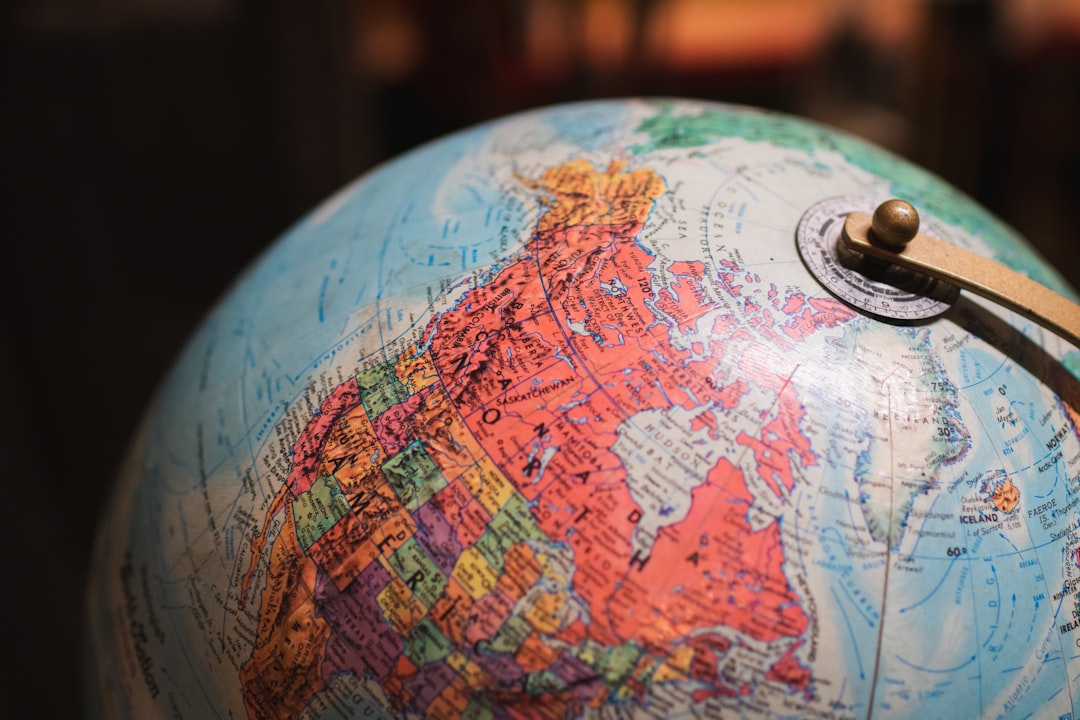
The Listicle Content Architect (LCA) foresees a precarious future, one where the very foundations of modern society are being eroded by a confluence of interconnected crises. The era of seemingly endless abundance is giving way to a stark reality: civilization, as we know it, is teetering on the brink of widespread shortages. Understanding the multifaceted nature of these threats is the first step toward navigating them. This listicle will delve into seven critical reasons why the specter of scarcity is rapidly becoming a tangible concern for billions across the globe.
1. The Great Decoupling: Supply Chains Under Siege
For decades, the global economy has operated on the principle of hyper-efficiency, driven by meticulously optimized supply chains. These intricate networks, designed to deliver goods at the lowest possible cost, have inadvertently become a critical vulnerability. The interconnectedness that once fostered global prosperity now makes the entire system susceptible to cascading failures.
The Fragility of Globalization
The very nature of globalized manufacturing and distribution has created a dependence on incredibly long and complex supply chains. A disruption in one corner of the world can have far-reaching consequences, impacting the availability of everything from microchips to medical supplies. The recent pandemic exposed this fragility with brutal clarity, as ports clogged, factories shuttered, and shipping containers became a precious commodity.
Just-In-Time’s Downside
The “just-in-time” inventory management system, while cost-effective in stable times, leaves little room for error or unexpected shocks. Companies maintain minimal stock, relying on the constant, predictable flow of goods. When that flow is interrupted, shelves empty quickly, and the ripple effects are felt by consumers and businesses alike. The lean manufacturing models that revolutionized industry are now proving to be dangerously brittle in an unpredictable world.
Geopolitical Fault Lines
Increasing geopolitical tensions, trade wars, and regional conflicts further exacerbate supply chain vulnerabilities. Nations are increasingly looking inward, seeking to reshore manufacturing and reduce reliance on perceived adversaries. This strategic shift, while aiming for resilience, can lead to fragmented production, increased costs, and ultimately, reduced global output of certain goods. The weaponization of trade and the imposition of sanctions create artificial barriers to the free flow of goods, contributing to localized shortages.
The Physical Infrastructure Bottlenecks
Beyond the digital and geopolitical, there are tangible limitations within the physical infrastructure that supports global trade. Aging ports, insufficient rail networks, and a shortage of truck drivers in many developed nations represent significant bottlenecks. These limitations, often overlooked in times of smooth sailing, become critical choke points when demand surges or disruptions occur. The capacity to move goods quickly and efficiently is a cornerstone of global supply, and its degradation is a direct path to scarcity.
The Container Conundrum
The infamous shipping container crisis highlighted how a seemingly simple logistical element could cripple global commerce. A mismatch in container availability and location, coupled with port congestion, led to massive delays and skyrocketing freight costs. This single issue underscored the intricate, often overlooked, machinery that keeps the modern economy running and the devastating impact when even a small cog fails.
The Human Element: Labor Shortages
A critical, often understated, factor is the growing shortage of skilled labor across various sectors. From truck drivers and port workers to skilled manufacturing technicians and agricultural laborers, the human workforce is facing significant challenges. An aging workforce, a lack of interest in physically demanding or low-paying jobs, and the impact of global events on labor mobility all contribute to this deficit. Without sufficient hands to produce, transport, and maintain, the flow of goods and services inevitably falters.
In recent discussions about the precarious state of global resources, an insightful article titled “Haiti: State Failure and Its Consequences” highlights the alarming reality that civilization may be only days away from severe shortages. The piece delves into the implications of state failure and how it can trigger a domino effect on supply chains and resource availability. For a deeper understanding of these pressing issues, you can read the article here: Haiti: State Failure and Its Consequences.
2. The Unrelenting March of Climate Change
Climate change is no longer a distant threat; it is a present and escalating danger, directly impacting resource availability and agricultural productivity. The increasing frequency and intensity of extreme weather events are wreaking havoc on food systems, water supplies, and vital infrastructure, all leading to potential shortages.
Agricultural Havoc
The foundation of civilization rests on our ability to feed ourselves. Climate change directly undermines this ability.
Drought and Desertification
Rising global temperatures lead to increased evaporation and more prolonged, intense droughts. Vast swathes of arable land are succumbing to desertification, rendering them useless for agriculture. Regions that once supplied significant portions of the world’s food are now struggling with water scarcity, leading to crop failures and reduced yields. This directly translates to shortages of staple crops like grains and legumes.
Flooding and Extreme Rainfall
Conversely, other regions are experiencing unprecedented rainfall and extreme flooding. These events not only destroy standing crops but also damage fertile topsoil, making recovery difficult. Flooding can contaminate water sources, disrupt transportation networks, and create conditions ripe for disease outbreaks, further impacting food security and a region’s ability to produce and distribute goods.
Shifting Growing Seasons and Pests
The delicate balance of growing seasons is being disrupted. Warmer winters allow pests and diseases to survive and spread more readily, attacking crops with renewed vigor. Simultaneously, shifts in temperature and precipitation patterns can render traditional farming practices ineffective, forcing farmers to adapt to unfamiliar conditions and potentially reduce their output.
Water Scarcity’s Grasp
Water is the lifeblood of civilization, and its availability is increasingly precarious. Climate change intensifies this crisis through altered precipitation patterns and glacial melt.
Depleting Aquifers and Rivers
Many of the world’s major rivers and aquifers are being depleted at unsustainable rates due to increased demand for agriculture, industry, and domestic use, exacerbated by reduced replenishment from erratic rainfall and disappearing glaciers. This trend points towards a future where access to clean, fresh water becomes a luxury rather than a right.
Impact on Industry and Energy
Water is crucial for a vast array of industries, from manufacturing to energy production (e.g., cooling in power plants). Severe water shortages can lead to shutdowns, reduced production, and an inability to maintain essential services, creating shortages in manufactured goods and energy.
The Rise of Climate Refugees and Mass Migration
As climate-related disasters intensify and render regions uninhabitable, mass migration and displacement are becoming a chronic issue. This puts immense pressure on resources in receiving areas, potentially straining food, water, and housing supplies, and exacerbating existing inequalities and creating new ones.
3. Resource Depletion: Digging Too Deep, Too Fast
The insatiable appetite of modern civilization for raw materials is pushing the planet’s finite resources to their limits. Extraction rates have outpaced natural replenishment, leading to dwindling reserves and escalating prices for essential commodities.
Minerals and Metals: The Building Blocks of Modernity
Our technological world is built on a foundation of minerals and metals, from the rare earth elements powering our electronics to the copper and aluminum used in infrastructure.
Finite Reserves
Many of these crucial elements exist in finite quantities. As easily accessible and economically viable deposits are exhausted, companies are forced to explore more challenging and environmentally damaging extraction methods, often at higher costs. This makes future access and affordability increasingly uncertain.
Geopolitical Control and Conflict
The concentration of certain critical minerals in specific geopolitical regions creates vulnerabilities. Nations with significant reserves wield considerable influence, and competition for these resources can fuel international tensions and even conflict, directly impacting the supply chains of essential components.
The E-Waste Mountain
The rapid obsolescence of electronic devices creates a growing mountain of e-waste. While valuable materials are present, efficient and widespread recycling remains a significant challenge, leading to the loss of potentially recoverable resources and increasing demand for virgin materials.
Fossil Fuels: A Declining Dominance
While the transition to renewable energy is underway, the world still heavily relies on fossil fuels for energy, transportation, and petrochemicals.
Peak Oil and Gas Debates
While the exact timeline is debated, the concept of “peak oil” and “peak gas” suggests that production rates for these finite resources will eventually decline. As easy-to-access reserves dwindle, the cost and environmental impact of extraction increase, potentially leading to price volatility and shortages.
Geopolitical Leverage and Volatility
The control of fossil fuel reserves remains a significant source of geopolitical power and a driver of international instability. Supply disruptions, driven by conflict or political decisions, can have immediate and profound impacts on global energy prices and availability, affecting all sectors of the economy.
Soil Degradation and Deforestation
Beyond the subsurface, the very soil that sustains life and the forests that provide vital ecosystem services are under immense pressure.
Industrial Agriculture’s Toll
Intensive industrial agriculture, while productive, often leads to soil degradation through over-farming, monoculture, and the excessive use of chemicals. This diminishes the land’s capacity to produce food over time.
Deforestation for Expansion
The relentless demand for land for agriculture, logging, and urbanization drives deforestation. This not only reduces biodiversity but also diminishes the planet’s ability to sequester carbon and regulate water cycles, impacting long-term agricultural productivity and increasing vulnerability to climate-related disasters.
4. Demographic Shifts and Unmet Demand
Global demographic trends are creating a complex web of challenges that contribute to shortages. A burgeoning global population, coupled with changing lifestyle demands and the aging of populations in developed nations, places an ever-increasing strain on existing resources and infrastructure.
The Population Boom and its Strain
The sheer increase in the number of people on Earth directly translates to a higher demand for everything: food, water, energy, housing, and manufactured goods.
Increased Consumption Patterns
As developing nations grow and more people enter the middle class, consumption patterns shift dramatically. The desire for more goods, faster transportation, and greater access to technology all contribute to an accelerated demand for resources. This growth outpaces the ability of many supply chains and production systems to keep up.
Urbanization and its Pressures
The rapid urbanization of the global population concentrates demand in specific areas. Cities require massive amounts of water, energy, and food, placing immense pressure on local and regional infrastructure. The ability to efficiently supply these densely populated hubs becomes a critical factor in preventing shortages.
The Aging of Developed Nations
While the global population is growing, many developed nations are experiencing an aging population, with declining birth rates and increasing life expectancies.
Shrinking Workforce and Productivity
An aging population signifies a shrinking workforce relative to the total population. This can lead to reduced productivity, labor shortages in key sectors, and an increased burden on social security and healthcare systems, which divert resources that might otherwise be invested in production and infrastructure.
Shifting Consumption Demands
An older demographic often has different consumption patterns, potentially leading to increased demand for healthcare services and pharmaceuticals, and potentially reduced demand for certain consumer goods. This shift requires industries to adapt, and failure to do so can lead to imbalances and shortages in specific sectors.
The Rise of the “Experience Economy”
As basic needs are met for an increasing number of people, there’s a growing shift towards the “experience economy” – spending on travel, entertainment, and personal services. While this fosters economic growth in some areas, it can also divert resources and capital away from essential industries that produce tangible goods, potentially leading to shortages in manufactured and agricultural products.
Recent analyses suggest that civilization may be only days away from facing significant shortages due to various factors, including supply chain disruptions and increasing demand for essential goods. A related article discusses the implications of reshoring on the U.S. economy, highlighting how bringing manufacturing back to domestic soil could alleviate some of these pressures. For more insights on this critical issue, you can read the full article here. Understanding these dynamics is essential for preparing for potential shortages in the near future.
5. Biodiversity Loss and Ecosystem Collapse
The intricate web of life, biodiversity, is under unprecedented assault. The loss of species and the degradation of ecosystems have profound and often unforeseen consequences for human well-being, directly impacting the availability of resources, pest control, and pollination.
The Pillars of Our Food System Under Threat
Our food supply is not an isolated system; it relies on a healthy and diverse natural environment.
Pollinator Decline
Bees, butterflies, and other pollinators are essential for the reproduction of a vast number of food crops. Habitat loss, pesticide use, and climate change are leading to a dramatic decline in pollinator populations, directly threatening the yields of fruits, vegetables, and nuts, and potentially leading to shortages of these vital food sources.
Soil Health and Microbes
Healthy soil is teeming with a complex ecosystem of bacteria, fungi, and invertebrates that are crucial for nutrient cycling and plant growth. Soil degradation, driven by unsustainable farming practices and pollution, leads to a loss of this vital microbial diversity, resulting in less fertile land and reduced crop yields.
The Cascade of Extinctions
The loss of one species can have a ripple effect throughout an ecosystem, disrupting food chains and ecological processes. The extinction of predators can lead to an explosion in pest populations that damage crops, while the loss of certain plant species can impact the availability of traditional medicines and even affect water cycles.
Ecosystem Services Undermined
Beyond direct resource provision, healthy ecosystems provide invaluable “services” that support human life.
Water Purification and Regulation
Forests and wetlands act as natural filters, purifying water and regulating water flow, preventing floods and droughts. Their destruction degrades these services, leading to increased water pollution and a greater vulnerability to water-related disasters, impacting the availability of potable water.
Natural Pest Control
Intact ecosystems contain a balance of predators and prey that naturally control pest populations. The loss of these natural controls, often driven by habitat destruction and pesticide use, can lead to outbreaks of agricultural pests that devastate crops and lead to shortages.
Climate Regulation
Forests play a crucial role in regulating the Earth’s climate by absorbing carbon dioxide. Deforestation contributes to climate change, which in turn exacerbates many of the other threats we face, creating a feedback loop that intensifies the risk of shortages.
6. Overpopulation in Vulnerable Regions and Resource Inequality
While the overall global population is a factor, the concentration of population growth in regions already struggling with resource scarcity and poverty is a particularly potent driver of impending shortages. This is exacerbated by deeply entrenched inequalities in resource distribution.
Regions Under Strain
Certain parts of the world are disproportionately affected by the confluence of rapid population growth, limited resources, and environmental degradation.
Arid and Semi-Arid Zones
Many of the fastest-growing populations are concentrated in regions characterized by arid or semi-arid climates, where water resources are already stretched thin. Increased demand from a growing population, coupled with the impacts of climate change, leads to severe water scarcity, impacting agriculture and basic human needs.
Fragile Ecosystems and Degraded Lands
Regions with already degraded lands and fragile ecosystems are ill-equipped to support rapidly expanding populations. This leads to a vicious cycle of resource depletion, where over-farming, deforestation, and overgrazing exacerbate environmental problems, making it even harder to sustain the population.
Conflict Zones and Displacement
Population growth in areas prone to conflict or with weak governance can lead to increased instability, displacement, and further strain on already limited resources. This creates humanitarian crises and contributes to regional and global shortages of essential goods.
The Stark Reality of Resource Inequality
The problem is not simply scarcity of resources on a global scale, but also the profoundly unequal distribution and access to those resources.
The Haves and the Have-Nots
A significant portion of global resources are consumed by a relatively small percentage of the world’s population. Meanwhile, billions struggle to access basic necessities like clean water, adequate food, and affordable energy. This creates inherent instability and increases the vulnerability of those with the least.
Economic and Political Elites
Powerful economic and political elites often control the distribution and pricing of essential resources, further entrenching inequality. This can lead to artificial scarcity, where resources are withheld or manipulated to maintain power and profit, rather than being made available where they are most needed.
Colonial Legacies and Exploitation
Historical legacies of colonialism and ongoing exploitative practices have left many resource-rich nations in a state of underdevelopment, unable to benefit from their own natural wealth. This perpetuates a cycle of dependency and makes them vulnerable to shortages, even when possessing valuable resources.
7. Technological Hubris and the Unforeseen Consequences of Innovation
While technology has been a driving force behind progress and abundance, a reliance on complex, interconnected technological systems, coupled with a certain historical hubris, has created its own set of vulnerabilities that could lead to shortages.
The Complex Interdependence of Technology
Modern infrastructure and production are heavily reliant on intricate technological systems.
Energy Grids and their Vulnerability
The global energy grid, the backbone of modern society, is increasingly interconnected and complex. A failure in one part of the grid, whether due to cyberattack, extreme weather, or equipment malfunction, can have cascading effects, leading to widespread power outages and impacting virtually every sector of the economy, from manufacturing to food distribution.
Digital Infrastructure and Cyber Threats
Our digital infrastructure, from the internet to sophisticated control systems for critical infrastructure, is a prime target for cyberattacks. A successful large-scale attack could cripple global communication, financial systems, and even the operation of essential services, leading to immediate and widespread shortages of goods and services.
Reliance on Microchips and Advanced Manufacturing
The production of nearly all modern devices relies on highly specialized microchips manufactured in complex and geographically concentrated facilities. Disruptions in this supply chain, whether due to geopolitical events, natural disasters, or production issues, can have immediate and severe consequences for the availability of a vast array of products.
The Unintended Consequences of “Progress”
In the pursuit of efficiency and convenience, humanity has often overlooked the potential long-term environmental and social costs of technological adoption.
Chemical Dependencies and Persistent Pollutants
Many industrial processes and consumer products rely on complex chemical compounds that can have persistent environmental impacts. The long-term effects of widespread chemical use, from plastics to pesticides, contribute to ecosystem degradation, impact human health, and can lead to shortages of clean water and fertile land.
The Illusion of Infinite Solutions
There can be a tendency to believe that technology will always provide a solution to any emerging problem. This “technological optimism” can lead to complacency when it comes to addressing systemic issues like resource depletion and climate change, as we may underestimate the scale and complexity of the challenges and over-rely on future, as yet unproven, technological fixes.
Social and Economic Disruption
The rapid pace of technological change can also lead to significant social and economic disruption. Automation, while increasing efficiency, can lead to job displacement, exacerbating inequality and potentially leading to social unrest. Adapting to these shifts, and ensuring equitable access to the benefits of technology, is a challenge that, if unmet, can create new forms of scarcity and vulnerability.
The interconnectedness of these seven reasons paints a stark picture. Civilization stands at a crossroads, a precipice where the familiar comforts of abundance are rapidly receding. The challenges are immense, but understanding them is the essential first step towards adaptation, resilience, and the forging of a more sustainable future.

The Black Layer That Shouldn’t Exist
FAQs

What are the main factors contributing to the impending shortages in civilization?
The main factors contributing to the impending shortages in civilization include population growth, climate change, resource depletion, and supply chain disruptions.
How will population growth impact shortages in civilization?
Population growth puts pressure on resources such as food, water, and energy, leading to increased demand and potential shortages. As the global population continues to grow, the strain on resources will intensify.
What role does climate change play in the impending shortages?
Climate change can lead to extreme weather events, such as droughts and floods, which can disrupt agricultural production and cause food shortages. It also impacts water availability and can lead to resource scarcity.
How does resource depletion contribute to shortages in civilization?
Resource depletion, such as the depletion of fossil fuels and minerals, can lead to shortages of essential resources for energy production, manufacturing, and technology, impacting various aspects of civilization.
What are the potential consequences of shortages in civilization?
Potential consequences of shortages in civilization include food insecurity, water scarcity, energy crises, economic instability, and social unrest. These shortages can have far-reaching impacts on global stability and well-being.