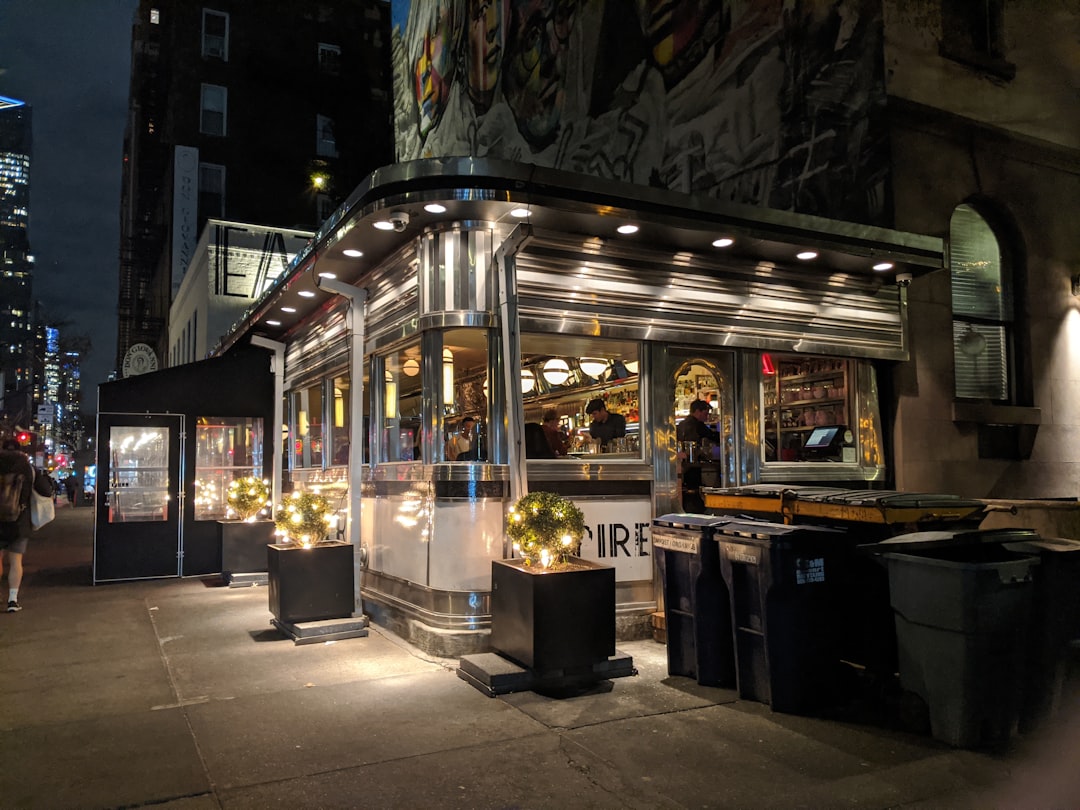
The constant hum of activity in New York City is fueled by more than just ambition and ambition; it’s sustained by an intricate and often invisible network that ensures its millions of residents and visitors are fed. Behind the iconic skyline and bustling streets lies a sophisticated ecosystem of food production, distribution, and innovation. As the LCA, I’ve dissected this remarkable culinary engine to reveal the seven fundamental ways the Big Apple consistently keeps its food flowing daily.
This isn’t about a single farmer’s market or a celebrity chef’s restaurant; it’s about the robust infrastructure and the human ingenuity that work in concert, day in and day out, to prevent the city from experiencing a culinary drought. From the moment ingredients leave their origin to the instant they land on our plates, a complex ballet of logistics, technology, and sheer grit keeps the city’s hunger at bay.
New York City’s relationship with its agricultural hinterlands is a foundational element of its food security. While the city itself is a concrete jungle, it relies heavily on a network of farmers, distributors, and dedicated individuals to bring fresh produce to its doorsteps. This isn’t a modern marvel; it’s a centuries-old tradition that has evolved with technology and changing consumer demands. The sheer volume of produce required to feed over eight million people is staggering, and the systems in place are designed to handle this immense task efficiently.
Early Morning Hunts at Hunts Point
The Hunts Point Market in the Bronx is a cornerstone of this system. This sprawling complex is one of the largest wholesale produce markets in the world, a vibrant and chaotic epicenter where the city’s culinary lifeline begins its daily journey. From pre-dawn hours, trucks laden with fruits and vegetables from across the tri-state area and beyond converge here. Buyers, representing everything from Michelin-starred restaurants to corner bodegas, navigate the bustling aisles, making their selections. The speed and precision with which this market operates are crucial. It’s a place of intense negotiation, last-minute deals, and an almost instinctive understanding of supply and demand. The quality of produce is paramount, and the sheer diversity of offerings is a testament to the city’s global palate. Here, you’ll find everything from the most common apples and bananas to exotic fruits and esoteric herbs, all sourced and distributed with remarkable speed.
The Rise of the Urban Farmer and Rooftop Gardens
While traditional agriculture remains vital, a growing movement of urban farming is contributing to the city’s food flow. Rooftop gardens, vertical farms, and community plots are transforming underutilized urban spaces into productive agricultural hubs. These initiatives, though smaller in scale compared to traditional farms, offer several advantages. They reduce food miles significantly, meaning fresher produce with a lower carbon footprint. They also foster a deeper connection between consumers and their food, providing educational opportunities and a sense of local pride. These urban farms often supply directly to local restaurants and farmers’ markets, creating a more immediate and resilient food chain within the city itself.
Direct-to-Consumer: The Farmers’ Market Phenomenon
New York City boasts an impressive network of farmers’ markets that are more than just places to buy groceries; they are community gathering spaces and vital channels for direct farmer-to-consumer sales. These markets, operating on specific days and locations across the boroughs, allow consumers to interact directly with the people who grow their food. This not only ensures freshness but also provides a crucial income stream for small and medium-sized farms, bypassing some of the traditional distribution layers. The proliferation of these markets reflects a growing demand for transparency and local sourcing, further bolstering the city’s food resilience.
New York City, a bustling metropolis, relies on a complex network of food distribution systems to ensure its millions of residents are fed daily. The city’s food supply chain involves farmers, wholesalers, and various transportation methods that work together seamlessly. For a deeper understanding of how governmental policies can impact various sectors, including food distribution, you can read about the historical context of government asset confiscation in this related article: The History of Government Asset Confiscation.
2. The Global Food Gateway: Importation and Distribution Networks
New York City is a global crossroads, and its food scene reflects this. The constant influx of diverse ingredients and products from around the world is managed through sophisticated import and distribution networks that are critical to daily sustenance. This is where the city’s status as a major port and transportation hub truly shines. Without these intricate systems, the culinary adventure that New York offers would be impossible.
The Juggernaut of Food Hubs and Warehousing
Beyond the produce market, a vast network of food distribution centers and warehouses operates around the clock. These facilities are the unsung heroes of the food supply chain, storing everything from frozen meats and dairy products to packaged goods and specialty items. Sophisticated inventory management systems and climate-controlled environments ensure that products remain fresh and available. These hubs are strategically located near major transportation arteries, allowing for efficient onward delivery to every corner of the city. The scale of these operations is immense, requiring significant logistical expertise to manage the sheer volume of goods.
Port Authority Power: Navigating the Seas of Sustenance
The city’s ports, while not always directly visible to the average New Yorker, are crucial gateways for a significant portion of the food consumed. Seafood, exotic spices, specialty produce, and a multitude of other goods arrive daily via container ships. The efficient processing of these imports, from customs clearance to onward transportation, is a testament to the city’s global trade infrastructure. This inflow of international flavors is what truly defines New York’s diverse culinary landscape and ensures a constant availability of ingredients that might otherwise be inaccessible.
The Cold Chain Champions: Preserving Perishables
Maintaining the integrity of perishable goods during transit and storage is a monumental undertaking. The “cold chain” – a sophisticated system of refrigerated transportation and storage – is paramount. From the moment raw ingredients are harvested or processed to their final destination, they are kept at precise temperatures to prevent spoilage. This requires a massive fleet of refrigerated trucks, specialized warehouse facilities, and meticulous tracking systems. The smooth functioning of the cold chain is directly responsible for the quality and safety of much of the food available in the city.
3. The Culinary Conduits: Restaurant and Retail Chains
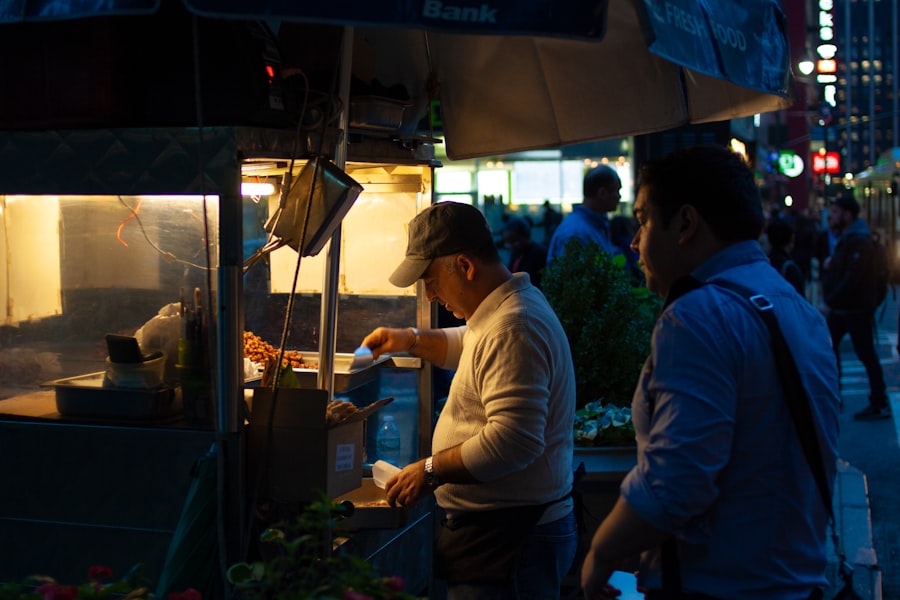
The immediate availability of food to the end consumer is largely facilitated by the city’s dense network of restaurants, cafes, delis, and grocery stores. These businesses act as the final conduits, transforming raw ingredients into accessible meals and provisions for millions. Their sheer density and diversity ensure that nourishment is never more than a few steps away for most New Yorkers.
The Ubiquitous Deli: A Cornerstone of Daily Nourishment
The New York deli is more than just a place to grab a sandwich; it’s an integral part of the city’s daily food flow. These establishments, often open from early morning to late night, provide quick, affordable, and satisfying meals. They stock a range of essential groceries, ready-to-eat items, and the ingredients for countless lunchtime classics. Their accessibility means that even during the busiest workdays, a quick and fulfilling meal is readily available. The deli’s role in feeding the city, especially during times of crisis or extreme weather, cannot be overstated.
The Grocery Store Gauntlet: From Supermarket to Bodega
From the sprawling supermarkets in affluent neighborhoods to the corner bodegas serving local communities, New York’s retail landscape is a crucial element of its food accessibility. These stores, in their diverse forms, ensure that residents have year-round access to a wide array of food products, from fresh produce and meats to pantry staples and prepared meals. Their inventory management and restocking schedules are finely tuned to meet the constant demand of millions, making them indispensable in maintaining the city’s food supply.
Restaurant Resilience: The Heartbeat of Dine-In and Takeout
New York’s legendary restaurant scene is a primary driver of daily food consumption. These establishments, ranging from humble diners to fine dining institutions, are constantly sourcing ingredients, preparing meals, and serving customers. The sheer volume of food prepared and consumed daily within restaurants is staggering. Furthermore, the city’s robust takeout and delivery infrastructure has become an indispensable extension of the restaurant experience, ensuring that even those at home or in the office have access to a vast culinary world.
4. The Innovation Incubators: Tech and Culinary Advancements
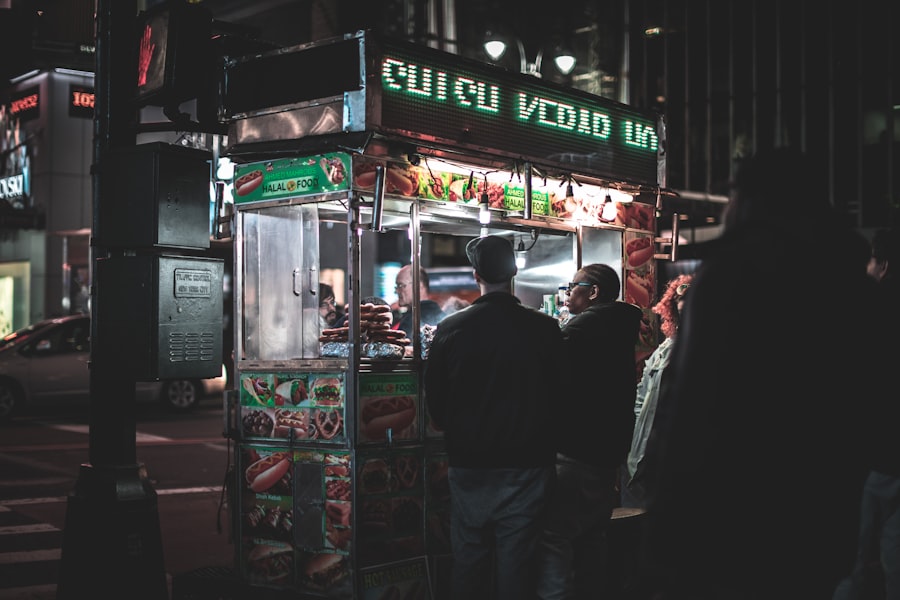
New York City is a hotbed of innovation, and this extends to its food industry. The integration of technology and creative culinary advancements plays a significant role in optimizing food flow, reducing waste, and meeting the evolving demands of its dynamic population. This forward-thinking approach is essential for maintaining efficiency and sustainability in such a complex urban environment.
Delivery Disruptors: The App-Enabled Ecosystem
The advent of food delivery apps has revolutionized how New Yorkers access food. These platforms have created an entirely new ecosystem, connecting a vast network of restaurants with a legion of independent couriers. This technology has dramatically increased the accessibility and convenience of food, especially for those with busy schedules or mobility issues. The speed and efficiency of these delivery services are crucial to enabling a continuous food flow throughout the day and night.
Data-Driven Decisions: Optimizing Supply Chains
Technology has also empowered food businesses with the ability to make more informed decisions. Sophisticated data analytics are used to predict demand, optimize inventory, and streamline supply chains. This allows for more efficient sourcing of ingredients, reduced food waste, and a more responsive distribution network. Businesses that can leverage this data are better equipped to meet the ever-changing needs of the New York market.
Sustainable Solutions: Food Waste Reduction Technologies
Addressing food waste is a critical component of ensuring a sustainable food flow. New innovative technologies are emerging to tackle this challenge, from advanced composting systems to apps that redirect surplus food to those in need. Restaurants and food distributors are increasingly adopting these solutions to minimize their environmental impact and maximize the utilization of resources. This focus on sustainability not only benefits the city but also contributes to a more resilient food system.
New York City, a bustling metropolis, relies on a complex network of suppliers to ensure that its diverse population has access to fresh food every day. The intricate logistics behind food distribution in the city are essential for meeting the demands of its residents and restaurants alike. For a deeper understanding of how global events can influence local resources, you might find it interesting to read about the geopolitical implications of international agreements in this related article on the Artemis Accords. You can explore it further by following this link: geopolitical impact of Artemis Accords.
5. The Essential Infrastructure: Transportation and Logistics
| Method | Details |
|---|---|
| Wholesale Markets | New York City receives food from wholesale markets such as Hunts Point Market and New Fulton Fish Market. |
| Distribution Centers | Food is distributed to various distribution centers across the city for further delivery to grocery stores and restaurants. |
| Local Farms | Some food is sourced from local farms in the surrounding areas of New York City. |
| Imported Goods | A significant portion of food is imported from other states and countries to meet the demand of the city’s population. |
| Food Delivery Services | Food is delivered to individual households and businesses through various food delivery services and online platforms. |
The physical movement of food is the backbone of its availability. New York City’s unparalleled transportation infrastructure, coupled with sophisticated logistics, ensures that food makes its way from producers to consumers efficiently and reliably. This complex web of roads, vehicles, and human effort is often overlooked but is utterly vital.
The Arteries of the City: Trucking and Vehicular Networks
Thousands of trucks, from massive semi-trailers to smaller delivery vans, are on New York City’s roads every single day. These vehicles are the primary means of transporting food from distribution centers, wholesale markets, and ports to individual businesses and neighborhoods. The sheer volume of traffic and the city’s intricate street grid present significant logistical challenges, but the industry has developed efficient routing and scheduling systems to overcome these hurdles and maintain a consistent food flow.
The Unseen Hand: Warehousing and Cold Storage Facilities
Strategically located warehouses and cold storage facilities act as crucial staging points within the city. These facilities are where goods are consolidated, sorted, and prepared for final delivery. The ability to store large quantities of food safely and efficiently, especially perishables, is paramount to ensuring that supply can meet demand without interruption. These hubs are the silent engines that power the city’s daily culinary needs.
The Final Mile Specialists: Local Delivery Services
Beyond the broad-stroke delivery apps, a myriad of smaller, specialized local delivery services ensures that food reaches even the most obscure corners of the city. These services cater to specific needs, whether it’s delivering fresh produce boxes to residential buildings, catering for office events, or providing specialized dietary meals. The efficiency and adaptability of these “last mile” providers are critical for ensuring that all New Yorkers have access to the food they need.
6. The Emergency Preparedness and Resilience Networks
While the daily flow of food is generally seamless, New York City understands the critical importance of being prepared for potential disruptions. Robust emergency preparedness plans and resilient food networks are in place to ensure that the city can continue to be fed even in the face of natural disasters, power outages, or other unforeseen events.
Strategic Food Reserves and Distribution Points
The city maintains strategic reserves of non-perishable food items and identifies pre-determined distribution points in case of emergencies. These reserves act as a buffer, ensuring that basic sustenance can be provided to affected populations while longer-term supply chains are restored. The planning and coordination involved in managing these resources are crucial for maintaining public order and well-being during crises.
Community-Based Food Security Initiatives
Beyond official government measures, a strong network of community-based organizations and food banks plays a vital role in bolstering food security. These groups work tirelessly to address immediate needs, provide assistance to vulnerable populations, and build more resilient local food systems. Their grassroots efforts are an indispensable component of the city’s overall food safety net.
Public-Private Partnerships for Crisis Management
Effective crisis management relies heavily on collaboration. New York City actively fosters partnerships between public agencies and private food businesses. These collaborations allow for the rapid mobilization of resources, the efficient distribution of aid, and the sharing of critical information during emergencies. This coordinated approach ensures a more effective and unified response to any threat to the food supply.
7. The Human Element: The Dedicated Workforce
Underpinning all of these systems is a vast and dedicated workforce. From farmers and truck drivers to grocery store clerks and restaurant chefs, millions of New Yorkers are involved, directly or indirectly, in the daily process of feeding the city. Their commitment, hard work, and often unheralded efforts are the true, beating heart of New York’s food flow.
The Dawn Patrol: Early Morning Workers
The day begins long before most New Yorkers wake up. The teams at the wholesale markets, the bakers preparing in bakeries, and the staff at distribution centers are already hard at work. These individuals are the vanguard, ensuring that the ingredients and prepared foods are ready for the city’s consumption from the moment the day officially begins. Their dedication is the foundation of the daily food cycle.
The Frontline Food Providers: Restaurant and Retail Staff
Those who work in restaurants, cafes, delis, and grocery stores are the most visible link in the food chain for most consumers. They are the ones who prepare meals, stock shelves, and serve customers. Their customer service, efficiency, and ability to handle immense pressure are crucial to the daily functioning of the city’s food landscape. They are the ambassadors of sustenance.
The Logistics Leaders: Drivers and Warehouse Personnel
The unsung heroes who navigate the city’s congested streets, ensuring timely deliveries, are the truck drivers and couriers. Similarly, the meticulous individuals working in warehouses, managing inventory and ensuring product integrity, are essential. Their commitment to operational excellence ensures that food reaches its intended destinations without delay, forming the vital arteries of the food supply network.

The Black Layer That Shouldn’t Exist
FAQs
1. How does New York City receive its daily food supply?
New York City receives its daily food supply through a complex network of transportation, including trucks, trains, and ships. The city’s food is sourced from various locations, including local farms, regional distributors, and international suppliers.
2. What are the main distribution points for food in New York City?
The main distribution points for food in New York City include the Hunts Point Terminal Market in the Bronx, which is one of the largest wholesale food markets in the world. Additionally, there are numerous distribution centers and warehouses throughout the city that handle the storage and delivery of food to retailers and restaurants.
3. How is fresh produce and perishable goods transported into the city?
Fresh produce and perishable goods are transported into the city using refrigerated trucks and shipping containers to maintain the quality and freshness of the products. These goods are often sourced from nearby farms and regional distributors to minimize transportation time and ensure freshness.
4. What role do local farmers and producers play in supplying food to New York City?
Local farmers and producers play a significant role in supplying food to New York City, providing a variety of fresh produce, dairy products, and meats to the city’s markets and restaurants. The city’s farmers’ markets also offer a direct avenue for local producers to sell their goods to consumers.
5. How does New York City ensure food security and access for its residents?
New York City works to ensure food security and access for its residents through various initiatives, including food assistance programs, community gardens, and partnerships with local food banks and nonprofit organizations. The city also supports urban agriculture and sustainable food practices to increase access to fresh, healthy food for all residents.