
Ancient technology represents the ingenuity and resourcefulness of early civilizations, showcasing their ability to manipulate natural resources and develop tools that would shape human history. From the rudimentary stone tools of prehistoric times to the sophisticated engineering feats of the Romans and Egyptians, ancient technology laid the groundwork for modern advancements. It is a testament to human creativity and problem-solving skills, reflecting the needs and aspirations of societies long gone.
The study of these technologies not only provides insight into the daily lives of our ancestors but also highlights the evolution of human thought and innovation. The exploration of ancient technology invites a deeper understanding of how early humans interacted with their environment. It reveals the methods they employed to overcome challenges, such as food production, shelter construction, and transportation.
By examining artifacts, architectural remains, and historical texts, researchers can piece together a narrative that illustrates the technological prowess of ancient cultures. This narrative is not merely a chronicle of inventions; it is a story of survival, adaptation, and the relentless pursuit of progress that continues to resonate in contemporary society.
Key Takeaways
- Ancient technology refers to the tools, techniques, and knowledge used by ancient civilizations to create and innovate.
- The importance of ancient technology lies in its role in shaping the development of human civilization and the understanding of our past.
- Examples of lost ancient technology include the Antikythera mechanism, Roman concrete, and the Baghdad battery.
- The impact of losing ancient technology is seen in the limitations it imposes on our understanding of history and the potential benefits it could offer.
- Efforts to rediscover ancient technology involve archaeological research, experimental archaeology, and interdisciplinary collaboration.
The Importance of Ancient Technology
The significance of ancient technology extends beyond its historical context; it serves as a foundation for modern scientific and engineering principles. Many contemporary technologies can trace their roots back to ancient innovations. For instance, the principles of hydraulics used in modern engineering were first explored by ancient civilizations that developed aqueducts and irrigation systems.
Understanding these early technologies allows modern engineers to appreciate the ingenuity that preceded them and often inspires new solutions to current challenges. Moreover, ancient technology plays a crucial role in cultural heritage and identity. The preservation of ancient artifacts and structures not only enriches our understanding of history but also fosters a sense of pride among communities.
These remnants serve as a bridge connecting past and present, reminding societies of their roots and the achievements of their ancestors. As such, ancient technology is not merely a relic; it is a living testament to human achievement that continues to influence contemporary thought and innovation.
Examples of Lost Ancient Technology
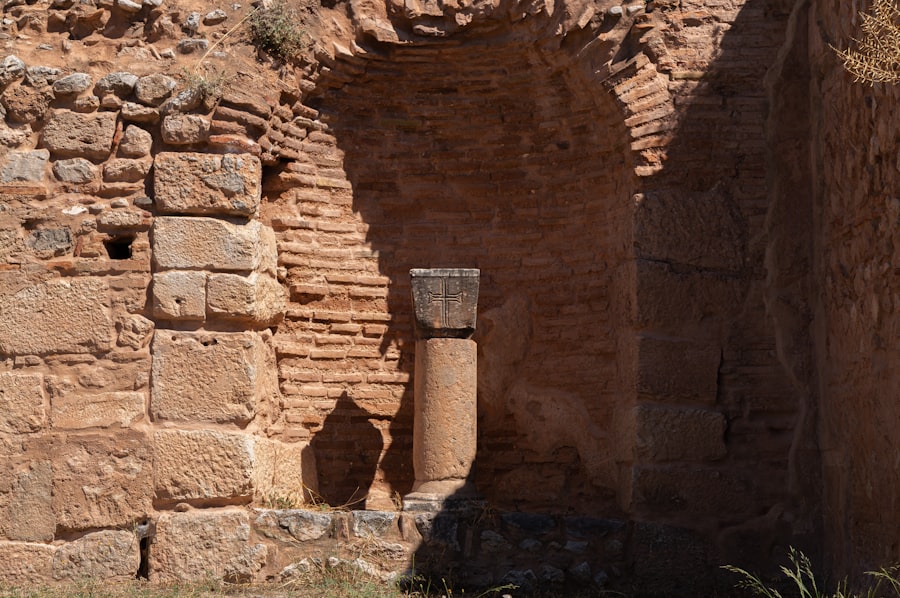
Throughout history, numerous examples of lost ancient technology have captivated the imagination of scholars and enthusiasts alike. One prominent example is the Antikythera mechanism, an ancient Greek analog computer used to predict astronomical positions and eclipses. Discovered in a shipwreck off the coast of Antikythera in 1901, this intricate device showcases advanced engineering skills that were not fully understood until centuries later.
Its complexity suggests that ancient Greeks possessed knowledge of gears and mechanical systems far beyond what was previously believed. Another fascinating instance is the construction techniques employed by the Egyptians in building the pyramids. While many theories exist regarding how these monumental structures were erected, some aspects remain shrouded in mystery.
The precise methods used to transport massive stone blocks and align them with such accuracy continue to baffle researchers. The loss of this knowledge not only represents a gap in our understanding of ancient engineering but also highlights the potential for rediscovery that could reshape our comprehension of historical achievements.
The Impact of Losing Ancient Technology
| Impact | Metrics |
|---|---|
| Loss of Knowledge | Decrease in understanding of ancient engineering and craftsmanship |
| Economic Impact | Decrease in tourism revenue from ancient technology sites |
| Cultural Impact | Loss of connection to ancient traditions and practices |
| Technological Impact | Decrease in ability to replicate ancient technology and techniques |
The loss of ancient technology has profound implications for both historical scholarship and contemporary society. When knowledge is lost, it creates gaps in understanding that can hinder progress. For instance, the decline of certain agricultural practices or construction techniques can lead to inefficiencies in modern methods.
The inability to replicate ancient technologies may result in missed opportunities for sustainable practices that could benefit current environmental challenges.
As societies evolve, they may overlook or undervalue the wisdom embedded in traditional practices.
This disconnection can result in a loss of identity and continuity, as younger generations become estranged from their historical roots. The impact is not merely academic; it affects how communities perceive themselves and their place in the world.
Efforts to Rediscover Ancient Technology
In recent years, there has been a growing interest in rediscovering ancient technologies through interdisciplinary research and collaboration among historians, archaeologists, engineers, and scientists. These efforts often involve advanced techniques such as 3D scanning, computer modeling, and experimental archaeology, which allows researchers to recreate ancient tools and methods. By engaging with these technologies, scholars can gain insights into how ancient peoples lived and thrived.
One notable initiative is the use of traditional craftsmanship in modern contexts. Artisans who specialize in ancient techniques are increasingly sought after for their expertise in areas such as pottery, metallurgy, and textile production. By reviving these skills, contemporary society not only preserves valuable knowledge but also fosters a deeper appreciation for cultural heritage.
This revival can lead to innovative applications that blend ancient wisdom with modern technology, creating solutions that are both sustainable and culturally relevant.
The Role of Ancient Technology in Modern Society
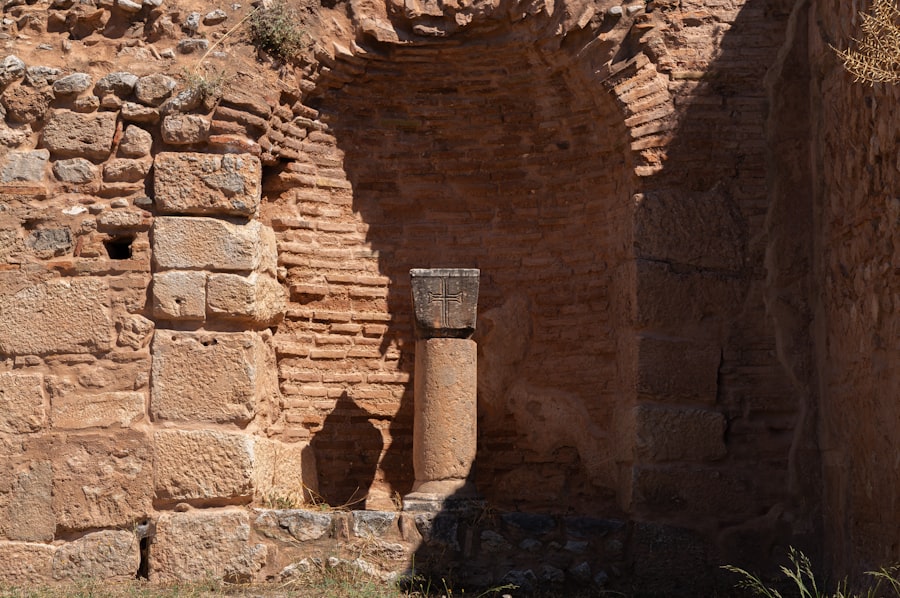
Ancient technology continues to play a vital role in shaping modern society, influencing everything from architecture to agriculture. The principles derived from ancient practices inform contemporary design philosophies that prioritize sustainability and efficiency. For example, passive solar heating techniques used by ancient civilizations are now being revisited as architects seek to create energy-efficient buildings that minimize environmental impact.
Additionally, ancient agricultural methods are being integrated into modern farming practices as a response to climate change and food security challenges. Techniques such as crop rotation, companion planting, and permaculture draw inspiration from traditional practices that have stood the test of time. By embracing these methods, modern society can cultivate a more sustainable relationship with the land while honoring the wisdom of those who came before.
The Cultural Significance of Ancient Technology
The cultural significance of ancient technology cannot be overstated; it serves as a reflection of societal values, beliefs, and aspirations. Each technological advancement tells a story about the people who created it, revealing their priorities and challenges. For instance, the development of writing systems marked a pivotal moment in human history, enabling the recording of knowledge and facilitating communication across generations.
Moreover, ancient technologies often embody spiritual or symbolic meanings within their respective cultures. The construction of monumental structures like Stonehenge or the Great Wall of China reflects not only engineering prowess but also cultural identity and collective memory. These sites serve as reminders of shared heritage and foster a sense of belonging among communities, reinforcing the idea that technology is deeply intertwined with cultural expression.
The Mysteries Surrounding Lost Ancient Technology
The mysteries surrounding lost ancient technology continue to intrigue researchers and enthusiasts alike. Many questions remain unanswered about how certain civilizations achieved remarkable feats with seemingly limited resources. For example, the precise methods used by the Maya to create their intricate calendar systems or the techniques employed by the Indus Valley civilization in urban planning are still subjects of ongoing investigation.
These mysteries often inspire speculation and theories that range from plausible explanations to more fantastical ideas involving extraterrestrial influence or advanced lost civilizations. While some theories may lack empirical support, they highlight humanity’s innate curiosity about its origins and capabilities. The quest to uncover these mysteries drives scientific inquiry and fuels a desire for knowledge that transcends time.
The Potential Benefits of Rediscovering Ancient Technology
Rediscovering ancient technology holds immense potential for addressing contemporary challenges across various fields. In an era marked by rapid technological advancement and environmental degradation, revisiting traditional practices can offer sustainable solutions that align with modern needs. For instance, ancient water management systems can inform contemporary approaches to irrigation in arid regions, promoting efficient use of resources while preserving ecosystems.
Additionally, the revival of ancient medicinal practices may provide insights into holistic health approaches that prioritize natural remedies over synthetic pharmaceuticals. Many traditional healing systems have stood the test of time, offering valuable knowledge about plant-based treatments that could complement modern medicine. By integrating these practices into contemporary healthcare frameworks, society can foster a more comprehensive understanding of well-being.
The Ethical and Environmental Implications of Rediscovering Ancient Technology
While rediscovering ancient technology presents numerous benefits, it also raises ethical and environmental considerations that must be addressed. The appropriation of traditional knowledge without proper acknowledgment can lead to exploitation and cultural insensitivity. It is essential for researchers and practitioners to engage with indigenous communities respectfully and collaboratively when exploring ancient technologies rooted in their cultural heritage.
Moreover, as society seeks to implement ancient practices in modern contexts, careful consideration must be given to their environmental impact. While some traditional methods may promote sustainability, others could inadvertently contribute to ecological degradation if not adapted thoughtfully. Striking a balance between honoring historical practices and ensuring responsible stewardship of natural resources is crucial for fostering a sustainable future.
The Future of Ancient Technology
The future of ancient technology lies at the intersection of history and innovation, offering valuable lessons for contemporary society. As researchers continue to uncover lost knowledge and revive traditional practices, there is an opportunity to create a more sustainable world informed by the wisdom of our ancestors. By embracing this legacy while remaining mindful of ethical considerations, society can forge a path toward progress that honors its past.
As humanity navigates the future, it is imperative to recognize that the lessons learned from ancient civilizations can guide modern endeavors toward sustainability, cultural preservation, and technological advancement. Ultimately, the journey into the past may illuminate pathways toward a more harmonious relationship with both nature and each other.
In exploring the fascinating topic of lost ancient technologies, one might find it intriguing to delve into the mysteries of how ancient civilizations achieved remarkable feats with seemingly limited resources. An article that complements this discussion is available on Real Lore and Order, which provides insights into various ancient technologies that have puzzled historians and scientists alike. For a deeper understanding of these enigmatic innovations, you can read more in this related article that explores the ingenuity and resourcefulness of our ancestors.
WATCH THIS! The Lost Tech They Buried to Control Us
FAQs
What is ancient technology?
Ancient technology refers to the tools, techniques, and knowledge used by ancient civilizations to create and innovate various technologies for their time.
What are some examples of ancient technology that we have lost?
Some examples of ancient technology that we have lost include the Antikythera mechanism, Roman concrete, Greek fire, and the Baghdad battery.
Why did we lose ancient technology?
There are various reasons why ancient technology was lost, including the destruction of ancient civilizations, the lack of written records, and the deterioration of physical artifacts over time.
How does the loss of ancient technology impact us today?
The loss of ancient technology impacts us today by limiting our understanding of how ancient civilizations lived and innovated. It also hinders our ability to learn from their advancements and apply them to modern technology.
Is there ongoing research to rediscover ancient technology?
Yes, there is ongoing research and archaeological efforts to rediscover and understand ancient technology. This includes studying ancient texts, artifacts, and conducting experimental archaeology to recreate ancient techniques and technologies.