Unpacking French Canadian Roots: More Than Just a Label
So, you’re curious about your French Canadian ancestry? That’s a fantastic starting point! At its core, French Canadian ancestry signifies a rich tapestry woven from French settlers who arrived in North America centuries ago, primarily establishing themselves in what is now Quebec. However, it’s a lot more nuanced than a simple “French” label. Over generations, this lineage has intermingled with other European groups, Indigenous peoples, and even later immigrant communities, creating a distinct cultural and genetic heritage that’s truly unique. Understanding this composition is the key to appreciating the depth and diversity of your French Canadian roots.
Exploring the intricacies of French Canadian ancestry composition can provide fascinating insights into the cultural and genetic heritage of this unique group. For those interested in understanding how historical migrations and intermarriages have shaped the genetic landscape of French Canadians, a related article can be found at this link. This resource delves into the broader implications of ancestry and heritage, shedding light on the connections that bind various cultures together.
The Foundation: Early French Settlers and Their Impact
The story of French Canadian ancestry begins with a determined group of explorers, merchants, and settlers from various regions of France. They weren’t a monolithic group; they came from Normandy, Brittany, Poitou, and other provinces, bringing with them their dialects, customs, and an enduring spirit of resilience. Their initial motivations were varied: the lucrative fur trade, the desire for land ownership, religious conviction, and simply seeking a new life across the Atlantic.
Origins in New France
The establishment of New France, beginning in the early 17th century, laid the groundwork for this distinct heritage. Unlike the English colonies, which often focused on trade and resource extraction with less emphasis on permanent settlement by a broad cross-section of society, New France actively encouraged families to emigrate. The French Crown, particularly under figures like Cardinal Richelieu, recognized the strategic importance of a robust population. This led to the arrival of “filles du roi” (King’s Daughters), young women sent to marry the bachelor settlers, and the encouragement of large families. This focus on family formation and land grants meant that a significant portion of the population became rooted in the soil of the St. Lawrence Valley.
Diverse Regional French Contributions
It’s important to remember that 17th-century France was not a unified entity as we understand it today. The settlers brought with them the regional identities and linguistic variations of their home provinces. For instance, settlers from Normandy might have different surnames and certain cultural nuances than those from Poitou. This regional diversity is a crucial early layer in the “French” aspect of French Canadian ancestry. Early records and genealogical research often trace families back to specific French parishes, offering glimpses into these original migratory patterns and the diverse origins within France itself. This early mix is a foundational element that distinguishes French Canadian ancestry from simply being descended from people living in France today.
The Influence of Indigenous Peoples
Long before the French arrived, the lands of North America were home to numerous Indigenous nations. The relationship between the early French settlers and these First Peoples was complex and varied, involving trade, alliances, and unfortunately, conflict. However, a significant aspect of French Canadian ancestry lies in the intermingling and unions between French settlers and Indigenous women. This was particularly common in the early days of New France, driven by trade relationships and the establishment of communities.
Early Intermarriages and Metis Connections
These unions weren’t just about procreation; they were often about survival, cultural exchange, and the establishment of new societies. Indigenous women brought invaluable knowledge of the land, survival skills, and their own cultural practices, which were integrated into the developing French Canadian way of life. The descendants of these unions form a vital part of the historical narrative and, for many, a direct ancestral link. While the term “Metis” is specifically used for distinct Indigenous peoples with European (primarily French and Scottish) ancestry who emerged as a distinct nation, the concept of intermarriage and shared ancestry extends beyond this specific group to influence the broader French Canadian gene pool. Recognizing these early connections is crucial to a complete understanding of French Canadian heritage.
Evolution and Diversification: Beyond the St. Lawrence
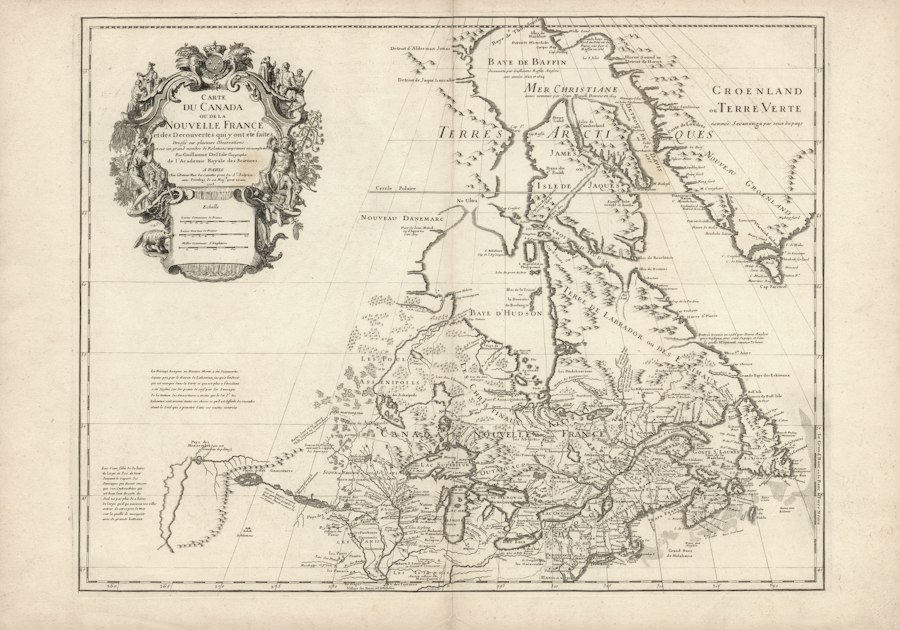
As centuries passed, the French Canadian population didn’t remain isolated. They adapted, grew, and encountered new influences, shaping their heritage in ways that continue to resonate today.
British Rule and New Arrivals
The British conquest of New France in the mid-18th century marked a significant turning point. While French language and culture were largely preserved in Quebec, the political and economic landscape shifted. This period also saw increased migration of British Isles settlers into Canada, some of whom interacted with and, in some cases, married into French Canadian families, particularly in border regions and expanding territories.
Expansion Westward and Diaspora
The French Canadian population, driven by factors like land scarcity and economic opportunities, began to expand beyond the traditional heartland of Quebec. Many families moved into Ontario, the Maritime provinces, and later, westward into Manitoba, Saskatchewan, Alberta, and British Columbia. This diaspora led to the establishment of distinct French-speaking communities across Canada, each with its own local flavor and history of interaction with other cultures.
Immigration and Intermingling
Throughout the 19th and 20th centuries, Canada continued to welcome immigrants from around the world. French Canadians, particularly in urban centers and in regions bordering other linguistic groups, interacted with and married into families from Italy, Ireland, Poland, Ukraine, and many other backgrounds. These later waves of immigration further diversified the genetic and cultural makeup of communities with French Canadian roots. So, while your core ancestry might be French Canadian, your family tree might hold branches reaching into numerous other European (and sometimes non-European) backgrounds, reflecting the dynamic immigration history of Canada.
Genetic Insights: A Deeper Dive into Ancestral Makeup
Modern genealogical and genetic research offers fascinating insights into the composition of French Canadian ancestry. These tools can help reveal the historical movements and interminglings that have shaped this heritage.
Specific European Contributions
Genetic studies have confirmed the dominant French contribution, as expected. However, they also often highlight significant ancestral markers from neighboring regions of Europe, particularly Britain (England, Scotland, Wales) and Ireland. This is a direct reflection of historical migration patterns, including the interactions and unions that occurred after the British conquest and the westward expansion. Smaller, but notable, contributions from other European groups, such as German, Dutch, and Scandinavian ancestry, can also appear, often linked to specific historical migration routes or regional settlement patterns within France itself.
Tracing Indigenous Ancestry
For many individuals with French Canadian ancestry, genetic testing can reveal Indigenous North American components. This is a direct confirmation of the historical intermarriages between early French settlers and First Nations peoples. The prevalence and specific tribal affiliations identified can vary significantly from family to family, reflecting the diverse Indigenous nations present in different regions of New France and the varying degrees of interaction. This aspect of ancestry is deeply significant and connects individuals to the original inhabitants of the land.
The “Founder Effect” and Genetic Bottlenecks
French Canadians, due to the relatively small number of initial settlers and subsequent periods of relative isolation, exhibit what geneticists call a “founder effect.” This means that certain genetic traits or markers that were present in the original founding populations are more common in the French Canadian population than in the general population of France today. Periods of high mortality or emigration can also lead to genetic “bottlenecks,” further concentrating certain genetic variations. Understanding these genetic phenomena helps explain why French Canadian genetic profiles can sometimes be distinct even from their European counterparts.
Exploring French Canadian ancestry composition can reveal fascinating insights into the diverse heritage of this unique group. For those interested in understanding the broader implications of cultural influences on ancestry, a related article discusses the complexities of ethnic compositions in various communities. You can read more about this topic in the article found here, which highlights how different backgrounds shape the identities we see today.
Cultural Markers: Beyond Genetics
| Region | Percentage of Population with French Canadian Ancestry | Common Surnames | Primary Language | Notable Cultural Traits |
|---|---|---|---|---|
| Quebec | 85% | Tremblay, Gagnon, Roy | French | French language, Catholic traditions, Quebecois cuisine |
| New Brunswick | 33% | LeBlanc, Cormier, Boudreau | French and English | Acadian culture, bilingualism |
| Ontario | 10% | Desjardins, Lavoie, Bouchard | English and French | French Canadian festivals, bilingual education |
| United States (New England) | 5% | Beaulieu, Pelletier, Morin | English and French | French Canadian heritage societies, Catholicism |
While genetics provides a scientific lens, the lived experience of French Canadian heritage is expressed through a rich tapestry of cultural markers that have evolved over centuries. These are the traditions, language, and worldview that have been passed down.
Language and Dialect
The French language is, of course, a cornerstone of French Canadian identity. However, it’s not simply a direct import from France. Quebec French, and the dialects spoken in other French-speaking communities across Canada, have evolved over time, influenced by Indigenous languages, English, and the unique experiences of North America. Words, expressions, and even pronunciation can differ significantly from European French, creating a distinct linguistic landscape. Understanding this evolution is key to appreciating the nuances of the language.
Culinary Traditions
French Canadian cuisine is a delicious testament to its history. It draws heavily from traditional French cooking, adapted with local ingredients and influenced by Indigenous and later immigrant foodways. Think hearty stews (like “ragoût”), tourtière (a savory meat pie), maple syrup-based desserts, and the iconic poutine. These dishes are more than just food; they are carriers of memory, family gatherings, and a connection to the land.
Folk Arts, Music, and Storytelling
The vibrant folk arts, music, and storytelling traditions of French Canada are deeply rooted in its history. Traditional fiddling, folk songs that tell stories of everyday life, love, and hardship, and the rich oral tradition of storytelling have all played a vital role in preserving and transmitting cultural identity. These elements provide a window into the values, humor, and resilience of French Canadian ancestors.
Religious and Social Structures
Historically, the Catholic Church played a very significant role in the social and cultural fabric of French Canadian society. Parishes were often the center of community life, influencing education, social customs, and moral values. While secularization has occurred, the historical influence of Catholicism remains an important part of understanding the heritage for many families. The strong sense of community and mutual support, often referred to as “entraide,” is another enduring cultural trait.
Exploring the intricate tapestry of French Canadian ancestry composition reveals a rich blend of cultural influences and historical narratives. For those interested in understanding the broader context of historical systems that have shaped various communities, a related article offers valuable insights. You can read more about these themes in the article titled “Uncovering Ancient Debt Peonage Systems: A Historical Perspective” found here. This exploration not only enhances our understanding of French Canadian roots but also connects to wider historical frameworks that have impacted many populations.
Navigating Your Own French Canadian Journey
Embarking on the exploration of your French Canadian ancestry can be a deeply rewarding experience. It’s a journey that connects you to a unique and resilient heritage.
Genealogy: The Essential Toolkit
Genealogy is your primary tool for uncovering your French Canadian lineage. Start by interviewing older family members, gathering any existing documents like birth certificates, marriage licenses, or family Bibles. Online genealogical databases, particularly those focused on Quebec and Canadian records, are invaluable. Resources like Ancestry.ca, MyHeritage, and dedicated Quebec genealogical sites (like the Fédération québécoise des sociétés de généalogie) can provide access to parish records, census data, and passenger lists. Be prepared for the fact that records from the 17th and 18th centuries can be in older French script, which might require some translation skills or assistance.
Genetic Testing: Complementary Insights
While genealogy focuses on documented records, DNA
Cajun or French Canadian? The DNA Looked the Same—Until Researchers Looked Closer
FAQs
What is the typical ancestry composition of French Canadians?
French Canadians typically have a mix of French, Indigenous, and British ancestry due to the historical interactions between these groups in Canada.
How did French Canadians come to have Indigenous ancestry?
French Canadians have Indigenous ancestry primarily through intermarriage between French settlers and Indigenous peoples in Canada, particularly during the fur trade era.
What role did British ancestry play in the ancestry composition of French Canadians?
British ancestry became part of the French Canadian ancestry composition through interactions between French and British settlers in Canada, especially in regions like Quebec and the Maritimes.
Are there regional variations in the ancestry composition of French Canadians?
Yes, there can be regional variations in the ancestry composition of French Canadians based on historical settlement patterns and interactions with different ethnic groups in various parts of Canada.
How has the ancestry composition of French Canadians evolved over time?
The ancestry composition of French Canadians has evolved over time due to factors such as intermarriage, immigration, and changing social dynamics, leading to a diverse and complex genetic heritage among French Canadians today.