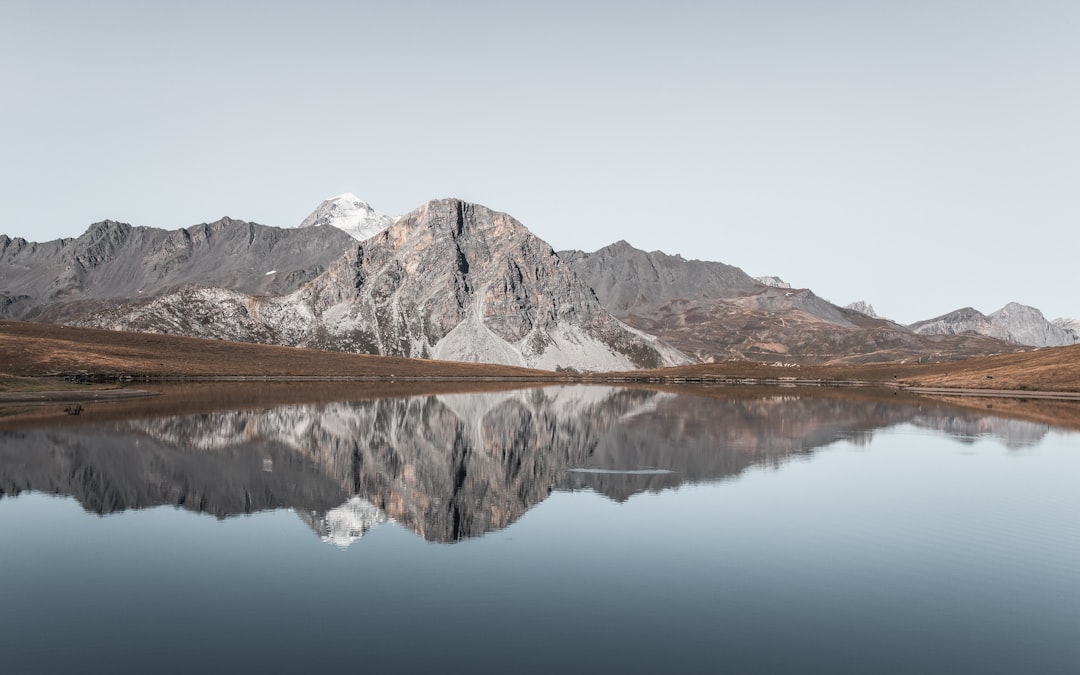
Glaciers, those majestic rivers of ice, have long captivated the human imagination with their grandeur and mystery. Among the many wonders they present, the phenomenon of glacial reflections stands out as a particularly enchanting spectacle. When one gazes upon a glacier, the sight of its icy surface mirroring the surrounding landscape creates an almost surreal experience.
This mirror-like quality not only enhances the aesthetic appeal of these frozen giants but also invites deeper contemplation about the natural world and its intricate processes. The reflections seen in glacial ice serve as a reminder of the delicate balance between beauty and fragility in nature. The allure of glacier reflections extends beyond mere visual pleasure; it evokes a sense of wonder and curiosity about the science behind such phenomena.
As observers stand before these icy mirrors, they may ponder the forces at play that create such stunning visuals. The interplay of light, ice, and atmospheric conditions contributes to the unique characteristics of glacial reflections, making each viewing a distinct experience. This article delves into the various aspects of glacier reflections, exploring their scientific underpinnings, environmental significance, and cultural implications.
Key Takeaways
- Glacier reflections are a mysterious and captivating natural phenomenon that have fascinated people for centuries.
- The science behind glacial reflections involves the interaction of light with ice and snow, creating stunning mirror-like images on the surface of glaciers.
- Weather conditions such as clear skies and calm winds play a crucial role in enhancing glacier reflections, making them appear more vivid and striking.
- Sunlight is a key factor in the formation of glacier reflections, as the angle and intensity of sunlight can dramatically affect the appearance of the reflections.
- Climate change is having a significant impact on glacier reflections, as melting ice and shifting weather patterns are altering the landscape and threatening the preservation of this natural wonder.
The Science Behind Glacial Reflections
At the heart of glacial reflections lies a fascinating interplay of physics and optics. When light encounters a glacier’s surface, it can be reflected, refracted, or absorbed depending on the ice’s texture and composition. The smooth, polished surfaces of glaciers often act like natural mirrors, reflecting the surrounding mountains, skies, and even the occasional wildlife.
This phenomenon is primarily due to the crystalline structure of ice, which allows for a high degree of light reflection when conditions are optimal. Moreover, the angle at which light strikes the glacier plays a crucial role in determining the quality of the reflection.
Conversely, when the sun is directly overhead, the reflections may appear more muted and less defined. Understanding these principles not only enhances appreciation for the beauty of glacier reflections but also underscores the complexity of natural light interactions in glacial environments.
The Role of Ice and Snow in Glacier Reflections
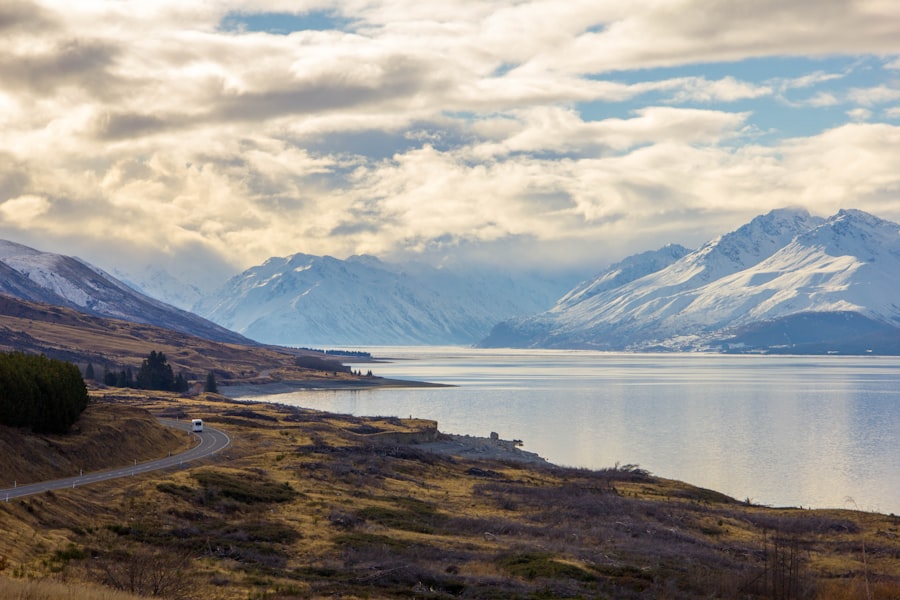
The composition and condition of ice and snow are pivotal in shaping the quality of glacial reflections. Freshly fallen snow can create a soft, diffused reflection that contrasts sharply with the crisp clarity of bare ice. This variability adds layers of complexity to the visual experience, as observers may witness different textures and colors depending on recent weather events.
The presence of snow can also influence how light interacts with the glacier’s surface, leading to a range of reflective qualities that change throughout the day. Additionally, the age and purity of the ice itself contribute significantly to its reflective properties. Older glaciers often exhibit a denser structure with fewer air bubbles, resulting in clearer reflections compared to younger glaciers that may contain more impurities and irregularities.
These factors combine to create a dynamic visual landscape that evolves with time and environmental conditions, making each visit to a glacier a unique experience.
How Weather Conditions Affect Glacier Reflections
| Weather Condition | Effect on Glacier Reflections |
|---|---|
| Clear skies | Enhances glacier reflections, creating a bright and clear reflection. |
| Cloudy skies | Reduces glacier reflections, making them appear dull and less defined. |
| Rain | Diminishes glacier reflections, causing them to be distorted and less visible. |
| Snowfall | Increases glacier reflections, creating a sparkling and bright effect. |
Weather conditions play a critical role in determining the visibility and quality of glacier reflections. On clear days with bright sunshine, glaciers can appear almost ethereal as they reflect the vibrant hues of the sky and surrounding terrain. However, when clouds roll in or precipitation occurs, the scene can shift dramatically.
Overcast skies may dull colors and obscure reflections, creating a more subdued atmosphere that can evoke feelings of solitude and introspection. Temperature fluctuations also impact glacier reflections. Warmer temperatures can lead to melting ice, altering the surface texture and potentially diminishing reflective qualities.
Conversely, colder conditions can preserve the pristine nature of glacial surfaces, enhancing their mirror-like properties. Observers may find that visiting glaciers during different weather patterns reveals entirely new aspects of their beauty, emphasizing the ever-changing nature of these icy landscapes.
The Influence of Sunlight on Glacier Reflections
Sunlight is perhaps the most significant factor influencing glacier reflections. The angle and intensity of sunlight can dramatically alter how glaciers appear at different times of day. During sunrise and sunset, when sunlight is softer and more diffused, glaciers can take on warm hues that contrast beautifully with their icy surfaces.
This golden hour effect creates an enchanting atmosphere that draws photographers and nature enthusiasts alike. In addition to time of day, seasonal changes also affect sunlight’s impact on glacier reflections. In summer months, longer daylight hours provide more opportunities for stunning visual displays as sunlight interacts with melting ice and snow.
In winter, however, shorter days may limit visibility but can also create striking contrasts between dark skies and bright ice surfaces. Understanding these dynamics allows observers to appreciate not only the beauty but also the temporal nature of glacial reflections.
The Impact of Climate Change on Glacier Reflections
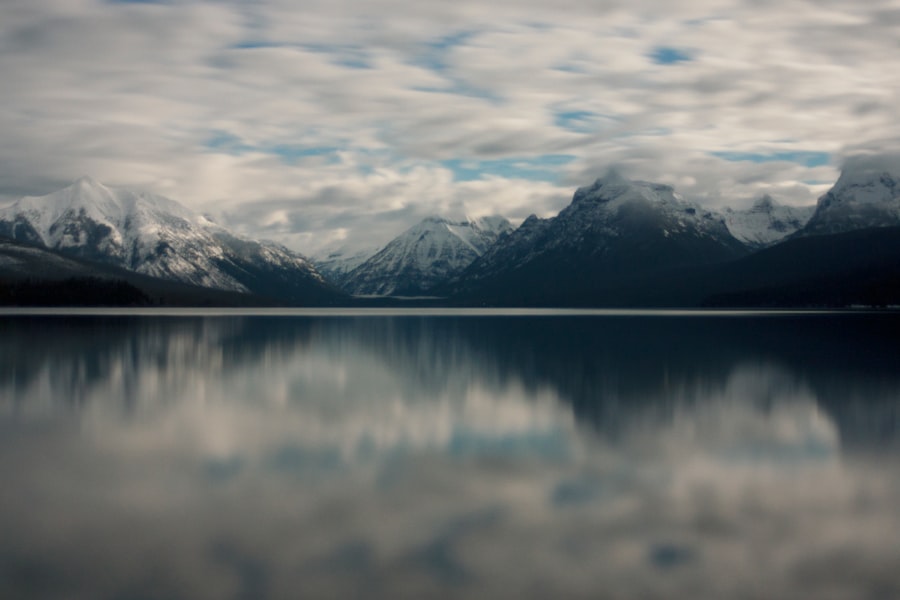
As climate change continues to reshape our planet, its effects on glaciers are becoming increasingly evident. Rising global temperatures are causing glaciers to melt at an alarming rate, leading to significant changes in their reflective properties. As ice diminishes and snow cover decreases, the once-pristine surfaces that created stunning reflections may become less defined and more fragmented.
This transformation has broader implications beyond aesthetics; it signals shifts in ecosystems and water resources that depend on glacial meltwater. The loss of glaciers threatens not only local wildlife but also communities that rely on glacial runoff for drinking water and agriculture. As observers witness changes in glacier reflections over time, they are reminded of the urgent need to address climate change and its far-reaching consequences.
The Cultural and Spiritual Significance of Glacier Reflections
Glaciers have held cultural and spiritual significance for many indigenous communities around the world. For some cultures, these icy formations are seen as sacred entities that embody resilience and endurance in harsh environments. The reflections seen in glacial ice often symbolize deeper connections to nature and serve as reminders of humanity’s place within it.
Artistic expressions inspired by glacier reflections can be found in various forms, from traditional storytelling to contemporary visual arts. Artists often draw upon the beauty and mystery of these natural mirrors to convey themes of transience, interconnectedness, and environmental stewardship. By exploring these cultural narratives, one gains insight into how glaciers have shaped human experiences and beliefs throughout history.
The Importance of Preserving Glacier Reflections
Preserving glacier reflections is not merely an aesthetic concern; it is essential for maintaining ecological balance and cultural heritage. As climate change accelerates glacial melt, efforts to protect these environments become increasingly urgent. Conservation initiatives aimed at reducing carbon emissions and promoting sustainable practices are vital for safeguarding glaciers and their reflective qualities for future generations.
Moreover, raising awareness about the significance of glacier reflections can inspire individuals to take action in their own lives. By fostering a sense of connection to these natural wonders, people may be more inclined to advocate for policies that prioritize environmental protection and climate action. Ultimately, preserving glacier reflections is about ensuring that future generations can experience the same awe and inspiration that these icy landscapes evoke today.
The Future of Glacier Reflections in a Changing Climate
The future of glacier reflections remains uncertain as climate change continues to unfold.
This loss would not only diminish the beauty of glacial landscapes but also disrupt ecosystems and communities reliant on glacial resources.
However, there is still hope for mitigating some impacts through concerted global efforts to combat climate change. By investing in renewable energy sources, promoting sustainable land use practices, and fostering international cooperation on environmental issues, humanity can work towards preserving these vital ecosystems. The future may hold challenges for glacier reflections, but proactive measures can help ensure that these natural wonders endure for generations to come.
Exploring Glacier Reflections as a Tourist Attraction
Glacier reflections have become increasingly popular as tourist attractions, drawing visitors from around the globe eager to witness their beauty firsthand. Destinations such as Alaska’s Glacier Bay National Park or Iceland’s Jökulsárlón lagoon offer breathtaking views where visitors can marvel at shimmering icebergs mirrored against serene waters. These experiences not only provide unforgettable memories but also contribute to local economies through tourism.
However, increased foot traffic poses challenges for preserving these delicate environments. Responsible tourism practices are essential to minimize human impact on glaciers while allowing people to appreciate their splendor. Educating visitors about sustainable practices—such as staying on designated paths or minimizing waste—can help protect these fragile ecosystems while fostering a deeper appreciation for their beauty.
Appreciating and Protecting Glacier Reflections
In conclusion, glacier reflections represent a captivating intersection of science, art, culture, and environmental stewardship. They invite observers to marvel at nature’s beauty while prompting critical discussions about climate change and conservation efforts. As glaciers continue to face unprecedented challenges due to rising temperatures and human activity, it becomes increasingly important to appreciate their significance beyond mere aesthetics.
By fostering awareness about glacier reflections’ ecological importance and cultural heritage, individuals can play an active role in advocating for their preservation. Whether through responsible tourism or supporting conservation initiatives, every effort counts in ensuring that future generations can experience the wonder of these icy mirrors. Ultimately, appreciating glacier reflections is not just about admiring their beauty; it is about recognizing our responsibility to protect them for years to come.
In the intriguing case of the mirror found in the glacier, researchers are delving into the mysterious origins and purpose of this ancient artifact. This discovery has sparked a flurry of interest among historians and archaeologists, as it may hold clues to a long-lost civilization. For those interested in exploring similar mysteries and the fascinating world of ancient artifacts, a related article can be found on Real Lore and Order’s website. This article delves into the broader context of such discoveries and their implications for our understanding of history. You can read more about it by visiting Real Lore and Order.
WATCH THIS! The Lost Tech They Buried to Control Us
FAQs
What is the mystery of the mirror in the glacier?
The mystery of the mirror in the glacier refers to the discovery of a large, reflective object embedded in the ice of a glacier, with its origins and purpose unknown.
Where was the mirror in the glacier found?
The mirror in the glacier was found in a remote area of a glacier, often in a location that is difficult to access and study.
What are some theories about the mirror in the glacier?
Some theories about the mirror in the glacier suggest that it could be a remnant of a scientific expedition, a piece of equipment from a film or photography project, or even a natural phenomenon caused by the ice and light.
Has the mirror in the glacier been studied or investigated?
Yes, researchers and explorers have attempted to study and investigate the mirror in the glacier to determine its origins and purpose, but the remote and harsh conditions of the glacier often make it challenging to conduct thorough investigations.
What are the potential implications of the mirror in the glacier mystery?
The mystery of the mirror in the glacier raises questions about human impact on remote and pristine environments, as well as the potential for unexpected discoveries in the natural world.