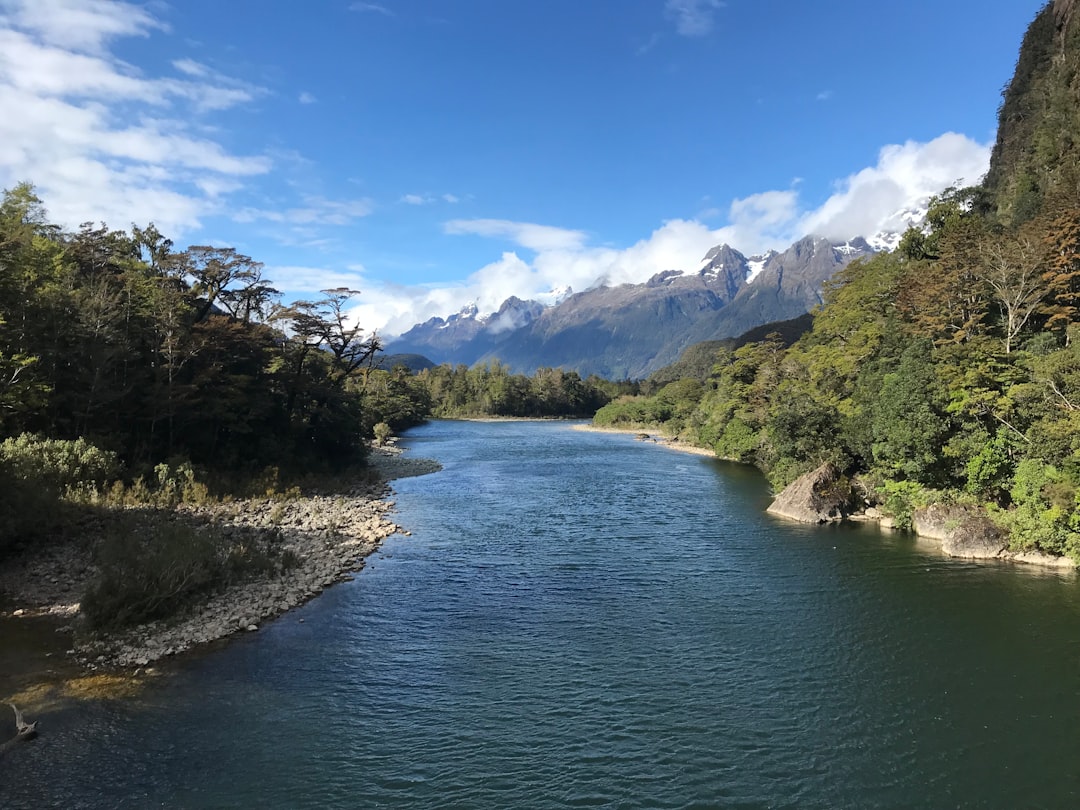
The Syr Darya and Amu Darya rivers, two colossal arteries of Central Asia, have shaped the region’s history, civilization, and ecology for millennia. Their lifegiving waters have nourished empires, sustained vast agricultural economies, and fostered unique ecosystems. Yet, these same rivers have also been the subject of immense human intervention, leading to profound environmental transformations and ongoing geopolitical complexities. Exploring these two magnificent waterways offers a journey into the heart of Central Asia’s past, present, and future.
The vast expanse of Central Asia, often perceived as an arid and unforgiving land, owes its very existence to the intricate network of rivers that traverse its territory. Among these, the Syr Darya and Amu Darya stand as paramount. They are not merely geographical features but foundational elements of the region’s identity. Their stories are intertwined with the rise and fall of ancient civilizations, the nomadic cultures that roamed the steppes, and the modern nations that now call this land home.
The Significance of River Systems in Arid Environments
In arid and semi-arid regions, where rainfall is scarce and unpredictable, rivers become the absolute linchpin of life. They provide the essential water for drinking, agriculture, and livestock, forming the basis of human settlement and economic activity. The Syr Darya and Amu Darya, originating from the snow-capped Pamir and Tian Shan mountains, serve as the primary source of freshwater for millions of people across Kazakhstan, Uzbekistan, Tajikistan, and Turkmenistan. Their flow dictates the viability of entire agricultural regions, influencing crop production, irrigation practices, and ultimately, food security.
Historical Role in Civilization and Trade
Throughout history, the Syr Darya and Amu Darya have been more than just sources of water; they have been conduits of culture, trade, and conquest. Along their banks, ancient cities flourished, serving as vital nodes on the Silk Road. The fertile floodplains attracted settlers, enabling the development of sophisticated agricultural techniques and the establishment of complex societies. Empires rose and fell, their destinies often linked to their ability to control and utilize these vital waterways. The historical narratives of the Khwarezmian Empire, the Mongol invasions, and the Russian Imperial expansion are all deeply interwoven with the strategic importance of these rivers.
Geographical Origins and Paths
The geographical origins and paths of these two rivers are crucial to understanding their ecological and geopolitical significance. The Syr Darya, the northern of the two, originates in the eastern Tian Shan mountains, formed by the confluence of the Naryn and Kara Darya rivers. It then flows for approximately 2,212 kilometers (1,374 miles) in a generally northwesterly direction, traversing Kyrgyzstan, Tajikistan, and Uzbekistan before emptying into the remnants of the Aral Sea.
The Amu Darya, the southern and larger of the two, boasts an even more majestic origin. It is formed by the confluence of the Panj and Vakhsh rivers, which themselves are fed by glaciers and snowmelt from the Pamir Mountains. The Amu Darya then embarks on a journey of roughly 2,540 kilometers (1,578 miles), flowing westward through Afghanistan and Turkmenistan before reaching Uzbekistan and, historically, the Aral Sea. Their vast drainage basins encompass a significant portion of Central Asia, making their health and management critical for the entire region.
The Syr Darya and Amu Darya rivers, crucial lifelines for Central Asia, have been the subject of various studies highlighting their historical significance and environmental challenges. For a deeper understanding of the impact of droughts on ancient civilizations, you can explore the article titled “Unearthing Ancient Drought: Biblical Evidence” which discusses the implications of water scarcity in historical contexts. This article can be found at Unearthing Ancient Drought: Biblical Evidence.
The Aral Sea Catastrophe: A Stark Warning of Human Intervention
Perhaps the most poignant and tragic chapter in the story of the Syr Darya and Amu Darya is the environmental disaster that befell the Aral Sea. Once the fourth-largest lake in the world, the Aral Sea has shrunk to a fraction of its former size, a stark testament to the consequences of unchecked water diversion for irrigation. This ecological catastrophe serves as a powerful and enduring warning about the delicate balance between human needs and environmental sustainability.
The Soviet-Era Irrigation Projects
The roots of the Aral Sea crisis lie in the ambitious Soviet-era irrigation projects launched in the mid-20th century. Driven by the desire to boost cotton production in the arid Central Asian republics, vast quantities of water were diverted from the Syr Darya and Amu Darya into a sprawling network of canals. The Karakum Canal, stretching over 1,375 kilometers (854 miles), is a prime example of these colossal undertakings, designed to bring water to the deserts of Turkmenistan. While these projects initially succeeded in transforming arid land into productive cotton fields, the long-term consequences were devastating.
The Scale of Water Diversion
The scale of water diversion was unprecedented. Millions of hectares of land were brought under irrigation, requiring billions of cubic meters of water annually. The Syr Darya and Amu Darya, once robust rivers that fed a vast inland sea, found their flows significantly reduced, and in some years, almost entirely consumed before reaching their natural delta. This unsustainable practice created an ecological imbalance that would have profound and lasting effects.
The Desertification of the Aral Sea Basin
The dramatic reduction in water inflow led to a rapid and devastating decline in the Aral Sea’s water levels. As the sea receded, vast expanses of seabed were exposed, transforming into a desolate salt desert. This process of desertification brought with it a cascade of environmental problems.
The Emergence of Toxic Dust Storms
The exposed seabed, laden with salt, pesticides, and other agricultural chemicals, became a source of toxic dust storms. These storms, carrying fine particles of this contaminated dust, could travel hundreds of kilometers, affecting the health of populations far beyond the immediate vicinity of the Aral Sea. Respiratory illnesses, cardiovascular problems, and increased rates of certain cancers became prevalent in the region, creating a public health crisis.
Impact on Local Ecosystems and Biodiversity
The ecological impact was equally severe. The once-thriving ecosystems of the Aral Sea and its deltas, rich in biodiversity, were decimated. Fish populations collapsed, leading to the demise of the local fishing industry, which had been a vital source of livelihood for many communities. Bird and mammal populations also suffered, as their habitats were destroyed or degraded. The unique ecological balance of the region was irrevocably altered.
Efforts Towards Aral Sea Restoration
In the post-Soviet era, there have been concerted efforts to address the Aral Sea crisis. The focus has shifted from large-scale, exploitative projects to more sustainable water management practices and targeted restoration initiatives.
The North Aral Sea Project
One of the most significant restoration efforts has been the North Aral Sea Project, funded by international organizations and implemented by Kazakhstan. This project involved the construction of the Kok-Aral Dam, which effectively separated the northern part of the Aral Sea from the southern, more saline section. This intervention has allowed the northern Aral Sea to begin refilling, leading to a significant improvement in its water level and salinity.
Successes and Challenges of the North Aral Sea Project
The North Aral Sea Project has achieved notable successes. Water levels have risen, salinity has decreased, and some fish species have returned, indicating a partial ecological recovery. The town of Aralsk, once facing abandonment, has seen a resurgence of economic activity related to fishing. However, the challenges remain immense. The southern Aral Sea continues to suffer from severe desiccation, and the overall restoration of the Aral Sea to its former glory is a long-term, complex endeavor that requires continued regional cooperation and significant investment.
The Rivers’ Modern Role: Agriculture, Energy, and Geopolitics
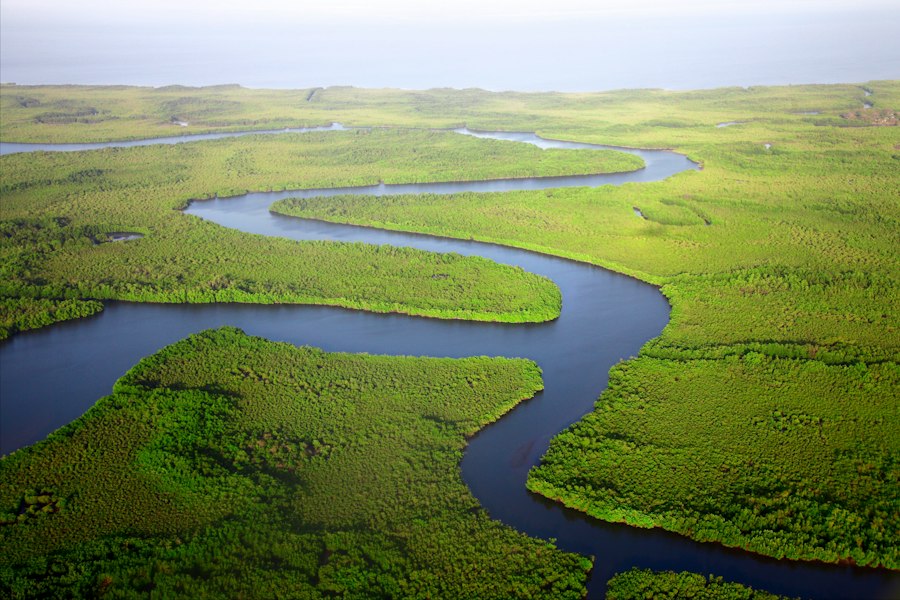
Despite the Aral Sea tragedy, the Syr Darya and Amu Darya remain indispensable to the Central Asian economies. Their waters are vital for agriculture, the production of hydroelectric power, and are at the heart of complex geopolitical negotiations and regional cooperation challenges.
Water as the Engine of Agriculture
Agriculture remains the backbone of many Central Asian economies, and the Syr Darya and Amu Darya are its lifeblood. Cotton, once the dominant crop, is still significant, but a greater emphasis is now being placed on diversifying agricultural production to include grains, fruits, and vegetables. The efficient and sustainable use of water in irrigation is paramount to ensuring food security and economic stability for the region.
Irrigation Systems and Water Management
The vast irrigation systems that were developed over decades are still in use, but there is a growing recognition of the need for modernization and improved water management practices. Techniques such as drip irrigation, precision agriculture, and water-saving crop varieties are being explored and implemented to reduce water waste and increase efficiency.
Challenges of Water Scarcity and Efficiency
Despite these efforts, water scarcity remains a persistent challenge, exacerbated by climate change and increasing demand. Ensuring equitable access to water and preventing over-allocation are ongoing challenges that require strong governance and regional collaboration.
Hydroelectric Power Generation
The mountainous origins of the Syr Darya and Amu Darya make them ideal for hydroelectric power generation. Numerous dams have been constructed along their courses and their tributaries, providing a significant source of electricity for the region. These dams not only generate power but also play a crucial role in regulating water flow and managing flood risks.
The Role of Dams in Water Regulation
Dams serve as reservoirs, storing water during periods of high flow and releasing it during dry seasons, thus ensuring a more consistent supply for irrigation and other uses. They are also essential for controlling potentially destructive floods that can occur during periods of rapid snowmelt in the mountains.
Debates over Dam Construction and Water Allocation
However, dam construction and operation have also become a source of contention, particularly between upstream and downstream countries. Upstream nations, such as Tajikistan and Kyrgyzstan, have a greater capacity to harness the rivers’ hydropower potential. Downstream nations, like Uzbekistan and Turkmenistan, are heavily reliant on the water for irrigation and express concerns about upstream dam operations affecting their water availability. This delicate balance between energy needs and water needs is a continuous source of regional discussion and negotiation.
Geopolitical Implications and Regional Cooperation
The shared nature of the Syr Darya and Amu Darya basins has profound geopolitical implications. The management of these transboundary rivers requires a high degree of cooperation and coordination among the riparian states. Historically, this cooperation has been fraught with challenges, stemming from differing national interests and historical grievances.
The Legacy of Soviet Water Management
The Soviet era created a centralized water management system that often prioritized the needs of the entire Soviet bloc over individual republic interests. Following the collapse of the Soviet Union, the newly independent nations inherited this complex infrastructure and the challenge of establishing new frameworks for water governance.
The Need for Sustainable Water Diplomacy
The need for sustainable water diplomacy and robust regional cooperation mechanisms is more critical than ever. Initiatives like the International Fund for the Aral Sea (IFAS) aim to foster collaboration, but achieving truly equitable and sustainable water management requires ongoing dialogue, mutual understanding, and a commitment to shared responsibility for the health of these vital river systems.
The Ecosystems of the Deltas and Floodplains

The deltas and floodplains of the Syr Darya and Amu Darya are unique and critically important ecosystems that have historically supported a rich array of flora and fauna. Despite the pressures of human intervention, these areas continue to hold ecological significance and are the focus of conservation efforts.
Biodiversity Hotspots
Historically, the vast deltas and extensive floodplains of these rivers were biodiversity hotspots. They provided vital habitats for numerous species of fish, birds, mammals, and plants, many of which were uniquely adapted to the riverine environment. The wetlands and oxbow lakes formed by the meandering rivers offered crucial breeding grounds and feeding areas.
Endemic Species and Their Importance
Many species found within these river systems and their associated habitats are endemic, meaning they are found nowhere else on Earth. The conservation of these endemic species is crucial for maintaining global biodiversity. Their intricate roles within the ecosystem contribute to the overall health and resilience of the region.
The Impact of Water Diversion on Deltas
The dramatic reduction in water flow to the deltas, a direct consequence of large-scale irrigation projects, has had a devastating impact on these ecosystems. The drying up of wetlands, the salinization of soils, and the loss of habitat have led to a significant decline in biodiversity.
The Loss of Wetlands and Aquatic Habitats
The disappearance of wetlands and aquatic habitats has had a cascading effect, impacting species that rely on these environments for survival. The natural processes of filtration and nutrient cycling that occur in healthy wetlands have been disrupted, leading to further environmental degradation.
Conservation Efforts and Protected Areas
Recognizing the ecological value of these areas, numerous conservation efforts and the establishment of protected areas have been undertaken. These initiatives aim to preserve the remaining natural habitats, restore degraded areas, and protect vulnerable species.
The Role of National Parks and Reserves
National parks and nature reserves play a crucial role in safeguarding critical habitats and allowing natural processes to continue with minimal human interference. These protected areas often serve as refuges for endangered species and provide opportunities for scientific research and ecotourism.
Challenges in Implementing Conservation Strategies
Implementing effective conservation strategies in these vast and often remote regions presents significant challenges. These include limited resources, ongoing pressures from human activities, and the need for strong governance and community involvement. However, the continued dedication to these efforts is vital for the long-term survival of these unique ecosystems.
The Syr Darya and Amu Darya rivers, vital lifelines for Central Asia, have been the focus of numerous studies due to their significant impact on the region’s ecology and economy. An intriguing article that delves into the broader implications of water sources in this area can be found here, where it explores the connections between glacial melt and water availability. Understanding these dynamics is crucial for addressing the challenges faced by communities reliant on these rivers. For more insights, you can read the article on the glacier mystery and its reflections on water resources here.
The Future of the Syr Darya and Amu Darya: Challenges and Opportunities
| Metric | Syr Darya River | Amu Darya River |
|---|---|---|
| Length | 2,212 km | 1,415 km |
| Drainage Basin Area | 219,000 km² | 534,739 km² |
| Average Discharge | 429 m³/s | 1,000 m³/s |
| Countries Flowing Through | Kyrgyzstan, Uzbekistan, Kazakhstan, Tajikistan | Tajikistan, Afghanistan, Turkmenistan, Uzbekistan |
| Primary Use | Irrigation, Hydropower | Irrigation, Hydropower |
| Outflow | North Aral Sea (formerly Aral Sea) | South Aral Sea (formerly Aral Sea) |
| Environmental Issues | Water diversion, salinization, reduced flow to Aral Sea | Water diversion, pollution, reduced flow to Aral Sea |
The future of the Syr Darya and Amu Darya is inextricably linked to the broader challenges and opportunities facing Central Asia. Climate change, population growth, and the need for sustainable development will all play a significant role in shaping the destiny of these magnificent rivers.
Climate Change and its Impact on Water Resources
Climate change poses a significant threat to the water resources of the Syr Darya and Amu Darya. Rising global temperatures are leading to changes in precipitation patterns, increased glacial melt, and altered river flows. This can result in more extreme weather events, such as droughts and floods, making water management even more complex.
Glacial Melt and its Long-Term Implications
The glaciers in the Pamir and Tian Shan mountains are a crucial source of water for these rivers. As these glaciers melt at an accelerated rate due to climate change, the initial effect might be an increase in water flow. However, in the long term, this will lead to a significant reduction in water availability, posing a substantial challenge for the future water security of the region.
Shifting Precipitation Patterns and Water Scarcity
Changes in precipitation patterns, with potentially drier summers and more intense but less frequent rainfall events, will further exacerbate water scarcity. Adapting to these shifts will require innovative water management strategies and a greater emphasis on water conservation.
Sustainable Development and Water Governance
Achieving sustainable development in Central Asia hinges on effective water governance and the responsible management of the Syr Darya and Amu Darya. This requires a shift towards integrated water resource management approaches that consider the interconnectedness of land, water, and ecosystems.
Integrated Water Resource Management (IWRM)
IWRM emphasizes a holistic approach to water management, coordinating the development and management of water, land, and related resources to maximize economic and social welfare without compromising the sustainability of vital ecosystems. This approach promotes cooperation among different sectors and stakeholders involved in water use.
The Role of International Collaboration and Best Practices
International collaboration and the adoption of best practices from other river basins are crucial. Sharing knowledge, technology, and financial resources can help Central Asian nations overcome the challenges they face and ensure the long-term health and viability of the Syr Darya and Amu Darya for generations to come.
The Potential for Renewed Ecological Health
Despite the challenges, there are opportunities for renewed ecological health and a more balanced relationship between human activities and the natural environment. The successes of the North Aral Sea Project offer a glimmer of hope, demonstrating that concerted efforts can lead to positive environmental change.
Lessons Learned from Past Mistakes
The lessons learned from the Aral Sea catastrophe are invaluable. They underscore the critical importance of understanding the ecological limits of river systems and the devastating consequences of unsustainable practices. This awareness can guide future decisions and promote a more responsible approach to resource management.
A Vision for a Resilient and Prosperous Central Asia
Ultimately, the future of the Syr Darya and Amu Darya is intertwined with the vision for a resilient and prosperous Central Asia. By fostering regional cooperation, embracing sustainable development, and prioritizing environmental stewardship, the nations of this vital region can ensure that these ancient lifelines continue to sustain their people and their ecosystems for centuries to come. The journey of exploration along these mighty rivers is far from over; it is a continuous narrative of adaptation, resilience, and the enduring power of nature.

A Dam Brought the Aral Sea Back—But Only Part of It
FAQs
What are the Syr Darya and Amu Darya rivers?
The Syr Darya and Amu Darya rivers are two major rivers in Central Asia that flow through multiple countries including Tajikistan, Uzbekistan, Turkmenistan, and Kazakhstan.
Where do the Syr Darya and Amu Darya rivers originate?
The Syr Darya river originates in the Tian Shan mountains in Kyrgyzstan, while the Amu Darya river originates in the Pamir mountains in Tajikistan.
What is the significance of the Syr Darya and Amu Darya rivers?
These rivers are crucial water sources for the countries they flow through, supporting agriculture, industry, and providing water for millions of people in the region.
Do the Syr Darya and Amu Darya rivers face any environmental challenges?
Yes, both rivers face challenges such as pollution, water scarcity, and the impacts of climate change, which threaten the ecosystems and communities that depend on them.
Are there any major projects or initiatives aimed at protecting the Syr Darya and Amu Darya rivers?
Several international organizations and countries in the region have launched initiatives to promote sustainable water management, improve water quality, and address the environmental challenges facing the Syr Darya and Amu Darya rivers.