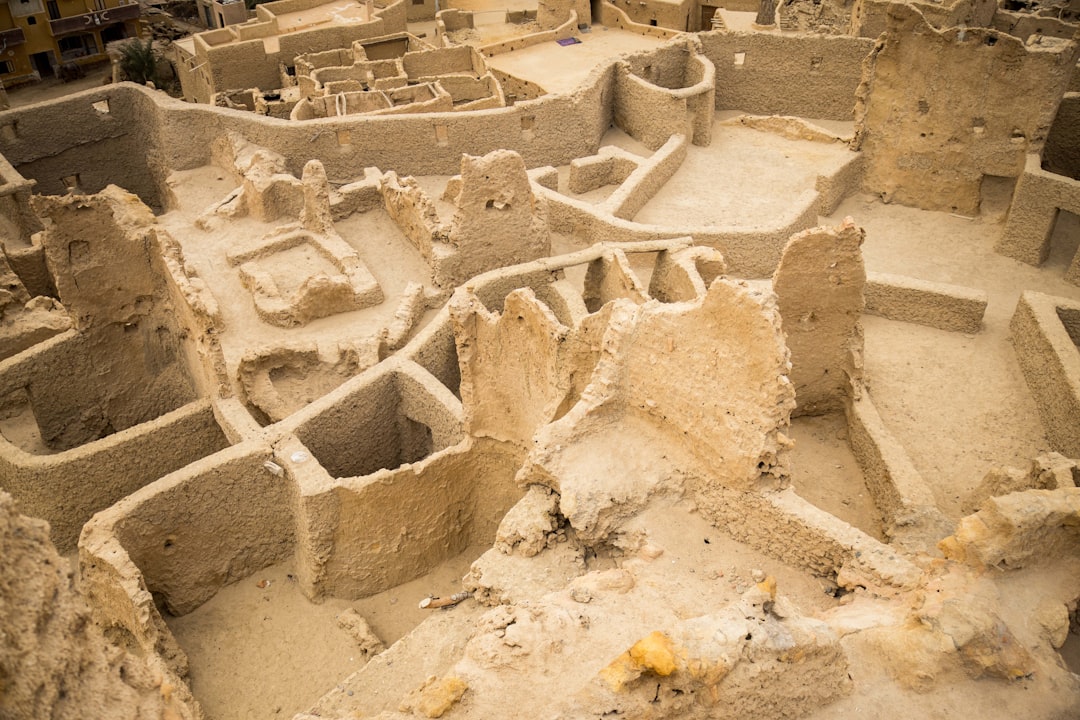
Throughout history, humanity has been captivated by the notion of lost secrets, particularly those pertaining to advanced ancient technology. These secrets, often shrouded in mystery and speculation, evoke a sense of wonder and curiosity about the capabilities of civilizations that existed long before the modern era. The allure of uncovering these hidden treasures lies not only in their potential to reshape historical narratives but also in their promise to enhance contemporary understanding of technology and innovation.
As researchers delve deeper into the annals of history, they unearth tantalizing clues that suggest ancient societies may have possessed knowledge and skills that rival or even surpass those of today. The quest for lost secrets is not merely an academic pursuit; it is a journey that intertwines archaeology, anthropology, and even philosophy. The implications of rediscovering advanced ancient technology could be profound, challenging established paradigms and inspiring new ways of thinking about human progress.
As scholars and enthusiasts alike embark on this exploration, they are driven by a shared desire to piece together the puzzle of our past, revealing the ingenuity and creativity that characterized ancient civilizations. This article will delve into the mysteries surrounding advanced ancient technology, examining the evidence, theories, and implications of these lost secrets.
Key Takeaways
- Lost secrets hold the key to understanding advanced ancient technology and civilizations.
- Unearthing clues to ancient civilizations can provide valuable insights into their technological advancements.
- Theories on the disappearance of advanced ancient tech range from natural disasters to extraterrestrial intervention.
- Archeological discoveries of advanced ancient tech challenge our understanding of history and technological progress.
- Myth and legend play a crucial role in uncovering lost secrets and understanding ancient technology.
The Mystery of Advanced Ancient Technology
The concept of advanced ancient technology often conjures images of sophisticated machinery, intricate engineering, and scientific knowledge that seems far ahead of its time. From the construction of the pyramids in Egypt to the astronomical alignments of Stonehenge, many ancient structures exhibit a level of precision and understanding that continues to baffle modern experts. The mystery lies not only in how these feats were accomplished but also in the possibility that ancient civilizations possessed technologies that have since been lost to time.
This raises questions about the nature of progress and the cyclical patterns of human development. Scholars have long debated the extent of technological advancement in ancient societies. Some argue that these civilizations were limited by their resources and knowledge, while others contend that they had access to sophisticated tools and techniques that have yet to be fully understood.
The existence of artifacts that defy conventional explanations fuels speculation about what might have been achieved. For instance, the discovery of ancient batteries, such as the Baghdad Battery, suggests that early humans may have harnessed electrical energy long before it became commonplace. Such findings challenge the linear narrative of technological evolution and invite further investigation into the capabilities of our ancestors.
Unearthing Clues to Ancient Civilizations

Archaeological excavations around the globe have yielded a wealth of information about ancient civilizations, revealing clues that hint at their technological prowess. Sites like Machu Picchu in Peru and the ruins of Angkor Wat in Cambodia showcase architectural marvels that reflect advanced engineering techniques. The precision with which stones were cut and assembled at these locations raises questions about the tools and methods employed by their builders.
As archaeologists continue to explore these sites, they uncover artifacts and remnants that provide insight into the daily lives and technological achievements of these cultures. In addition to physical structures, ancient texts and inscriptions offer valuable information about lost technologies. The writings of ancient scholars often contain references to inventions, scientific principles, and methodologies that have been lost over time.
For example, the works of Greek philosophers like Archimedes reveal an understanding of mechanics that was not fully appreciated until centuries later. By piecing together these historical fragments, researchers can begin to reconstruct a more comprehensive picture of how ancient societies operated and what technologies they may have developed.
Theories on the Disappearance of Advanced Ancient Tech
| Theories | Description |
|---|---|
| Natural Disasters | Some believe that advanced ancient technology disappeared due to natural disasters such as floods, earthquakes, or volcanic eruptions. |
| War and Conflict | It is theorized that advanced ancient technology was destroyed or lost during wars and conflicts between civilizations. |
| Environmental Changes | Changes in the environment, such as climate change or depletion of resources, may have led to the disappearance of advanced ancient tech. |
| Deliberate Destruction | Some suggest that advanced ancient technology was deliberately destroyed or hidden to prevent its misuse or to maintain power dynamics. |
The disappearance of advanced ancient technology has sparked numerous theories among historians and archaeologists. One prevalent idea is that catastrophic events, such as natural disasters or invasions, led to the decline of civilizations and the loss of their technological knowledge. The fall of the Roman Empire serves as a prime example; as societal structures crumbled, much of the accumulated knowledge was lost or forgotten.
This theory suggests that when civilizations collapse, they take with them not only their achievements but also the understanding necessary to replicate them. Another theory posits that advanced technologies were deliberately suppressed or abandoned due to cultural or ideological shifts. As societies evolved, certain technologies may have been deemed unnecessary or even dangerous, leading to their obsolescence.
This perspective raises intriguing questions about how cultural values shape technological development and retention. The transition from agrarian societies to industrialized nations illustrates how priorities can shift dramatically over time, potentially resulting in the loss of valuable knowledge.
Archeological Discoveries of Advanced Ancient Tech
Recent archaeological discoveries have shed light on advanced ancient technologies that challenge conventional understandings of history. For instance, the discovery of sophisticated water management systems in ancient Mesopotamia reveals an impressive level of engineering skill that allowed for agricultural prosperity in arid regions. Similarly, the unearthing of intricate clockwork mechanisms in ancient Greece suggests a level of mechanical sophistication previously thought to be unattainable at that time.
These findings not only highlight the ingenuity of ancient peoples but also raise questions about what other technologies may still lie hidden beneath layers of earth and time. As excavation techniques improve and new technologies are employed in archaeological research, there is hope that more advanced artifacts will be discovered. Each new find adds a piece to the puzzle, allowing historians to reevaluate existing narratives and consider alternative explanations for how ancient societies thrived.
The Role of Myth and Legend in Uncovering Lost Secrets
Mythology and legend often serve as vessels for preserving historical truths about advanced ancient technology. Many cultures have stories that recount encounters with gods or beings possessing extraordinary knowledge and abilities. These tales may contain kernels of truth about actual technological advancements or interactions with more advanced civilizations.
For instance, the Sumerian Epic of Gilgamesh includes references to advanced building techniques and materials that suggest a deeper understanding of construction than previously acknowledged. By examining these myths through a critical lens, researchers can glean insights into how ancient peoples perceived their world and their technological capabilities. The blending of fact and fiction in these narratives can provide clues about lost technologies while also reflecting cultural values and aspirations.
As scholars continue to analyze these stories, they may uncover hidden truths that illuminate the relationship between myth and reality in the context of advanced ancient technology.
The Potential Impact of Rediscovering Ancient Technology
The rediscovery of advanced ancient technology could have far-reaching implications for contemporary society. If evidence were found to support claims of sophisticated engineering or energy production methods from antiquity, it could revolutionize current technological paradigms. For instance, understanding how ancient civilizations harnessed renewable energy sources could inspire modern innovations aimed at addressing climate change and sustainability challenges.
It would challenge prevailing notions about progress being linear and highlight the cyclical nature of technological development. This shift in perspective could encourage interdisciplinary collaboration among scientists, historians, and engineers as they work together to explore how ancient wisdom can inform modern practices.
The Connection Between Advanced Ancient Tech and Modern Technology
The relationship between advanced ancient technology and modern innovations is a fascinating area of study. Many contemporary inventions can trace their roots back to principles established by ancient civilizations. For example, concepts such as hydraulics and basic mechanics were explored by early engineers whose work laid the groundwork for modern engineering practices.
By examining these connections, researchers can identify how knowledge has been built upon over centuries. Furthermore, studying ancient technologies can provide valuable lessons for addressing current challenges. For instance, many indigenous cultures developed sustainable agricultural practices that could inform modern approaches to food production in an era marked by environmental concerns.
By recognizing the value of traditional knowledge systems alongside contemporary science, society can create more holistic solutions to pressing issues.
The Search for Lost Secrets in Remote and Unexplored Areas
The search for lost secrets often leads researchers to remote and unexplored areas where ancient civilizations may have thrived undisturbed by modern development. Dense jungles, arid deserts, and isolated mountain ranges hold untold mysteries waiting to be uncovered. Expeditions into these regions not only aim to discover artifacts but also seek to understand how geography influenced technological advancements in different cultures.
Recent advancements in technology have made it easier for archaeologists to explore these challenging environments. Drones equipped with imaging technology can survey vast areas quickly, revealing potential sites for excavation without disturbing delicate ecosystems. As exploration continues in these remote locations, there is hope that significant discoveries will emerge, further illuminating humanity’s technological past.
Ethical Considerations in Uncovering Lost Secrets
As researchers pursue lost secrets related to advanced ancient technology, ethical considerations must guide their efforts. The potential for exploitation or misinterpretation of cultural artifacts raises important questions about ownership and respect for indigenous knowledge systems. It is crucial for archaeologists and historians to engage with local communities when conducting research in areas with rich cultural heritage.
Additionally, there is a responsibility to ensure that discoveries are preserved for future generations rather than commodified or appropriated for profit. Ethical frameworks should prioritize collaboration with indigenous peoples and respect for their traditions while fostering an inclusive approach to uncovering lost secrets. By adhering to ethical principles, researchers can contribute positively to both academic discourse and community well-being.
The Future of Uncovering Advanced Ancient Technology
The future holds great promise for uncovering advanced ancient technology as interdisciplinary collaboration continues to grow within academia and beyond. As new methodologies emerge—such as artificial intelligence-driven analysis or non-invasive excavation techniques—the potential for groundbreaking discoveries increases exponentially. Researchers are optimistic that ongoing efforts will yield insights into lost technologies that could reshape historical narratives.
Moreover, public interest in archaeology and history has surged in recent years, leading to increased funding opportunities for research initiatives focused on uncovering lost secrets.
As scholars continue their quest for knowledge, they remain hopeful that future discoveries will illuminate the remarkable achievements of ancient civilizations and inspire new generations to explore the mysteries that lie beneath our feet.
In conclusion, the exploration of lost secrets related to advanced ancient technology is a multifaceted endeavor that intertwines history, archaeology, mythology, ethics, and modern innovation. As researchers continue their quest for knowledge, they not only seek to uncover what has been lost but also aim to understand its implications for contemporary society and future generations. The journey into humanity’s past promises to be as enlightening as it is intriguing—a testament to the enduring legacy of those who came before us.
In recent years, the mystery of who might have buried advanced ancient technology has captivated historians and archaeologists alike. This enigma suggests that ancient civilizations may have possessed technological capabilities far beyond what was previously believed. For those interested in exploring this fascinating topic further, an article on the subject can be found on Real Lore and Order. This piece delves into various theories and evidence surrounding the existence of such technology and the reasons it might have been hidden away. To read more about these intriguing possibilities, visit the article on Real Lore and Order.
WATCH THIS! The Lost Tech They Buried to Control Us
FAQs
What is advanced ancient technology?
Advanced ancient technology refers to sophisticated tools, structures, or devices that were created by ancient civilizations and are beyond the technological capabilities of the time period in which they were created.
What are some examples of advanced ancient technology?
Examples of advanced ancient technology include the construction of the pyramids in Egypt, the Antikythera mechanism from ancient Greece, and the Nazca lines in Peru.
Why would advanced ancient technology be buried?
There are various theories as to why advanced ancient technology may have been buried, including natural disasters, war, or intentional burial for religious or ceremonial purposes.
Is there evidence of buried advanced ancient technology?
There have been archaeological discoveries that suggest the existence of buried advanced ancient technology, such as the discovery of advanced machining marks on ancient artifacts and the presence of unexplained structures or objects in archaeological sites.
What are some challenges in uncovering buried advanced ancient technology?
Challenges in uncovering buried advanced ancient technology include the difficulty of accessing and excavating archaeological sites, the lack of funding for research and exploration, and the preservation of delicate artifacts and structures.