
The vast expanse of Russia’s high northern latitudes, a region defined by its extreme climate and remote topography, harbors a significant concentration of industrial towns. These settlements, many established during the Soviet era to exploit abundant natural resources, are at the forefront of unique challenges and present a complex landscape of both persistent difficulties and nascent opportunities. Their existence is intrinsically linked to the extraction of oil, gas, minerals, and timber, activities that have shaped their development, economic viability, and the lives of their inhabitants. Understanding these high-latitude industrial towns requires a nuanced examination of their environmental, social, economic, and infrastructural realities.
The defining characteristic of Russia’s high northern latitudes is the harsh environmental conditions. These regions experience prolonged periods of extreme cold, extended darkness during winter, and permafrost, which presents foundational instability for construction and infrastructure. The industrial activities undertaken in these areas are directly impacted by these factors.
Permafrost Thaw and Infrastructure Integrity
The thawing of permafrost, a phenomenon exacerbated by global climate change, poses a direct and significant threat to the stability of industrial infrastructure. Buildings, pipelines, roads, and mining facilities, all built upon permanently frozen ground, are susceptible to subsidence and structural damage. This necessitates continuous monitoring, costly maintenance, and in some cases, the complete relocation or reinforcement of critical assets. The economic implications are substantial, as repairs and preventative measures divert resources from production and development. Furthermore, the potential for environmental accidents, such as oil spills or gas leaks, increases due to compromised pipeline integrity, leading to severe ecological damage in already fragile ecosystems.
Arctic Ecosystem Vulnerability and Industrial Footprint
The delicate Arctic ecosystems are highly vulnerable to the impacts of industrial activity. The presence of mining operations, oil and gas extraction, and associated transportation networks can lead to habitat destruction, pollution of air and water, and disruption of wildlife migration patterns. The long recovery times for damaged environments in the Arctic magnify the consequences of any environmental mishap. Moreover, the accumulation of greenhouse gases from industrial processes, coupled with the reflective properties of snow and ice, contributes to regional warming, further accelerating permafrost thaw and creating a feedback loop that intensifies environmental challenges. Addressing these issues requires stringent environmental regulations, advanced remediation techniques, and a commitment to sustainable operational practices, which can be challenging to implement and enforce in remote locations.
Climate Change Amplification and Adaptation Strategies
Climate change is not merely an external factor but an accelerating force shaping the future of these industrial towns. Rising temperatures are leading to more frequent and intense extreme weather events, such as storms and unusual thaws, impacting transportation and logistics. Shorter winter periods can affect operations reliant on frozen ground for access or transport. Conversely, the opening of new shipping routes, such as the Northern Sea Route, due to receding ice, presents potential future opportunities. However, the immediate reality for many existing industrial operations is the need for robust adaptation strategies. This includes investing in climate-resilient infrastructure, developing contingency plans for extreme weather, and re-evaluating long-term operational viability in the face of a changing climate. The cost of adaptation is significant, often requiring substantial investment and technological innovation.
Russian high latitude industrial towns face unique challenges and opportunities in the context of global economic shifts. As industries increasingly consider nearshoring to optimize supply chains, the dynamics of production locations are evolving. A related article that explores the implications of this trend is available at The Rise of Nearshoring: Mexico’s Growing Appeal, which discusses how businesses are reevaluating their operational strategies in response to changing geopolitical landscapes and economic conditions.
Socioeconomic Fabric of Remote Existence
The human element in these high-latitude industrial towns is inextricably linked to the demanding environment and the industries that sustain them. The social and economic fabric is characterized by unique demographics, labor market dynamics, and the provision of essential services.
Demographic Shifts and Labor Force Dynamics
Many of these towns were populated during periods of intensive resource development, leading to a demographic profile often skewed towards working-age men. As industries mature or decline, and as younger generations seek opportunities elsewhere, depopulation becomes a significant concern. This results in an aging workforce, a shrinking tax base, and challenges in maintaining essential services. Attracting and retaining skilled labor in such remote and challenging environments is a perpetual hurdle. High wages and sometimes generous social benefits are often necessary to compensate for the harsh living conditions, but these can also inflate operational costs and make industries less competitive. Furthermore, the reliance on a singular industry can make these towns economically precarious, vulnerable to fluctuations in global commodity prices.
Infrastructure Deficiencies and Quality of Life
The development of adequate infrastructure in remote, permafrost-laden regions is inherently costly and complex. Many high-latitude industrial towns face deficiencies in housing, healthcare, education, and cultural facilities. The long distances and challenging logistics make it difficult and expensive to transport goods and services. This directly impacts the quality of life for residents, influencing their willingness to relocate or remain in these areas. While some towns may have well-established industrial facilities, the supporting social infrastructure often lags behind, creating a disparity that can lead to social discontent and outward migration. Investments in modernizing and expanding social infrastructure are crucial for fostering sustainable communities and improving the overall well-being of the population.
Reliance on State Support and Resource-Based Economies
The economic viability of many high-latitude industrial towns is heavily reliant on the state’s support, either through direct subsidies, preferential tax regimes, or state-owned enterprises. This dependence can create a degree of vulnerability, as policy shifts or economic downturns can have disproportionate impacts. The economies are typically driven by resource extraction, creating a monoculture that limits diversification and resilience. The boom-and-bust cycles inherent in commodity markets can lead to periods of prosperity followed by significant hardship. Diversifying local economies beyond resource extraction, while challenging, is essential for long-term stability and reducing this dependence. This might involve developing localized manufacturing, service industries, or even leveraging the unique Arctic environment for scientific research or tourism, though the latter requires careful environmental management.
The Weight of Logistics and Transportation Connectivity
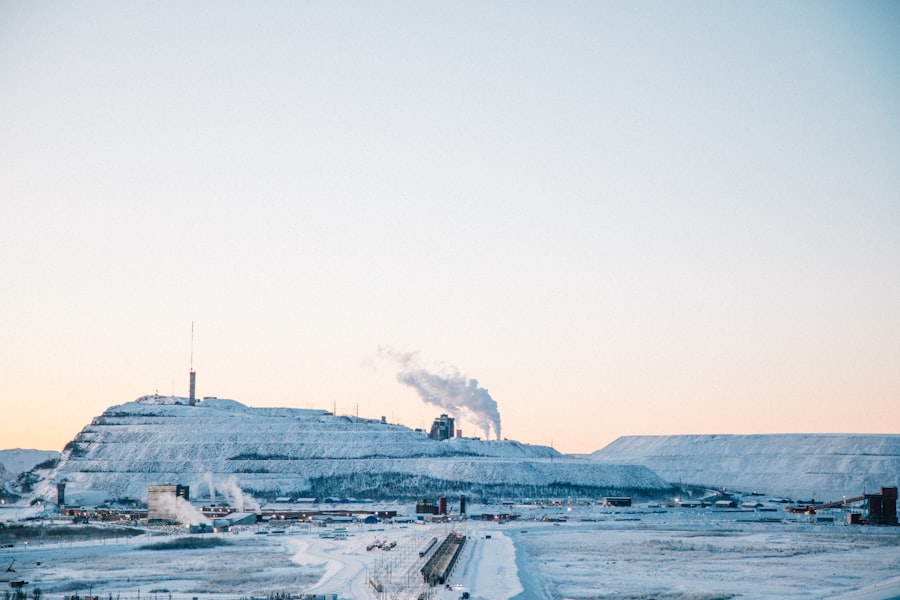
The geographical isolation of these industrial towns places immense importance on efficient and reliable logistics and transportation. The ability to move resources, equipment, and people in and out of these remote areas is critical for both industrial operations and the daily lives of residents.
The Northern Sea Route: A Shifting Gateway
The Northern Sea Route (NSR), formerly largely impassable for much of the year, is gradually becoming more accessible due to receding Arctic ice. This presents a significant potential opportunity for high-latitude industrial towns, offering a shorter and potentially more cost-effective shipping route to global markets for their extracted resources. However, the NSR is not without its challenges. Ice conditions, while diminishing, can still pose risks, and the route requires specialized ice-strengthened vessels and advanced navigational capabilities. Furthermore, the development of infrastructure to support increased traffic, such as port facilities and navigation aids, is still in its nascent stages. The successful utilization of the NSR will depend on significant investment in infrastructure, technology, and international cooperation.
Internal Transportation Networks: Arteries of Industry
Within the high northern latitudes, the development of robust internal transportation networks is paramount. This includes roads, railways, and river navigation, often built in challenging terrain and subject to the vagilties of the Arctic climate. The Trans-Polar Railway and the development of all-weather roads are examples of critical projects aimed at improving connectivity, but these are often expensive and time-consuming to implement. The limited network of internal transport can significantly increase the cost of operations, from bringing in supplies to transporting finished products. Maintaining existing infrastructure, particularly roads and pipelines prone to permafrost damage, requires continuous investment and innovative engineering solutions.
Interconnectedness with Global Markets: Challenges and Opportunities
The high-latitude industrial towns are intrinsically linked to global markets for their products. The prices of oil, gas, and minerals are determined internationally, directly impacting the profitability and sustainability of these operations. The logistical challenges of reaching these markets from remote locations can add significant costs, impacting competitiveness. However, as global demand for resources continues, these towns hold significant potential if the logistical hurdles can be overcome. The development of efficient and reliable transportation infrastructure, including leveraging emerging routes like the NSR, is key to capitalizing on this global demand and ensuring the economic prosperity of these remote industrial centers.
Resource Endowment and Export Dependence

The very existence of these industrial towns is rooted in their abundant natural resources. This endowment, while the primary driver of their establishment and continued operation, also creates a significant dependence on external markets and price fluctuations.
Hydrocarbon Extraction: A Double-Edged Sword
The vast reserves of oil and natural gas within Russia’s northern territories have fueled the growth of numerous industrial towns. These fields are crucial for national energy production and export revenues. However, reliance on hydrocarbons also exposes these communities to the volatility of global energy markets. Fluctuations in oil and gas prices can lead to periods of significant economic hardship, impacting investment, employment, and local government revenues. The environmental risks associated with hydrocarbon extraction, including potential spills and greenhouse gas emissions, are also a persistent concern in these ecologically sensitive regions. The long-term sustainability of these towns may hinge on their ability to diversify beyond a single resource.
Mineral Extraction and Diversification Potential
Beyond hydrocarbons, the high northern latitudes are rich in various mineral deposits, including nickel, copper, diamonds, and precious metals. The extraction of these minerals sustains other industrial towns and contributes significantly to the Russian economy. While mining operations provide employment and revenue, they also carry substantial environmental footprints. The potential for diversification lies in processing these extracted minerals closer to the source, creating value-added products and fostering related industries. However, this requires investment in processing facilities, skilled labor, and market access, all of which are challenging in remote locations. Exploring opportunities for downstream processing and manufacturing could offer a pathway towards greater economic resilience.
The Geopolitical Significance of Arctic Resources
The abundant natural resources within the Russian Arctic also imbue these industrial towns with significant geopolitical importance. As global demand for energy and minerals grows, the Arctic region becomes increasingly strategic. Russia’s territorial claims and its industrial presence in these areas are a key component of its geopolitical standing. However, this also creates a complex landscape of international interest and potential competition. The responsible and sustainable extraction of these resources, coupled with robust environmental stewardship, is crucial for navigating this geopolitical terrain. The operational success and long-term viability of these towns are therefore intertwined with broader national and international dynamics.
In exploring the dynamics of industrial development in high latitude regions, one can draw interesting parallels to the manufacturing sector in other areas, such as Tijuana. The article on Tijuana’s booming manufacturing sector highlights how geographical and economic factors can shape industrial growth, much like the challenges faced by Russian high latitude industrial towns. For a deeper understanding of these trends, you can read more about it in this insightful piece on Tijuana’s manufacturing sector.
Opportunities for Development and Future Prospects
| Town | Population | Industrial Sector | Latitude |
|---|---|---|---|
| Norilsk | 175,365 | Nickel, Copper, Palladium | 69.35°N |
| Vorkuta | 70,548 | Coal mining | 67.5°N |
| Murmansk | 299,148 | Shipbuilding, Fishing | 68.97°N |
Despite the formidable challenges, the high-latitude industrial towns of Russia also present a range of opportunities for innovation, development, and a more sustainable future, albeit one that requires deliberate and strategic investment.
Technological Innovation in Extreme Environments
The unique environmental conditions of the high north necessitate and foster technological innovation. Companies and researchers are developing advanced materials, construction techniques, and operational methodologies to withstand extreme cold and permafrost. Innovations in remote sensing, automation, and robotics are becoming increasingly important for monitoring infrastructure, ensuring safety, and optimizing operations in these challenging environments. Investing in research and development in this sector could not only benefit the industrial towns themselves but also create new exportable technologies and expertise applicable to other extreme environments globally. This can foster a knowledge-based economy alongside resource extraction.
The Emerging Northern Sea Route as a Trade Corridor
As previously mentioned, the increasing navigability of the Northern Sea Route offers a significant opportunity for increased trade and economic activity. The development of supporting infrastructure, such as ice-breaking capabilities, port facilities, and a highly skilled maritime workforce, is crucial to realizing this potential. For the industrial towns located along the NSR, this could translate into reduced transportation costs for both imports and exports, making their products more competitive on the global market and potentially attracting new investment. The NSR could transform these towns from isolated outposts into key nodes in global supply chains.
Sustainable Resource Management and Green Technologies
There is a growing imperative for sustainable resource management in the Arctic. This presents an opportunity for the widespread adoption of green technologies and practices in industrial operations. Investing in renewable energy sources, developing advanced waste management systems, and implementing stricter emissions controls can mitigate the environmental impact of industrial activities. Furthermore, the development of expertise in environmental monitoring, remediation, and preservation could create new service industries. The focus on sustainability can also enhance the social license to operate for these industries and attract environmentally conscious investors, potentially fostering a more responsible and long-term approach to resource utilization. The Arctic’s unique environment could become a testing ground for cutting-edge environmental solutions.
Diversification Beyond Resource Extraction: Niche Industries and Services
The long-term resilience of these industrial towns hinges on their ability to diversify their economies beyond a singular reliance on resource extraction. This could involve developing niche industries and specialized services that leverage existing infrastructure and local expertise. For example, the development of Arctic research centers, specialized logistics providers catering to remote operations, or even eco-tourism ventures (with stringent environmental management) could create new employment opportunities and economic avenues. The unique challenges of operating in the high north have fostered a specific set of skills and knowledge that can be applied to a range of specialized sectors. The future of these towns may lie in transforming themselves into hubs for specialized Arctic expertise and services.
FAQs
What are Russian high latitude industrial towns?
Russian high latitude industrial towns are settlements located in the northern regions of Russia, often above the Arctic Circle, that are primarily focused on industrial activities such as mining, oil and gas extraction, and heavy manufacturing.
How many Russian high latitude industrial towns are there?
There are several Russian high latitude industrial towns, including Norilsk, Vorkuta, and Murmansk, among others. These towns are strategically located to take advantage of the natural resources found in the region.
What are the challenges of living in Russian high latitude industrial towns?
Living in Russian high latitude industrial towns presents several challenges, including extreme weather conditions, limited access to amenities and services, and environmental concerns related to industrial activities.
What is the economy like in Russian high latitude industrial towns?
The economy of Russian high latitude industrial towns is heavily reliant on the extraction and processing of natural resources, such as oil, gas, and minerals. These towns often play a crucial role in Russia’s overall industrial output and economic development.
How does the Russian government support high latitude industrial towns?
The Russian government provides support to high latitude industrial towns through infrastructure development, subsidies for industrial activities, and special economic zones to attract investment and development in these remote areas.