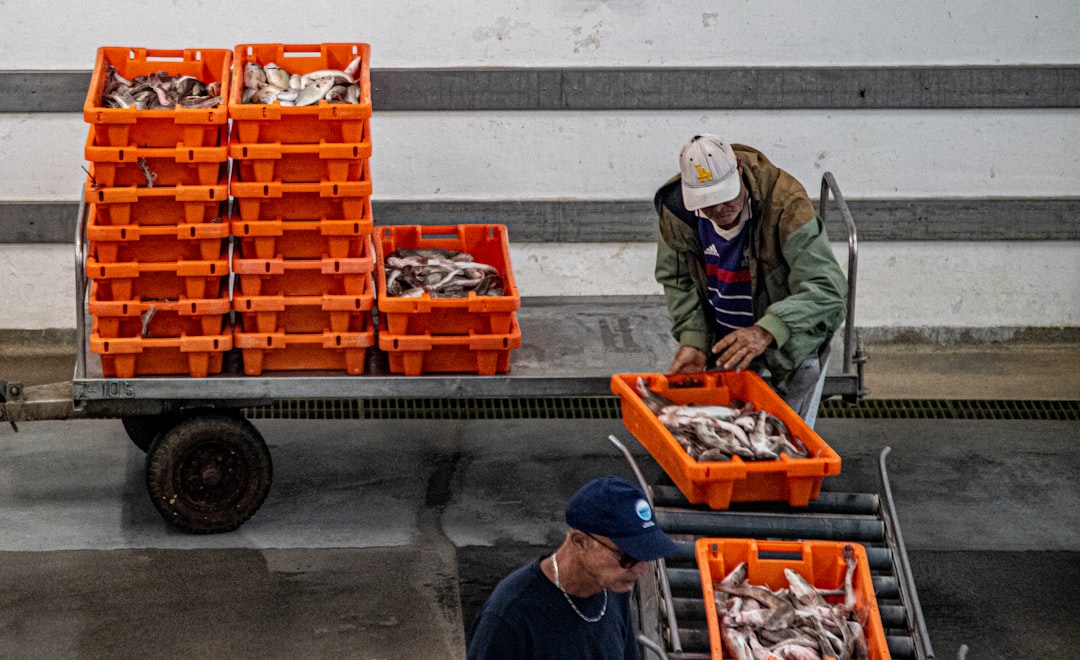
The journey of food from its humble origins on the farm to its prominent display on supermarket shelves is a complex and fascinating process, a testament to the intricate logistics and dedicated efforts of countless individuals. This journey, often taken for granted by consumers, involves a multi-stage operation that prioritizes freshness, safety, and efficiency. Understanding this intricate network can foster a greater appreciation for the food we eat and the systems that bring it to our tables.
The story of our food begins long before it ever leaves the farm. This initial phase is crucial, as the quality of the produce, meat, or dairy directly impacts its subsequent journey and its final appeal to consumers. Farmers are the unsung heroes of this stage, employing a combination of traditional knowledge and modern agricultural science to bring forth their bounty.
1.1 Seed to Sprout: The Importance of Sowing and Growing
The selection of seeds or livestock breeds is the very first decision made. Farmers meticulously choose varieties that are suited to their climate, soil conditions, and market demands. For crops, this involves careful planting, ensuring optimal spacing and depth for healthy germination. Ongoing care includes providing essential nutrients through fertilizers, managing irrigation to deliver the right amount of water, and diligently protecting against pests and diseases through integrated pest management strategies or, when necessary, approved pesticides. The goal is to foster robust growth and maximize yields.
1.2 Animal Husbandry: Nurturing Livestock
For animal products, the focus shifts to humane and healthy raising practices. This involves providing nutritious feed, clean water, and safe, comfortable living environments. Genetic selection plays a role in breeding animals for desirable traits such as rapid growth, meat quality, or milk production. Veterinary care is paramount, with regular check-ups and preventative measures to ensure the well-being of the animals and prevent the spread of illness.
1.3 The Art of the Harvest: Timing is Everything
Knowing the optimal time to harvest is a critical skill for farmers. For fruits and vegetables, this often means picking them at their peak ripeness to ensure the best flavor and texture. Overripe produce can spoil quickly, while underripe produce may lack flavor and sweetness. For grains, harvesting occurs when the crop has dried sufficiently. In the case of livestock, their readiness for processing is determined by age, weight, and overall health. The efficiency and timing of the harvest directly impact the freshness and longevity of the food product.
1.4 Sustainability in Practice: Modern Farming’s Ethical Compass
Modern agriculture increasingly emphasizes sustainable practices. This includes efforts to reduce water usage through efficient irrigation systems, minimize soil erosion through techniques like no-till farming, and promote biodiversity within the farm ecosystem. Organic farming, in particular, eschews synthetic pesticides and fertilizers, relying on natural methods to maintain soil health and control pests. These sustainable approaches not only benefit the environment but also contribute to the long-term viability of food production.
Understanding how food reaches grocery stores involves exploring various aspects of the supply chain, from farming to transportation. For a deeper insight into economic factors that may influence food distribution, you might find the article on Mexico’s economy interesting. It discusses how economic growth in Mexico could impact trade and supply chains in North America. You can read more about it here: Will Mexico’s Economy Surpass the U.S.?.
2. The First Mile: Collection and Initial Processing
Once the harvest is complete, the food embarks on its first leg of the journey. This “first mile” involves gathering the produce or products from the farm and transporting them to a location where initial processing and preparation for wider distribution can occur.
2.1 Gathering the Goods: From Field to Collection Point
For produce, this might involve large-scale machinery for crops like corn or wheat, or skilled hands for delicate fruits and vegetables. The harvested items are typically collected at a designated point on the farm or at a nearby aggregation center. For livestock, this stage involves safe and efficient transportation from the farm to processing facilities.
2.2 Sorting and Grading: Ensuring Quality Standards
Upon arrival at the collection point, food items undergo sorting and grading. This process involves visually inspecting the produce for defects, damage, or signs of spoilage. Items are then categorized based on size, ripeness, and quality according to pre-defined standards. This ensures that only the highest quality products move forward in the supply chain, and that consumers receive consistent and desirable goods.
2.3 Initial Cleaning and Preparation: Setting the Stage for Preservation
Depending on the food type, initial cleaning and preparation may take place. Vegetables might be washed and trimmed to remove excess dirt and leaves. Fruits may be gently brushed or rinsed. This initial preparation helps to remove surface contaminants and makes the products more palatable and presentable. For some items, like grains, initial milling or hulling might occur at this stage.
2.4 Cooling and Preservation: Extending Freshness
For perishable items like fruits, vegetables, and dairy, immediate cooling is paramount. This slows down the natural ripening and decay processes, significantly extending their shelf life. Cold storage facilities, often located at aggregation centers or processing plants, maintain specific temperature ranges to preserve freshness. This crucial step is a cornerstone of ensuring that food reaches consumers in an optimal state.
3. Processing and Packaging: Transforming Raw Goods into Marketable Products
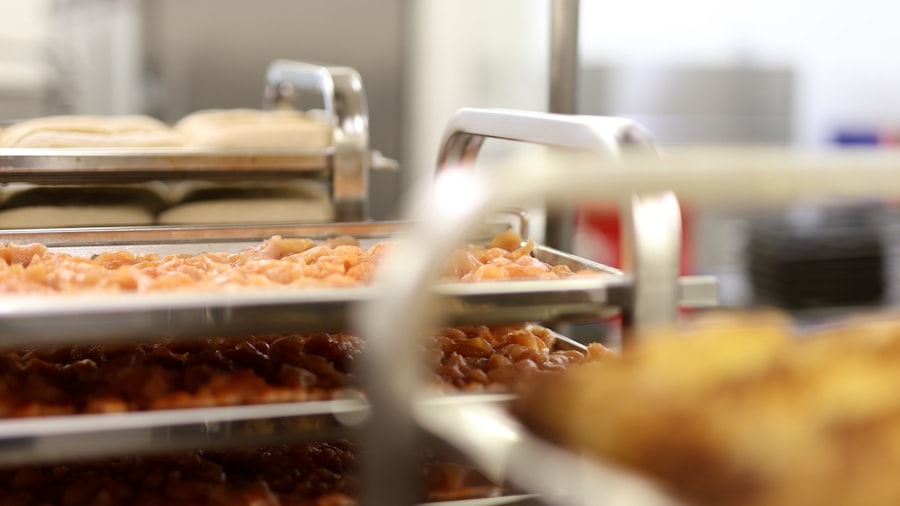
The journey continues to processing and packaging facilities, where raw agricultural products are transformed into the recognizable items found in grocery stores. This stage involves a range of activities aimed at enhancing safety, extending shelf life, and making the food convenient for consumers.
3.1 Value Addition: From Raw to Ready
Processing can involve a variety of techniques. For fruits and vegetables, this might include washing, cutting, peeling, blanching, freezing, or canning. Meat processing involves slaughtering, butchering, and preparing various cuts. Dairy processing includes pasteurization, homogenization, and the creation of products like cheese and yogurt. Grains are milled into flour, and other ingredients may be added to create processed foods like cereals and baked goods.
3.2 The Science of Preservation: Techniques for Longevity
Preservation techniques are essential for making food available year-round and transportation over long distances. Beyond refrigeration and freezing, this includes methods like:
- Canning: Sealing food in airtight containers and heating it to eliminate microorganisms.
- Drying: Removing moisture to prevent microbial growth.
- Salting and Curing: Using salt to draw out moisture and inhibit spoilage, often used for meats and fish.
- Fermentation: Utilizing beneficial microorganisms to preserve food and create unique flavors, as seen in yogurt and sauerkraut.
- Vacuum Sealing and Modified Atmosphere Packaging (MAP): Removing air or altering the gas composition within packaging to slow down spoilage.
3.3 Packaging: Protection, Information, and Appeal
Packaging plays a multifaceted role. Primarily, it protects the food from physical damage, contamination, and spoilage during transit and handling. It also serves as a crucial communication tool, carrying essential information such as:
- Nutritional Facts: Detailing calorie content, macronutrients, and micronutrients.
- Ingredients List: Revealing all components of the product.
- Best Before/Use By Dates: Indicating recommended consumption timelines.
- Allergen Information: Warning consumers about potential allergens.
- Brand Information and Marketing: Presenting the product to consumers and conveying its selling points.
The choice of packaging materials is also critical, considering factors like durability, barrier properties against moisture and light, and environmental impact.
3.4 Quality Control and Food Safety: A Non-Negotiable Priority
Throughout the processing and packaging stages, rigorous quality control measures and food safety protocols are in place. This includes regular testing for microbial contamination, adherence to strict hygiene standards in processing facilities, and the implementation of Hazard Analysis and Critical Control Points (HACCP) systems. These measures are paramount to ensure that the food reaching consumers is safe for consumption.
4. Distribution and Logistics: The Backbone of the Supply Chain
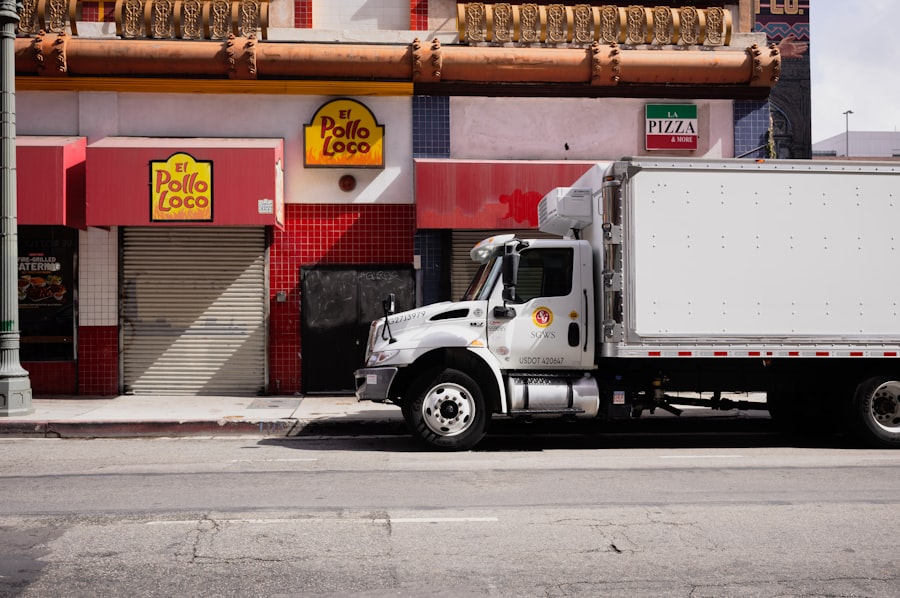
Once processed and packaged, food products enter the complex world of distribution and logistics. This involves a sophisticated network of transportation, warehousing, and inventory management to ensure that food reaches retailers efficiently and in optimal condition.
4.1 Warehousing and Storage: The Holding Pen
Processed and packaged food items are often stored in large warehouses before being distributed. These facilities are equipped with controlled environments, including refrigeration and freezing capabilities, to maintain the integrity of the products during their holding period. Inventory management systems are crucial here, ensuring that stock levels are monitored and replenished effectively to meet demand.
4.2 Transportation: The Movement of Goods
The movement of food from warehouses to retail stores involves a variety of transportation methods:
- Trucking: The most common mode of transportation for domestic distribution, utilizing refrigerated trucks (reefers) to maintain temperature-controlled environments.
- Rail: Used for longer-distance transport of bulk goods, offering cost-effectiveness for large volumes.
- Sea Freight: Essential for international trade, involving large container ships carrying produce and processed foods across oceans.
- Air Freight: Employed for highly perishable or high-value items that require expedited delivery, though it is the most expensive option.
The choice of transportation depends on factors such as distance, volume, perishability, cost, and urgency.
4.3 Cold Chain Management: Maintaining the Chill
For many food products, maintaining a continuous “cold chain” is absolutely critical from the point of packaging to the point of sale. This means that at no stage should the temperature of the food rise above a certain threshold that would compromise its quality, safety, or shelf life. This requires meticulous coordination between all parties involved in the distribution process, including refrigerated warehouses, temperature-controlled trucks, and even specialized loading docks. Any break in the cold chain can lead to spoilage and potential food safety issues.
4.4 Just-In-Time Delivery: Efficiency in Action
Many modern retailers operate on a “just-in-time” inventory system. This means that products are delivered to stores by distributors only when they are needed, minimizing the amount of stock held at the store level. This reduces waste, frees up valuable retail space, and ensures that consumers are more likely to find fresh products. However, it also places a high demand on the efficiency and reliability of the distribution network.
Understanding how food gets to grocery stores involves a complex supply chain that starts from farms and ends on supermarket shelves. For a deeper insight into how environmental factors can impact agricultural practices and food availability, you might find this article on tree rings and their revelations about Bronze Age droughts particularly interesting. It highlights the historical context of climate effects on food production, which is crucial for grasping today’s challenges in food supply. You can read more about it here.
5. The Retail Front: From Store Door to Consumer Cart
| Stage | Description |
|---|---|
| Production | Food is grown, raised, or manufactured by farmers, ranchers, and food producers. |
| Processing | Food undergoes various processes such as cleaning, cutting, packaging, and preserving before it is ready for distribution. |
| Transportation | Food is transported from production and processing facilities to distribution centers and grocery stores using trucks, trains, ships, and planes. |
| Distribution | Food is distributed to grocery stores and supermarkets through wholesalers, distributors, and retailers. |
| Retail | Food is displayed, sold, and purchased by consumers at grocery stores and supermarkets. |
The final stage of the food’s journey takes place within the retail environment. This is where the carefully orchestrated efforts of the preceding steps culminate in the consumer’s direct interaction with the food product.
5.1 Receiving and Stocking: The Store’s Incoming Goods
Upon arrival at the supermarket, the food shipments are received, checked against invoices, and then carefully stocked onto store shelves or into refrigerated/frozen display units. This process requires trained staff who understand the specific storage requirements for different food categories to ensure continued freshness and prevent cross-contamination.
5.2 Merchandising and Display: Presentation Matters
How food is presented on the shelves plays a significant role in consumer purchasing decisions. Merchandising involves arranging products in an organized and appealing manner. This can include grouping similar items together, creating eye-catching displays, and ensuring that products are within easy reach of shoppers. For fresh produce, maintaining vibrant displays with misting systems can enhance visual appeal and help preserve freshness.
5.3 Inventory Management at the Retail Level: Balancing Supply and Demand
Retailers employ sophisticated inventory management systems to track sales, monitor stock levels, and predict consumer demand. This helps them to order the right quantities of products from their distributors, minimizing waste due to overstocking and preventing stockouts that can lead to lost sales and customer disappointment.
5.4 Consumer Choice and Purchase: The End of the Line for the Journey
Ultimately, the consumer makes the final decision. The shopper selects the food items based on a variety of factors, including price, appearance, brand loyalty, and perceived quality. The journey from farm to shelf is complete when the food item is placed in the consumer’s shopping cart and taken home to be prepared and enjoyed. Each step in this intricate process has contributed to the product’s availability, safety, and quality, showcasing the remarkable coordination and effort involved in bringing food to our tables.

The Black Layer That Shouldn’t Exist
FAQs
1. What is the process of getting food to grocery stores?
The process of getting food to grocery stores involves several steps, including farming, harvesting, processing, packaging, transportation, and distribution.
2. How are fruits and vegetables transported to grocery stores?
Fruits and vegetables are typically transported to grocery stores via trucks, trains, or ships, depending on the distance and location of the farms and the stores.
3. What role do food distributors play in getting food to grocery stores?
Food distributors play a crucial role in getting food to grocery stores by purchasing products from farmers and manufacturers, storing them in warehouses, and then delivering them to retail locations.
4. How do grocery stores ensure the freshness of the food they receive?
Grocery stores ensure the freshness of the food they receive by working with suppliers who use proper packaging, refrigeration, and transportation methods to maintain the quality of the products.
5. What are some challenges in the process of getting food to grocery stores?
Some challenges in the process of getting food to grocery stores include maintaining food safety standards, minimizing food waste, dealing with transportation logistics, and ensuring timely delivery to meet consumer demand.