- The Phantom Emptying: Understanding the Grocery Shelf’s Sudden Void
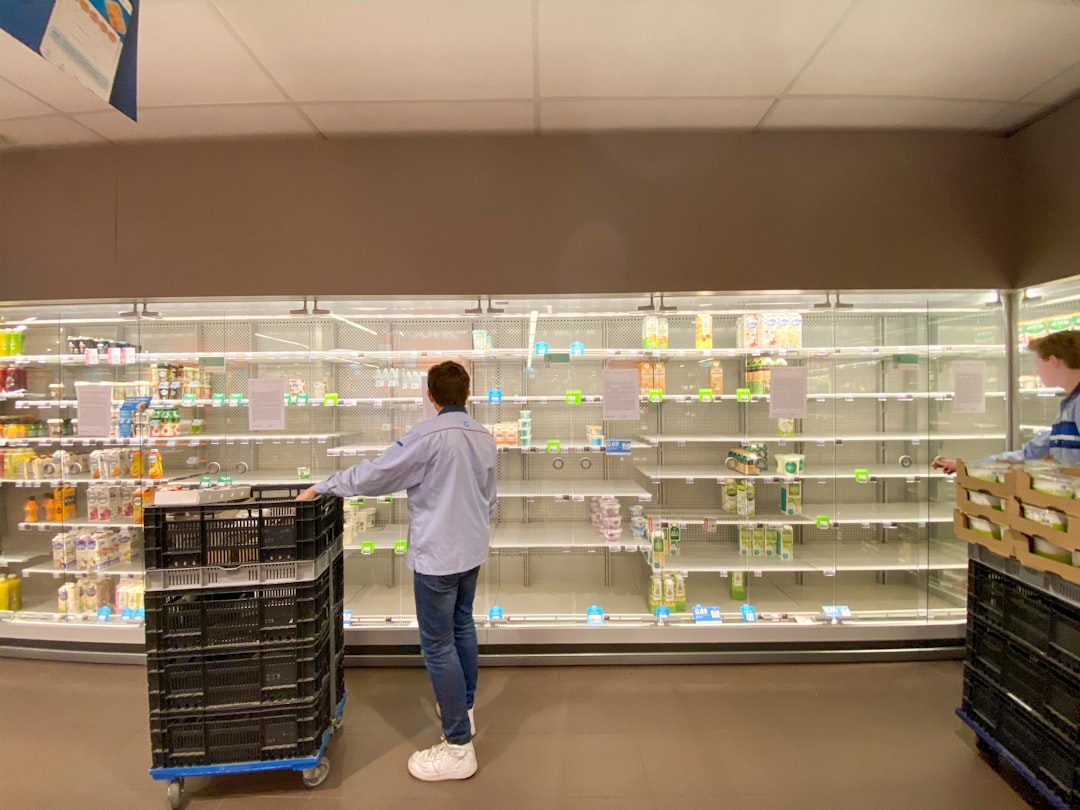
The sight is a familiar, albeit unsettling, one: aisles stripped bare, shelves sparsely populated with dust bunnies and the occasional forlorn can of beans. In the face of uncertainty, from natural disasters to global pandemics, the humble grocery store transforms into a battlefield. But why do these shelves, usually brimming with abundance, seemingly empty overnight? The culprit isn’t a sudden surge in hoarding, though that plays a role. The primary driver lies deep within the intricate, often invisible, network that brings food from farm to fork: the supply chain. Understanding the vulnerabilities and complexities of this chain is key to demystifying the phantom emptying of grocery shelves during emergencies. This listicle will delve into the multifaceted reasons behind these disruptions, offering a comprehensive look at how a seemingly stable system can falter when tested.
- The Illusion of Abundance: Why We Expect Full Shelves
- Our Daily Ritual: The grocery store is a cornerstone of modern life, a place where we expect to find everything we need, when we need it. This expectation is built on a foundation of efficient logistics and consistent production.
- The “Just-In-Time” Model: Many industries, including food retail, operate on a “just-in-time” inventory system. This means goods are produced and delivered precisely when needed, minimizing storage costs and waste. While highly efficient in normal times, it leaves little buffer for unexpected demand spikes.
- Pre-Consumer Awareness: We rarely see the upstream processes – the farming, harvesting, processing, and initial transportation. Our perception of grocery availability begins at the distribution center or directly on the store shelf.
- The Emergency Trigger: More Than Just Panic Buying
- Increased Demand: The most immediate and visible factor is a dramatic increase in consumer demand. As news of an impending emergency spreads, people naturally stock up, fearing shortages and wanting to secure provisions.
- Psychological Impact: Fear and uncertainty fuel panic buying. The sight of empty shelves, in turn, can exacerbate this panic, creating a feedback loop.
- Beyond the Individual: While individual decisions to buy more are significant, emergency directives, such as “shelter in place” orders, also contribute by keeping people away from stores for extended periods, leading to concentrated shopping trips when they do venture out.
- The Fragile First Mile: Production and Agricultural Disruptions
The journey of our food begins long before it reaches the supermarket. The agricultural sector, the very foundation of our food supply, is inherently susceptible to a wide range of disruptions that can ripple outwards and affect grocery shelves. Weather, disease, labor shortages, and infrastructure issues at this initial stage can significantly impact the quantity and speed at which food becomes available. A breakdown here, no matter how small it might seem, has a direct and immediate consequence on downstream processes.
- Weather’s Wrath: A Predictable Unpredictability
- Extreme Weather Events: Hurricanes, droughts, floods, wildfires, and unseasonal frosts can decimate crops, kill livestock, and destroy agricultural infrastructure. A single severe weather event in a key growing region can impact entire categories of food.
- Impact on Yields: Even less severe weather phenomena, like prolonged rain or insufficient sunlight, can reduce crop yields, meaning less produce is available for harvest and processing.
- Seasonal Dependencies: Agriculture is inherently seasonal. Disruptions during critical planting or harvesting periods can have long-lasting effects, as crops cannot simply be replanted or harvested out of season.
- The Specter of Disease and Pests
- Crop Diseases: Fungal infections, viral outbreaks, and bacterial blights can spread rapidly through crops, rendering them inedible or unmarketable. The swiftness of these outbreaks can leave little time for mitigation.
- Animal Diseases: Avian flu, swine fever, and other livestock diseases can lead to widespread culling of animals, significantly impacting the supply of meat, poultry, and dairy products.
- Insect Infestations: Pests can decimate crops if left unchecked. The rise of resistant pests or the introduction of new invasive species can pose significant threats to agricultural output.
- Labor: The Unseen Engine of Agriculture
- Seasonal Workforce Dependency: Many agricultural operations rely heavily on seasonal and migrant labor for planting, harvesting, and processing.
- Health Crises and Travel Restrictions: Pandemics or other health crises can lead to border closures, lockdowns, and self-quarantine measures, severely limiting the availability of this essential workforce.
- Worker Safety Concerns: In emergencies, agricultural workers may face increased risks to their health and safety, leading to absenteeism or a reluctance to work in certain conditions.
- The Bottlenecked Middle Mile: Processing and Manufacturing Challenges
Once ingredients are harvested or produced, they enter the complex world of processing and manufacturing. This stage transforms raw agricultural commodities into the familiar products we find on grocery shelves – canned goods, frozen meals, packaged snacks, and more. Disruptions in processing plants, whether due to equipment failure, labor shortages, or ingredient scarcity caused by first-mile issues, create significant bottlenecks that prevent food from reaching consumers.
- From Field to Factory: The Transformation of Food
- Food Processing Plants as Hubs: These facilities are critical nodes in the food supply chain, where raw materials are cleaned, cut, cooked, packaged, and preserved.
- Specialized Machinery: Many food processing operations rely on highly specialized and often costly machinery. Breakdowns or a lack of spare parts can halt production lines entirely.
- Sanitation and Safety: Maintaining hygiene standards is paramount in food processing. Any compromise to these standards can lead to shutdowns for investigation or remediation.
- The Ripple Effect of Ingredient Shortages
- Dependence on Primary Producers: If the first mile is disrupted, processing plants will face a scarcity of raw ingredients. This can halt production even if the plant itself is operating at full capacity.
- Interdependence of Industries: A shortage of flour can affect bakeries, a lack of sugar can impact candy manufacturers, and so on. The interconnectedness means a problem in one area quickly impacts others.
- Global Sourcing: Some ingredients are sourced globally. Trade disputes, port congestion, and international shipping disruptions can all create shortages of essential components for food manufacturing.
- Operational Hurdles in Manufacturing
- Energy and Utility Dependence: Food processing plants require significant energy and reliable utility services. Power outages or disruptions to water supply can paralyze operations.
- Packaging Material Scarcity: The packaging materials that encase our food – plastic, cardboard, metal – are also part of a supply chain that can be disrupted, leading to shortages of finished products.
- Workforce Availability: Similar to agricultural labor, processing plants require a consistent workforce. Illnesses, quarantine requirements, or travel restrictions can lead to significant staffing shortages, slowing or stopping production.
- The Logistical Maze: Transportation and Distribution Nightmares
The movement of food from processing plants to distribution centers and finally to individual grocery stores is a finely tuned, high-stakes operation. When emergencies strike, this logistical maze can quickly become a quagmire, with clogged roads, fuel shortages, and labor absences bringing the flow of goods to a standstill. The efficiency of the “last mile” – the journey from the distribution hub to the store shelf – is particularly vulnerable.
- The Backbone of the System: Trucks, Trains, and Ships
- Trucking Industry Strain: The majority of food in many countries is transported by truck. Road closures due to natural disasters, traffic congestion from evacuations, or driver shortages can significantly delay deliveries.
- Rail and Sea Constraints: While less common for immediate grocery replenishment, disruptions to rail lines or international shipping ports can impact the availability of certain goods or ingredients over the longer term.
- Fuel Availability: A critical element of transportation is fuel. In emergencies, fuel supply chains can be disrupted, leading to shortages and increased costs for carriers, impacting delivery schedules.
- Distribution Centers: The Crucial Hubs
- Centralized Storage and Sorting: Distribution centers act as intermediaries, receiving bulk shipments, sorting them, and preparing them for individual store orders.
- Capacity Limitations: These centers have finite storage capacity. A surge in demand coupled with delayed inbound shipments can quickly overwhelm their ability to manage inventory.
- Worker Shortages: Staffing issues at distribution centers, caused by illness, family emergencies, or the need to evacuate, can slow down the entire process of getting food out to stores.
- The Last Mile: From Warehouse to Your Cart
- The Critical Final Leg: This is the most visible part of the delivery process for retailers. Even with full warehouses, if trucks can’t reach stores or drivers are unavailable, shelves remain empty.
- Store Delivery Schedules: Grocers operate on tight delivery schedules. Any disruption to these schedules means stores are not replenished as frequently, leading to visible shortages.
- Fuel Costs and Driver Shortages at the Retail Level: Similar to the broader transportation issues, local delivery drivers for grocery chains can be affected by fuel availability, illness, or being unable to reach their workplaces.
- The Human Factor: Labor Shortages and Consumer Behavior
Beyond the physical infrastructure, the human element plays a pivotal role in both the functioning and the breakdown of the grocery supply chain. From the farmers in the fields to the stockers on the store floor, reliable human labor is indispensable. During emergencies, this labor force is often stretched thin, facing personal challenges while trying to maintain essential services, while consumer behavior, driven by understandable but impactful pressures, further complicates the situation.
- The Unsung Heroes: Grocery Store Workers
- Frontline Workers: Grocery store employees, from stockers to cashiers to managers, are on the front lines during emergencies. They often face increased hours, demanding customers, and health risks.
- Illness and Quarantine: Just like any other population segment, grocery store workers can fall ill or be required to quarantine, leading to staffing shortages that directly impact the ability to restock shelves and serve customers.
- Personal Emergencies: These workers also have families and homes to care for. In a widespread emergency, their personal needs can take precedence, leading to absenteeism.
- The Demand Surge: More Than Just Pantry Stocking
- Bulking Up Holdings: The most obvious impact is consumers buying more than usual. This isn’t just about having a few extra cans; it’s often about filling freezers, pantries, and refrigerators to capacity.
- “What If” Mentality: The fear of prolonged disruptions leads to a “better safe than sorry” mentality, encouraging larger shopping trips and the purchase of items that might not be needed for weeks.
- Panic Buying Amplification: Once shortages begin to appear, the sight of empty shelves can trigger further panic buying, creating a self-fulfilling prophecy.
- The Role of Information and Communication
- Misinformation and Rumors: In times of crisis, misinformation and rumors can spread rapidly, fueling unnecessary panic and contributing to irrational purchasing behavior.
- Lack of Transparency: When consumers don’t understand why shelves are empty or when stock might be replenished, uncertainty can lead to increased anxiety and more aggressive shopping habits.
- Communication Breakdown: Effective communication from retailers and authorities about the state of the supply chain, expected resupply times, and practical advice can help manage consumer expectations and reduce panic.
- The Importance of Preparedness and Resilience
- Individual Preparedness: Encouraging individuals to maintain a reasonable emergency supply at home can alleviate some of the immediate pressure on grocery stores during initial surges of demand.
- Retailer Resilience Strategies: Retailers investing in more robust inventory management systems, alternative sourcing options, and stronger relationships with suppliers can build resilience.
- Government and Industry Collaboration: Coordinated efforts between government agencies and the food industry to identify vulnerabilities, develop contingency plans, and facilitate rapid response can mitigate the impact of disruptions.
By understanding these interconnected layers of the supply chain, from the farm to the consumer’s cart, the seemingly magical appearance of empty grocery shelves in emergencies becomes a stark illustration of systemic vulnerabilities. It’s a reminder that the abundance we often take for granted is the product of a complex and delicate global network, one that requires constant vigilance, strategic planning, and a collective understanding to navigate through times of crisis.

The Black Layer That Shouldn’t Exist
FAQs
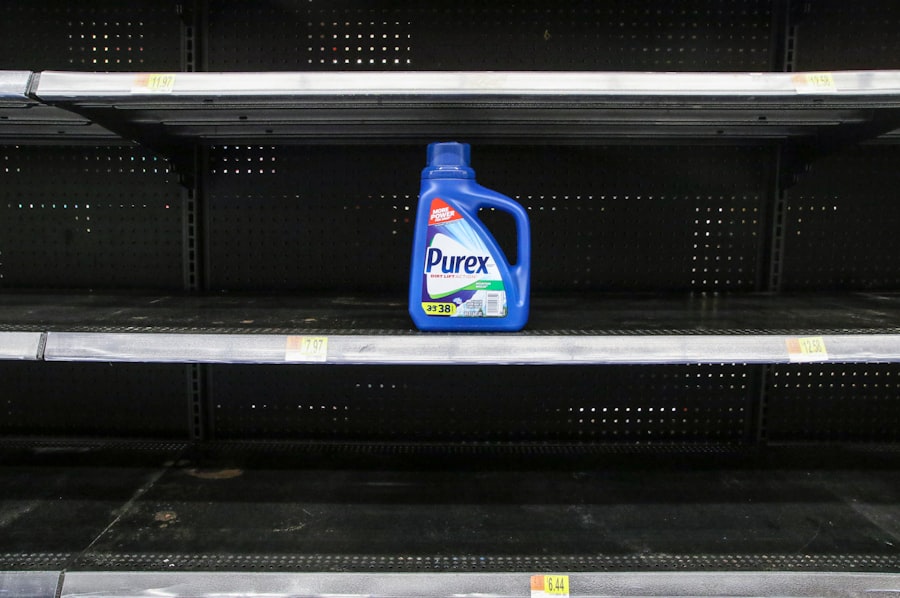
1. Why do grocery shelves empty during emergencies?
During emergencies, such as natural disasters or pandemics, there is often a surge in demand for essential items as people stock up on supplies. This increased demand can lead to shortages and empty shelves at grocery stores.
2. What are the common reasons for grocery shelves to empty during emergencies?
Common reasons for grocery shelves to empty during emergencies include panic buying, disruptions in the supply chain, transportation challenges, and limited stockpiles of certain items.
3. How does panic buying contribute to empty grocery shelves during emergencies?
Panic buying occurs when consumers purchase large quantities of goods out of fear of shortages or future unavailability. This behavior can quickly deplete store inventories and lead to empty shelves.
4. What role does the supply chain play in causing empty grocery shelves during emergencies?
Disruptions in the supply chain, such as the inability to restock goods due to transportation challenges or production delays, can result in empty grocery shelves during emergencies.
5. What can be done to mitigate empty grocery shelves during emergencies?
To mitigate empty grocery shelves during emergencies, it is important for consumers to avoid panic buying and only purchase what they need. Additionally, maintaining a resilient and flexible supply chain, increasing stockpiles of essential items, and implementing effective distribution strategies can help prevent or minimize shortages.