The flickering candlelight cast long shadows across the unearthed pottery shards. Dust, disturbed after millennia of stillness, swirled in the thin beams of light, revealing intricate patterns etched into the ancient clay. This was not a scene from a historical novel, but the very heart of “Unearthing Ancient Secrets: Archaeological Discoveries,” a documentary that promised to transport viewers to the frontiers of human history. The film, a breathtaking journey across continents and through the annals of time, sought to illuminate the lives, beliefs, and ingenuity of civilizations long since turned to dust. It wasn’t merely about finding old things; it was about piecing together the grand narrative of human existence, revealing how our ancestors navigated their world and, in doing so, fundamentally shaped our own.
The Call to Adventure: Setting the Stage
“Unearthing Ancient Secrets” opened not with a dusty dig site, but with a restless spirit. The documentary masterfully established the inherent human drive to explore, to question, and to understand our origins. It highlighted the insatiable curiosity that propels archaeologists, often driven by personal fascination and a dedication to uncovering the hidden chapters of our past. The film emphasized that archaeology is far from a static pursuit; it is a dynamic field, constantly evolving with new technologies and theoretical frameworks, pushing the boundaries of what was once thought knowable. The narrative wove together the personal journeys of several prominent archaeologists, their youthful dreams and lifelong dedications serving as a compelling introduction to the passionate individuals behind the shovels and brushes. These were not just academics; they were storytellers, detectives, and visionaries, each on a quest to decipher the silent whispers of the past.
The Spark of Discovery: Early Encounters with the Past
The documentary delved into the historical roots of archaeology itself, tracing its evolution from treasure hunting to a rigorous scientific discipline. It showcased early pioneers who, through sheer determination and keen observation, began to systematically excavate sites that had previously been overlooked or plundered. These early investigations, though sometimes lacking in modern precision, laid the foundational understanding for future generations of scholars. The film provided vivid accounts of the initial excitement and wonder that accompanied these first glimpses into lost worlds, a testament to the enduring allure of the unknown. It wasn’t just about the grand monuments; it was about the everyday objects that offered intimate portraits of the people who created them – the tools they used, the food they ate, the adornments they cherished.
The Modern Explorer: Tools and Techniques of Discovery
The documentary then transitioned to the sophisticated tools and methodologies employed by contemporary archaeologists. Viewers were treated to stunning aerial footage showcasing the use of drone technology for site mapping and aerial surveying, revealing the subtle undulations of buried structures invisible to the naked eye. Ground-penetrating radar and magnetometry were explained with clear, accessible visualizations, demonstrating how these non-invasive techniques can detect anomalies beneath the surface, guiding excavation efforts with unprecedented accuracy. The film highlighted the pivotal role of geographical information systems (GIS) in managing and analyzing vast amounts of spatial data, allowing for a comprehensive understanding of ancient landscapes and settlement patterns. Furthermore, the integration of advanced imaging techniques, such as LiDAR (Light Detection and Ranging), was presented as a revolutionary tool, capable of stripping away dense foliage to reveal hidden ruins and ancient pathways.
In the realm of archaeological discoveries, the documentary “Unearthing the Past” delves into the remarkable findings that have reshaped our understanding of ancient civilizations. A related article that further explores the impact of historical sites on modern development is available at Mexico: The Rising Manufacturing Hub. This piece highlights how the rich cultural heritage of Mexico influences its current economic landscape, bridging the gap between past and present.
Echoes from the Cradle: Mesopotamia and the Dawn of Civilization
A significant portion of “Unearthing Ancient Secrets” was dedicated to the fertile crescent of Mesopotamia, often hailed as the “cradle of civilization.” Here, the documentary chronicled the painstaking work of excavating ancient Sumerian, Akkadian, and Babylonian cities, revealing the foundations of many aspects of modern society. The sheer scale of these ancient metropolises, with their complex irrigation systems, monumental ziggurats, and sophisticated urban planning, left viewers in awe. The discovery of cuneiform tablets, the earliest known form of writing, was presented as a profound moment, unlocking direct access to the thoughts, laws, and literature of these ancient peoples. The film meticulously documented the process of deciphering these clay documents, showcasing the intellectual triumphs that allowed us to understand their myths, their epic poems, and their early scientific observations.
The Birth of Writing: Decoding the Cuneiform Legacy
The journey into Sumerian civilization focused heavily on the revolutionary impact of cuneiform writing. The documentary explained the evolution of wedge-shaped marks pressed into wet clay, a system that allowed for the recording of everything from agricultural transactions to royal decrees. Viewers witnessed the delicate handling of these fragile artifacts and the meticulous efforts of epigraphers to translate them. The film highlighted key discoveries, such as the Epic of Gilgamesh, which provided an early glimpse into universal themes of mortality, friendship, and the human condition. The significance of legal codes, such as the Code of Hammurabi, was also emphasized, demonstrating the early development of organized justice systems and societal structures that continue to resonate today.
Urban Giants: Unveiling the Cities of the Ancient World
The documentary showcased the remarkable urban planning and architectural achievements of Mesopotamian cities. Viewers were presented with reconstructions and CGI visualizations of bustling city centers, complete with elaborate palaces, vibrant marketplaces, and defensive walls. The remains of ziggurats, massive stepped pyramids, were explored, hinting at the complex religious beliefs and cosmological understandings of these ancient cultures. The film also shed light on the daily lives of ordinary citizens, through the excavation of residential areas and the discovery of tools, pottery, and personal belongings, offering an intimate connection to the people who inhabited these ancient urban landscapes. The ingenuity behind their vast irrigation systems, which transformed arid lands into productive agricultural regions, was also a central theme, highlighting their mastery of engineering and resource management.
Pyramids and Pharaohs: Unlocking the Secrets of Ancient Egypt
The allure of ancient Egypt, with its enigmatic pyramids, colossal statues, and intricate hieroglyphs, formed another captivating segment of the documentary. “Unearthing Ancient Secrets” guided viewers through the sands of time, exploring the grandeur of kingdoms that spanned millennia. The film emphasized the meticulous craftsmanship and engineering prowess that went into constructing the pyramids, challenging long-held assumptions about their creation and purpose. The deciphering of hieroglyphs, a monumental intellectual achievement, was presented as the key that unlocked the rich tapestry of Egyptian society, revealing their complex religious pantheon, their sophisticated understanding of astronomy, and their detailed accounts of pharaonic rule.
The Mysteries of the Great Pyramids: Engineering Marvels
The documentary dedicated significant attention to the Great Pyramids of Giza, exploring the architectural ingenuity and logistical feats required for their construction. Through expert interviews and detailed CGI reconstructions, viewers were given an unprecedented look at the theories surrounding quarrying, transportation of massive stone blocks, and the precise alignment of these imposing structures. The film presented evidence that challenged simpler explanations, suggesting advanced knowledge of mathematics and engineering. The exploration of internal chambers and passageways, often accessed through dangerous and painstaking work, offered a glimpse into the tomb’s original design and the rituals associated with the burial of pharaohs. The scale of these monuments served as a powerful testament to the organizational capacity and collective effort of ancient Egyptian society.
Hieroglyphs and the Divine Narrative: Deciphering Sacred Texts
The power of hieroglyphs as a means of communication and a window into the Egyptian worldview was a central focus. The documentary detailed the painstaking process of deciphering this complex writing system, emphasizing the pivotal role of the Rosetta Stone. Viewers were shown how scholars pieced together the meanings of symbols, revealing the intricacies of Egyptian mythology, religious rituals, and historical accounts. The film explored the significance of papyrus scrolls, revealing administrative records, medical texts, and literary works that offered profound insights into their beliefs about the afterlife, their understanding of the cosmos, and their daily lives. The sheer volume and richness of the inscribed material provided a compelling argument for the enduring legacy of Egyptian thought and culture.
Beneath the Surface: Unearthing Lost Cities and Empires
Beyond the monumental, “Unearthing Ancient Secrets” ventured into the realm of lost cities and forgotten empires, revealing the rise and fall of civilizations that left only scattered remnants. The documentary explored the sunken city of Atlantis (as a modern myth and its archaeological interpretations), the vibrant metropolises of the Maya, and the sophisticated societies of the Indus Valley. These discoveries, often made in remote and challenging environments, demonstrated the resilience of human history and the ongoing quest for knowledge in unexpected places. The film highlighted the evidence of complex social structures, advanced technologies, and intricate trade networks that characterized these often-overlooked civilizations.
The Enigmatic Maya: Cities in the Jungle
The documentary showcased the breathtaking discoveries made within the dense jungles of Mesoamerica, revealing the grandeur of Maya civilization. Viewers were transported to the magnificent city-states of Tikal, Palenque, and Chichen Itza, marveling at their towering pyramids, intricate carvings, and sophisticated astronomical observatories. The film explored the Maya’s advanced understanding of mathematics, including the concept of zero, and their complex calendar systems. The deciphering of Maya glyphs, a monumental feat of scholarship, allowed us to read their histories, their astronomical observations, and their intricate religious beliefs, revealing a civilization that possessed a profound understanding of the cosmos and its cycles. The documentary also touched upon the mysteries surrounding their decline, offering a nuanced perspective on the factors that may have contributed to the abandonment of these once-thriving urban centers.
The Indus Valley Civilization: A Bronze Age Enigma
The documentary turned its attention to the Indus Valley Civilization, a sophisticated Bronze Age society that flourished in what is now Pakistan and northwestern India. Viewers were presented with images of meticulously planned cities like Mohenjo-Daro and Harappa, characterized by their advanced urban planning, standardized brick sizes, and sophisticated sanitation systems. The film highlighted the challenges of deciphering their undeciphered script, a tantalizing mystery that continues to intrigue scholars. The discovery of seals bearing intricate iconography and a unique script hinted at a complex social and economic system, as well as a rich cultural landscape, even though its full meaning remains elusive. The documentary emphasized the importance of ongoing research in unraveling the secrets of this enigmatic civilization, underscoring that the story of human history is far from fully told.
In recent years, archaeological discoveries have shed light on ancient civilizations and their interactions with the environment, revealing fascinating insights into human history. One such exploration can be found in an article that discusses the challenges and opportunities in navigating the South China Sea, which has been a significant area for trade and cultural exchange throughout history. To learn more about the complexities of this region and its historical significance, you can read the article here.
The Human Tapestry: Connecting Past and Present
“Unearthing Ancient Secrets” concluded by emphasizing the profound relevance of archaeological discoveries to our understanding of ourselves. The film artfully wove together the threads of ancient civilizations, demonstrating how their innovations, their struggles, and their triumphs continue to resonate in our modern world. The documentary posited that by understanding our past, we gain a deeper appreciation for the resilience of the human spirit, the diversity of human cultures, and the shared aspirations that bind us across time and space. It was a powerful reminder that we are all part of an unbroken chain of human experience, and that the secrets unearthed by archaeologists are not just relics of the past, but vital keys to unlocking the mysteries of our present and shaping our collective future.
Lessons from the Ancients: Wisdom for Today
The documentary’s concluding segment focused on the enduring lessons that can be gleaned from the study of ancient civilizations. It explored how their successes and failures offer valuable insights into contemporary challenges, from environmental sustainability to social justice and the pursuit of knowledge. The film highlighted how ancient societies grappled with issues of resource management, political stability, and the development of complex social hierarchies, offering cautionary tales and inspiring examples for our own time. The enduring human need for meaning, connection, and understanding was presented as a consistent thread running through all discovered cultures, reminding viewers of our shared humanity.
The Future of Discovery: Continuing theQuest
“Unearthing Ancient Secrets” ended with a forward-looking perspective, underscoring that the field of archaeology is constantly evolving. The documentary hinted at the vast territories yet to be explored and the countless stories that remain buried beneath the earth, waiting to be revealed. It celebrated the ongoing dedication of archaeologists worldwide, their commitment to expanding our knowledge of the human story, and their ability to inspire future generations to embark on their own journeys of discovery. The film left viewers with a sense of wonder and excitement, a profound appreciation for the hidden wonders of our planet, and a renewed sense of curiosity about the untold chapters of our shared human narrative, ever onward in the relentless pursuit of knowledge.

The Lost City That Was Never Really Lost
FAQs
What is the purpose of archaeological discoveries documentaries?
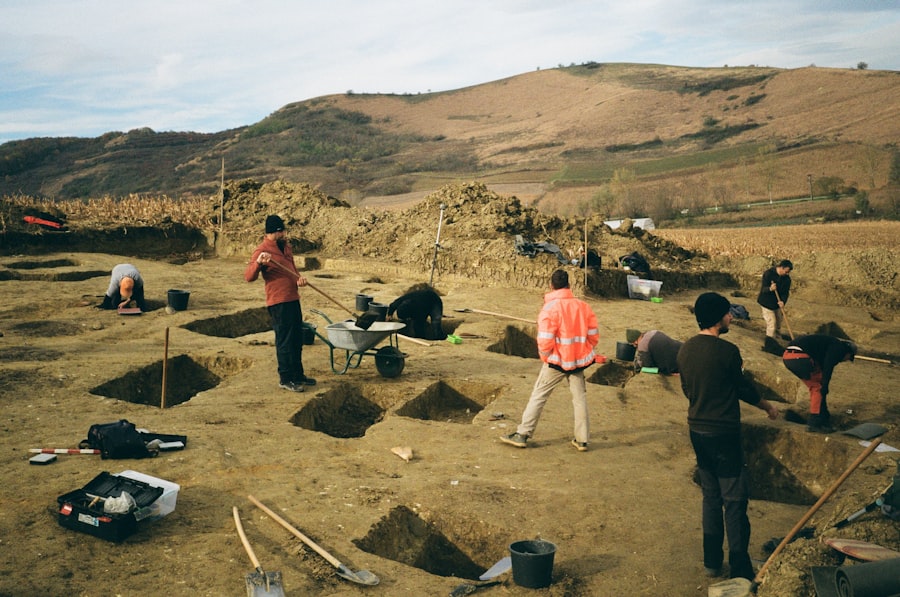
Archaeological discoveries documentaries aim to educate and inform viewers about the latest findings and research in the field of archaeology. They often showcase excavations, artifacts, and historical sites, providing a deeper understanding of ancient civilizations and their cultures.
How are archaeological discoveries documentaries created?
Archaeological discoveries documentaries are typically created by a team of filmmakers, archaeologists, and historians. They involve extensive research, on-site filming of excavations and discoveries, interviews with experts, and the use of advanced technology to capture and present the findings in an engaging and informative manner.
What are some common themes in archaeological discoveries documentaries?
Common themes in archaeological discoveries documentaries include ancient civilizations, lost cities, mysterious artifacts, historical mysteries, and the impact of archaeological findings on our understanding of human history. These documentaries often explore the connections between the past and the present, shedding light on the cultural, social, and technological advancements of ancient societies.
Where can one watch archaeological discoveries documentaries?
Archaeological discoveries documentaries can be found on various streaming platforms, such as Netflix, Amazon Prime, and Hulu, as well as on dedicated documentary channels. They may also be available for purchase or rental on DVD or Blu-ray, and some may be accessible through educational institutions or online archives.
What are the benefits of watching archaeological discoveries documentaries?
Watching archaeological discoveries documentaries can provide viewers with a deeper appreciation for history, archaeology, and the complexities of ancient civilizations. They offer a visually captivating and intellectually stimulating experience, allowing audiences to gain insights into the past and the methods used by archaeologists to uncover and interpret historical evidence.