
Mexico’s manufacturing industry has undergone a remarkable transformation over the decades, evolving from a primarily agrarian economy to a robust manufacturing powerhouse. In the mid-20th century, the country began to industrialize, driven by government policies aimed at promoting domestic production and reducing reliance on imports. This shift was marked by the establishment of state-owned enterprises and the implementation of import substitution industrialization (ISI) strategies.
As a result, Mexico saw a surge in manufacturing activities, particularly in textiles, food processing, and consumer goods. By the late 20th century, however, the landscape began to change dramatically with the advent of globalization. The North American Free Trade Agreement (NAFTA), enacted in 1994, played a pivotal role in reshaping Mexico’s manufacturing sector.
It opened up trade between Mexico, the United States, and Canada, leading to an influx of foreign investment and the establishment of numerous maquiladoras—factories that assemble products for export. This period marked a significant shift towards more advanced manufacturing processes, including electronics and automotive production, positioning Mexico as a key player in global supply chains.
Key Takeaways
- Mexico’s manufacturing industry has evolved significantly, from traditional industries to high-tech sectors such as aerospace and automotive.
- Mexico’s strategic location provides easy access to major markets in North America, making it an attractive destination for manufacturing companies.
- Foreign investment in Mexico’s manufacturing sector has been steadily growing, with many multinational companies establishing production facilities in the country.
- Free trade agreements, such as NAFTA and USMCA, have played a crucial role in Mexico’s manufacturing success by providing access to key markets and reducing trade barriers.
- Mexico offers a skilled and cost-effective labor force, making it an ideal location for North American companies looking to optimize production costs.
Mexico’s Strategic Location for Manufacturing
Mexico’s geographical position is one of its most significant advantages in the manufacturing sector. Bordered by the United States to the north and with access to both the Pacific Ocean and the Gulf of Mexico, Mexico serves as a strategic gateway for trade between North America and other global markets. This prime location allows manufacturers to efficiently transport goods to major markets, reducing shipping times and costs.
The proximity to the U.S. market is particularly beneficial for companies looking to minimize lead times and respond quickly to consumer demands. Moreover, Mexico’s extensive network of highways, railroads, and ports enhances its logistical capabilities.
This infrastructure not only supports the movement of raw materials into manufacturing facilities but also enables finished products to reach consumers swiftly. As a result, many companies are increasingly recognizing Mexico as an ideal location for establishing manufacturing operations that cater to both domestic and international markets.
The Growth of Foreign Investment in Mexico’s Manufacturing Sector
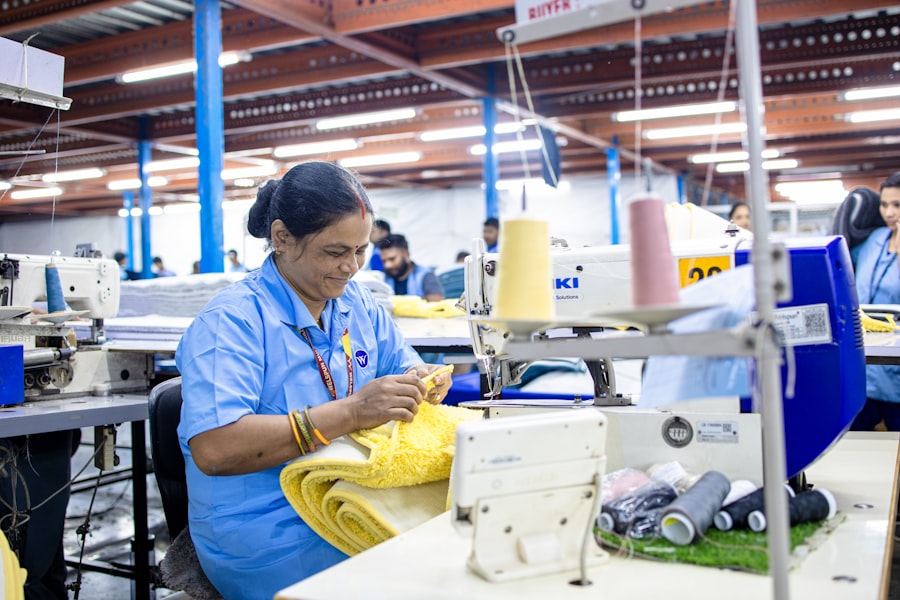
In recent years, Mexico has experienced a significant surge in foreign direct investment (FDI) within its manufacturing sector. This growth can be attributed to several factors, including favorable government policies, competitive labor costs, and the country’s strategic location. Foreign companies have been drawn to Mexico’s manufacturing landscape, particularly in industries such as automotive, electronics, and aerospace.
The influx of investment has not only bolstered the economy but has also created thousands of jobs for Mexican workers. The Mexican government has actively encouraged foreign investment by offering incentives such as tax breaks and streamlined regulatory processes. These measures have made it easier for international companies to establish operations in Mexico, fostering a business-friendly environment.
As a result, many multinational corporations have set up manufacturing facilities in the country, taking advantage of its skilled labor force and cost-effective production capabilities. This trend is expected to continue as more companies recognize the benefits of investing in Mexico’s manufacturing sector.
The Role of Free Trade Agreements in Mexico’s Manufacturing Success
| Free Trade Agreement | Partners | Impact on Manufacturing |
|---|---|---|
| NAFTA | USA, Canada | Increased exports, foreign investment, and job creation in manufacturing sector |
| EU-Mexico FTA | European Union | Expanded market access for Mexican manufactured goods |
| TPP | Various Pacific Rim countries | Potential to further boost Mexican manufacturing exports |
Free trade agreements have played a crucial role in propelling Mexico’s manufacturing success on the global stage. NAFTA was a landmark agreement that significantly reduced trade barriers between Mexico, the United States, and Canada. It facilitated the flow of goods across borders and encouraged companies to establish manufacturing operations in Mexico to take advantage of lower production costs while still accessing the lucrative U.S.
market. The agreement laid the groundwork for Mexico’s integration into North American supply chains. In addition to NAFTA, Mexico has entered into numerous other free trade agreements with countries around the world.
These agreements have expanded market access for Mexican manufacturers and provided opportunities for collaboration with international partners. The recent United States-Mexico-Canada Agreement (USMCA), which replaced NAFTA, further solidifies Mexico’s position as a key player in North American manufacturing by promoting fair trade practices and enhancing labor standards. As these agreements continue to evolve, they will likely further enhance Mexico’s competitiveness in the global manufacturing arena.
Mexico’s Skilled and Cost-Effective Labor Force
One of Mexico’s most significant assets in its manufacturing sector is its skilled and cost-effective labor force. The country boasts a large pool of workers who are not only willing to work for competitive wages but also possess valuable skills that are essential for modern manufacturing processes. Many Mexican workers have received training in technical fields such as engineering, electronics, and automotive technology, making them well-suited for roles in advanced manufacturing environments.
The combination of affordability and skill has made Mexico an attractive destination for companies looking to optimize their production costs while maintaining high-quality standards. Unlike some other countries where labor costs have skyrocketed, Mexico offers a balanced approach that allows manufacturers to benefit from lower wages without compromising on expertise. This unique advantage has led many companies to establish or expand their operations in Mexico, further solidifying its reputation as a global manufacturing hub.
The Advantages of Manufacturing in Mexico for North American Companies
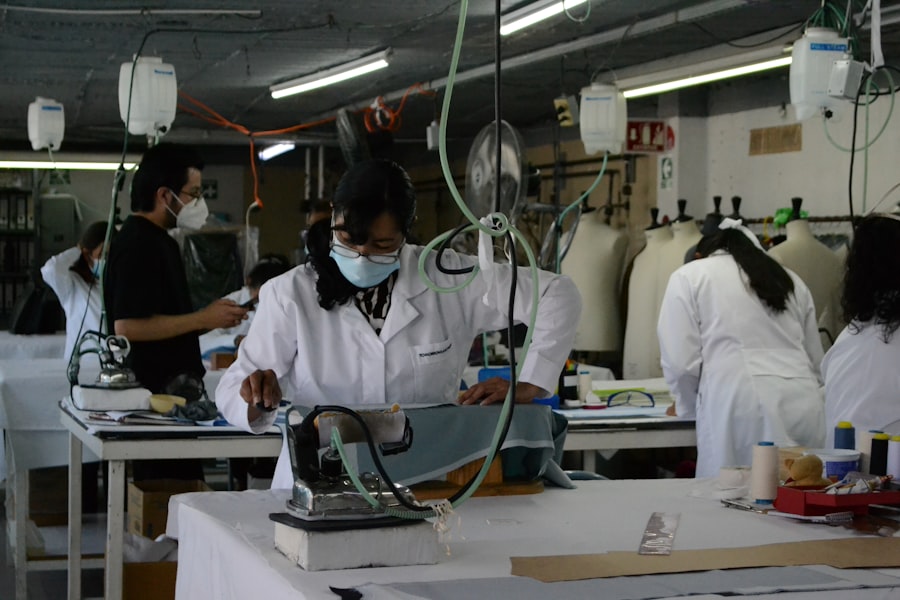
For North American companies, manufacturing in Mexico presents numerous advantages that can significantly enhance their competitiveness in the market. One of the most compelling reasons is the reduction in transportation costs and lead times associated with sourcing products from overseas. By establishing manufacturing facilities just across the border, companies can streamline their supply chains and respond more quickly to changing consumer demands.
Additionally, manufacturers benefit from Mexico’s favorable regulatory environment and trade agreements that facilitate cross-border commerce. The ability to produce goods closer to their primary market allows companies to maintain better control over quality and inventory management. Furthermore, with a growing emphasis on sustainability and responsible sourcing practices, many North American firms are increasingly prioritizing local production to reduce their carbon footprint and support regional economies.
Mexico’s Infrastructure and Logistics for Manufacturing
Mexico’s infrastructure plays a vital role in supporting its manufacturing sector. The country has invested heavily in developing its transportation networks, including highways, railroads, and airports, which are essential for efficient logistics operations. Major industrial hubs such as Monterrey, Guadalajara, and Tijuana are strategically located near key transportation routes, making it easier for manufacturers to move raw materials and finished products.
In addition to transportation infrastructure, Mexico has also made strides in enhancing its telecommunications capabilities. Reliable internet connectivity is crucial for modern manufacturing operations that rely on data exchange and real-time communication between facilities and suppliers. As technology continues to advance, Mexico’s commitment to improving its infrastructure will be instrumental in attracting further investment and ensuring that its manufacturing sector remains competitive on a global scale.
The Impact of Technology and Innovation on Mexico’s Manufacturing Sector
The integration of technology and innovation into Mexico’s manufacturing sector has been transformative. As industries evolve towards automation and smart manufacturing practices, Mexican manufacturers are increasingly adopting advanced technologies such as robotics, artificial intelligence (AI), and the Internet of Things (IoT). These innovations not only enhance productivity but also improve quality control and reduce operational costs.
Moreover, Mexican universities and research institutions are collaborating with industry leaders to foster innovation through research and development initiatives. This synergy between academia and industry is crucial for driving technological advancements that can further elevate Mexico’s manufacturing capabilities. As companies embrace digital transformation and invest in cutting-edge technologies, they position themselves to compete effectively in an ever-changing global marketplace.
Mexico’s Sustainable and Responsible Manufacturing Practices
Sustainability has become a central focus for manufacturers worldwide, and Mexico is no exception. Many companies operating within the country are adopting sustainable practices that minimize environmental impact while promoting social responsibility. This includes implementing energy-efficient processes, reducing waste through recycling initiatives, and sourcing materials responsibly.
The Mexican government has also taken steps to promote sustainability within the manufacturing sector by establishing regulations that encourage environmentally friendly practices. As consumers increasingly demand transparency regarding the environmental impact of products, manufacturers that prioritize sustainability are likely to gain a competitive edge in the market. By aligning their operations with responsible practices, Mexican manufacturers can contribute positively to both local communities and global sustainability efforts.
The Challenges and Opportunities for Mexico’s Manufacturing Industry
While Mexico’s manufacturing industry presents numerous opportunities for growth and development, it is not without its challenges. Issues such as security concerns related to crime and violence can pose risks for businesses operating in certain regions of the country.
However, these challenges also present opportunities for innovation and adaptation. Companies that proactively address security concerns through robust risk management strategies can build resilience within their operations. Furthermore, as global supply chains continue to evolve due to geopolitical shifts and economic changes, Mexican manufacturers have the chance to position themselves as reliable partners for companies seeking stability in their sourcing strategies.
The Future Outlook for Mexico as a Global Manufacturing Hub
Looking ahead, the future outlook for Mexico as a global manufacturing hub appears promising. With its strategic location, skilled labor force, favorable trade agreements, and commitment to innovation, Mexico is well-positioned to continue attracting foreign investment and expanding its manufacturing capabilities. As companies increasingly seek nearshoring options to mitigate risks associated with distant supply chains, Mexico stands out as an attractive alternative.
Moreover, ongoing investments in infrastructure development will further enhance the country’s logistical capabilities, making it even more appealing for manufacturers looking to optimize their operations. As technology continues to reshape industries worldwide, Mexican manufacturers that embrace innovation will likely thrive in this dynamic landscape. With a focus on sustainability and responsible practices, Mexico can solidify its reputation as a leader in global manufacturing while contributing positively to economic growth both locally and internationally.
Mexico’s emergence as a manufacturing hub is a multifaceted development driven by various economic and geopolitical factors. One related article that delves into the intricacies of this transformation can be found on Real Lore and Order. This article explores the strategic advantages that Mexico offers, such as its proximity to the United States, competitive labor costs, and a growing network of free trade agreements. These elements collectively enhance Mexico’s appeal as a manufacturing destination. For more insights, you can read the full article by visiting this link.
FIND OUT! Why America’s 🇺🇸 Factories Are Moving to Mexico
FAQs
What factors are contributing to Mexico becoming a manufacturing hub?
Mexico’s proximity to the United States, its trade agreements with multiple countries, a skilled labor force, and competitive labor costs are all contributing to its emergence as a manufacturing hub.
How does Mexico’s proximity to the United States impact its manufacturing industry?
Mexico’s close proximity to the United States allows for easier transportation of goods, reducing lead times and transportation costs for manufacturers. This proximity also facilitates collaboration and communication between companies in both countries.
What trade agreements does Mexico have that support its manufacturing industry?
Mexico is a member of the United States-Mexico-Canada Agreement (USMCA), which provides favorable trade conditions with its North American neighbors. Additionally, Mexico has free trade agreements with over 50 countries, giving its manufacturers access to a wide range of international markets.
How does Mexico’s skilled labor force contribute to its manufacturing industry?
Mexico has a large and growing pool of skilled workers, particularly in the fields of engineering, technology, and manufacturing. This skilled labor force allows Mexico to produce high-quality goods and provide specialized services to international companies.
What role do competitive labor costs play in Mexico’s manufacturing industry?
Mexico offers competitive labor costs compared to other manufacturing hubs, making it an attractive location for companies looking to reduce production expenses. This cost advantage allows Mexico to offer competitive pricing for its manufactured goods.