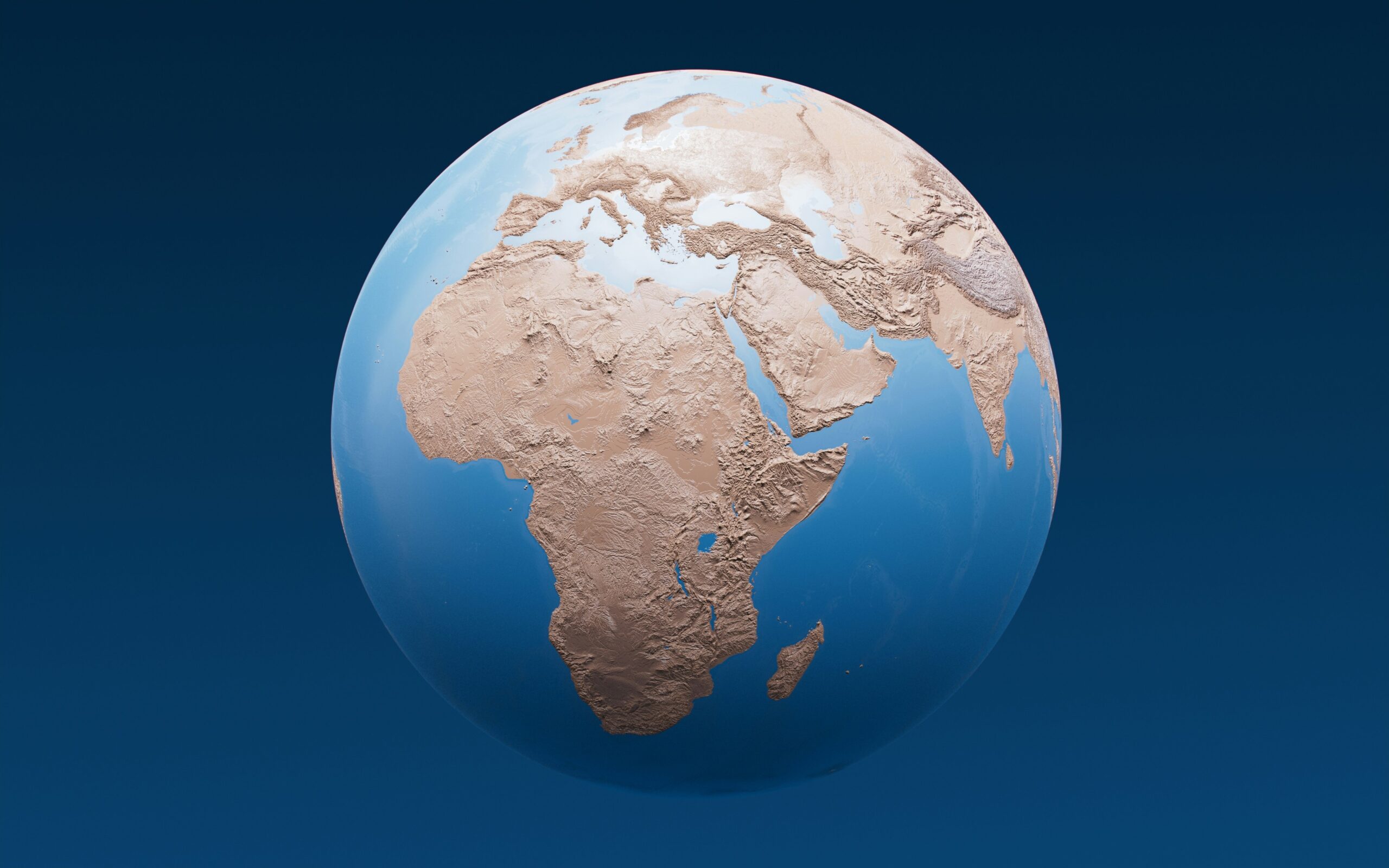
The Earth, a planet of dynamic change, has experienced periods of profound transformation throughout its history. Among its most dramatic chapters are the Ice Ages, epochs defined by the vast expansion of ice sheets and glaciers, sculpting a landscape drastically different from the one familiar to us today. To understand the Earth’s frozen past is to peer into a world sculpted by ice, a world of immense power and stark beauty. This article will delve into the characteristics of this bygone era, exploring the forces that drove it, the environments it created, and the enduring legacies it left behind.
The term “Ice Age” is often used colloquially to refer to any period of glaciation, but scientifically, it signifies a much longer, cyclical process. Earth’s climatic history is punctuated by a series of distinct Ice Ages, separated by warmer interglacial periods. These ice ages are not singular events but rather prolonged epochs characterized by recurring glacial and interglacial cycles within them.
What Constitutes an Ice Age?
An Ice Age is broadly defined as a period of time lasting millions of years during which continental ice sheets and alpine glaciers exist. The most recent officially recognized Ice Age is the Quaternary Glaciation, which began approximately 2.6 million years ago and continues today, although we are currently in an interglacial phase of this epoch.
The Pleistocene Epoch: The Familiar Ice Age
The Pleistocene Epoch, spanning from roughly 2.6 million to 11,700 years ago, is the period most commonly associated with the term “Ice Age.” It was characterized by several glacial cycles, where massive ice sheets advanced and retreated across the continents. These cycles were driven by a complex interplay of astronomical and geological factors.
Glacial vs. Interglacial Periods
Within the Quaternary Glaciation, the Pleistocene was marked by alternating glacial and interglacial periods. During glacial periods (also known as glacials or glaciations), ice sheets expanded significantly, covering large swathes of North America, Europe, and Asia. During interglacial periods, the ice retreated, leading to warmer temperatures and rising sea levels, creating environments more akin to our present day.
Beyond the Pleistocene: Older Glaciations
While the Pleistocene is the most recent and well-studied Ice Age, Earth’s history is littered with preceding glacial episodes. These older ice ages, often referred to as Snowball Earth events or specific glaciations like the Karoo Ice Age or the Andean-Saharan glaciation, represent periods when ice coverage was even more extensive, potentially engulfing the entire planet.
Evidence of Ancient Ice Ages
Geological evidence, such as glacial striations on rocks, moraines, and till deposits, provides irrefutable proof of past glaciations. For older ice ages, the evidence might be more subtle, including distinctive rock formations and isotopic signatures in ancient sediments that indicate the presence of extensive ice caps.
The Driving Forces: Causes of Ice Ages
The initiation and termination of Ice Ages are not solely attributable to a single factor. Instead, they are the result of a complex interplay of astronomical, geological, and atmospheric processes that alter the Earth’s energy balance.
Milankovitch Cycles: The Astronomical Influence
One of the most significant drivers of glacial-interglacial cycles within an Ice Age are the Milankovitch cycles. These are long-term variations in the Earth’s orbit around the Sun, which affect the amount and distribution of solar radiation received by the planet.
Eccentricity of Earth’s Orbit
The shape of Earth’s orbit around the Sun varies over periods of roughly 100,000 and 400,000 years, transitioning from nearly circular to more elliptical. This change in eccentricity influences the total amount of solar energy reaching Earth, though the effect is relatively minor.
Axial Tilt (Obliquity)
Earth’s axial tilt, currently around 23.5 degrees, also oscillates over a period of about 41,000 years. A greater tilt results in more extreme seasonal variations, potentially leading to warmer summers and colder winters, which can either promote or inhibit ice accumulation.
Precession of the Equinoxes
The wobble of Earth’s axis of rotation, known as precession, affects the timing of the seasons relative to Earth’s orbital position. This can lead to differences in the intensity of seasons between the Northern and Southern Hemispheres over cycles of roughly 23,000 years.
Plate Tectonics and Continental Drift
The arrangement of continents plays a crucial role in influencing global climate and the formation of ice sheets.
Polar Ice Sheet Formation
The presence of large landmasses at high latitudes, particularly in the Arctic and Antarctic, provides the necessary conditions for the formation and sustained growth of massive ice sheets. Continental drift can move these landmasses into or out of polar regions over geological timescales.
Ocean Current Regulation
The distribution of continents also influences ocean currents, which are major transporters of heat around the globe. Changes in continental configuration can alter these currents, leading to significant shifts in regional and global temperatures.
Atmospheric Composition and Greenhouse Gases
The concentration of greenhouse gases in the atmosphere, such as carbon dioxide and methane, is a critical factor in regulating Earth’s temperature.
Carbon Dioxide Levels
Lower levels of atmospheric carbon dioxide are strongly correlated with periods of glaciation. This is because CO2 is a potent greenhouse gas that traps heat, and a decrease in its concentration can lead to a global cooling effect, favoring ice accumulation.
Volcanic Activity
Volcanic eruptions can release significant amounts of greenhouse gases and aerosols into the atmosphere. While large eruptions can cause short-term cooling due to ash and sulfur dioxide blocking sunlight, sustained volcanic activity over millions of years can contribute to warming trends or influence atmospheric composition in ways that impact glaciation.
During the Ice Age, Earth was a dramatically different place, characterized by vast ice sheets covering large portions of the northern continents, lower sea levels, and a climate that supported unique flora and fauna adapted to the cold. To gain a deeper understanding of how climate changes can influence geography and human activity, you might find it interesting to read about Mexico’s transformation into a rising manufacturing hub in the context of global shifts. For more insights, check out this article: Mexico: The Rising Manufacturing Hub.
The Ice-Sculpted Landscape: Features of the Frozen Past
The immense weight and persistent movement of glaciers and ice sheets fundamentally reshaped the Earth’s surface during the Ice Ages. They were powerful sculptors, carving out landscapes that bear the unmistakable marks of their passage.
Glacial Erosional Landforms
The sheer erosive power of ice is evident in a myriad of landforms created by its slow, grinding movement.
Cirques and Arêtes
Cirques are large, amphitheater-like depressions carved into mountainsides by the action of glaciers. As ice accumulated and flowed downhill, it scoured away rock, creating these bowl-shaped features. Where two cirques erode back-to-back, they form sharp, knife-edge ridges called arêtes.
U-Shaped Valleys
Unlike river valleys, which are typically V-shaped, glacial valleys are distinctively U-shaped. The broad, flat floor and steep, polished sides are a testament to the immense erosive power of ice widening and deepening existing river valleys.
Fjords
When glaciers carve valleys that extend below sea level, and the ice subsequently retreats, these submerged valleys are flooded by the ocean, forming deep, narrow inlets known as fjords. The characteristic steep cliffs and narrow entrances are hallmarks of their glacial origin.
Roche Moutonnée
These are distinctive rock formations that have been eroded by a glacier. They are typically asymmetrical, with a smooth, gently sloping abraded side facing the direction of ice flow and a steep, jagged, or plucked side facing away from the direction of ice flow.
Glacial Depositional Landforms
As glaciers melt and retreat, they deposit the vast quantities of rock and sediment they have carried, creating a unique set of depositional landforms.
Moraines
Moraines are ridges or mounds of till, which is unsorted glacial debris. They form at the edges or beneath glaciers. Different types of moraines include:
Terminal Moraines
Formed at the farthest extent of a glacier’s advance, marking the boundary of glacial ice.
Lateral Moraines
Formed along the sides of a glacier, consisting of debris that has accumulated from rockfalls and erosion of the valley walls.
Medial Moraines
Formed when two glaciers merge, creating a large ridge of debris in the middle of the combined ice flow.
Drumlins
These are elongated, streamlined hills composed of glacial till, typically found in groups or “drumlin fields.” They are oriented parallel to the direction of ice flow, with their smoother, rounded end pointing in the direction the ice advanced.
Eskers
Eskers are long, winding ridges of stratified sand and gravel that form within or beneath glacial ice by meltwater streams. As the ice melts, these deposits are left behind as meandering ridges on the landscape.
Kettle Lakes
As glaciers retreat, large blocks of ice can become buried in the outwash plain. When these ice blocks eventually melt, they leave behind depressions that fill with water, forming kettle lakes. These are often irregular in shape and can vary greatly in size.
Life in the Frozen Epoch: Flora and Fauna of the Ice Age

The extreme conditions of the Ice Age presented significant challenges for life on Earth, but ecosystems adapted and thrived, giving rise to unique flora and fauna.
Megafauna of the Ice Age
The most iconic inhabitants of the Ice Age were the immense mammals that roamed its landscapes, often referred to as megafauna.
Woolly Mammoths and Mastodons
These elephant-like creatures, covered in thick fur, were perfectly adapted to the cold. Woolly mammoths, in particular, are a symbol of the Ice Age. Their tusks, used for defense and foraging, have been found preserved in permafrost, offering invaluable insights into their lives.
Saber-Toothed Cats
Predators like the Smilodon, with their enormously long canine teeth, were formidable hunters of the Ice Age. Their adaptations suggest they preyed on large herbivores, including early horses and sloths.
Giant Ground Sloths
These massive herbivores, some reaching the size of elephants, were widespread across the Americas. Their powerful claws likely aided in gathering vegetation, and their sheer size offered protection from predators.
Woolly Rhinos
Similar to mammoths, these large herbivores possessed thick fur and were well-suited to the cold steppe environments. Their presence indicates a diet of grasses and sedges.
Adaptation to the Cold
Life during the Ice Age demanded specific adaptations to survive frigid temperatures and fluctuating resource availability.
Thick Fur and Fat Layers
Many Ice Age animals evolved dense fur coats and thick layers of subcutaneous fat to insulate them from the extreme cold. This provided crucial thermal regulation.
Seasonal Migration and Hibernation
While not universal, some species likely engaged in seasonal migrations to find more favorable conditions or food sources. Others may have sought shelter or entered periods of reduced activity, akin to hibernation, to conserve energy during the harshest months.
Specialized Diets
The available vegetation differed significantly from today. Many herbivores were adapted to grazing on tough grasses and sedges of the cold steppe-tundra environments.
Ice Age Flora
The vegetation of the Ice Age was also shaped by the prevailing climatic conditions.
Tundra and Steppe Biomes
Vast areas were dominated by mosaic landscapes of tundra and treeless steppe. These environments supported grasses, sedges, shrubs, and hardy flowering plants.
Sparse Forests at Lower Latitudes
As one moved away from the ice sheets and towards warmer regions, forests would emerge, but they were often composed of species adapted to colder climates, such as pines, spruces, and larches.
Impact of Glacial Cycles on Vegetation
The repeated advances and retreats of ice sheets drove significant changes in vegetation distribution. As glaciers receded, pioneer species would colonize the newly exposed land, gradually leading to the development of more complex ecosystems.
Human Encounters with the Frozen World: Early Humans and the Ice Age
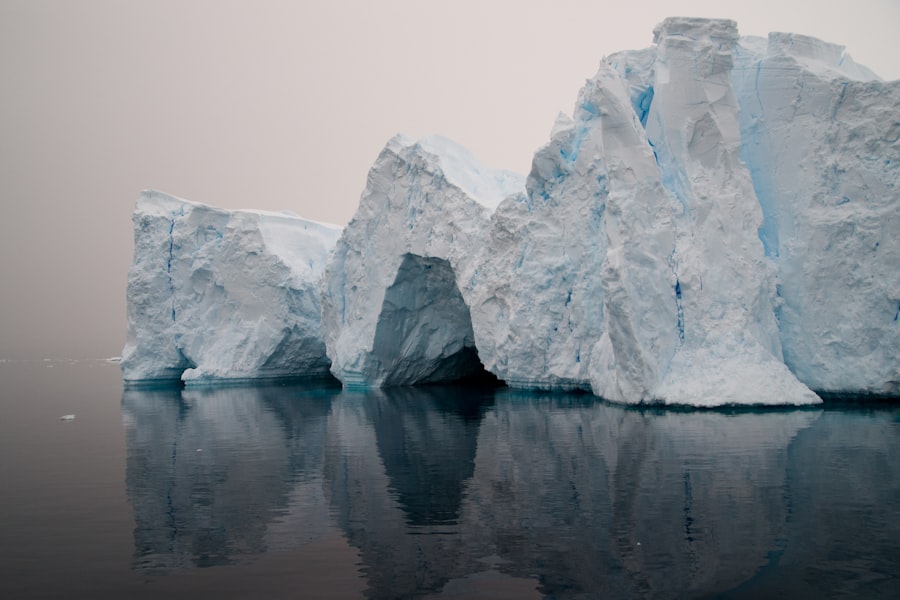
The Ice Ages were not just a time of ice and megafauna; they were also a period when early humans, Homo sapiens and our hominin ancestors, navigated and adapted to these challenging environments.
The Paleolithic Era: A World Shaped by Ice
The vast majority of human prehistory, the Paleolithic era, overlapped significantly with the Pleistocene Ice Age. Early humans were intimately connected to the Ice Age landscape and its resources.
Survival Strategies
Early humans developed sophisticated survival strategies to cope with the harsh conditions. This included:
Hunting and Gathering
They were primarily hunter-gatherers, relying on the animals and plants available in their environment. The megafauna provided a significant source of food, shelter, and materials.
Tool Use and Technology
The development of increasingly sophisticated stone tools, such as handaxes, scrapers, and projectile points, was crucial for hunting, butchering, and processing resources.
Shelter and Clothing
Humans sought shelter in caves and rock overhangs, or constructed rudimentary dwellings from animal hides and bones. The development of sewn clothing, likely using bone needles, was essential for surviving the cold.
Migration and Adaptation
Early humans spread across the globe during the Ice Age, adapting to a variety of environments, including those shaped by glaciers.
Land Bridges and Sea Levels
During glacial periods, vast amounts of water were locked up in ice sheets, leading to significantly lower sea levels. This exposed land bridges, such as Beringia between Asia and North America, which facilitated human migration.
Adapting to Different Glacial Environments
As humans migrated, they encountered a diverse range of glacial landscapes, from the frozen plains of Siberia to the mountainous regions of Europe. Each environment required specific adaptations in technology, diet, and social organization.
The Mystery of Extinction
The end of the last Ice Age, approximately 11,700 years ago, coincided with the extinction of many Ice Age megafauna and the successful expansion of Homo sapiens globally.
Theories of Extinction
The reasons for the extinction of these magnificent creatures are still debated among scientists. Some leading theories include:
Climate Change
The rapid warming of the planet at the end of the Ice Age would have dramatically altered habitats and food sources, placing immense pressure on species adapted to colder climates.
Human Overhunting (Overkill Hypothesis)
The arrival and rapid population growth of humans, proficient hunters armed with effective tools, may have played a significant role in driving some species to extinction, particularly those that were slow-reproducing and had limited natural defenses.
Disease
It is also possible that humans introduced novel diseases to which the megafauna had no immunity.
Legacy of Early Humans
The Ice Age period represents a pivotal time in human evolution. It was during these challenging epochs that our ancestors developed the resilience, ingenuity, and adaptability that have allowed our species to flourish and inhabit virtually every corner of the planet.
During the Ice Age, Earth’s landscape was dramatically different, characterized by vast ice sheets covering large portions of the northern hemisphere, which shaped the geography and climate of the time. The effects of these glacial periods can still be observed today, influencing ecosystems and human history. For a deeper understanding of how climate fluctuations have impacted civilizations, you might find the article on tree rings and their revelation of Bronze Age drought particularly insightful. It explores how ancient weather patterns have shaped human development, much like the Ice Age did in its time. You can read more about it here.
The Enduring Legacy: What the Ice Age Left Behind
| Aspect | Description |
|---|---|
| Temperature | During the Ice Age, the average global temperature was about 5-10 degrees Celsius lower than it is today. |
| Sea Level | Sea levels were much lower during the Ice Age due to the large amount of water being locked up in glaciers and ice sheets. |
| Landmass | Large parts of the Earth were covered in ice sheets, and many areas that are now land were submerged under ice and sea. |
| Flora and Fauna | The vegetation and animal life during the Ice Age were adapted to the cold climate, with woolly mammoths, saber-toothed cats, and other Ice Age megafauna roaming the Earth. |
While the great ice sheets have largely retreated from much of the globe, the Ice Ages have left an indelible mark on our planet, shaping its geography, its ecosystems, and even our own history.
Geological Legacy
The most visible legacy of the Ice Ages is found in the dramatic geological features they created.
Landforms Still Recognizable
The U-shaped valleys, fjords, moraines, and drumlins carved by glaciers are still present across many continents, serving as constant reminders of the immense power that once shaped these landscapes. These features continue to influence drainage patterns, soil types, and the availability of resources.
Glacial Deposits and Soils
The till and outwash deposited by glaciers has created fertile soils in many regions, supporting agriculture and human settlement. However, it has also left behind areas of poor drainage and barren land.
Lake Formation
Many of the world’s large freshwater lakes, such as the Great Lakes of North America, were formed by glacial scouring and the deposition of moraines. These lakes are vital sources of water and support diverse aquatic life.
Climate and Sea Level Significance
The cyclical nature of Ice Ages has had a profound impact on global climate and sea levels.
Current Interglacial Period
We are currently living in an interglacial period within the ongoing Quaternary Ice Age. Understanding past cycles helps us predict future climate trends and the potential impacts of continued warming.
Impact on Sea Levels
During glacial periods, lower sea levels exposed vast areas of continental shelf, creating land bridges that facilitated migration. Conversely, during interglacial periods, the melting of ice sheets causes sea levels to rise, inundating coastal areas. This has significant implications for coastal communities and ecosystems.
Biodiversity and Evolution
The Ice Ages played a role in shaping the biodiversity we see today.
Extinctions and Adaptations
The extinctions that occurred at the end of the Ice Age removed many species, while others adapted to the changing conditions. This evolutionary bottleneck and subsequent diversification have contributed to the variety of life on Earth.
Endemic Species in Isolated Regions
Isolated regions that were once covered by ice, or were refuge areas during glaciation, may harbor a higher proportion of endemic species – species found nowhere else on Earth. These relics of the past offer valuable insights into evolutionary processes.
The Ice Age in Human Culture
The dramatic landscapes and incredible lifeforms of the Ice Age have permeated human culture and imagination.
Art and Mythology
Cave paintings from the Paleolithic era depict Ice Age animals like mammoths and bison, offering glimpses into the lives and beliefs of early humans. These animals have also become powerful symbols in mythology and popular culture.
Scientific Discovery and Fascination
The study of the Ice Age continues to captivate scientists and the public alike. Discoveries of preserved fossils, ice cores, and geological evidence provide invaluable data for understanding Earth’s history, climate change, and the evolution of life. The ongoing exploration of this frozen past continues to reveal the dynamic and ever-changing nature of our planet.

Could Humanity Remember a World That No Longer Exists?
FAQs
1. What was the Earth’s climate like during the Ice Age?
During the Ice Age, the Earth’s climate was much colder than it is today. Large parts of the planet were covered in ice sheets and glaciers, and the overall global temperature was significantly lower.
2. How did the Ice Age impact the Earth’s geography?
The Ice Age had a profound impact on the Earth’s geography. Massive ice sheets covered much of North America, Europe, and Asia, leading to the formation of large ice caps and glaciers. Sea levels were also much lower due to the amount of water locked up in ice, exposing land bridges that connected continents.
3. What did the flora and fauna look like during the Ice Age?
During the Ice Age, the flora and fauna were adapted to the cold climate. Many large mammals such as woolly mammoths, saber-toothed cats, and giant ground sloths roamed the Earth. Plant life was also adapted to the cold, with tundra and grasslands dominating the landscape.
4. How did human populations adapt to the Ice Age?
Human populations during the Ice Age were hunter-gatherers who adapted to the cold climate by using tools and clothing made from animal hides. They also migrated to follow the movements of large game animals and utilized fire for warmth and cooking.
5. What evidence do we have of the Earth’s appearance during the Ice Age?
Evidence of the Earth’s appearance during the Ice Age can be found in the form of glacial landforms, such as moraines, drumlins, and eskers. Fossilized remains of Ice Age flora and fauna, as well as ancient cave paintings and artifacts, also provide insight into what the Earth looked like during this time.