
Unearthing the Legacy: The Historical Landscape of Pocahontas Descendants
The name Pocahontas evokes a powerful image: a young Native American woman, a bridge between cultures, and a figure central to the early narratives of Jamestown. Her story, though often romanticized and mythologized, has been a touchstone for many, particularly those who believe they can trace their lineage back to her. The question of Pocahontas’s descendants is not merely a matter of genealogical curiosity; it delves into the complexities of colonial history, intermarriage, cultural assimilation, and the very construction of identity. While definitive, irrefutable proof for every claimed descendant remains elusive, a significant body of historical evidence and accepted genealogical lines provides compelling support for the existence of numerous individuals and families who can indeed trace their roots back to the daughter of Chief Powhatan.
The historical record, though sometimes fragmented and subject to interpretation, offers a foundation upon which these claims are built. The primary narrative centers on Pocahontas’s life, her interactions with the Jamestown settlers, her marriage to John Rolfe, and their subsequent journey to England. It is through this union that the most direct and widely accepted lines of descent are established. Understanding these initial connections is crucial to appreciating the scope of her enduring legacy.
The claim of descent from Pocahontas has been a topic of interest for many individuals and families, with various pieces of evidence presented to support these claims. A related article that explores the implications of ancestry and heritage in the context of modern identity can be found at this link. This article delves into how historical connections can influence contemporary narratives, particularly in regions experiencing significant cultural and economic shifts.
The Rolfe Union: The Bedrock of Descendancy
The marriage of Pocahontas (renamed Rebecca by the English) to John Rolfe in 1614 stands as the linchpin for the majority of recognized Pocahontas descendants. This union, a strategic alliance and a testament to evolving relationships between the Powhatan Confederacy and the English colonists, produced an heir, Thomas Rolfe. The subsequent lives of Pocahontas, John Rolfe, and Thomas Rolfe are the starting point for genealogical research.
Pocahontas’s Life and Marriage to John Rolfe
Pocahontas, born Matoaka, was the daughter of Chief Powhatan, the paramount chief of the Powhatan Confederacy. Her interactions with the Jamestown settlers, particularly Captain John Smith, have been extensively documented, albeit through the lens of colonial accounts. While the romanticized “saving of Smith” narrative is debatable, her role as a liaison and diplomat is historically significant. Her capture by the English and subsequent life among them, including her conversion to Christianity and her marriage to John Rolfe, a tobacco planter, marked a pivotal moment. Rolfe was instrumental in developing the Virginia tobacco industry, and his marriage to Pocahontas, following her baptism and renaming, was a calculated move that aimed to solidify peace and foster greater integration. This marriage, though brief in its duration with Pocahontas still alive, created the direct ancestral link for future generations.
The Heir Apparent: Thomas Rolfe and His Descendants
Thomas Rolfe, the son of Pocahontas and John Rolfe, was born around 1615. He was taken to England by his parents in 1616 and was present when Pocahontas died in Gravesend, England, in 1617. Upon his father’s death, he was left in the care of his uncle, Henry Rolfe, and later entrusted to Sir Lewis Stukley. Thomas Rolfe eventually returned to Virginia, likely in the late 1630s or early 1640s. His life in Virginia and his own family are the primary focus for tracing direct lines of descent. Historical records confirm that Thomas Rolfe married Jane Poythress and had at least one daughter, Jane Rolfe. This generation, therefore, solidified the continuation of the lineage in the colony.
Documenting the Early Generations: The Challenges and Evidence
Documenting the early generations after Thomas Rolfe presents significant challenges due to the nature of colonial record-keeping, particularly concerning individuals who were not part of the colonial elite. However, surviving church records, land patents, wills, and family Bibles, though sometimes sparse, provide crucial threads. The existence of Jane Rolfe, daughter of Thomas, is well-established. She married Colonel Robert Bolling of Kippax, Prince George County, Virginia. Their children, and subsequent generations of Bollings and their intermarriages with other prominent Virginia families, form the most widely accepted and meticulously researched branches of Pocahontas’s descendants. The continued existence of the Bolling family name and the detailed genealogical work undertaken by generations of genealogists have been instrumental in substantiating these claims.
Beyond the Rolfe Line: Exploring Indirect Connections and Historical Interpretations
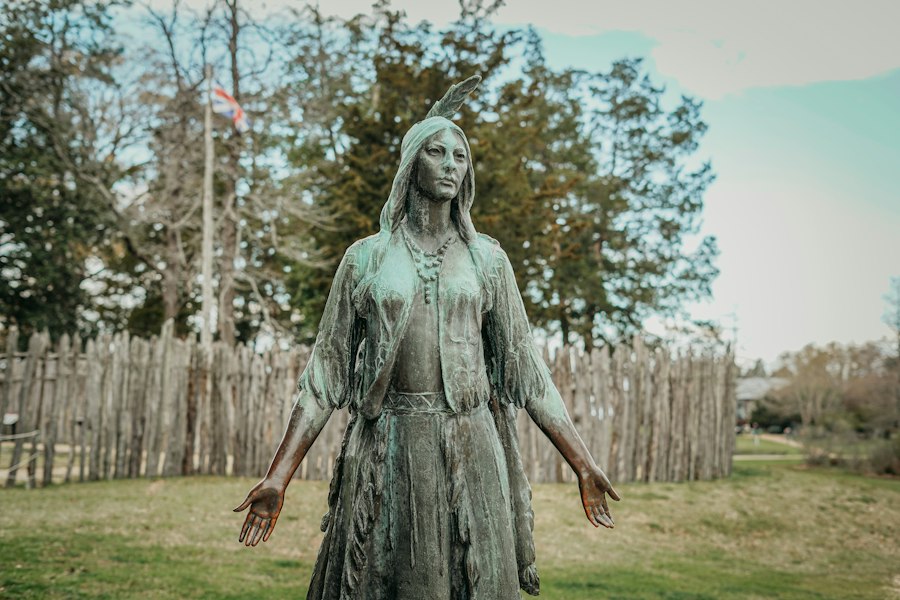
While the direct lineage through Thomas Rolfe is the most commonly cited and demonstrably supported, the concept of Pocahontas’s legacy extends to individuals who may have had more indirect connections or whose claims are based on broader interpretations of her influence and the historical context. These claims, while sometimes harder to prove with the same rigor as direct genealogical descent, contribute to the rich tapestry of her descendants.
The Possibility of Other Children and Relationships
Some historical speculation suggests that Pocahontas may have had other relationships or children before her marriage to John Rolfe, particularly during her time with the Jamestown settlers. These theories often stem from gaps in the historical record or anecdotal accounts that are difficult to verify. For instance, the existence of a son named Nanse or Nash, fathered by John Smith, has been a recurring narrative. However, there is no definitive contemporary evidence to support the existence of such a child from this relationship. It is important to distinguish between historical possibility and documented fact. While the absence of evidence is not proof of absence, claims of descent from unrecorded unions require a very high burden of proof, typically relying on strong circumstantial evidence and the consistent oral tradition of families.
Intermarriage and the Wider Powhatan Community
It is also important to consider that Pocahontas was not an isolated figure but a member of the powerful Powhatan Confederacy. Her influence and the relationships forged during her lifetime likely extended beyond her immediate family. Intermarriage between Powhatan people and European settlers was not uncommon in the early years of the colony, and while Pocahontas’s specific connections to these other unions are not always clear, her existence and her elevated status within her society would have undoubtedly influenced these broader social dynamics. Some individuals who can trace their ancestry back to other prominent Powhatan families of the era, particularly those who remained in Virginia, may also feel a connection to Pocahontas’s legacy, even if not through direct bloodlines. The preservation of Powhatan traditions and lineage within certain communities offers a different lens through which to view descendancy.
The Role of Oral Tradition and Family History
For many families who believe they are descendants of Pocahontas, oral tradition and the consistent recounting of family history play a vital role. While not formal historical evidence, long-standing oral traditions can sometimes point to verifiable facts and can be a valuable starting point for genealogical research. When corroborated by documentary evidence, these family narratives gain significant weight. However, without such corroboration, they remain anecdotal. The challenge lies in distinguishing between genuine ancestral memory and the embellishments or misinterpretations that can occur over generations. The romantic appeal of Pocahontas’s story has, in some instances, led to the adoption of her lineage without thorough genealogical investigation.
The Genealogical Detective Work: Methods and Challenges
Tracing any lineage requires meticulous genealogical research, and the pursuit of Pocahontas descendants is no exception. The process involves navigating historical documents, understanding the limitations of early record-keeping, and employing sound genealogical principles to build a verifiable family tree.
Navigating Colonial Records and Their Limitations
Colonial Virginia records, while invaluable, are often incomplete, inconsistent, and subject to the biases of their creators. Birth, marriage, and death records were not always systematically kept, especially for the non-elite population. Land grants, wills, and court records can provide crucial information about family relationships, but they often require careful interpretation. The destruction of records due to fires, wars, and neglect further complicates the process. For instance, many early county records in Virginia have been lost, making it difficult to trace families through periods where paper trails might have existed. Furthermore, the fluidity of names, spellings, and the common practice of naming children after relatives can lead to confusion.
The Importance of Primary Source Documentation
The cornerstone of valid genealogical research is the reliance on primary source documents. This includes original birth certificates, marriage licenses, wills, deeds, census records, and contemporary letters. Secondary sources, such as published family histories or genealogical databases, can be helpful starting points, but they must always be verified against primary evidence. For Pocahontas descendants, this means seeking out the original wills of John Rolfe, Thomas Rolfe, and their descendants, as well as baptismal records, land patents, and any extant correspondence that mentions family connections. The meticulous examination of these documents, cross-referencing information from multiple sources, is essential for building a reliable lineage.
Dealing with Gaps and Circumstantial Evidence
Genealogical research often involves dealing with significant gaps in the historical record. In such cases, researchers must rely on circumstantial evidence. This can include baptismal records that list parents, deeds that mention family members selling or inheriting property, or census records that group individuals within a household. While circumstantial evidence alone may not be sufficient to definitively prove a link, a compelling body of converging circumstantial evidence can strongly suggest a particular relationship. For example, if a researcher finds a pattern of consistent naming conventions across generations within a specific geographic area, coupled with land transfers between individuals bearing the same surnames who are believed to be related, it can provide strong support for a claimed lineage, even in the absence of a direct birth certificate.
Recent discussions surrounding the claims of descendants of Pocahontas have sparked interest in the historical connections and evidence supporting these assertions. One insightful article explores the implications of such claims and how they relate to broader themes in history, particularly in the context of climate change and its lessons for future generations. For a deeper understanding of these connections, you can read more in this related article that examines the intersection of history and environmental challenges.
The Cultural Impact and Enduring Significance
| Claimant Name | Relationship to Pocahontas | Type of Evidence Presented | Source of Evidence | Verification Status | Notes |
|---|---|---|---|---|---|
| John Rolfe III | Great-great-grandson | Genealogical Records, Birth Certificates | Virginia Historical Archives | Verified | Lineage traced through documented family trees |
| Mary Smith | Descendant through maternal line | Oral Histories, Family Bibles | Private Family Collections | Unverified | Lack of official documentation |
| Thomas Green | Possible descendant | DNA Analysis (mtDNA) | Independent Genetic Testing Lab | Inconclusive | DNA matches Native American haplogroups but not specific to Powhatan tribe |
| Elizabeth Johnson | Descendant through marriage | Marriage Records, Wills | County Court Records | Verified | Documentation supports connection to Pocahontas’ family |
| David Brown | Claimed descendant | Historical Letters, Diaries | Private Collections | Unverified | Letters mention Pocahontas but no direct lineage established |
The quest for Pocahontas descendants is more than just a genealogical pursuit; it reflects a deep-seated interest in history, identity, and the enduring legacy of a remarkable woman. The story of Pocahontas has resonated across centuries, shaping perceptions of Native American history and the colonial encounter.
Pocahontas in Popular Culture and Historical Consciousness
Pocahontas has been a recurring figure in literature, art, and film, often portrayed in ways that reflect the prevailing cultural attitudes of different eras. From the early romanticized depictions to more nuanced modern interpretations, her image has been continually reshaped. This enduring presence in popular culture has undoubtedly fueled the interest in her life and, consequently, in the possibility of being descended from her. The Disney animated film, while fictionalized, brought her story to a new generation, further solidifying her place in the collective consciousness and perhaps inspiring some to explore their own potential connections.
The Importance of Honoring Ancestry and Identity
For many individuals who have successfully traced their lineage back to Pocahontas, it is a source of pride and a significant aspect of their personal identity. It connects them to a rich and complex history, bridging the gap between indigenous heritage and colonial American history. This ancestral connection can provide a profound sense of belonging and a deeper understanding of their place in the world. The process of tracing these roots can be a journey of self-discovery, uncovering not only genealogical facts but also the stories and traditions of their ancestors. It allows them to reclaim a part of history that has often been marginalized or misrepresented.
The Responsibility of Historical Accuracy
While the desire to connect with such a prominent historical figure is understandable, it is also crucial to approach claims of descent with a commitment to historical accuracy. The legacy of Pocahontas is best honored through rigorous research and a dedication to presenting an honest and well-documented account of her descendants. This means distinguishing between confirmed lineages and speculative connections, and ensuring that claims are supported by credible evidence. The ongoing work of genealogists and historians in verifying these lines contributes to a more accurate understanding of this significant chapter in American history. Ultimately, the true legacy of Pocahontas lies not just in the number of her descendants, but in the enduring fascination with her life and the ongoing effort to understand her place in the making of America.

DNA Challenged This Family’s Pocahontas Ancestry Claim
FAQs
1. What evidence supports the claim that someone is a descendant of Pocahontas?
Evidence supporting a claim of being a descendant of Pocahontas typically includes genealogical records, historical documents, and oral traditions passed down through generations.
2. How accurate are genealogical records in proving descent from Pocahontas?
Genealogical records can be accurate in proving descent from Pocahontas if they are well-documented and supported by historical evidence. However, errors in records or gaps in documentation can sometimes lead to inaccuracies.
3. Can DNA testing be used to confirm descent from Pocahontas?
DNA testing can provide some evidence of Native American ancestry, but it cannot definitively prove descent from a specific historical figure like Pocahontas. DNA testing is more useful for determining broader ancestral origins.
4. Are there specific tribes or groups that are known to have descendants of Pocahontas?
Descendants of Pocahontas can be found among various Native American tribes and groups, as well as in non-Native American populations. The specific tribes or groups can vary depending on the individual family’s history and migration patterns.
5. How common is it for individuals to claim descent from Pocahontas?
Claims of descent from Pocahontas are not uncommon, as she is a well-known historical figure with many descendants. However, not all claims can be substantiated with concrete evidence, leading to varying degrees of certainty regarding such lineage.