The first hint of dawn, a pale luminescence bleeding through the dense canopy, stirred Kael from his slumber. He lay on a bed of dried leaves and animal hides, the warmth of his sleeping family a comforting presence beside him. The air, cool and carrying the damp scent of the forest floor, promised a new day of survival. His movements were economical, born of generations of instinct and necessity. He stretched, feeling the familiar ache in his muscles from the previous day’s efforts. Beside him, Lyra stirred, her eyes opening to scan their surroundings even before she fully awoke. The rudimentary shelter, a lean-to constructed from branches and interwoven foliage, offered protection from the elements but little else. Security was a constant vigilance, a shared responsibility amongst the clan.
The Dawn Muster and Preparations
The daily routine of a prehistoric hunter-gatherer was intricately tied to the natural environment, as they relied on seasonal patterns for foraging and hunting. Their activities varied throughout the year, focusing on gathering edible plants, hunting game, and fishing, all of which required a deep understanding of their surroundings. For those interested in exploring how ancient societies adapted to their environments, a fascinating read can be found in the article about ancient water management systems. This piece delves into how prehistoric communities innovatively managed their water resources, which was crucial for their survival and daily routines. You can read more about it here: Uncovering Ancient Water Management Systems.
The Dawn Muster and Preparations

The quiet rustling of his family awakening was the signal. Kael rose, his bare feet finding the cool, uneven ground. He nodded to Lyra, who was already tending to the embers of last night’s fire, coaxing them back to life with gentle breaths and dry tinder. The clan, a cohesive unit of about twenty individuals, began to emerge from their slumber. Children, their faces smudged with sleep, clung to their mothers. The elders, their bodies weathered and lined, offered quiet observations. This was not a time for lengthy discussions, but for a silent, shared understanding of the day’s imperative: sustenance.
Gathering the Clan’s Resources
Kael checked his tools, meticulously laid out the night before. A sharpened stone axe, its haft lashed with animal sinew, lay beside a quiver of flint-tipped arrows. A sturdy wooden spear, its point fire-hardened, rested against the shelter wall. These were not mere implements; they were extensions of his will, vital for securing the clan’s survival. He ran a thumb over the smooth, worn haft of his axe, a tool passed down from his father. Each chip and nick told a story of successful hunts and close calls. Lyra, meanwhile, was ensuring their meager store of dried berries and roots was accounted for. She also checked the water skins, crafted from animal bladders, ensuring they were full from the nearby stream. The clan relied on a delicate balance of gathered foods and hunted prey, and Lyra played a crucial role in managing these resources.
The Morning Briefing and Division of Labor
As the sun began to assert its presence, casting dappled light through the trees, the clan leader, an older man named Bor, gathered them. His voice, a low rumble, carried the weight of experience. There were no elaborate plans, no written strategies. Instead, Bor observed the sky, the wind, and the tracks imprinted in the soft earth surrounding their encampment. He spoke of potential game sightings reported by scouts the previous evening, of areas where edible roots were known to be plentiful, and of the prevailing weather patterns. The clan then naturally dispersed, their roles preordained by age, skill, and physical capability. The strongest men, including Kael, would form the hunting party. The women and older children, under the guidance of Lyra and the elder women, would focus on gathering. Younger children, still too small for strenuous tasks, remained closer to the camp, their days filled with play and learning basic skills.
The Hunt: A Test of Skill and Patience
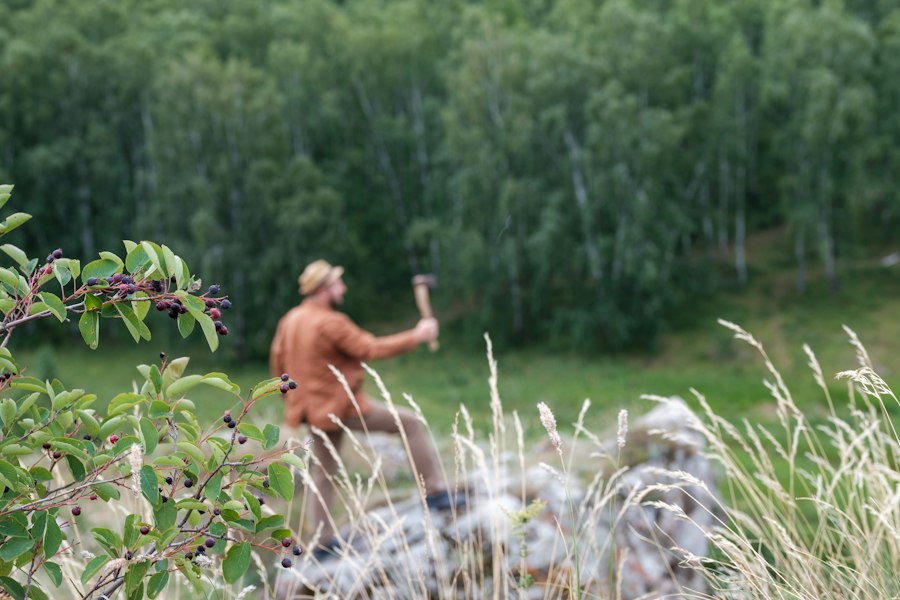
The Hunt: A Test of Skill and Patience
The hunting party, a disciplined unit, moved with a silent grace through the dense undergrowth. Kael felt a surge of adrenaline, a primal awareness that sharpened his senses. The forest was a living entity, its rustles and snaps a constant stream of information. He listened for the distant snap of a twig, the low grunts of boar, or the rustle of a deer through the leaves. His eyes scanned the ground for tracks, noting the size, direction, and freshness of each imprint. A fresh deer track, marked by dew still clinging to its edges, would send a ripple of excitement through the group.
Tracking Prey Through the Wilderness
Following the scent was as crucial as following the tracks. Kael possessed an acute sense of smell, able to distinguish the musky odor of deer from the earthy scent of wild boar or the fainter trace of a rabbit. He moved in a loose formation, flanking the suspected path of the animal, his companions fanning out to cut off escape routes. The forest floor, with its fallen leaves, moss-covered rocks, and tangled roots, provided both cover and obstacles. They had to tread carefully, minimizing noise, for a single misstep could send their quarry fleeing into the impenetrable depths of the wilderness. The anticipation was a palpable force, a shared tension that bound the hunters together.
The Ambush and the Kill
When the opportunity arose, the hunt became a display of coordinated strategy. The hunters would attempt to corner their prey against a natural barrier, such as a thicket or a steep embankment, or use terrain to their advantage. Kael’s role was often to lead the charge or to act as a flanker, using his agility to get into a position to launch a decisive blow. The initial attack was swift and brutal. If the prey was large, like a deer, the hunters would aim for vital organs with their spears. If smaller, such as a rabbit, arrows would be loosed with deadly accuracy. The roar of a wounded animal, the thud of a spear, the sharp crack of an arrow hitting its mark – these were the sounds of success. The kill was not a moment of celebration, but a somber acknowledgement of the life taken to sustain their own. There was no room for sentimentality; efficiency and the safe retrieval of the carcass were paramount.
The daily routine of a prehistoric hunter-gatherer was marked by a series of essential activities that revolved around survival and community. From foraging for edible plants to tracking and hunting animals, these early humans developed a deep understanding of their environment. For a fascinating exploration of how such routines may have shaped human history, you can read more in this insightful article about ancient maps and their implications on our understanding of prehistoric life. Check it out here.
Sustenance Gathering: The Vital Complement
| Time of Day | Activity | Duration | Purpose | Tools/Methods Used |
|---|---|---|---|---|
| Early Morning | Foraging for edible plants and berries | 2-3 hours | Gather food resources | Hands, digging sticks, baskets |
| Mid Morning | Hunting small game | 3-4 hours | Obtain protein and fat | Spears, traps, bows and arrows |
| Afternoon | Processing food (cleaning, cutting, cooking) | 2 hours | Prepare food for consumption and storage | Stone tools, fire |
| Late Afternoon | Tool making and maintenance | 1-2 hours | Ensure tools are functional for hunting and gathering | Flint knapping, sharpening stones |
| Evening | Socializing and storytelling | 1-2 hours | Strengthen social bonds and share knowledge | Oral communication, firelight |
| Night | Rest and sleep | 7-8 hours | Recover energy for next day | Natural shelters, animal skins |
The daily routine of a prehistoric hunter-gatherer was shaped by the rhythms of nature, as they relied on their environment for food and shelter. These early humans engaged in activities such as foraging for edible plants, tracking animals, and crafting tools, all of which required a deep understanding of their surroundings. For a fascinating exploration of how ancient mariners navigated the seas and mapped their journeys, you can read more in this article about ancient explorers and their adventures in uncharted territories. Discover the connections between these early navigators and the hunter-gatherers who roamed the land by visiting this insightful piece.
Sustenance Gathering: The Vital Complement
While the hunters pursued larger game, the women and children embarked on their own essential mission: the gathering of plant-based foods. This task, often perceived as less dramatic than the hunt, was equally vital to the clan’s survival. Their knowledge of the forest’s bounty was extensive, passed down through generations of observation and experimentation. They knew which berries were sweet and safe to eat, which roots could be roasted for sustenance, and which leaves possessed medicinal properties.
Identifying Edible Flora and Fungi
Lyra, a seasoned gatherer, led a group of women and older children on a foraging expedition. They moved with a different kind of awareness, their eyes scanning the forest floor for the telltale signs of edible plants. They identified clusters of wild berries, their colors ranging from deep purple to vibrant red, carefully plucking them from thorny bushes. They dug for starchy roots, their hands sifting through the soil to unearth the nutrient-rich tubers. The identification of edible fungi was a particularly crucial skill, as some mushrooms could be deadly. They relied on subtle distinctions in shape, color, and texture, learned through careful instruction and sometimes, unfortunately, through bitter experience.
The Importance of Seasonal Variety
The clan’s diet was dictated by the seasons. In spring and summer, berries and young shoots were abundant. As autumn approached, the focus shifted to roots, nuts, and seeds. Winter presented the greatest challenge, with fewer fresh foods available. This made the preservation of summer’s bounty essential. Dried berries, nuts, and roots were stored carefully, their nutritional value retained for the leaner months. Lyra’s meticulousness in gathering and preserving was a cornerstone of their resilience. The diversity of their diet, from the lean meat of hunted animals to the carbohydrates and vitamins from gathered plants, ensured they received the full spectrum of nutrients necessary for their demanding lifestyle.
The Evening Return and Communal Meal
The Evening Return and Communal Meal
As the sun began its descent, painting the sky in hues of orange and purple, the hunters and gatherers began to make their way back to the encampment. The return was marked by a growing sense of anticipation. The sight of the flickering campfire, a beacon of warmth and security, was always a welcome one. The successful return of the hunting party, especially with a significant kill, brought a palpable sense of relief and gratitude.
Sharing the Day’s Bounty
The division of the spoils was a communal affair. The kill was meticulously butchered, each part utilized to its fullest potential. Meat, bone, hide – nothing was wasted. The hunters proudly presented their catch, and the gatherers displayed their baskets overflowing with roots, berries, and nuts. The air buzzed with quiet exclamations of appreciation and satisfaction. This was the culmination of their day’s labor, a tangible reward for their perseverance. The sharing of the food reinforced the bonds of the clan, a fundamental aspect of their social structure.
The Evening Fire and Storytelling
The communal meal was more than just sustenance; it was a social ritual. They gathered around the fire, the flames casting dancing shadows on their faces. The cooked meat, roasted roots, and gathered berries were shared amongst everyone, with the choicest portions often reserved for the elders and the young. As they ate, the day’s events were recounted. The hunters described the thrill of the chase, the gatherers shared the discoveries of new foraging grounds. The elders, in turn, offered their wisdom, recounting tales of past hunts, of perilous journeys, and of the wisdom of their ancestors. These stories served not only as entertainment but as a vital form of education, passing down essential knowledge and cultural traditions to the younger generation. The firelight illuminated a scene of shared purpose and enduring resilience, a testament to their ability to thrive in a challenging world.
Rest and Renewal: Preparing for Tomorrow
Rest and Renewal: Preparing for Tomorrow
As the stars began to emerge in the inky blackness of the night sky, a sense of quiet descended upon the encampment. The fire, now banked to conserve fuel, cast a gentle glow, a comforting presence in the darkness. The clan members, their bodies weary from the day’s exertions, began to prepare for sleep. The sounds of the forest, which had been a source of vigilance during the day, now became a lullaby, the chirping of insects and the distant hoot of an owl marking the rhythm of the night.
Securing the Camp and Tending the Fire
The security of the camp was a shared responsibility, even in repose. A few individuals, typically the younger hunters or those less exhausted, would remain on watch, their senses alert to any unusual sounds or movements. They would tend the fire, ensuring it remained a source of warmth and protection against predators. The process of securing the camp was often subtle, involving the arrangement of sharpened sticks around the perimeter or the careful placement of noise-making objects. It was a silent, ingrained practice, a testament to their constant awareness of their environment.
The Cycle of Sleep and Rejuvenation
The clan members retreated to their sleeping arrangements, the warmth of their kin a comforting embrace. Sleep was a vital period of recovery, allowing their bodies to repair and their minds to rest. The exhaustion of the day’s pursuits was a deep, satisfying weariness that promised a restful slumber. Dreams, perhaps filled with the hunt or the abundance of the forest, would surely visit them. This nightly respite was essential for the energy and resilience they would need for the dawn, when the cycle of survival would begin anew. The pre-dawn light would find them rested and ready, the silent promise of another day in the life of a prehistoric hunter-gatherer.
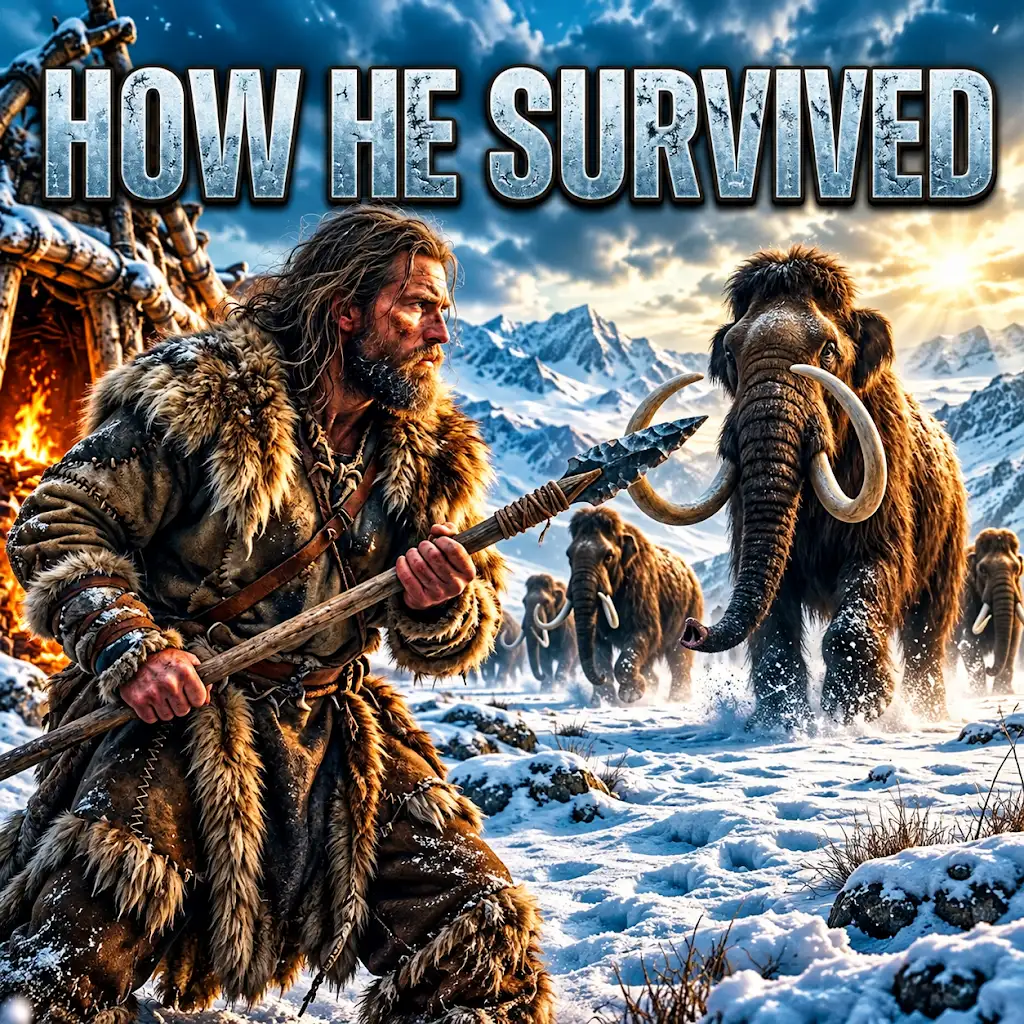
Life 20,000 Years Ago: How Humans Survived the Ice Age
FAQs
What did a prehistoric hunter-gatherer typically eat in a day?
A prehistoric hunter-gatherer’s diet consisted of a variety of foods such as wild game, fish, fruits, nuts, seeds, and roots that were available in their environment.
How did prehistoric hunter-gatherers obtain their food?
Prehistoric hunter-gatherers obtained their food through hunting animals using tools like spears and bows, as well as gathering edible plants and fruits from their surroundings.
What was a typical daily routine like for a prehistoric hunter-gatherer?
A prehistoric hunter-gatherer’s daily routine involved activities such as hunting, gathering food, making tools, cooking, taking care of children, and socializing with other members of the group.
Where did prehistoric hunter-gatherers live?
Prehistoric hunter-gatherers lived in various environments such as forests, grasslands, coastal areas, and mountains, depending on the availability of food sources in those regions.
Did prehistoric hunter-gatherers have any leisure time?
While prehistoric hunter-gatherers spent most of their time on activities related to survival, they also had leisure time for socializing, storytelling, creating art, and engaging in recreational activities like dancing and playing games.