For millennia, Greenland’s vast ice sheet has stood as a silent sentinel, a frozen archive of Earth’s history. Its seemingly pristine surface has long held a captivating allure, drawing scientists and adventurers alike to unravel its secrets. Yet, beneath this colossal cap of ice, a disturbing truth has begun to emerge: a hidden legacy of human activity, an unsettling accumulation of discarded waste, buried and forgotten for decades. This discovery, unearthed through painstaking research and innovative technology, paints a stark picture of a bygone era’s carelessness and raises profound questions about environmental stewardship, historical responsibility, and the long-term consequences of our actions.
The Cold War’s Shadow: A Base of Operations and Its Unintended Consequences
The story of abandoned waste beneath Greenland’s ice is inextricably linked to the geopolitical tensions of the Cold War. In the mid-20th century, as the world watched with bated breath, the United States and the Soviet Union engaged in a strategic arms race, each vying for military dominance. Greenland, with its strategic location in the North Atlantic, became a crucial theater in this global chess game. Its vast, sparsely populated expanses offered an ideal canvas for the construction of clandestine military bases, radar installations, and airfields designed to monitor Soviet movements and project American power.
Project Iceworm: An Ambitious, Yet Flawed, Undertaking
One of the most significant and ultimately problematic projects undertaken in Greenland during this era was “Project Iceworm.” Officially known as Camp Century, this clandestine military installation was conceived in the late 1950s as a showcase of American ingenuity and technological prowess. The ambitious plan was to construct a self-sufficient, underground city capable of housing thousands of soldiers and sophisticated missile launch facilities, all carved directly into the Greenland ice sheet. The rationale was clear: the ice would provide natural camouflage and protection from potential Soviet attacks.
Engineering a Subterranean City
The engineering feats required to realize Camp Century were extraordinary. French prefabricated sections were transported and assembled within an enormous tunnel system blasted into the ice. These tunnels, stretching for miles, housed living quarters, a hospital, a mess hall, a laundry, and even a church. Power was generated by a small nuclear reactor, a testament to the era’s faith in atomic energy. The entire facility was designed to be a self-contained ecosystem, a testament to the human drive to conquer even the most formidable environments.
The Hidden Price of Progress: Waste Management Challenges
However, the very nature of this remote, ice-bound outpost presented immense challenges for waste management. In the rush to establish a fully operational military base, the long-term implications of discarding waste directly into the environment were largely overlooked, or perhaps deemed a secondary concern to national security. The sheer volume of waste generated by hundreds of personnel, coupled with the logistical difficulties of transporting it back to the mainland for proper disposal, led to a pragmatic, albeit environmentally unsound, solution: bury it beneath the ice.
Recent studies have highlighted the concerning issue of abandoned waste beneath the Greenland ice sheet, which poses significant environmental risks as climate change accelerates ice melting. This situation draws parallels to other global crises, such as the fragmentation of Iraq, where the remnants of conflict continue to impact the region’s stability and environment. For a deeper understanding of how abandoned materials can lead to long-term consequences, you can read more in the article on Iraq’s fragmentation and its looming crisis at this link.
The Unearthing: Modern Technology Reveals a Forgotten Dump
For decades, the waste deposited at Camp Century remained entombed, a secret locked away by the relentless advance of the ice. However, as the climate began to change and the Greenland ice sheet started to melt at an accelerated rate, the buried secrets of the past began to surface. It was through the application of sophisticated radar technology that scientists first caught glimpses of what lay beneath.
Ground-Penetrating Radar: Peering Through the Ice
Ground-penetrating radar (GPR) has become an indispensable tool for glaciologists studying the Greenland ice sheet. This non-invasive technique emits radio waves into the ice, which then bounce back to a receiver. The time it takes for the waves to return, and their intensity, provides crucial information about the composition and structure of the ice, including any anomalies buried within it.
Identifying Anomalies and Subsurface Structures
When GPR surveys were conducted over the former site of Camp Century, researchers identified unusual patterns and structures that did not align with natural ice formations. These anomalies suggested the presence of artificial materials, metal objects, and waste deposits. The data indicated extensive burial sites, stretching for acres, containing a heterogeneous mix of discarded items.
Mapping the Extent of the Contamination
Subsequent GPR surveys, often conducted over multiple years to track changes in the ice, helped to map the precise extent of these buried waste sites. The findings revealed that the waste was not concentrated in a single location but was spread across a significant area, indicating a deliberate and ongoing practice of disposal. This meticulous mapping allowed scientists to estimate the volume and types of materials buried, providing a clearer picture of the scale of the problem.
The Nature of the Waste: A Glimpse into Mid-20th Century Life
The waste discovered beneath the Greenland ice offers a poignant and somewhat unsettling snapshot of life and military operations during the Cold War era. It’s not just abstract pollution; it’s tangible evidence of human consumption and the practices of a specific time.
A Diverse Collection of Discarded Materials
The buried deposits are a remarkably diverse collection of discarded materials. Initial investigations have revealed everything from discarded food packaging, plastics, and textiles to more concerning items such as batteries, various types of metals, and even potential hazardous materials associated with military operations.
Fuel Drums and Associated Contamination
Among the most significant concerns are the numerous fuel drums that have been identified. These drums, likely containing diesel or jet fuel, represent a potential source of hydrocarbon contamination. The slow degradation of these containers over time raises the specter of fuel leakage into the surrounding ice and potentially into meltwater runoff.
Building Materials and Infrastructure Debris
The waste also includes significant quantities of building materials and debris from the dismantled structures of Camp Century. This comprises metal components, insulation materials, and other remnants of the base’s infrastructure. The sheer volume of these discarded items speaks to the temporary nature of the base and the haste with which it was ultimately abandoned.
Everyday Consumer Goods
Perhaps most tellingly, the waste also includes a surprising amount of everyday consumer goods. These items, such as tin cans, glass bottles, and various forms of packaging, offer a direct insight into the consumption patterns of the personnel stationed at the base. They are the forgotten remnants of their meals, their leisure activities, and their connection to the outside world.
The Melting Threat: Environmental Implications of the Unburied Past
The primary concern driving scientific investigation and international attention is the environmental threat posed by this thawing waste. As the Greenland ice sheet melts due to rising global temperatures, these buried contaminants are gradually being exposed and released into the environment, with potentially far-reaching consequences.
Potential for Contaminant Release
The most immediate and pressing concern is the potential for the release of various contaminants into the surrounding ecosystem. As the ice melts, it erodes the discarded materials, breaking them down and carrying them away in meltwater.
Hydrocarbon Leaching and Aquatic Ecosystems
The presence of fuel drums is particularly worrying. The slow leaching of hydrocarbons into meltwater could contaminate downstream rivers and lakes, posing a significant threat to aquatic life. This contamination can affect the health of fish, invertebrates, and the entire food web, with potential impacts extending to human populations that rely on these water sources.
Heavy Metals and Soil Contamination
Many of the discarded materials, such as batteries and metal components, contain heavy metals like lead, mercury, and cadmium. As these items degrade, these toxic metals can be released into the environment. If the meltwater flows into terrestrial ecosystems, these heavy metals can accumulate in soils, impacting plant life and potentially entering the food chain.
Microplastic Pollution
The widespread use of plastics during the mid-20th century means that microplastics are likely a significant component of the buried waste. As these plastics break down, they fragment into smaller and smaller pieces, which can be ingested by a wide range of organisms, causing physical damage and introducing harmful chemicals into their bodies. The vastness of the Arctic means that such pollution can spread over considerable distances.
The Ice as a Repository: A Temporary Solution with Long-Term Problems
The rationale for burying waste at Camp Century was rooted in the belief that the ice would act as a permanent repository, effectively sealing away the contaminants for eternity. However, this assumption has been proven tragically flawed by the undeniable reality of climate change.
The Ephemeral Nature of Ice in a Warming World
The Greenland ice sheet, once considered a bastion of perpetual cold, is now demonstrably vulnerable to rising global temperatures. The accelerating melt rate means that the ice is no longer a stable, long-term storage solution. What was intended as an eternal tomb is becoming a temporary holding facility, with a limited shelf life.
The Inevitability of Exposure
As the ice recedes, the buried waste is not simply disappearing. Instead, it is becoming increasingly exposed. This exposure accelerates the degradation process and facilitates the release of contaminants. The rate of this exposure is directly linked to the rate of ice melt, a trend that is only expected to intensify in the coming decades.
Recent studies have highlighted the concerning issue of abandoned waste beneath the Greenland ice sheet, which poses significant environmental risks as climate change accelerates melting. For a deeper understanding of how various regulatory frameworks can impact environmental management, you might find this article on the Dodd-Frank Act insightful. It explores the implications of financial regulations on deposits and their potential influence on environmental policies. You can read more about it in this overview.
Remediation and Responsibility: A Complex and Costly Challenge
The discovery of abandoned waste beneath Greenland’s ice presents a formidable challenge, both environmentally and ethically. The question of how to address this legacy of pollution is complex, and any potential remediation efforts are likely to be both expensive and logistically demanding.
The Debate Over Cleanup: Feasibility and Ethics
The idea of cleaning up the abandoned waste sites is a subject of ongoing debate among scientists, policymakers, and environmentalists. While the desire to mitigate environmental damage is strong, the practicalities of such an undertaking are daunting.
Logistical Hurdles and Extreme Conditions
Greenland’s remote location and harsh environmental conditions present significant logistical hurdles. Transporting equipment, personnel, and any removed waste would be incredibly challenging and costly. The fluctuating nature of the ice itself adds another layer of complexity to any excavation or cleanup operation.
The Question of Who Pays
A crucial aspect of the remediation debate is the question of responsibility and cost. Who should bear the financial burden of cleaning up a site created by a foreign military during a specific historical period? Discussions inevitably turn to international law, historical precedents, and the ethical obligations of nations.
International Cooperation and Future Preparedness
Addressing the legacy of Camp Century and similar potential sites will likely require significant international cooperation. The environmental consequences of this waste do not respect national borders, making a collaborative approach essential.
Lessons Learned for Future Military Operations
The discovery serves as a stark reminder of the importance of responsible waste management in any human endeavor, especially in sensitive environments. It highlights the need for stringent regulations and foresight in planning for the long-term environmental impact of military installations and other large-scale projects.
The Importance of Monitoring and Research
Continued monitoring of the melting ice sheet and ongoing research into the composition and movement of the buried waste are critical. Understanding the rate of contaminant release and their potential pathways into the environment will be crucial for informing future mitigation strategies and for preparing for the potential emergence of other hidden environmental hazards beneath the thawing ice. The lessons learned from this chilling discovery in Greenland must inform our approach to environmental stewardship for generations to come.
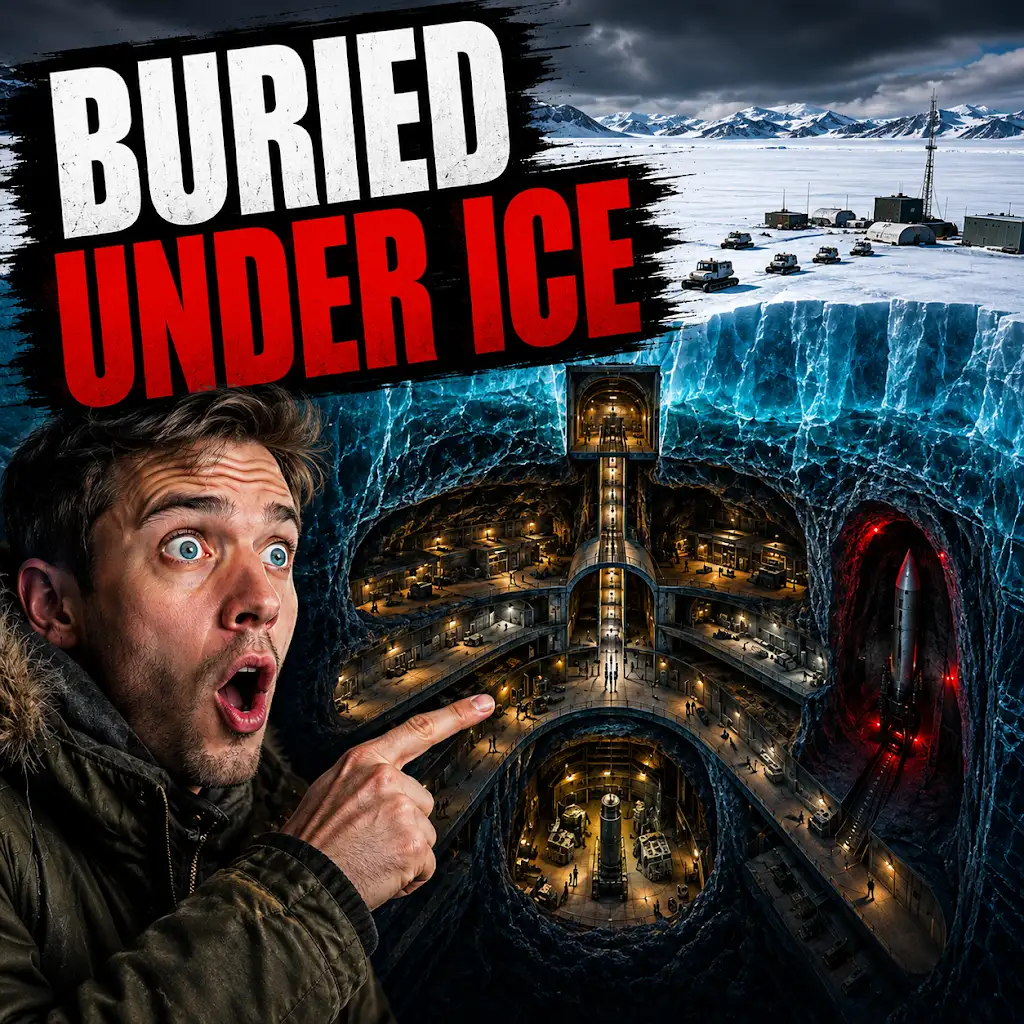
The U.S. Built a Nuclear City Under Greenland. The Ice Won.
FAQs
What is the abandoned waste beneath the Greenland ice sheet?
The abandoned waste beneath the Greenland ice sheet refers to a collection of abandoned military bases, research stations, and other waste left behind by various expeditions and projects in the region.
How did the waste end up beneath the ice sheet?
The waste ended up beneath the ice sheet due to the accumulation of snow and ice over time, which gradually covered and buried the abandoned structures and materials.
What are the potential environmental impacts of the abandoned waste beneath the ice sheet?
The abandoned waste beneath the ice sheet poses potential environmental risks, including the release of pollutants and contaminants as the ice melts, as well as the disruption of local ecosystems and wildlife habitats.
What efforts are being made to address the issue of abandoned waste beneath the ice sheet?
Efforts are being made to address the issue of abandoned waste beneath the ice sheet, including research initiatives to assess the extent of the problem and potential strategies for mitigation and cleanup.
Why is it important to address the issue of abandoned waste beneath the ice sheet?
It is important to address the issue of abandoned waste beneath the ice sheet in order to minimize the environmental impact of the waste as the ice melts, and to preserve the natural beauty and ecological integrity of the region for future generations.