So, are Acadian people genetically distinct? The short answer is yes, there are identifiable genetic markers that point to a unique ancestral heritage for Acadians. This distinctiveness isn’t about race or a completely separate lineage, but rather about the specific combinations of genes that arose from their historical isolation and unique founding population.
The Unique Genesis of Acadia
When we talk about Acadian genetic distinctiveness, we’re really talking about a story that starts in the 17th century. Imagine a relatively small group of people, primarily from the western regions of France, setting sail for a new world. They weren’t randomly gathered; they often came from specific villages and had established family ties. This initial group, known as the “founding population,” became the ancestors of virtually all Acadians.
Early Settlers and Their Origins
These early settlers weren’t just “French.” Their origins were more nuanced, often tracing back to provinces like Poitou, Saintonge, and Aunis. These regions in western France have their own historical population structures and genetic variations. When these groups came together in Acadia, they formed a new, relatively closed community.
Geographic Isolation and Genetic Drift
Once in Acadia, the Acadian communities developed in relative isolation for a considerable period. This isolation was both geographic and social. While there was some interaction with Indigenous populations and later with other European settlers, the core Acadian population maintained a high degree of endogamy (marriage within the group). Over generations, this led to what geneticists call “genetic drift” – random fluctuations in gene frequencies. Certain genes that were present in the founding population became more common, while others became less common, simply by chance. This process, over several centuries, contributed to a unique genetic profile.
The Deportation and Its Aftermath
The mid-18th century brought the Great Expulsion, or Le Grand Dérangement, where thousands of Acadians were forcibly removed from their homeland by the British. This event didn’t erase Acadian identity or genes; instead, it scattered them across North America and even to Europe. However, many Acadians eventually returned or re-established communities, often in new areas like parts of the Maritimes and Louisiana. This scattering and subsequent re-grouping, while disruptive, also meant that Acadian genetic heritage continued to be shaped by these specific historical pressures, influencing the gene pools of both Maritime and Louisiana Acadians, albeit in slightly different ways due to subsequent migrations and interactions.
The Acadian genetic distinctiveness is a fascinating topic that highlights the unique genetic traits of the Acadian people, shaped by their history and environment. For those interested in understanding the broader implications of environmental changes on distinct communities, the article on the threat of rising sea levels provides valuable insights. You can read more about this pressing issue and its potential impact on various populations by visiting this article.
Unpacking the Genetic Evidence
So, what do actual genetic studies reveal? It’s not about finding a single “Acadian gene.” Instead, it’s about observing patterns in the frequencies of certain genetic markers, particularly those passed down through the maternal (mitochondrial DNA) and paternal (Y-chromosome DNA) lines, as well as autosomal DNA which comes from both parents.
Mitochondrial DNA (mtDNA) Studies
Mitochondrial DNA is inherited solely from the mother. Studies looking at mtDNA in Acadian populations have often revealed a prevalence of certain haplogroups, which are like broad genetic classifications. For example, specific mtDNA haplogroups associated with western European maternal lineages have been found at higher frequencies in Acadian populations compared to the general French population or other North American populations. This suggests a strong continuity from the female founding ancestors.
The Acadian population is often discussed in the context of its unique genetic distinctiveness, which has been shaped by a complex history of migration and intermarriage. This distinctiveness is not only a result of geographical isolation but also reflects the broader patterns of human movement and cultural exchange. For a deeper understanding of how ancient empires influenced modern populations, you can explore a related article that examines these geopolitical dynamics in detail. The insights provided in this analysis can shed light on the historical factors that have contributed to the genetic makeup of various groups, including the Acadians. To read more about this fascinating topic, visit this article.
Y-Chromosome DNA (Y-DNA) Studies
Similarly, Y-chromosome DNA, passed down from father to son, has provided insights. Y-DNA studies have also pointed to a strong paternal lineage continuity, often showing a prevalence of Y-DNA haplogroups that are common in the western regions of France. The consistency in both maternal and paternal lines reinforces the idea of a distinct founding population that largely reproduced within itself for a significant period.
Autosomal DNA and Population Structure
Autosomal DNA, which makes up the bulk of our genetic code and is inherited from all our ancestors, provides a broader picture. When scientists analyze autosomal DNA from Acadian individuals, they often see them clustering together in genetic analyses, distinct from other European or North American populations. This clustering indicates a shared ancestry that is more recent and more specific than that shared with, say, the broader European diaspora. It also allows for the identification of segments of DNA that are more common in Acadian individuals, reflecting the accumulation of shared genetic material over centuries.
Beyond “French Ancestry”: Specific Lineages
While Acadians are undeniably of French descent, their genetic profile isn’t just a generalized “French” profile. It’s more specific, reflecting the particular regions and historical circumstances of their ancestors. Think of it like a specific regional cuisine within a broader national cuisine – Acadian genetics are a particular flavor of French heritage.
French Regional Variations
France itself has a long and complex history of population movements and local distinctiveness. The genetic makeup of someone from Brittany is not identical to someone from Provence. The founding Acadians came from specific northwestern regions, and the genetic markers prevalent in those areas were transported to Acadia. This means that Acadian genetics often show a stronger affinity to these particular French regional populations than to other parts of France.
Indigenous Ancestry Contributions
It’s also important to acknowledge the contributions of Indigenous peoples to the Acadian gene pool. Early interactions and intermarriages occurred between Acadian settlers and various First Nations groups, particularly the Mi’kmaq and Maliseet peoples. Genetic studies have indeed identified segments of Indigenous DNA in Acadian populations, though the prevalence varies. This is another layer of distinctiveness that differentiates
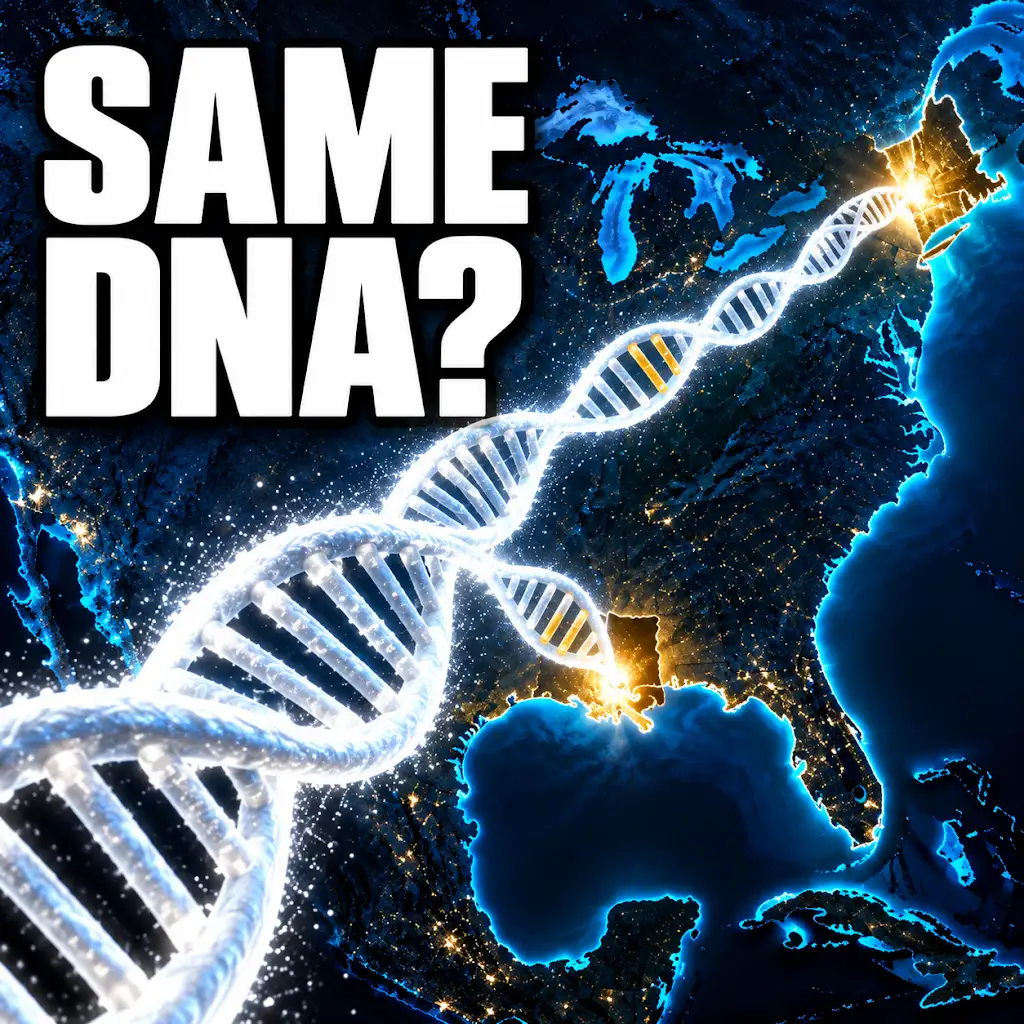
Cajun or French Canadian? The DNA Looked the Same—Until Researchers Looked Closer
FAQs
What is Acadian genetic distinctiveness?
Acadian genetic distinctiveness refers to the unique genetic characteristics found in the Acadian population, which is descended from the French settlers of Acadia in North America.
What factors have contributed to the genetic distinctiveness of the Acadian population?
The genetic distinctiveness of the Acadian population can be attributed to a combination of founder effects, genetic isolation, and intermarriage within the community over generations.
How does the Acadian genetic distinctiveness compare to other populations?
Studies have shown that the Acadian population exhibits genetic markers that set them apart from other populations, indicating a distinct genetic heritage that has been preserved over time.
What are some genetic traits that are commonly found in the Acadian population?
Some genetic traits that are commonly found in the Acadian population include specific gene variants related to metabolism, immune response, and other biological functions that have been passed down through generations.
How has the Acadian genetic distinctiveness impacted research and studies in genetics?
The unique genetic makeup of the Acadian population has provided researchers with valuable insights into genetic diversity, population genetics, and the effects of genetic isolation on a community over time.