
Addressing Talent Shortages: Strategies for Europe
Europe faces a complex and evolving landscape of talent shortages across numerous sectors. This deficit is not a static condition but a dynamic challenge, influenced by demographic shifts, rapid technological advancements, and changing labor market demands. The consequences of these shortages are far-reaching, impacting economic growth, innovation potential, and the ability of businesses to remain competitive on a global stage. Addressing this multifaceted issue requires a comprehensive and coordinated approach, spanning education, immigration, workforce development, and societal attitudes towards work and skills.
The current talent shortage in Europe is not a sudden storm that appeared overnight. Instead, it is the culmination of several underlying factors that have been brewing for years. Recognizing these root causes is crucial for developing effective and sustainable solutions.
Demographic Currents Shaping the Workforce
Europe’s population is aging. This is a well-documented demographic trend with significant implications for the labor market. As a larger proportion of the population enters retirement age, the pool of active workers shrinks. This “graying” of the workforce means fewer individuals are entering the job market to replace those who leave.
The Echo of Declining Birth Rates
The declining birth rates observed in many European countries over several decades contribute directly to this demographic shift. Fewer births today translate into a smaller working-age population in the future. This generational dip creates a vacuum in the labor supply that cannot be readily filled by internal demographics alone.
Emigration of Skilled Professionals
While Europe is a desirable destination for many, it also experiences the emigration of its own highly skilled professionals. These individuals, often drawn by greater opportunities, higher salaries, or specialization in niche fields, seek their careers elsewhere. This “brain drain” further depletes the domestic talent pool, particularly in sectors requiring advanced expertise.
The Accelerating Pace of Technological Change
The digital revolution and the rapid advancement of artificial intelligence, automation, and other technologies are fundamentally reshaping industries. This technological evolution creates new roles and demands new skill sets, often at a pace that outstrips the ability of the existing workforce and educational systems to adapt.
Automation’s Double-Edged Sword
Automation, while promising increased efficiency and productivity, can also displace workers in roles that are susceptible to mechanization. This necessitates a proactive approach to reskilling and upskilling the existing workforce to transition into new, often more complex, roles. Failure to do so can exacerbate unemployment and contribute to the perception of a skills mismatch.
The Rise of Emerging Technologies and Digitalization
The demand for professionals with expertise in areas such as data science, cybersecurity, artificial intelligence, cloud computing, and [list other relevant technologies] is soaring. Educational institutions and training programs often struggle to keep pace with the rapid evolution of these fields and to produce graduates with the most current and relevant skills. This creates a significant gap between the skills demanded by employers and those possessed by job seekers.
Evolving Labor Market Demands and Worker Expectations
The nature of work itself is changing. Modern workers, particularly younger generations, often prioritize different aspects of employment than their predecessors. Understanding these evolving expectations is critical for attracting and retaining talent.
The Quest for Meaningful Work and Growth Opportunities
Beyond competitive salaries, many European workers now seek roles that offer personal fulfillment, opportunities for continuous learning and development, and a sense of purpose. Companies that fail to provide these elements may find it challenging to attract and retain top talent, even in sectors experiencing shortages.
The Blurring Lines Between Work and Life
The traditional 9-to-5 model is increasingly being challenged. The demand for flexible working arrangements, remote work options, and better work-life balance is a significant factor influencing career choices. Employers resistant to these shifts may inadvertently alienate a substantial portion of the potential talent pool.
To effectively tackle the talent shortage in Europe, organizations must adopt innovative strategies that not only attract new talent but also retain existing employees. A related article that delves into this topic is available at Real Lore and Order, where various approaches and case studies are discussed, highlighting successful initiatives that companies have implemented to bridge the skills gap and enhance workforce engagement.
Strategies for Bridging the Skills Gap
Addressing the talent shortage requires a multi-pronged approach that tackles the issue from various angles. These strategies are not isolated initiatives but interconnected components of a larger solution.
Enhancing Educational Pathways and Vocational Training
The foundational bedrock of any talent strategy lies within the education and training systems. These systems must be agile and responsive to the evolving demands of the labor market.
Reforming Curricula for Future-Proof Skills
Educational institutions at all levels need to regularly review and update their curricula to align with current and future industry needs. This includes integrating digital literacy, critical thinking, problem-solving, and adaptability as core competencies. Collaboration between academia and industry is paramount to ensure curricula remain relevant. For instance, universities should actively engage with companies to understand the specific software, methodologies, and theoretical frameworks that are in high demand.
Strengthening Vocational Education and Training (VET)
Vocational education and training programs are often overlooked but are crucial for equipping individuals with the practical skills needed for many in-demand jobs. Investing in and modernizing VET can provide a direct pipeline to employment in sectors facing significant shortages, such as skilled trades, healthcare support, and advanced manufacturing. Promoting VET as a viable and respected career path, rather than a secondary option, is also important.
Promoting Lifelong Learning and Upskilling Initiatives
The concept of a single career for life is largely obsolete. Lifelong learning must become the norm. Governments and employers should invest in accessible and affordable upskilling and reskilling programs that allow individuals to adapt to new technologies and evolving job roles. This could include micro-credentials, online courses, and employer-sponsored training. Consider this as continuous maintenance for the human machine; without it, components will degrade and become obsolete.
Rethinking Immigration and Talent Mobility
In the face of internal demographic challenges, strategically leveraging immigration can be a vital component of addressing talent shortages. However, this requires careful planning and implementation.
Streamlining Visa and Work Permit Processes
For highly skilled professionals and essential workers, bureaucratic hurdles can act as significant deterrents. European countries should work towards streamlining visa and work permit application processes to attract international talent more effectively. This includes creating clear pathways and reducing processing times. A convoluted system acts as a gatekeeper, preventing needed talent from entering.
Creating Attractive Integration Programs for Immigrants
Attracting foreign talent is only the first step. Successful integration is crucial for retention. This involves providing language support, cultural orientation, and assistance with navigating the social and professional landscape. Companies can play a significant role in this through mentorship programs and fostering inclusive workplaces. Without smooth integration, even the most talented individuals may struggle to thrive and contribute fully.
Encouraging Intra-European Mobility of Skilled Workers
Europe enjoys relative freedom of movement for its citizens, but significant barriers can still exist for skilled workers wishing to relocate between member states. Harmonizing qualifications and simplifying recognition processes can facilitate the internal flow of talent, allowing skills to be deployed where they are most needed within the Union. This would be akin to removing internal dams that impede the free flow of water to arid regions.
Fostering Innovation in Workforce Development
Beyond traditional education, innovative approaches to workforce development can unlock new sources of talent and equip individuals with the skills of tomorrow.
Implementing Apprenticeship Models for Modern Roles
Apprenticeships are a time-tested model for skills development that can be adapted for modern industries. Expanding apprenticeships in fields like software development, data analytics, and renewable energy can provide a hands-on learning experience while addressing specific skill demands. This is like nurturing a sapling with consistent care and relevant nutrients; it leads to strong and productive growth.
Utilizing Bootcamps and Intensive Training Programs
Short-term, intensive training programs, often referred to as “bootcamps,” can be highly effective in rapidly acquiring in-demand technical skills. Supporting and scaling these programs, often in partnership with industry, can provide a quick response to emerging talent needs. These programs act as rapid inoculations against specific skill deficiencies.
Encouraging Public-Private Partnerships for Skills Development
Collaboration between governments, educational institutions, and private companies is essential for developing effective skills development strategies. These partnerships can ensure that training programs are aligned with industry needs, provide funding for initiatives, and create pathways to employment. This synergy amplifies the impact of individual efforts.
Enhancing Employer Attractiveness and Retention
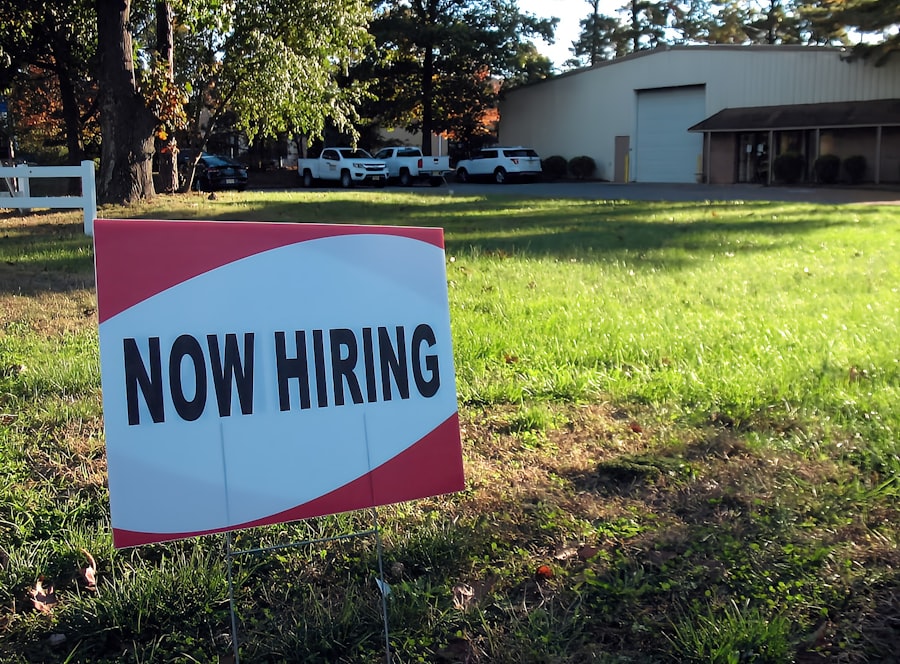
Even with a robust supply of talent, employers must actively work to build and maintain an attractive work environment to secure and retain skilled individuals.
Cultivating Inclusive and Diverse Workplaces
A commitment to diversity and inclusion is no longer just a matter of social responsibility; it is a strategic imperative for talent acquisition and retention. Employees want to work in environments where they feel valued, respected, and have equal opportunities.
Promoting Gender Equality in All Sectors
Historically, certain sectors have been male-dominated. Proactive measures to encourage women’s participation and leadership in these fields, as well as supporting men’s involvement in traditionally female-dominated professions, can significantly broaden the talent pool. This requires dismantling ingrained stereotypes and providing equitable opportunities.
Embracing Age Diversity and Intergenerational Collaboration
The aging workforce, as previously discussed, presents a challenge, but it also represents an asset. Creating environments where younger and older employees can collaborate, share knowledge, and learn from each other’s experiences can lead to innovation and improved problem-solving. Silos between generations are like fragmented reservoirs; breaking them allows for a more unified and powerful flow of intellect.
Creating Accessible Environments for Individuals with Disabilities
Ensuring that workplaces are accessible and supportive of individuals with disabilities is crucial for tapping into a wider talent pool. This includes physical accessibility, as well as providing reasonable accommodations and fostering an inclusive culture.
Optimizing Recruitment and Onboarding Processes
The initial experience a candidate has with a company can significantly influence their decision to join and their long-term engagement.
Leveraging Technology for Efficient Recruitment
Applicant tracking systems (ATS), AI-powered screening tools, and online assessment platforms can streamline the recruitment process, making it more efficient for both employers and candidates. However, it is crucial to avoid over-reliance on automation and to maintain a human touch.
Developing Robust Onboarding Programs
A well-structured onboarding program is vital for integrating new employees, familiarizing them with the company culture, and setting them up for success. This reduces the likelihood of early attrition and builds a foundation for long-term commitment. A poor onboarding experience is like planting a delicate seedling in barren soil; it is unlikely to flourish.
Offering Competitive Compensation and Benefits
While not the sole driver of job satisfaction, competitive compensation and comprehensive benefits packages remain critical for attracting and retaining talent.
Fair Wages and Performance-Based Incentives
Ensuring wages are competitive within the industry and the region is a fundamental requirement. Performance-based incentives and bonus structures can further motivate employees and reward contributions.
Comprehensive Health and Wellness Programs
Beyond standard health insurance, employers are increasingly offering holistic wellness programs that support physical, mental, and financial well-being. This demonstrates a commitment to employees’ overall quality of life.
The Role of Government and Policy in Talent Development

Governments play a pivotal role in creating an environment conducive to talent development and in addressing systemic issues that contribute to shortages.
Investing in Education and Training Infrastructure
Public investment in schools, universities, vocational training centers, and digital learning platforms is fundamental. This infrastructure forms the backbone of the nation’s human capital.
Funding Research and Development in Emerging Fields
Governments can stimulate innovation and the development of specialized skills by funding research and development in emerging technological and scientific fields. This creates the intellectual capital that will drive future economic growth.
Providing Financial Support for Learners and Trainees
Subsidies, grants, and tax incentives for individuals pursuing education and training in high-demand fields can lower financial barriers and encourage participation. This can be likened to providing fertilizer to promising crops, ensuring they reach their full potential.
Facilitating Labor Market Reforms
Governments can implement policies that make labor markets more agile and responsive to changing needs.
Modernizing Labor Laws to Accommodate Flexible Work
Revisiting and updating labor laws to better accommodate flexible working arrangements, remote work, and the gig economy can attract a wider range of talent and improve overall labor market efficiency.
Promoting Entrepreneurship and Self-Employment
Supporting entrepreneurship through funding, mentorship, and reduced administrative burdens can create new businesses and, consequently, new employment opportunities. This fosters a dynamic economic ecosystem.
International Cooperation and Harmonization
Given the interconnectedness of the global economy, European countries must collaborate to address talent shortages effectively.
Sharing Best Practices and Data on Talent Needs
Member states can benefit from sharing data and best practices regarding labor market trends, skills gaps, and successful talent development strategies. This collaborative learning prevents reinventing the wheel.
Developing Joint Initiatives for Talent Attraction
Coordinated efforts to attract international talent to Europe as a whole, rather than as individual nations, can create a stronger and more unified proposition for skilled workers.
As Europe grapples with a significant talent shortage, various strategies are being explored to address this pressing issue. One insightful article discusses innovative approaches that companies can adopt to attract and retain skilled workers, emphasizing the importance of flexible work arrangements and continuous learning opportunities. For those interested in delving deeper into this topic, you can read more about these strategies in this related article. By implementing these recommendations, organizations can better position themselves to thrive in a competitive labor market.
Cultivating a Culture of Adaptability and Resilience
| Strategy | Description | Key Metrics | Impact on Talent Shortage |
|---|---|---|---|
| Upskilling and Reskilling Programs | Providing current employees with training to develop new skills relevant to evolving job requirements. | Percentage of workforce trained annually, Training completion rate, Skill gap reduction | Reduces skill gaps by 30-40%, increases internal talent availability |
| Attracting International Talent | Implementing policies and incentives to recruit skilled workers from outside Europe. | Number of work visas issued, International hires percentage, Time to fill positions | Increases talent pool by up to 20%, shortens recruitment cycles |
| Promoting STEM Education | Encouraging students to pursue science, technology, engineering, and mathematics fields. | STEM graduates per year, Enrollment rates in STEM courses, Employer satisfaction with graduate skills | Long-term increase in qualified candidates, projected 15% rise in STEM workforce |
| Flexible Work Arrangements | Offering remote work, part-time, and flexible hours to attract diverse talent. | Employee retention rate, Job application rates, Employee satisfaction scores | Improves retention by 25%, attracts wider candidate demographics |
| Automation and AI Integration | Using technology to automate routine tasks, reducing demand for scarce talent. | Percentage of tasks automated, Productivity increase, Reduction in manual labor hours | Decreases talent demand in certain roles by 15-20%, boosts efficiency |
Ultimately, addressing talent shortages requires a fundamental shift in how societies approach work, learning, and career development. It demands a culture that embraces change and fosters resilience.
Embracing a Growth Mindset
Individuals and organizations must cultivate a growth mindset – the belief that abilities and intelligence can be developed through dedication and hard work. This encourages continuous learning and a willingness to adapt to new challenges.
Encouraging Proactive Career Planning
Individuals need to take ownership of their career development, actively seeking out learning opportunities and anticipating future skill demands. This proactive approach is essential in a rapidly changing landscape.
Fostering a Culture of Experimentation and Learning from Failure
Innovation often arises from experimentation. A workplace culture that encourages trying new approaches and views failures as learning opportunities, rather than setbacks, will foster greater adaptability and problem-solving.
Building Stronger Connections Between Education and Industry
The “ivory tower” of academia and the fast-paced world of industry must be more closely aligned. This is not about industry dictating curriculum, but about a symbiotic relationship that ensures graduates are well-prepared for the realities of the modern workplace.
Co-designing Learning Experiences
Involving industry professionals in the design of educational programs and training modules ensures that the content is relevant and practical. This can take the form of guest lectures, advisory boards, and real-world project collaborations.
Creating Pathways for Knowledge Transfer
Mechanisms for knowledge transfer between academia and industry, such as joint research projects, internships, and technology transfer offices, are crucial for bridging the gap between theoretical knowledge and practical application.
Promoting a Sense of Purpose and Contribution
Beyond transactional employment, individuals increasingly seek to contribute to something larger than themselves.
Aligning Business Goals with Societal Impact
Companies that demonstrate a commitment to social responsibility and have a clear sense of purpose beyond profit are more likely to attract and retain a purpose-driven workforce.
Highlighting the Societal Value of Different Professions
Ensuring that all professions, from skilled trades to scientific research, are valued and recognized for their contribution to society can elevate perceived prestige and attract individuals from diverse backgrounds.
In conclusion, the talent shortage in Europe is an intricate tapestry woven from demographic shifts, technological advancements, and evolving societal expectations. Effectively addressing this challenge necessitates a strategic and multi-faceted approach. By investing in education and training, fostering adaptable labor markets, cultivating inclusive workplaces, and encouraging a culture of lifelong learning, Europe can not only bridge its current skills gaps but also build a more resilient and prosperous future. The journey requires sustained effort, collaboration, and a commitment to continuous adaptation, ensuring that Europe’s human capital remains its most valuable asset.
FAQs
What are the main causes of the talent shortage in Europe?
The talent shortage in Europe is primarily caused by demographic changes such as an aging population, skills mismatches between job seekers and available roles, rapid technological advancements requiring new skill sets, and insufficient investment in education and training.
How can companies in Europe address the talent shortage?
Companies can address the talent shortage by investing in employee training and development, adopting flexible work arrangements to attract diverse talent, leveraging technology for recruitment, collaborating with educational institutions, and expanding their talent search internationally.
What role does education play in mitigating the talent shortage?
Education plays a critical role by equipping individuals with relevant skills and knowledge. Aligning curricula with industry needs, promoting STEM education, and encouraging lifelong learning and reskilling initiatives help prepare the workforce to meet evolving job market demands.
How does immigration impact the talent shortage in Europe?
Immigration can help alleviate the talent shortage by bringing in skilled workers from outside Europe. Policies that facilitate the integration of foreign talent and recognize their qualifications are essential to effectively supplement the domestic workforce.
What strategies are governments implementing to tackle the talent shortage?
Governments are implementing strategies such as reforming education systems, promoting vocational training, incentivizing lifelong learning, supporting innovation and digital skills development, and creating favorable immigration policies to attract and retain skilled workers.