
The African Humid Period, a recurring epoch characterized by significantly increased rainfall across the continent, stands as a pivotal yet often overlooked chapter in human history. Far from a static environment, ancient Africa during these humid phases transformed into a verdant cradle, fostering the growth and flourishing of remarkable civilizations that laid the groundwork for much of humanity’s development. These periods, driven by shifts in Earth’s orbital parameters and atmospheric circulation, brought about lush savannas, flowing rivers, and abundant ecosystems, creating conditions conducive to settled agriculture, population growth, and the rise of complex societies. Understanding the African Humid Period is crucial to appreciating the deep roots of human ingenuity and societal organization.
The African Humid Period, also known as the African Humid Period (AHP) or African Megadry periods, is a phenomenon that has shaped the continent’s landscape and its inhabitants for millennia. These cycles of increased precipitation were not uniform but varied in intensity and duration, yet their overarching impact was a dramatic reversal of the arid conditions that often define much of Africa today.
Orbital Forcing and Monsoonal Intensification
The primary driver behind the African Humid Period is Earth’s orbital eccentricity, a measure of how elliptical its orbit around the Sun is. This orbital variation, along with changes in the tilt of Earth’s axis (obliquity) and the wobble of its axis (precession), alters the amount of solar radiation received at different latitudes and seasons. During specific orbital configurations, the Northern Hemisphere experienced warmer summers, leading to stronger Indian and African monsoons. These intensified monsoonal systems delivered significantly more rainfall to vast swathes of Africa, transforming once-barren regions into fertile expanses. The subtle yet powerful dance of celestial mechanics directly influenced the terrestrial environment, setting the stage for unprecedented ecological and societal transformations.
The “Green Sahara” and Beyond
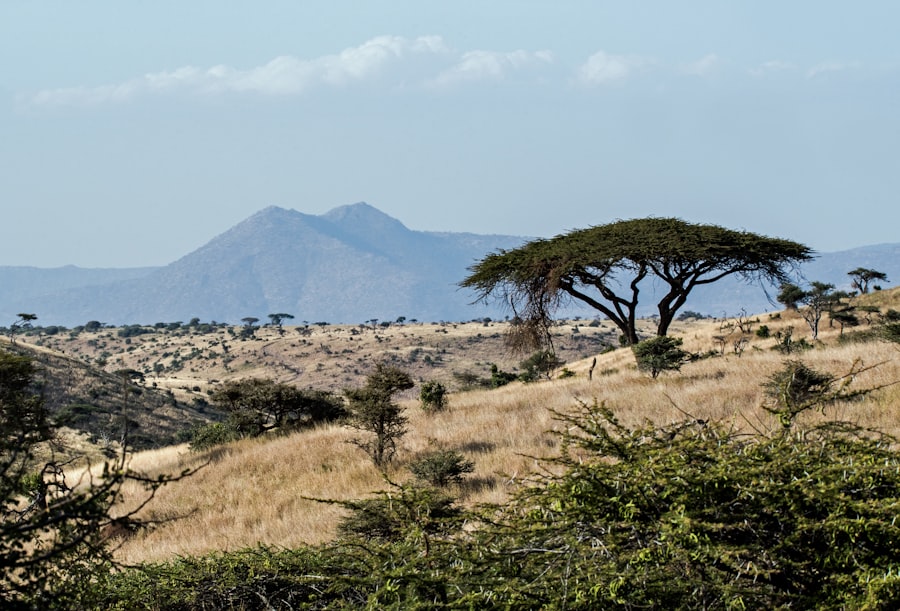
Perhaps the most iconic manifestation of the African Humid Period is the “Green Sahara.” This era saw the Sahara Desert, now a symbol of aridity, bloom with grasslands, lakes, and even rivers. Evidence from sediment cores, fossilized pollen, and archaeological findings paint a vivid picture of this transformation. Beyond the Sahara, other regions like the Sahel, East African Rift Valley, and parts of Southern Africa also experienced enhanced rainfall, leading to widespread wetland formation and increased river flow. This widespread greening meant that vast areas, previously uninhabitable or sparsely populated, became viable for human settlement and subsistence.
Timelines and Cycles: A Recurring Pattern
The African Humid Periods were not a single event but a recurring pattern throughout Earth’s history. The most prominent AHP phases occurred roughly every 23,000 years, coinciding with specific Milankovitch cycles. Major humid phases are recognized from approximately 11,000 to 5,000 years ago (the Holocene Humid Period), and earlier pulses during the Pleistocene epoch. These cycles suggest that humanity has adapted to and thrived in both wet and dry conditions on the continent, demonstrating remarkable resilience and adaptability. The cyclical nature of these periods also implies that civilizations rose and fell in tandem with the changing climate, leaving behind a rich archaeological record of their existence and eventual decline.
The African Humid Period, a time of increased rainfall and lush vegetation in North Africa, significantly influenced the development of ancient civilizations in the region. During this period, which lasted from approximately 14,500 to 5,000 years ago, the Sahara was transformed into a fertile landscape, supporting diverse ecosystems and human populations. For a deeper understanding of how environmental changes can impact societies, you may find this article insightful: Government Confiscation: What You Need to Know.
Seeds of Civilization: Agriculture and Resource Abundance
The advent of increased rainfall during the African Humid Period provided the crucial environmental conditions for the development and widespread adoption of agriculture. This transition from nomadic hunter-gatherer lifestyles to settled farming marked a fundamental shift in human societal organization, laying the foundation for the emergence of complex civilizations.
The Domestication Revolution
The abundance of water and fertile soils fostered the domestication of indigenous crops and livestock. In regions like the Nile Valley, the fertile floodplains, replenished by increased monsoon rains, became ideal for cultivating cereals such as emmer wheat and barley. Similarly, in West Africa, millets and sorghum were domesticated, becoming staple crops that supported growing populations. The domestication of animals like cattle, sheep, and goats, which thrived in the lush pastures, provided reliable sources of food, labor, and materials, further solidifying settled lifestyles. This domestication revolution was not merely about food production; it was about creating a surplus, a buffer against scarcity, and the ability to support individuals not directly involved in food acquisition.
Oasis of Life: Lakes and Rivers as Lifelines
The increased rainfall replenished ancient lake systems and significantly expanded river networks across the continent. The Sahara, during its green phase, was dotted with large, shallow lakes, some comparable in size to modern-day Great Lakes. These lakes, along with perennial rivers, became vital centers of life and human activity. They provided not only water for agriculture and drinking but also a rich source of fish and other aquatic resources, diversifying diets and supporting larger populations. The presence of these water bodies also facilitated communication and trade, connecting dispersed settlements and fostering cultural exchange. These aquatic oases were not just sources of sustenance; they were the arteries of emerging societies.
Biodiversity Boom and Human Expansion
The transformation of the landscape from arid to verdant led to a significant increase in biodiversity. Grasslands teemed with herbivores, which in turn attracted predators, creating a dynamic and productive ecosystem. This ecological richness provided ample resources for human populations, supporting not only agriculture but also hunting and gathering. The availability of food and water allowed for sustained population growth and the expansion of human settlements into previously uninhabitable areas. This demographic expansion, coupled with the development of new subsistence strategies, was a crucial precursor to the formation of larger, more organized communities.
Building Blocks of Society: Settlement, Innovation, and Trade

The sustained resource abundance and agricultural surpluses generated during the African Humid Period enabled the development of sedentary lifestyles and the emergence of more complex social structures. This period witnessed significant innovations in technology, governance, and inter-community relations.
From Villages to Cities: The Rise of Sedentary Life
The ability to reliably cultivate crops and raise livestock led to the establishment of permanent settlements. Initially, these were villages of thatched huts and mud-brick dwellings, often clustered around fertile land and water sources. Over time, as populations grew and social organization became more sophisticated, these settlements evolved into larger towns and eventually, the first true cities of Africa. Sites like the archaeological discoveries in the Niger River valley, such as Jenné-Jeno, reveal evidence of long-term occupation and urban development dating back thousands of years, demonstrating a continuous process of societal growth and complexity. These burgeoning urban centers served as hubs for economic activity, social interaction, and cultural development.
Technological Advancements: Tools for a Changing World
The challenges and opportunities presented by the new environment spurred technological innovation. The development of more efficient agricultural tools, such as plows and sickles, improved crop yields. Pottery became widespread for storage and cooking, and advancements in metallurgy, particularly the working of copper and later iron, led to the creation of more durable tools and weapons. The construction of sophisticated irrigation systems, where necessary, demonstrated a deep understanding of water management and engineering. Furthermore, evidence of boat building suggests the utilization of waterways for transportation and trade, facilitating the movement of goods and ideas across vast distances.
Networks of Exchange: The Dawn of African Trade
The concentration of resources and populations in settled areas fostered the development of trade networks. Local exchanges between neighboring villages soon expanded to encompass longer distances, connecting different ecological zones and resource-rich areas. Goods such as grain, livestock, salt, animal hides, and crafted items were traded, leading to economic interdependence and the specialization of labor. These trade routes not only facilitated the movement of material goods but also the exchange of cultural practices, religious beliefs, and technological knowledge, contributing to the diffusion of innovation and the development of pan-African identities. The rise of powerful trading centers, strategically located along rivers and caravan routes, became defining features of this era.
Flourishing Civilizations: Echoes of Antiquity
The conditions fostered by the African Humid Period directly contributed to the rise of some of Africa’s most influential and enduring ancient civilizations. These societies, often overlooked in broader historical narratives, left behind a legacy of monumental architecture, sophisticated governance, and vibrant cultural traditions.
The Legacy of Ancient Egypt: A Nile-Born Empire
While the pyramids and pharaohs of Egypt are widely recognized, their very existence and longevity were inextricably linked to the African Humid Period. The predictable annual flooding of the Nile River, intensified by monsoon rains, provided fertile silt that made the Nile Valley one of the most productive agricultural regions in the ancient world. This agricultural surplus supported a large population, allowing for the development of a highly centralized state, monumental construction projects, and a complex religious and administrative system. The arid environment of Egypt’s surrounding deserts, while limiting, also served as a natural defense, helping to preserve its unique civilization. The humbler, earlier phases of Egyptian development, before the dynastic period, were also shaped by the more humid conditions of earlier AHP phases, allowing for the initial establishment of settled agricultural communities along the Nile.
The Kingdoms of Kush and Meroë: Masters of the South
South of Egypt, the Nubian civilization, particularly the kingdoms of Kush and its later capital Meroë, flourished. The Nile River remained central to their prosperity, but their territories also encompassed regions that experienced greater rainfall, supporting diversified agriculture and pastoralism. The Meroitic civilization, in particular, became renowned for its iron smelting industry, a testament to the rich mineral resources available in the region, likely further enhanced by increased water availability for mining and processing. They developed their own unique script and artistic traditions, and their wealth and influence extended through extensive trade networks, connecting them to the Mediterranean world and beyond. Their rise and eventual decline are also understood in the context of climatic shifts, with the decline of the Meroitic state coinciding with periods of reduced rainfall.
The Great Zimbabwe and the Bantu Expansion: Southward Strides
In Southern Africa, the monumental stone structures of Great Zimbabwe stand as a testament to the ingenuity and organizational capacity of its builders. The surrounding region, benefiting from the African Humid Period’s influence, supported a robust agricultural economy and livestock herding, providing the resources and population base for such ambitious undertakings. The Bantu expansion, a vast migration of people across sub-Saharan Africa that began millennia ago, was also influenced by these humid phases. As fertile lands became available, Bantu-speaking groups migrated southward, carrying with them their agricultural knowledge, linguistic heritage, and cultural practices, shaping the demographic and cultural landscape of a significant portion of the continent. The availability of water and fertile soils facilitated these migrations and the establishment of new settlements across diverse environments.
The African Humid Period was a significant time in history that allowed ancient civilizations to thrive in regions that are now arid. During this era, the Sahara was transformed into a lush landscape, fostering the growth of communities and cultures that relied on abundant resources. For a deeper understanding of how environmental changes can impact societal development, you might find this article on economic assets interesting, as it explores how various factors influence market dynamics. You can read more about it here.
The End of the Rains: Transitions and Legacies
| Civilization | Location | Duration | Notable Achievements |
|---|---|---|---|
| Nubian Kingdoms | Nile Valley (Sudan) | 3000 BCE – 4th century CE | Pyramids, trade, ironworking |
| Kushite Kingdom | Nubia (Sudan) | 8th century BCE – 4th century CE | Conquered Egypt, built pyramids |
| Aksumite Empire | East Africa (Ethiopia) | 1st – 7th century CE | Trade, Christianity, obelisks |
The African Humid Period was not a permanent state. As Earth’s orbital parameters shifted, the monsoonal systems weakened, and rainfall gradually decreased, ushering in more arid conditions. These climatic transitions had profound impacts on the civilizations that had flourished, leading to adaptation, migration, and in some cases, the eventual decline of their peak influence.
Retreat of the Waters: The Desert Reclaims its Territory
As the African Humid Period waned, the lush landscapes began to recede. Lakes dried up, rivers diminished, and the Sahara Desert started to expand its arid embrace once more. This climatic shift presented significant challenges for the established agricultural economies and sedentary populations. The decline in rainfall directly impacted crop yields, livestock viability, and access to fresh water, leading to resource scarcity and increased competition. The “Green Sahara” gradually transformed back into the desert we know today, a stark reminder of the transient nature of even the most bountiful environments.
Adaptation and Migration: Responding to Environmental Change
Faced with increasing aridity, many societies were forced to adapt. Some developed more drought-resistant agricultural techniques or shifted their subsistence strategies towards pastoralism and more opportunistic hunting and gathering. Others undertook significant migrations, seeking out areas that retained more favorable climatic conditions or where new opportunities arose. The Bantu expansion, for instance, continued into later periods, driven by a combination of population pressure and the need to find new, arable land. These movements and adaptations demonstrate the remarkable resilience of African peoples in the face of environmental upheaval.
Enduring Legacies: A Foundation for the Future
While the African Humid Period itself eventually gave way to drier eras, its impact on the development of African civilizations was profound and lasting. The agricultural innovations, complex social structures, technological advancements, and extensive trade networks established during these humid phases laid the groundwork for subsequent historical developments. The great civilizations of Egypt, Kush, Meroë, and the kingdoms that emerged later in West and East Africa, all owe a debt to the environmental bounty of the African Humid Period. The rich archaeological record left behind continues to inform our understanding of early human societies, revealing a continent teeming with life, innovation, and complex civilizations that shaped the course of human history. The echoes of these flourishing ancient societies, nurtured by the generous rains of the African Humid Period, continue to resonate, reminding us of the deep and dynamic history of human ingenuity and adaptation on the African continent.

260 Ancient Graves Were Hiding in This “Empty” Desert
FAQs
What was the African Humid Period?
The African Humid Period, also known as the African Green Sahara, was a period of increased rainfall and vegetation in the Sahara desert and surrounding regions. It occurred approximately 11,000 to 5,000 years ago.
How did the African Humid Period impact ancient civilizations?
The African Humid Period allowed for the development of ancient civilizations in the Sahara region, as the increased rainfall supported agriculture and allowed for the growth of settlements. This period also facilitated the movement of people and trade across the region.
What evidence supports the existence of ancient civilizations during the African Humid Period?
Archaeological evidence, such as rock art, pottery, and ancient settlements, supports the existence of ancient civilizations during the African Humid Period. Additionally, studies of ancient pollen and plant remains provide further evidence of increased vegetation and agricultural activity during this time.
What were some of the notable ancient civilizations that thrived during the African Humid Period?
Some of the notable ancient civilizations that thrived during the African Humid Period include the Kiffian and Tenerian cultures in the Sahara region, as well as the ancient Nile Valley civilizations in Egypt and Sudan.
How did the end of the African Humid Period impact ancient civilizations?
The end of the African Humid Period led to a gradual decrease in rainfall and vegetation in the Sahara region, which likely contributed to the decline or migration of ancient civilizations. This period of environmental change may have also influenced cultural and societal shifts in the region.