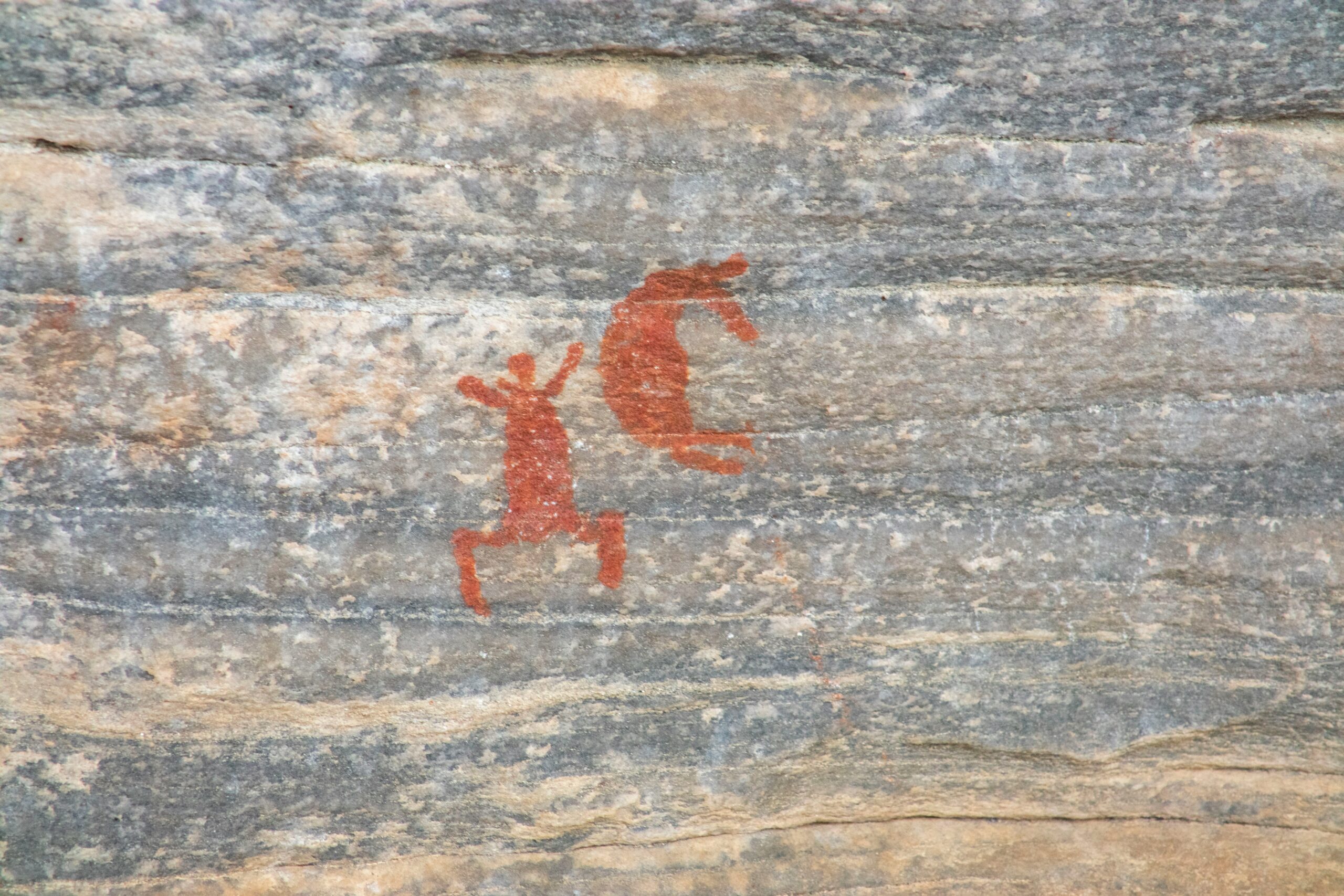
African rock art stands as a testament to humanity’s earliest artistic impulses, a visual library etched into the very fabric of the continent. These ancient creations, spread across diverse landscapes and spanning millennia, offer profound insights into the lives, beliefs, and environments of our ancestors. From the sweeping savannas to the rugged mountain ranges, Africa’s rock art is a treasure trove of human history, a story told in ochre, charcoal, and sometimes, simply the scarification of stone. Unveiling these ancient creations requires an understanding of their context, their artistry, and the enduring stories they continue to tell.
To truly comprehend African rock art, one must first grasp its immense scale and the profound significance it holds. This is not a localized phenomenon; rather, it is a continent-wide expression of human creativity and communication, predating written language by tens of thousands of years. The sheer diversity of styles, themes, and chronological periods represented is staggering, reflecting the myriad cultures and environments that have flourished across Africa.
A Continent of Galleries: Geographic Distribution
The presence of rock art is not confined to a single region but is distributed across almost every corner of the African continent. Southern Africa, with iconic sites like the Drakensberg Mountains in South Africa and Twyfelfontein in Namibia, boasts an astonishing density and variety of paintings and engravings. North Africa, particularly the Sahara Desert, reveals a rich history of rock art in regions like Tassili n’Ajjer in Algeria and the Acacus Mountains in Libya, showcasing a dramatic transition in climate and subject matter over time. East Africa, from Ethiopia’s ancient rock churches with their narrative frescoes to the Savannah plains of Kenya and Tanzania with their depictions of fauna, also harbors significant rock art traditions. Even West Africa, though perhaps less widely known for its painted shelters, has notable engraved sites. This widespread distribution underscores the deeply ingrained human need to leave a mark, to communicate, and to connect with the spiritual and natural world, a need that transcended geographical boundaries.
A Chronicle in Stone: Chronological Depth
The timeline of African rock art extends back into the deep past, with some of the earliest known examples dating back at least 26,000 years, and possibly even further. This vast chronological span means that the art acts as a dynamic record of human evolution, climate change, and societal shifts. The Paleolithic period, for instance, might be represented by abstract geometric forms or depictions of now-extinct megafauna. The Neolithic era could show increasing human figures, domesticated animals, and scenes of daily life. Later periods might reflect the arrival of new technologies, cultural exchanges, or evolving spiritual beliefs. Understanding the chronology of these artworks is crucial for interpreting their meaning, as it allows us to trace the development of human thought and expression through the ages. Archaeological dating, stylistic analysis, and contextual evidence all play vital roles in piecing together this immense historical narrative.
More Than Just Pictures: Multifaceted Meanings
The significance of African rock art extends far beyond its aesthetic appeal. These engravings and paintings were not mere decorative elements; they served a multitude of purposes within the societies that created them. They were mnemonic devices, aids to storytelling and the transmission of knowledge across generations. They were ritualistic and spiritual, often located in sacred spaces and used in ceremonies to connect with the spirit world, to ensure hunting success, or to facilitate healing. They were also didactic, teaching younger generations about societal norms, animal behavior, or the cosmology of their people. The very act of creation was often imbued with spiritual power, with artists often considered individuals with special abilities or links to the divine. Therefore, interpreting rock art requires a holistic approach that considers its social, cultural, and spiritual context.
African rock art, a significant aspect of the continent’s cultural heritage, provides invaluable insights into the lives and beliefs of ancient communities. For those interested in exploring how technology can enhance our understanding of historical artifacts, a related article discusses the advancements in lunar operations using autonomous systems. This innovative approach may inspire new methods for studying and preserving rock art. To learn more, you can read the article here: Advancing Lunar Operations with Autonomous Systems.
Unraveling the Techniques of Ancient Artisans
The creation of rock art was a sophisticated process, requiring skill, knowledge of materials, and an understanding of the natural environment. The artisans of ancient Africa employed a range of techniques and pigments to bring their visions to life on the stony canvases, leaving behind a tangible legacy of their ingenuity.
The Palette of Nature: Pigments and Materials
The pigments used in rock paintings were derived directly from the earth, a testament to the artists’ intimate knowledge of their surroundings. Red ochres, a common and vibrant color, were obtained from iron oxides found in clay-rich soils. Yellows and oranges were similarly derived from various iron-rich minerals. White was typically produced from kaolin or chalk, while black was often achieved using charcoal from burnt wood or manganese oxides. These mineral pigments were then ground into fine powders and mixed with binders to create a workable paint. These binders varied but could include animal fat, blood, egg whites, plant saps, or even water. The choice of binder could influence the paint’s durability and texture. Engraving, on the other hand, involved directly removing rock surface. This was achieved using harder stones as tools to peck, scratch, or abrade the rock face, creating lines and shapes by exposing the rock underneath the patina.
From Raw Material to Masterpiece: Application and Tools
The application of these pigments varied depending on the desired effect and the local medium. For paintings, brushes were likely fashioned from animal hair, reeds, or chewed sticks. Pigments might have been applied by dabbing, brushing, or even blowing through hollow bones or reeds to create fine stippling effects. Finger painting was also a common technique, leaving immediate and direct impressions on the rock surface. In some cases, pigments might have been applied with a wad of fiber or a crude sponge. For engravings, the tools were simple yet effective: harder stones like quartz or dolerite were used to strike, abrade, or incise the rock. The depth and texture of the engravings would depend on the force of the blows and the type of stone used. The selection of the rock surface itself was also important. Smooth, flat, or subtly textured surfaces were often preferred for painting, while certain types of rock were more amenable to engraving.
Decoding the Imagery: Themes and Iconography

The subject matter of African rock art is incredibly diverse, offering windows into the daily lives, spiritual beliefs, and ecological interactions of ancient peoples. While interpretation can be complex and often debated, recurring themes and motifs provide valuable clues to understanding these ancient visions.
The Animal Kingdom: A Revered Presence
Animals feature prominently in African rock art, reflecting their central role in the lives of hunter-gatherer and pastoralist societies. Depictions range from magnificent megafauna, such as elephants, rhinoceroses, lions, and giraffes, to smaller creatures like antelopes, birds, and reptiles. These depictions were often highly realistic, showcasing a keen observation of animal anatomy and behavior. Beyond mere representation, these animal figures likely held significant symbolic and spiritual meaning. They could represent totems, spirit guides, or embody the power and essence of the natural world. Hunting scenes, often incredibly dynamic and detailed, highlight the importance of the hunt for survival and the respect accorded to the prey. The depiction of specific animals might also relate to particular myths, legends, or cosmological beliefs of the creators.
The Human Form: Individuals and Communities
Human figures are also a common element in African rock art, appearing in a variety of forms and contexts. These figures can be depicted individually or in groups, engaged in a range of activities. Scenes of dancing, hunting, gathering, ritualistic practices, and combat are frequently observed. The style of human representation can vary dramatically, from abstract stick figures to more detailed and stylized forms. Clothing, adornments, and body paint are often depicted, offering insights into social status, cultural practices, and ceremonies. The interpretation of human figures can be particularly challenging, as they may represent specific individuals, generalized types, or even supernatural beings. Nevertheless, their presence underscores the importance of human society, interaction, and the lived experiences of these ancient communities.
The Abstract and the Symbolic: Beyond Literal Representation
Apart from realistic depictions of animals and humans, African rock art also features a significant amount of abstract and geometric designs. These can include dots, lines, circles, and complex geometric patterns. The meaning of these abstract forms is perhaps the most elusive and debated aspect of rock art interpretation. They may represent shamanic visions, spiritual journeys, celestial bodies, or serve as symbolic representations of concepts or ideas that are not easily depicted visually. Some scholars believe these abstract forms could be early forms of mapping or cosmological diagrams. Others suggest they might be related to music, dance, or ritualistic experiences. The repetition and variation of these abstract motifs across different sites and time periods hint at underlying symbolic systems and shared conceptual frameworks within ancient African societies.
Ritual, Spirituality, and the Sacred Landscape
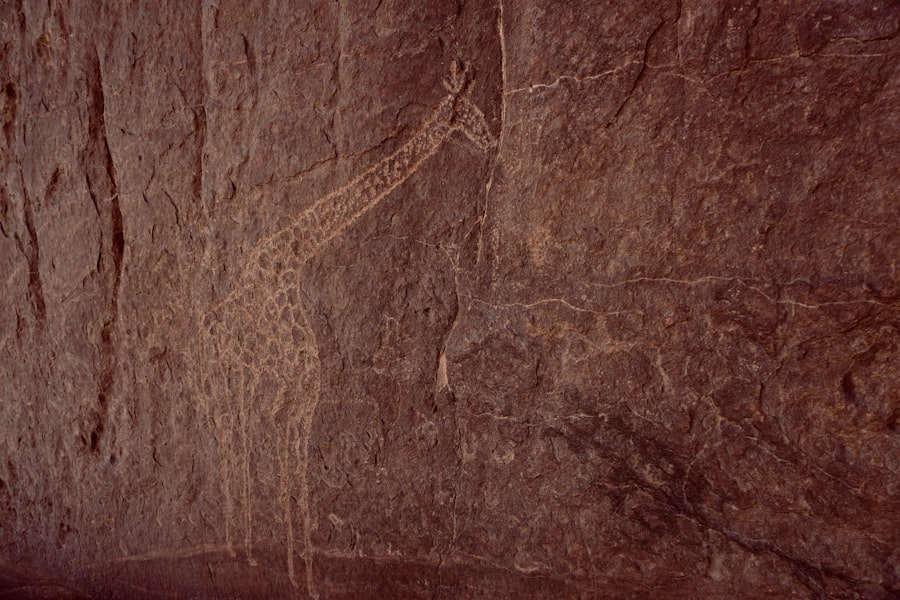
Much of African rock art is intimately connected to ritual, spirituality, and the sacredness of the landscape. The locations of rock art sites, the motifs depicted, and the act of creation itself all point to a deep engagement with the spiritual dimensions of life.
Shrines in Stone: Sacred Sites and Ritual Practices
Many rock art sites are not simply random locations but were chosen for their particular geographical features or perceived spiritual significance. Caves, overhangs, and rock shelters often provided both protection for the art and a sense of enclosure conducive to ritual. Cliffs overlooking water sources, prominent rock formations, or places associated with significant natural phenomena might have been considered sacred spaces. The art itself could have been created as part of ongoing rituals, such as shamanic ceremonies aimed at healing, divination, or ensuring good fortune. Engravings around waterholes, for instance, might have been intended to bless the water or invoke the spirits of aquatic life. Depictions of trance dancers or figures with exaggerated features are often interpreted as representations of shamans in altered states of consciousness, connecting with the spirit world.
Cosmology and Belief Systems: Portraying the Unseen
Rock art provides invaluable insights into the cosmological frameworks and belief systems of ancient African peoples. The relationships between humans, animals, and the natural world depicted in the art reflect a worldview where these elements were interconnected and imbued with spiritual significance. The presence of mythical creatures or beings with hybrid human-animal forms suggests a belief in a world populated by entities beyond ordinary human perception. Celestial bodies, such as the sun, moon, and stars, are sometimes depicted, hinting at an understanding of the cosmos and its influence on earthly life. The transmission of knowledge and cultural narratives through art was crucial for maintaining social cohesion and perpetuating these belief systems from one generation to the next.
The Artist as Shaman: The Creator’s Role
In many societies, the creation of rock art was likely the work of individuals with special spiritual or shamanic roles. These artists were not simply craftspeople but were seen as intermediaries between the human and spirit worlds. Their ability to create powerful and meaningful imagery was thought to be divinely inspired or a result of their shamanic journeys. The process of creating the art might have been accompanied by trance-inducing practices, chanting, or other rituals, blurring the lines between artistic creation and spiritual experience. The meticulous preparation of pigments, the careful selection of rock surfaces, and the time invested in creating these enduring images suggest a deep reverence for the artistic process and its sacred potential.
African rock art offers a fascinating glimpse into the continent’s rich cultural heritage and historical narratives. For those interested in exploring the broader context of ancient societies, a related article delves into the complexities of historical systems such as debt peonage, shedding light on the socio-economic structures that have shaped various cultures. You can read more about this intriguing topic in the article on uncovering ancient debt peonage systems. This connection highlights how art and economic practices intertwine to tell the stories of past civilizations.
Challenges of Interpretation and Preservation
| Region | Number of Sites | Estimated Age |
|---|---|---|
| Southern Africa | Over 15,000 | 10,000 years old |
| North Africa | Over 1,000 | 12,000 years old |
| East Africa | Over 6,000 | 5,000 years old |
Despite the rich insights that African rock art offers, its interpretation and preservation present significant challenges. The passage of time, the inherent subjectivity of art, and the threat of degradation all complicate our understanding and efforts to safeguard this invaluable heritage.
Bridging the Gap: The Elusiveness of Meaning
Interpreting the precise meaning of ancient rock art is a complex and ongoing endeavor. The absence of written records directly explaining the art means that scholars must rely on a variety of methods. These include ethnographic parallels, drawing comparisons with the beliefs and practices of contemporary or historically documented indigenous groups. Stylistic analysis helps to identify different artistic traditions and track changes over time. Archaeological context, such as the dating of associated artifacts, provides clues about the period and possible cultural affiliations. However, it is crucial to acknowledge that interpretations can be speculative, and there is often no single “correct” meaning. The artwork may have held multiple layers of significance for its creators, which are now lost to us.
The Silent Threat: Preservation and Conservation
African rock art faces numerous threats to its survival. Natural factors such as erosion caused by wind and rain, weathering, and the growth of lichens and mosses can gradually degrade the rock surface and obscure the imagery. Human activities also pose a significant risk. Vandalism, graffiti, and the unregulated tourism can cause direct damage. Mining, industrial development, and agricultural expansion can lead to the destruction or alteration of rock art sites. Climate change, with its potential for increased extreme weather events, also represents a growing concern for the long-term preservation of these fragile artworks. Effective conservation strategies, community involvement, and international collaboration are essential to protect these irreplaceable cultural treasures for future generations.
The Enduring Legacy of African Rock Art
As we continue to unveil and study the ancient creations of Africa’s rock art, their importance only grows. They are not merely relics of the past but vibrant, living testaments to the shared human experience, the ingenuity of our ancestors, and the enduring power of visual communication.
A Window to Our Origins: Understanding Humanity’s Journey
African rock art is an unparalleled resource for understanding the deep roots of human creativity, cognition, and cultural development. By studying these ancient artworks, we gain profound insights into the cognitive abilities of early humans, their capacity for abstract thought, and their complex social and spiritual lives. They provide a tangible connection to our ancestors, allowing us to trace the evolution of human expression and the emergence of artistic traditions that laid the groundwork for all subsequent art forms. The sheer perseverance and skill demonstrated by these ancient artists continue to inspire awe and a deep sense of connection to our shared human heritage.
A Source of Inspiration and Identity: Contemporary Relevance
The legacy of African rock art extends into the present day, serving as a powerful source of inspiration for contemporary artists, cultural practitioners, and communities across the continent. These ancient designs and narratives can inform modern artistic expressions, fostering a renewed appreciation for indigenous aesthetics and knowledge systems. For many African communities, rock art is an integral part of their cultural identity, connecting them to their ancestral past and reinforcing a sense of place and belonging. Efforts to document, preserve, and promote rock art also contribute to heritage tourism, providing economic benefits and fostering a deeper understanding and appreciation of Africa’s rich and diverse cultural landscape. The stories etched in stone continue to resonate, reminding us of the enduring human spirit and the universal drive to create, communicate, and leave a lasting mark on the world.

The Ancient World Buried Beneath the Sahara
FAQs
What is African rock art?
African rock art refers to the ancient and prehistoric drawings, paintings, and engravings found on rocks and cave walls across the African continent. These artworks are believed to date back thousands of years and are considered important cultural and historical artifacts.
Where is African rock art found?
African rock art can be found in various regions across the continent, including Southern Africa, East Africa, North Africa, and Central Africa. Some of the most well-known rock art sites are located in countries such as South Africa, Namibia, Zimbabwe, Algeria, and Tanzania.
What is the significance of African rock art?
African rock art provides valuable insights into the beliefs, lifestyles, and cultural practices of ancient African societies. It offers a glimpse into the artistic expressions, spiritual beliefs, and daily activities of the people who created these artworks. Additionally, it helps archaeologists and historians understand the history and development of human societies in Africa.
How old is African rock art?
The age of African rock art varies depending on the region and specific site. Some of the oldest rock art in Africa has been dated to over 10,000 years old, while more recent artworks may date back a few hundred years. The age of the rock art is determined through various dating techniques, including radiocarbon dating and analysis of associated archaeological materials.
What are the common themes depicted in African rock art?
Common themes depicted in African rock art include human figures, animals, hunting scenes, rituals, and symbols. These artworks often reflect the spiritual and cultural beliefs of the societies that created them, as well as their interactions with the natural environment. The diversity of themes and styles in African rock art reflects the rich and complex history of the continent.