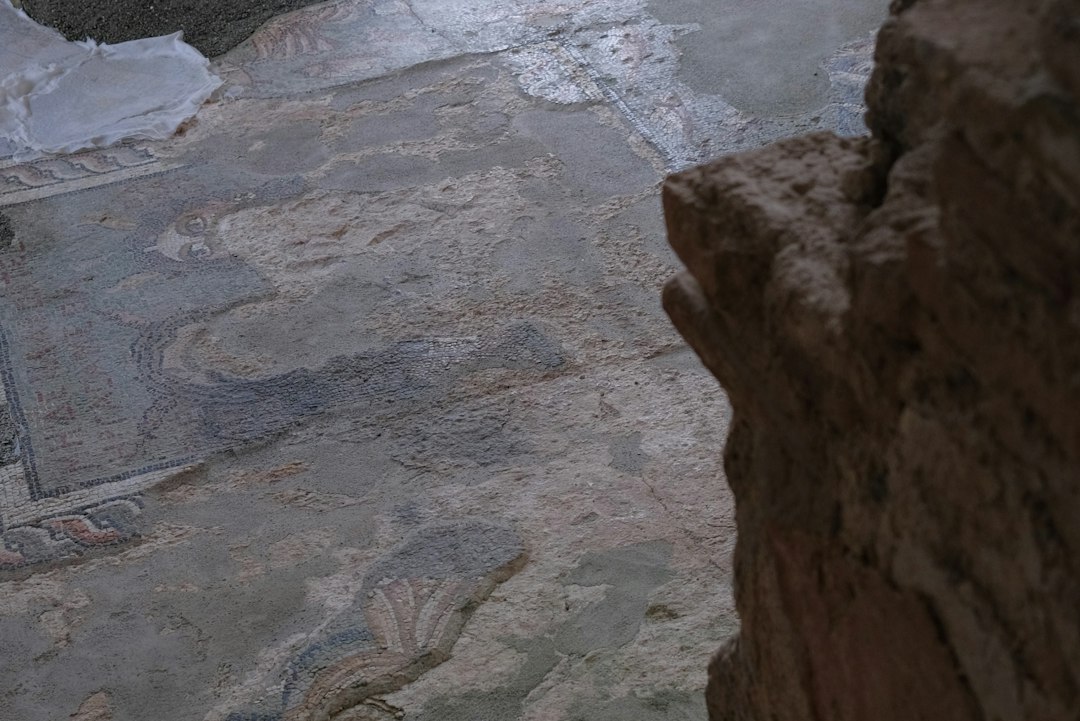
Unearthing the Past: How AI is Transforming Peruvian Archaeology
For millennia, the rugged landscapes of Peru have held secrets within their ancient soils. From the awe-inspiring citadel of Machu Picchu to the enigmatic Nazca Lines, the country is a treasure trove of pre-Columbian civilizations. Traditional archaeological methods, while invaluable, have often been time-consuming and labor-intensive, relying on painstaking excavation, manual mapping, and the careful analysis of fragmented artifacts. However, a new era of discovery is dawning in Peru, powered by the relentless march of artificial intelligence. AI is no longer a futuristic concept; it is an active participant in the archaeological process, revolutionizing how researchers identify, analyze, and interpret the remnants of Peru’s rich past, promising to unearth more than ever before.
Recent advancements in AI-assisted archaeological discovery in Peru have opened new avenues for understanding ancient civilizations. These technologies not only enhance the efficiency of excavations but also help in mapping previously inaccessible sites. For a deeper insight into how technology intersects with cultural heritage and the complexities of archaeological work in contested regions, you can explore the article on the geopolitical landscape at Navigating Contested Territories: A Complex Geopolitical Landscape.
The Dawn of Algorithmic Exploration: AI’s Role in Site Identification
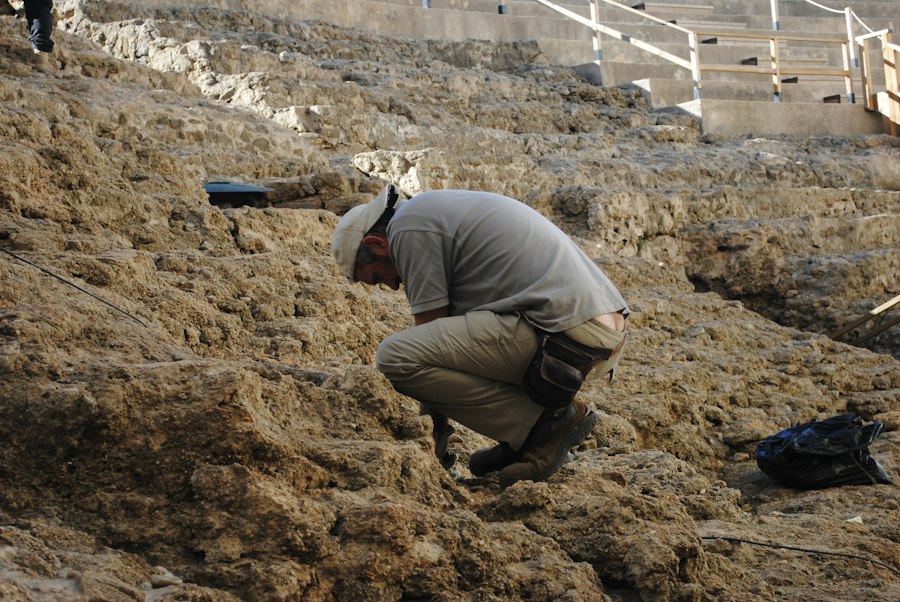
The sheer scale of Peru’s archaeological potential presents a significant challenge. Vast swathes of terrain, often remote and difficult to access, may conceal undiscovered settlements, ceremonial sites, and ancient roads. AI, particularly through machine learning algorithms trained on vast datasets, is proving to be an exceptionally powerful tool for identifying these hidden treasures from afar. This new capability is dramatically accelerating the initial stages of archaeological exploration, moving beyond serendipitous discoveries to a more systematic and data-driven approach.
Satellite Imagery and Lidar: The Digital Eyes of Archaeology
The advent of high-resolution satellite imagery and Light Detection and Ranging (Lidar) technology has already provided archaeologists with unprecedented views of the Peruvian landscape. Lidar, in particular, excels at penetrating dense vegetation, revealing subtle topographical anomalies that would otherwise remain hidden. AI takes this a significant step further. By analyzing patterns within this imagery, AI algorithms can detect features indicative of human activity that might be invisible to the human eye or even to standard analytical software. These patterns can include subtle geometric shapes suggesting ancient agricultural terraces, linear features representing old pathways or irrigation canals, and even slight depressions or mounds indicative of buried structures.
Predictive Modeling: Anticipating the Location of Lost Cities
Beyond simply identifying existing features, AI is beginning to engage in predictive modeling. Researchers can feed AI algorithms with data from known archaeological sites – their geographical context, soil types, proximity to water sources, and relationships to other settlements. The AI can then analyze vast, unexplored areas, looking for similar contextual clues. This allows archaeologists to prioritize areas for more intensive investigation, moving from a broad search to focused exploration in locations with a high probability of yielding significant findings. This predictive capability is crucial for efficiently allocating limited resources and directing fieldwork to areas most likely to contain undiscovered cultural heritage. The implications are immense, potentially leading to the identification of entire lost settlements or networks of sites that have remained unknown for centuries.
Deciphering the Past: AI in Artifact Analysis and Interpretation
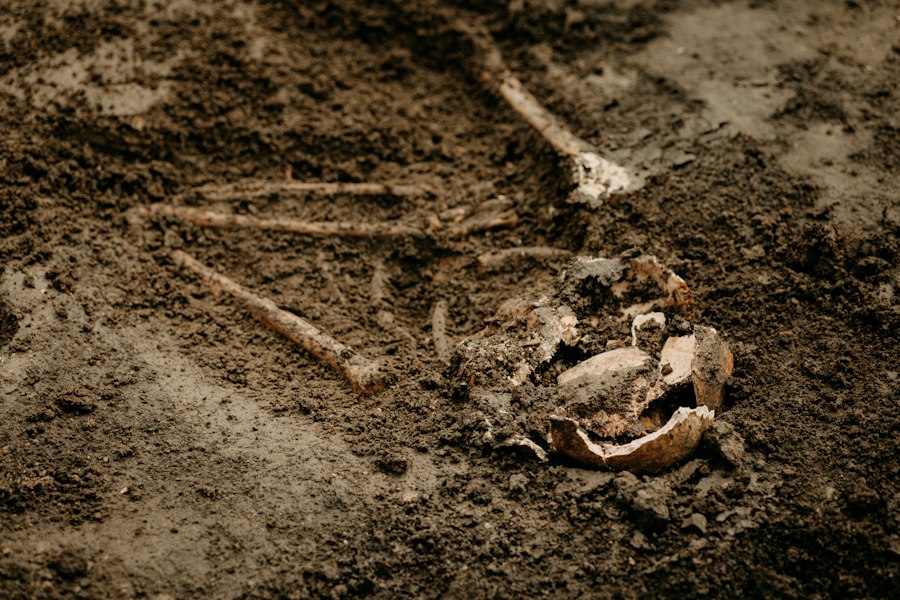
Once potential sites are identified and excavations commence, the sheer volume of recovered artifacts can be overwhelming. The meticulous process of cleaning, cataloging, and analyzing pottery shards, stone tools, textiles, and human remains traditionally requires immense human effort. AI is stepping in to streamline and enhance this process, offering new avenues for interpretation and revealing connections that might otherwise be missed.
The Power of Pattern Recognition: Automating Ceramic Typology
Ceramics are often the most abundant artifacts recovered from archaeological sites, providing crucial insights into trade networks, technological development, and cultural affiliations. Identifying and classifying pottery styles (typology) has historically been a highly specialized and time-consuming task. AI-powered image recognition algorithms, trained on extensive databases of known ceramic types, can now rapidly analyze and categorize newly discovered pottery fragments with remarkable accuracy. This not only speeds up the cataloging process but can also identify subtle variations in style or decoration that might indicate different workshops, chronological periods, or even distinct cultural groups. By automating this aspect, archaeologists can dedicate more time to the higher-level interpretive work.
Reconstructing Fragments: Virtual Reconstruction of Broken Objects
The fragmented nature of many archaeological finds presents a significant challenge to understanding their original form and function. AI, particularly through advanced computer vision and 3D modeling techniques, is enabling virtual reconstruction of broken objects. Algorithms can analyze the shape, texture, and even the fracture patterns of individual fragments and digitally piece them together. This not only helps in visualizing complete artifacts but can also reveal the tools and techniques used in their creation and breakage. Imagine a shattered ancient pot being virtually reassembled, revealing its original intricate design or the story of its demise, offering a tangible link to the past that was once inaccessible. This is particularly relevant for understanding the craftsmanship and artistic expression of ancient Peruvian cultures.
Unlocking Textual Clues: AI and Ancient Scripts
While Peru is renowned for its material culture, the absence of a widespread alphabetic writing system among many of its major civilizations presents unique challenges for understanding their history and beliefs. However, for cultures that did develop forms of record-keeping, such as the Inca with their quipu (knotted string recording devices), AI offers potential avenues for decipherment. Researchers are exploring AI to identify recurring patterns in quipu knotting sequences, potentially correlating them with known historical events or administrative data. While still in its nascent stages for systems like quipu, the success of AI in deciphering other ancient scripts globally offers hope for unlocking new dimensions of understanding for Peru’s past.
Beyond the Dig: AI in Landscape Archaeology and Environmental Reconstruction
Archaeological discovery is not confined to individual artifacts or structures. Understanding how ancient societies interacted with their environment, how they shaped landscapes, and how those landscapes have changed over time is crucial for a holistic picture. AI is proving invaluable in analyzing these broader patterns.
Mapping Ancient Infrastructure: Roads, Canals, and Terraces
Many ancient Peruvian civilizations were masters of landscape engineering, constructing extensive networks of roads, sophisticated irrigation systems, and vast agricultural terraces. AI can analyze Lidar data and historical maps to identify and map these complex infrastructures with unprecedented detail. By detecting subtle changes in elevation and vegetation patterns, AI can trace the routes of ancient roads that have long since been overgrown, or delineate the intricate systems of canals that sustained their agricultural practices. This provides a clearer understanding of the scale and organization of these societies and their impact on the environment. The ability to visualize these interconnected systems allows researchers to understand the logistical and economic underpinnings of these ancient states.
Understanding Climate and Agriculture: Paleoclimate Reconstruction
The success of ancient Peruvian civilizations was intrinsically linked to their ability to adapt to and utilize their diverse and often challenging environments. AI can assist in reconstructing past climates by analyzing proxy data from ice cores, sediment layers, and fossilized pollen. By identifying correlations between environmental indicators and known historical periods, AI can help paint a picture of past climate conditions, rainfall patterns, and temperature fluctuations. This information is vital for understanding agricultural practices, settlement patterns, and the resilience of these societies to environmental change, offering crucial lessons for modern climate adaptation strategies.
Recent advancements in AI-assisted archaeological discovery in Peru have opened new avenues for understanding ancient civilizations and their environmental contexts. Researchers are utilizing machine learning algorithms to analyze vast datasets, uncovering patterns that were previously overlooked. This innovative approach not only enhances our knowledge of historical migration patterns but also sheds light on how environmental changes influenced these communities. For a deeper exploration of the impact of environmental migration on communities, you can read more in this insightful article on environmental migration.
Preserving Peru’s Heritage: AI in Conservation and Digital Archiving
| Metric | Value | Description |
|---|---|---|
| Number of Sites Discovered | 150+ | Archaeological sites identified using AI-assisted remote sensing and satellite imagery in Peru |
| AI Model Accuracy | 92% | Accuracy of AI algorithms in detecting potential archaeological features from aerial data |
| Data Sources | Satellite Imagery, LIDAR, Drone Surveys | Types of data inputs used for AI analysis in archaeological discovery |
| Time Reduction in Site Identification | 70% | Reduction in time taken to identify sites compared to traditional methods |
| Collaborating Institutions | 5 | Number of research institutions and universities involved in AI-assisted archaeology projects in Peru |
| Area Covered | 10,000+ sq km | Geographical area surveyed using AI technologies for archaeological purposes |
| Artifacts Predicted | 300+ | Estimated number of artifacts identified or predicted by AI models for further excavation |
The rapid pace of discovery in Peru, coupled with the ever-present threat of erosion, looting, and environmental degradation, necessitates effective methods for preservation and documentation. AI is emerging as a critical ally in these efforts, ensuring that the invaluable heritage of Peru is protected for future generations.
Digital Twins: Creating Virtual Replicas of Heritage Sites
The concept of “digital twins” – highly detailed, three-dimensional digital replicas of physical sites – is being revolutionized by AI. Using photogrammetry and laser scanning, combined with AI-driven data processing, researchers can create incredibly accurate virtual models of archaeological sites, including Machu Picchu and smaller, more remote ruins. These digital twins serve multiple purposes: they provide an invaluable record for research and analysis, allow for virtual tourism and education, and, crucially, can be used to monitor changes and degradation over time. AI can analyze sequential scans of a site to detect subtle shifts in structural integrity or erosion patterns, alerting conservators to potential problems before they become critical. This is a powerful tool for proactive preservation.
Democratizing Access: AI-Powered Digital Archives and Virtual Museums
Historically, access to archaeological data and artifacts has been limited to researchers and institutions. AI is helping to democratize this access. By leveraging AI for object recognition, metadata generation, and intelligent search functionalities, large digital archives of Peruvian artifacts and site data can be made searchable and accessible to a global audience. This fosters greater public engagement, facilitates collaborative research, and allows individuals worldwide to explore Peru’s rich cultural heritage through virtual museums and interactive online platforms. This increased accessibility can foster a greater sense of global stewardship for these irreplaceable treasures.
The Future is Now: Ethical Considerations and Future Directions
As AI becomes increasingly integrated into archaeological practices in Peru, it is imperative to consider the ethical implications and to chart a responsible course for its future application. While the potential benefits are immense, challenges and considerations remain.
Collaborative AI: Human Expertise Meets Algorithmic Power
It is crucial to emphasize that AI is not a replacement for human archaeologists. Instead, it is a powerful augmentative tool that enhances their capabilities. The most successful applications of AI in Peruvian archaeology will likely involve a deep collaboration between human experts and AI systems. Archaeologists provide the contextual knowledge, the interpretive framework, and the critical judgment necessary to guide AI analysis and to understand its outputs. The AI, in turn, can process vast amounts of data, identify subtle patterns, and perform tasks that would be impossible or prohibitively time-consuming for humans alone. This symbiotic relationship promises the most significant breakthroughs.
Data Ownership and Indigenous Knowledge
As AI-driven archaeological research expands, questions of data ownership, intellectual property, and the role of indigenous communities in the interpretation and stewardship of their heritage become paramount. It is essential to ensure that AI technologies are developed and deployed in ways that respect the rights and knowledge of Peru’s indigenous populations. Collaborative approaches that prioritize co-creation and shared decision-making will be vital for ensuring ethical and equitable outcomes. Furthermore, robust frameworks for data governance and access must be established to prevent the exploitation of cultural heritage.
The Ongoing Quest: Unlocking More Secrets
The AI revolution in Peruvian archaeology is still in its early stages, with vast untapped potential. As AI algorithms become more sophisticated, and as researchers gather more data, we can expect even more profound discoveries. From identifying previously unknown Inca settlements to deciphering the intricacies of their social structures and understanding the daily lives of their people, AI is poised to unlock a new chapter in our understanding of this remarkable civilization. The arid deserts, the cloud forests, and the towering Andes still hold countless stories waiting to be told, and AI is proving to be an indispensable partner in our ongoing quest to unearth them. The future of archaeological discovery in Peru, powered by artificial intelligence, promises to be more exciting and illuminating than ever before.
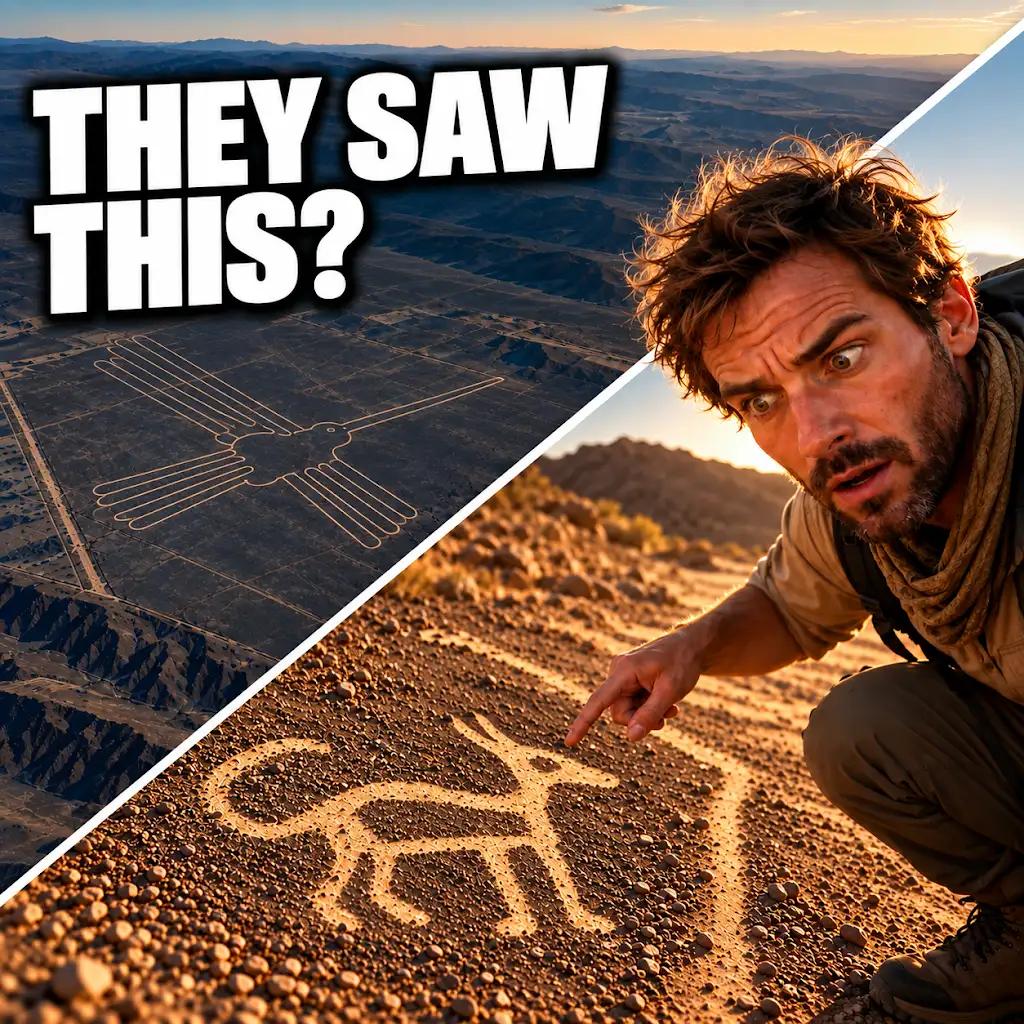
AI Found New Nazca Drawings—Could People See Them from the Ground?
FAQs
What is AI assisted archaeological discovery in Peru?
AI assisted archaeological discovery in Peru refers to the use of artificial intelligence technology to analyze data and assist archaeologists in uncovering and interpreting ancient artifacts, structures, and civilizations in Peru.
How does AI assist in archaeological discovery in Peru?
AI assists in archaeological discovery in Peru by processing large amounts of data, such as satellite imagery, LiDAR scans, and historical records, to identify potential archaeological sites, patterns, and anomalies that may not be easily visible to the human eye.
What are the benefits of using AI in archaeological discovery in Peru?
The benefits of using AI in archaeological discovery in Peru include the ability to survey large areas quickly and efficiently, identify hidden or buried archaeological sites, and gain new insights into ancient civilizations and cultures that may have been previously unknown.
Are there any limitations to using AI in archaeological discovery in Peru?
Some limitations of using AI in archaeological discovery in Peru include the potential for errors in data analysis, the need for human interpretation and validation of AI-generated results, and the challenges of integrating AI technology with traditional archaeological methods and practices.
What are some examples of AI assisted archaeological discoveries in Peru?
Some examples of AI assisted archaeological discoveries in Peru include the identification of new Nazca lines, the mapping of ancient Inca road networks, and the discovery of hidden tombs and settlements in the Andean region.