AI Unearths Nazca Geoglyphs
Echoes from the Desert Floor
The stark, arid plains of the Nazca Desert in southern Peru have long held a silent, enigmatic allure. For centuries, the sprawling geoglyphs etched into the earth by the ancient Nazca civilization have captivated archaeologists, historians, and curious minds alike. These colossal figures – birds, monkeys, spiders, and abstract lines stretching for miles – have been observed from the sky, hinting at a sophisticated understanding of astronomy and ritual. Yet, despite decades of study, many of these ancient earthworks remained hidden, their forms too subtle or too deeply buried to be readily apparent to human eyes, even from above. The sheer scale of the Nazca Lines, coupled with the vastness of the desert, presented an immense challenge to comprehensive discovery. Traditional methods of surveying and aerial observation, while invaluable, were limited by their capacity to meticulously scrutinize every inch of the landscape. This is where the transformative power of artificial intelligence has begun to rewrite our understanding of this ancient marvel. AI, with its unparalleled ability to process vast datasets and identify subtle patterns, is proving to be an indispensable tool, not just for deciphering what we can see, but for uncovering what has been lost to time and terrain. The recent breakthroughs in AI’s application to the Nazca geoglyphs are not merely an incremental step; they represent a paradigm shift in archaeological exploration, promising to reveal a richer, more complex tapestry of Nazca culture than ever before imagined.
Recent advancements in artificial intelligence have led to the remarkable discovery of previously unseen Nazca geoglyphs in Peru, shedding new light on the ancient civilization that created them. This innovative use of technology not only enhances our understanding of historical cultures but also raises intriguing questions about the intersection of modern techniques and archaeological research. For further insights into how contemporary developments are reshaping global dynamics, you can read about the impact of nearshoring on global trade frameworks in this related article: The Impact of Nearshoring on Global Trade Frameworks.
The Algorithm’s Gaze: AI’s Approach to Pattern Recognition
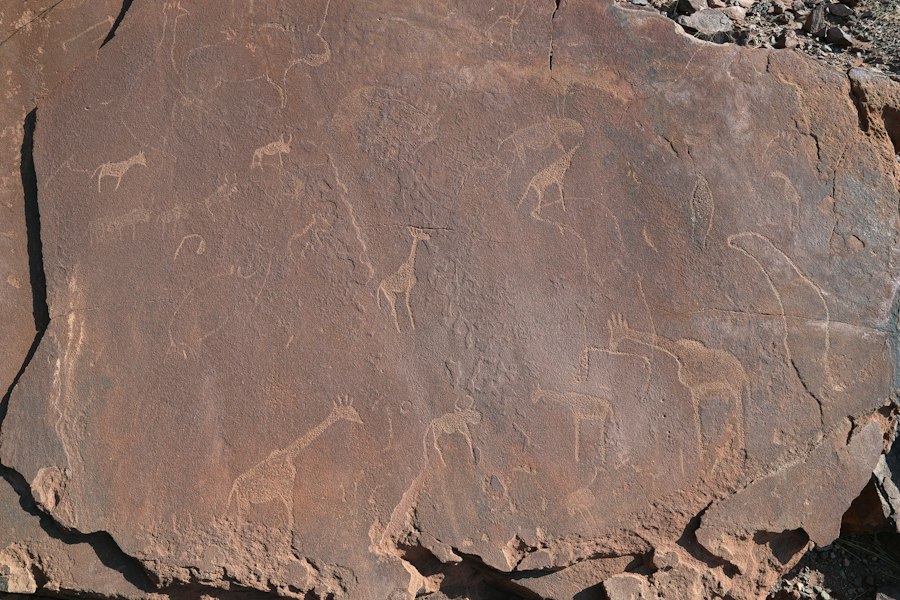
The application of artificial intelligence to the study of the Nazca geoglyphs is fundamentally rooted in its advanced pattern recognition capabilities. Unlike human observers who might be overwhelmed by the sheer volume of data or miss minute anomalies, AI algorithms can process massive amounts of visual information – from satellite imagery and drone footage to historical aerial photographs – with remarkable speed and precision. These algorithms are trained on datasets that include known geoglyphs, allowing them to learn the characteristic features, textures, and topographical signatures associated with these ancient designs. This training enables them to identify subtle variations in the desert surface that might indicate the presence of a buried or degraded geoglyph. The process typically involves sophisticated image processing techniques, where the AI analyzes differences in soil color, vegetation patterns, and subtle changes in elevation that might be indicative of human intervention from millennia ago.
Deep Learning and Image Analysis
At the heart of these AI-driven discoveries lies deep learning, a subset of machine learning that utilizes artificial neural networks with multiple layers to learn from data. These networks are designed to mimic the human brain’s ability to process information in a hierarchical manner, progressively extracting more complex features from raw data. In the context of the Nazca geoglyphs, this means the AI can first identify basic edges and textures, then combine these to recognize shapes, and finally interpret these shapes as potential ancient designs. The sheer scale of the Nazca plateau, encompassing hundreds of square kilometers, makes manual analysis impractical, if not impossible. Deep learning models can systematically scan this vast area, flagging any anomalies that match pre-defined criteria for geoglyphs, whether they are visible as faint indentations, subtle color differences in the soil, or even faint outlines formed by changes in micro-vegetation. The AI’s “gaze” is relentless and objective, free from human fatigue or bias, allowing for a more thorough and systematic exploration of the archaeological landscape.
Identifying Subtleties Beyond Human Perception
What makes AI particularly revolutionary in this field is its capacity to detect features that are often invisible to the naked eye, even to trained archaeologists. Centuries of erosion, windblown sand deposition, and natural geological processes can degrade geoglyphs to a point where they are barely discernible. However, AI algorithms, when fed with high-resolution imagery and subjected to advanced analysis, can pick up on incredibly subtle variations in the desert surface. These can include minute changes in soil composition, slight depressions or elevations that are only detectable through sophisticated spectral analysis, or even patterns in the distribution of desert varnish that might indicate an underlying design. For example, an AI might be trained to recognize the specific way in which soil has been disturbed and re-deposited to form a line or a curve, even if that disturbance is now only a few centimeters deep or has been partially covered by a thin layer of sand. This ability to perceive the nearly imperceptible is what allows AI to unearth geoglyphs that have remained hidden for generations, expanding our understanding of the sheer number and diversity of Nazca creations.
Unveiling the Hidden Designs: New Discoveries Powered by AI
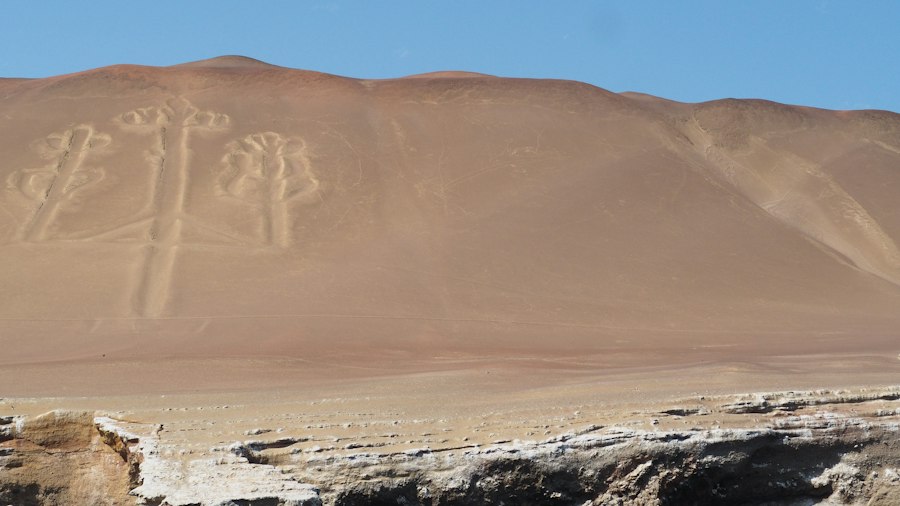
The impact of AI on the discovery of Nazca geoglyphs has been nothing short of transformative, leading to the identification of numerous previously unknown figures and patterns. These discoveries are not just adding to an existing inventory; they are reshaping our understanding of the Nazca culture’s artistic repertoire and their relationship with the landscape. The AI’s ability to sift through vast archives of satellite imagery and conduct rapid analyses has accelerated the pace of discovery significantly, moving beyond what was previously achievable through traditional survey methods.
Expanding the Catalog of Known Figures
AI systems, trained on the visual characteristics of known Nazca geoglyphs, have been instrumental in identifying new figures that were previously overlooked. These newly discovered designs often exhibit characteristics that are similar to known examples but differ in their specific form or orientation. For instance, AI might identify a new bird effigy with a slightly different wing posture or a distinct head shape, or a novel primate figure with a unique tail configuration. The algorithms are capable of recognizing these variations by analyzing pixel patterns, textural similarities, and topological features within the landscape. This has led to a more comprehensive catalog of Nazca artistry, revealing a greater range of their symbolic representations and potentially different regional styles or thematic variations. Each new discovery adds another piece to the intricate puzzle of Nazca iconography, providing fresh material for interpretation and analysis by researchers.
Revealing Designs of Different Scales and Eras
One of the most exciting aspects of AI’s contribution is its ability to uncover geoglyphs of varying scales and potentially different periods of creation. While many well-known geoglyphs are massive, designed to be appreciated from high altitudes, AI can also identify smaller, more intricate designs that might have been intended for terrestrial observation or served different purposes. Furthermore, AI’s analytical power can help differentiate between various layers of creation. By analyzing subtle differences in soil disturbance, erosion patterns, and the presence of overlying or underlying features, AI can potentially distinguish between geoglyphs created at different times by the Nazca people, or even by earlier or later cultures that inhabited the region. This has the potential to create a chronological map of geoglyph creation, offering invaluable insights into the evolution of Nazca culture and their landscape practices over time. For example, an AI might detect a faint, older design beneath a more prominent, later one, indicating a palimpsest of earth art that has been layered over centuries.
The Significance of Micro-Geoglyphs and Subtle Patterns
Beyond the grand figures, AI is proving adept at identifying what can be termed “micro-geoglyphs” or subtle patterns that might not be considered full-fledged figures but still represent deliberate human modification of the landscape. These could be simple linear arrangements, geometric shapes, or even arrangements of stones that, when viewed collectively through AI analysis, reveal a deliberate design. The AI’s ability to analyze high-resolution imagery at a granular level allows it to detect these subtler modifications that might have been dismissed as natural formations by human observers. The presence of these micro-geoglyphs suggests a more pervasive and perhaps utilitarian use of earth art by the Nazca people, going beyond the monumental and iconic. They might have served as markers, navigational aids, or even as part of ritualistic pathways that are not immediately obvious from a distance. This expands the definition of what constitutes a geoglyph and reveals a more nuanced relationship between the Nazca people and their environment.
Contextualizing the Discoveries: AI’s Role in Interpretation
The identification of new geoglyphs by AI is only the first step; the true value lies in how these discoveries are integrated into our broader understanding of Nazca culture. Artificial intelligence is not merely a tool for discovery; it is increasingly becoming an aid in the interpretation and contextualization of these ancient earthworks. By analyzing the spatial relationships between newly found geoglyphs, their proximity to known sites, and their alignment with celestial bodies, AI can help archaeologists formulate new hypotheses and refine existing ones.
Spatial Analysis and Site Correlation
AI-powered spatial analysis tools can take the coordinates of newly discovered geoglyphs and overlay them with existing archaeological data. This allows researchers to identify significant spatial patterns that might have been missed through manual mapping. For example, an AI might reveal that a cluster of newly found monkey figures is located in close proximity to a known ceremonial center, suggesting a specific ritualistic function for that area. Similarly, the AI can analyze the density and distribution of geoglyphs within specific zones, potentially identifying areas of intense artistic activity or specialized production. This systematic correlation of new discoveries with known settlements, burial grounds, and other archaeological features provides crucial context, helping to paint a more complete picture of how the Nazca people lived, worshipped, and interacted with their landscape.
Astronomical Alignments and Calendar Theories
The Nazca geoglyphs have long been theorized to have astronomical significance, with many figures aligning with solstices, equinoxes, and other celestial events. AI can significantly enhance the precision of these analyses. By processing precise geographical data and astronomical ephemerides, AI can calculate potential alignments with far greater accuracy than manual methods. This allows researchers to test new hypotheses about the function of the geoglyphs as sophisticated astronomical calendars or observatories. For instance, an AI could identify a newly discovered line that, when projected, points directly to the rising position of a specific star during a particular season, strengthening the argument for its use in tracking time or predicting agricultural cycles. This capability is crucial for understanding the Nazca people’s advanced knowledge of the cosmos and their integration of celestial observations into their daily lives and spiritual practices.
Linking Artistry to Social and Ritual Practices
The ultimate goal of archaeological research is to understand the people who created the artifacts. AI, by uncovering more geoglyphs and analyzing their spatial distribution and potential alignments, can provide vital clues about the social and ritualistic practices of the Nazca civilization. For instance, if AI identifies a series of interconnected lines leading from a residential area to a newly discovered animal figure, it could suggest a procession route or a ritualistic journey. The discovery of numerous geoglyphs in areas associated with water sources might indicate their role in water-related rituals or agricultural ceremonies. By correlating the presence and style of geoglyphs with other archaeological evidence, such as pottery styles or burial practices, AI can help researchers move beyond mere description and begin to infer the complex social structures, belief systems, and spiritual motivations that drove the creation of these monumental artworks.
Recent advancements in artificial intelligence have led to the remarkable discovery of previously unseen Nazca geoglyphs in Peru, shedding light on the ancient civilization that created them. This groundbreaking research not only enhances our understanding of these enigmatic figures but also opens up new avenues for archaeological exploration. For those interested in uncovering more mysteries of ancient maps and their implications, a fascinating article discusses the Piri Reis map and its connections to historical enigmas. You can read more about it here.
The Future of Archaeological Exploration: AI as a Collaborative Partner
| Metric | Value | Description |
|---|---|---|
| Number of New Geoglyphs Discovered | 143 | New Nazca geoglyphs identified using AI analysis |
| Total Known Nazca Geoglyphs | 300+ | Previously documented geoglyphs before AI discovery |
| AI Model Used | Convolutional Neural Network (CNN) | Type of AI algorithm applied for image recognition |
| Data Source | Satellite Imagery | High-resolution images analyzed by AI |
| Area Covered | 450 square kilometers | Region of Nazca desert analyzed for geoglyph detection |
| Detection Accuracy | 95% | AI model’s accuracy in identifying geoglyph patterns |
| Time Saved | Months | Reduction in time for geoglyph discovery compared to manual methods |
The integration of AI into the study of the Nazca geoglyphs is not a harbinger of human archaeologists becoming obsolete. Instead, it signifies a powerful collaboration, where AI serves as an indispensable tool, augmenting human expertise and expanding the horizons of discovery. The future of archaeological exploration, particularly in vast and complex sites like Nazca, will undoubtedly be a partnership between human intuition and AI’s analytical might.
Enhanced Fieldwork and Data Management
Looking ahead, AI is poised to revolutionize fieldwork itself. Drones equipped with AI-powered imaging systems can conduct autonomous surveys, identifying potential geoglyph sites for human archaeologists to investigate further. AI can also assist in real-time data processing during excavations, helping to identify and categorize artifacts with unprecedented efficiency. Furthermore, AI-powered databases will allow for more sophisticated management and querying of vast archaeological datasets, making it easier to cross-reference information and identify hidden connections between different sites and discoveries. This will streamline the entire research process, from initial survey to final publication.
Predictive Modeling and Preservation Strategies
Beyond discovery, AI can play a critical role in the preservation of these fragile ancient sites. By analyzing environmental data, historical erosion patterns, and the geological composition of the Nazca plateau, AI can help predict areas that are most vulnerable to degradation. This predictive modeling can inform targeted preservation efforts, allowing authorities to focus resources on the most critical areas and implement appropriate conservation strategies. AI can also assist in monitoring the condition of existing geoglyphs, identifying subtle changes that might indicate a need for intervention before significant damage occurs. This proactive approach is essential for safeguarding these invaluable cultural heritage sites for future generations.
Democratizing Archaeological Knowledge
Finally, AI has the potential to democratize access to archaeological knowledge. By developing user-friendly AI interfaces, researchers and even the general public could engage with the vast datasets of Nazca geoglyphs, exploring the discoveries and contributing to ongoing research through citizen science initiatives. Imagine AI-powered virtual tours that can highlight newly unearthed geoglyphs or educational platforms that allow users to virtually “uncover” their own discoveries. This widespread engagement can foster a deeper appreciation for these ancient wonders and inspire future generations of archaeologists and heritage stewards. The ongoing partnership between humans and AI promises to unlock even more of the Nazca Desert’s secrets, transforming our understanding of this ancient civilization and shaping the future of archaeological discovery.
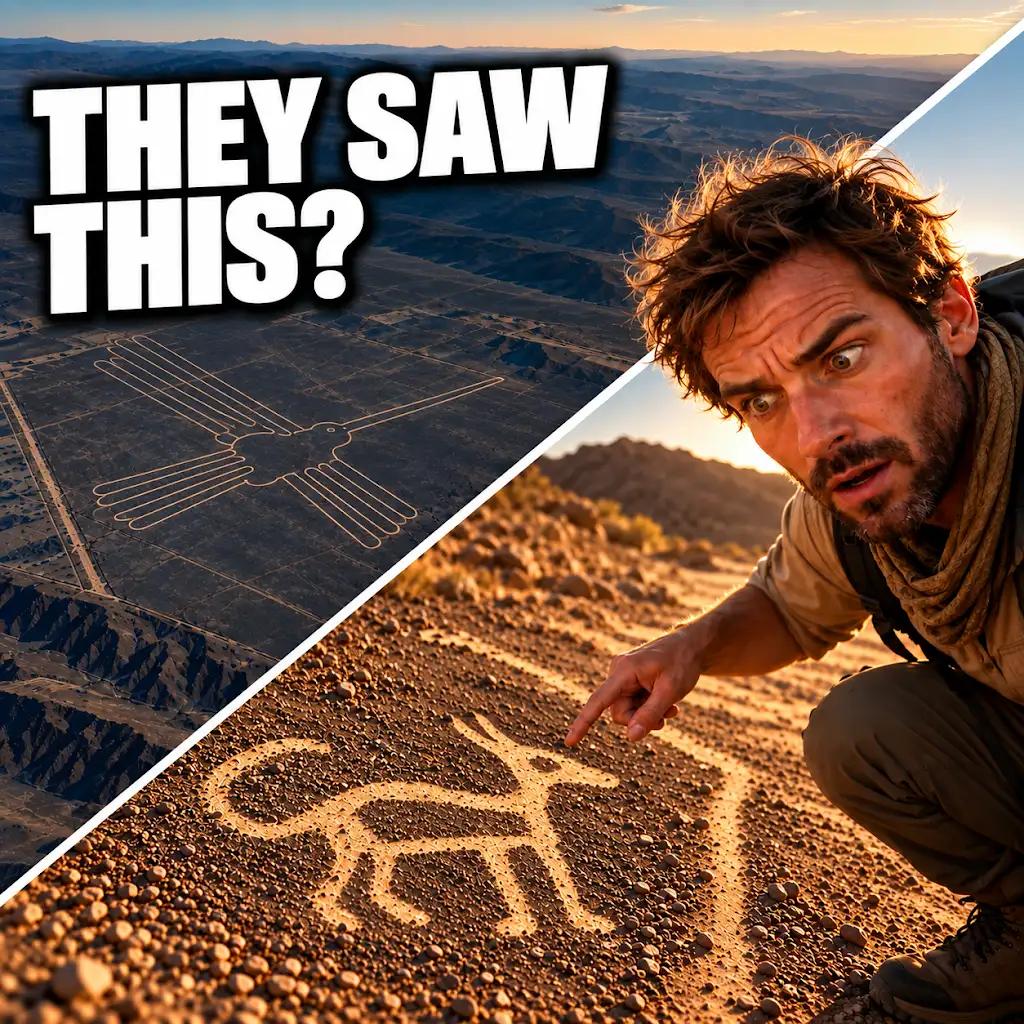
AI Found New Nazca Drawings—Could People See Them from the Ground?
FAQs
What are the Nazca geoglyphs?
The Nazca geoglyphs are large ancient designs created on the ground in the Nazca Desert in southern Peru. They are believed to have been made by the Nazca people between 500 BCE and 500 CE.
How were the Nazca geoglyphs discovered by AI?
AI technology, specifically machine learning algorithms, was used to analyze high-resolution satellite images of the Nazca Desert. The AI was able to identify previously undiscovered geoglyphs by recognizing patterns and shapes that were not easily visible to the human eye.
What is the significance of the newly discovered Nazca geoglyphs?
The newly discovered Nazca geoglyphs provide valuable insights into the ancient Nazca culture and their artistic practices. They also contribute to our understanding of the purpose and meaning behind these mysterious designs.
How many new geoglyphs were discovered by AI?
The AI technology identified over 140 new geoglyphs in the Nazca Desert. These newly discovered geoglyphs vary in size and complexity, adding to the rich tapestry of ancient artwork in the region.
What is the importance of using AI in archaeological research?
AI technology has revolutionized archaeological research by enabling researchers to analyze vast amounts of data quickly and accurately. In the case of the Nazca geoglyphs, AI has helped uncover new discoveries that may have otherwise gone unnoticed, shedding light on the ancient civilization that created them.