The Amazon Rainforest, a vast and vibrant expanse of life, pulsed with an intensity and complexity long before the arrival of European explorers. For millennia, it was not a wild, untamed wilderness, but a meticulously managed and deeply understood human landscape. Indigenous peoples, numbering in the millions and speaking hundreds of languages, had woven themselves into the very fabric of this colossal ecosystem, their societies sophisticated, their knowledge profound, and their impact both significant and sustainable. To envision the Amazon before 1492 is to peel back layers of colonial myth and appreciate a world shaped by human ingenuity and a deep, reciprocal relationship with nature.
Flourishing Societies and Diverse Cultures
The pre-Columbian Amazon was far from a sparsely populated void. Archaeological evidence, coupled with historical accounts from early European encounters, paints a picture of a region teeming with life, not just in terms of biodiversity, but also human population density and cultural richness. Estimates vary, but scholars suggest that anywhere from 5 to 10 million people, and possibly more, inhabited the Amazon basin prior to European arrival. These populations were not static or monolithic; they comprised a multitude of distinct ethnic groups, each with their own unique languages, social structures, belief systems, and technological adaptations.
The Scale of Human Presence
The sheer scale of human occupation is a revelation that has steadily emerged from decades of research. For a long time, the prevailing narrative was that the Amazon’s soil was too poor and its environment too challenging to support large, settled populations. This misconception, often rooted in a desire to justify colonial expansion, has been systematically dismantled. The presence of vast geoglyphs, earthworks, and raised agricultural fields, visible from aerial surveys, provides undeniable evidence of extensive human engineering and land management. These structures speak to societies capable of mobilizing significant labor and organizing complex logistical undertakings. The distribution of these sites suggests a patterned settlement across the landscape, following riverine arteries and strategically chosen elevated areas.
Linguistic Diversity and Cultural Connections
The linguistic tapestry of the pre-Columbian Amazon was astonishingly rich. Hundreds of distinct languages, belonging to numerous language families, were spoken across the basin. This linguistic diversity is a powerful indicator of the long history of human settlement and the independent development of numerous distinct cultural traditions. While isolated, these groups were not necessarily culturally fragmented. Trade networks, often facilitated by the extensive river systems, fostered inter-group communication, exchange of goods, and the diffusion of ideas and technologies. Ceremonies, religious practices, and mythologies often shared common threads, suggesting a shared cosmological understanding that transcended immediate tribal boundaries.
Social Structures and Governance
The social and political organization of Amazonian societies was remarkably varied, ranging from small, mobile bands to larger, more complex chiefdoms and even proto-states. While the concept of centralized empires akin to those in the Andes or Mesoamerica might not have been widespread, leadership roles and forms of governance certainly existed. Chiefs, shamans, and elders played crucial roles in decision-making, resource management, and dispute resolution. The authority of leaders was often derived from their spiritual power, their oratorical skills, their knowledge of the environment, or their ability to distribute resources. Archaeological evidence of large communal houses, fortifications, and public spaces further suggests the existence of more organized, sedentary societies with shared communal spaces and potentially hierarchical structures.
Before European contact, the Amazon rainforest was home to a rich tapestry of indigenous cultures, each with its own unique practices and knowledge of the land. These societies thrived in harmony with the diverse ecosystems, utilizing the abundant resources while maintaining a sustainable relationship with nature. A fascinating exploration of historical maps and their implications can be found in the article “Uncovering Ancient Mysteries: Piri Reis Map and Charles Hapgood,” which delves into the complexities of ancient navigation and cartography. For more insights, you can read the article here: Uncovering Ancient Mysteries.
Sophisticated Resource Management and Agriculture
Contrary to the image of a pristine, untouched wilderness, the pre-Columbian Amazon was a highly managed landscape, a testament to the deep ecological knowledge of its inhabitants. Indigenous peoples were not merely passive recipients of nature’s bounty; they were active participants in shaping and sustaining the ecosystem. Their agricultural practices, forest management techniques, and understanding of ecological relationships were remarkably sophisticated and adapted to the specific conditions of the Amazon.
Terra Preta: The Black Earth of Abundance
Perhaps the most striking evidence of this sophisticated management is the widespread presence of “terra preta,” or Amazonian Dark Earths. These nutrient-rich soils, created by indigenous peoples through the deliberate addition of charcoal, pottery shards, animal bones, and organic waste, are significantly more fertile than the surrounding leached soils. The creation of terra preta was a long-term strategy that allowed for sustained, intensive agriculture in areas that would otherwise struggle to support large populations. This invention not only increased food production but also fundamentally altered the landscape, creating patches of enhanced fertility that supported diverse plant and animal life. The extent of terra preta sites suggests a substantial and sustained human impact on the soil, transforming it into a valuable and productive resource.
Polyculture and Sustainable Farming
Indigenous agricultural systems were characterized by a deep understanding of plant relationships and ecological interactions. They practiced complex forms of polyculture, cultivating a diverse range of crops in close proximity. This approach, unlike monoculture, offered numerous benefits: it reduced the risk of crop failure due to pests or diseases, improved soil health through nitrogen fixation and nutrient cycling, and provided a more balanced and resilient food supply. Staple crops included manioc (cassava), maize (corn), sweet potatoes, beans, and a variety of fruits and nuts. They also developed sophisticated techniques for managing wild edible and medicinal plants, understanding their life cycles and propagation methods.
Agroforestry and Forest Gardens
Beyond cultivated fields, indigenous peoples actively managed forest resources through sophisticated agroforestry practices. They created “forest gardens,” intentionally cultivating useful trees, palms, and other plants within the existing forest structure. This allowed them to harvest fruits, nuts, medicines, and building materials without resorting to large-scale deforestation. These managed forests were not simply collections of individual useful species; they were dynamic ecosystems that mimicked natural forest processes while providing a sustained yield for human use. The knowledge of which species to cultivate, where to plant them, and how to manage their growth was passed down through generations, demonstrating a profound understanding of forest ecology.
Technological Ingenuity and Environmental Adaptation
The pre-Columbian Amazonian peoples developed a range of technologies that were both ingenious and perfectly suited to their environment. These innovations allowed them to thrive in a challenging yet resource-rich landscape, demonstrating a remarkable ability to adapt and innovate.
Riverine Navigation and Transportation
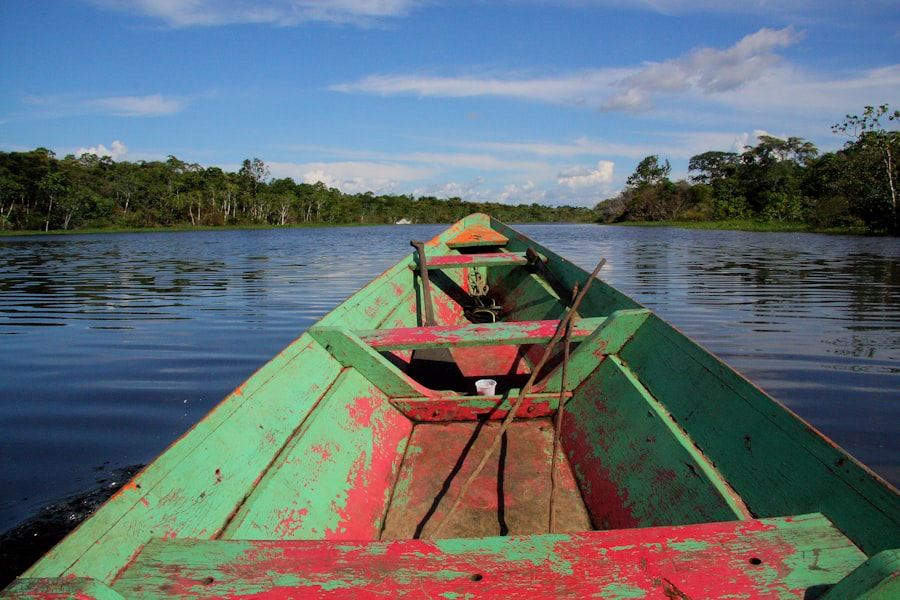
The Amazon River and its countless tributaries served as the primary highways of the region. Indigenous peoples were master navigators, developing sophisticated dugout canoes capable of traversing vast distances. These vessels ranged in size from small personal crafts to larger boats capable of carrying substantial cargo and many people. Their knowledge of river currents, seasonal flood patterns, and navigation markers was essential for trade, communication, and movement. The development of these watercraft was a critical technological achievement that facilitated the interconnectedness of Amazonian societies.
Tools and Materials from the Forest
The forest provided a wealth of materials for toolmaking and construction. Stone tools, such as axes, adzes, and grinding stones, were used for agriculture, woodworking, and processing food. However, many tools were made from readily available materials like bone, shell, wood, and plant fibers. Arrowheads were fashioned from bone or sharpened wood, fishing nets were woven from plant fibers, and containers were crafted from gourds and woven palm leaves. The construction of dwellings, often built from wood, thatch, and clay, was also a testament to their understanding of natural materials and construction techniques.
Pottery and Ceramic Traditions
The development of sophisticated pottery traditions played a significant role in Amazonian societies. Ceramics were used for cooking, storage, and ceremonial purposes. The styles and decorative techniques of pottery varied widely across different regions, reflecting distinct cultural identities. The presence of abundant pottery shards in archaeological sites is a key indicator of past human occupation and provides valuable insights into the daily lives and artistic expressions of these peoples. The ability to create durable and functional vessels was essential for food preparation, storage of harvested goods, and participation in trade.
Health, Diet, and Disease in the Pre-Columbian Amazon
The health and well-being of pre-Columbian Amazonian populations were shaped by their diet, their environment, and the diseases that were present. Contrary to popular belief, the Amazon was not a disease-free paradise, but neither was it a hellscape of rampant illness.
A Diverse and Nutritious Diet
The diet of pre-Columbian Amazonians was remarkably diverse and nutritious, reflecting their intimate knowledge of the region’s flora and fauna. Their staple crops, such as manioc and maize, provided carbohydrates, while a wide variety of fruits, nuts, and seeds offered essential vitamins, minerals, and fats. Protein was obtained from fishing, hunting small game, and consuming insects. The careful cultivation and management of these diverse food sources ensured a relatively stable and healthy diet for many communities. The emphasis on polyculture and the inclusion of a wide array of plant and animal products meant that their diets were far more balanced than many European diets of the time.
The Impact of Indigenous Diseases
While European diseases like smallpox and influenza would later decimate indigenous populations, Amazonian peoples had their own endemic diseases. Parasitic infections, often associated with waterborne pathogens and insect vectors, were likely common. Skin diseases and respiratory ailments may also have been prevalent. However, the relatively dispersed nature of settlements, coupled with their deep knowledge of medicinal plants, likely provided some degree of resilience and effective management of these indigenous health challenges. Their understanding of herbal remedies and their application in treating various ailments was a crucial aspect of their healthcare system.
The Absence of Certain European Diseases
Crucially, many of the devastating epidemic diseases that plagued Europe, such as measles and bubonic plague, were not present in the Americas before European contact. This lack of prior exposure left indigenous populations with no acquired immunity, making them extraordinarily vulnerable to the pathogens that Europeans unwittingly introduced. The absence of these specific diseases in the pre-Columbian Amazon is a significant factor in understanding the catastrophic demographic collapse that followed European arrival.
Before European contact, the Amazon rainforest was home to a diverse range of indigenous cultures, each with their own unique practices and deep connections to the land. These communities thrived in the rich biodiversity of the region, utilizing the vast resources of the forest for sustenance and medicine. For a deeper understanding of how such ecosystems have been impacted over time, you might find it interesting to explore this article on the effects of artificial intelligence on decision-making in various fields, which can provide insights into the broader implications of human interaction with nature. You can read more about it here.
The Legacy of a Managed Landscape
The pre-Columbian Amazon was a living testament to human ingenuity, ecological understanding, and sustainable living. The sophisticated societies, advanced agricultural techniques, and deep knowledge of the environment created a complex and vibrant landscape that thrived for millennia. The legacy of these peoples is not merely historical; it is etched into the very soil and ecosystems of the Amazon.
Challenging the “Virgin Wilderness” Myth
Understanding the pre-Columbian Amazon is crucial for challenging the persistent myth of the “virgin wilderness.” This colonial narrative, which portrayed the region as an empty, untamed frontier awaiting European “civilization,” has historically justified exploitation and environmental degradation. Recognizing the Amazon as a long-managed human landscape reframes our understanding of its ecology and highlights the profound cultural heritage that has shaped it. It shifts the focus from a passive natural resource to a complex, interconnected system that has been co-created by humans and nature for millennia.
Lessons for Modern Sustainability
The knowledge and practices of pre-Columbian Amazonian peoples offer invaluable lessons for modern approaches to sustainability and conservation. Their sophisticated resource management, their commitment to biodiversity, and their ability to live in balance with their environment stand in stark contrast to the unsustainable practices that have characterized much of post-contact development. Studying their techniques of terra preta creation, polyculture farming, and agroforestry can provide innovative solutions for contemporary challenges in agriculture, land restoration, and ecological stewardship. The concept of living with the forest, rather than conquering it, is a profound and enduring message from this ancient world.
Acknowledging Indigenous Rights and Knowledge
Finally, understanding the pre-Columbian Amazon is essential for recognizing and respecting the rights and knowledge of contemporary indigenous Amazonian communities. They are the direct descendants of these ancient peoples, carrying forward traditions and wisdom that are vital for the future of the rainforest. Their continued struggle to protect their lands and preserve their cultures is a testament to the enduring legacy of their ancestors and a critical factor in safeguarding this globally important ecosystem. Their deep ecological knowledge, accumulated over millennia, is an irreplaceable asset in the fight against climate change and biodiversity loss.

Millions Once Lived in the Amazon. LiDAR Found the Evidence
FAQs
1. What is the Amazon rainforest?
The Amazon rainforest is a vast and dense forest located in South America, primarily in Brazil. It is the largest tropical rainforest in the world, covering an area of approximately 5.5 million square kilometers.
2. How old is the Amazon rainforest?
The Amazon rainforest is estimated to be around 55 million years old, making it one of the oldest and most diverse ecosystems on the planet.
3. What was the population of the Amazon rainforest before European contact?
Before European contact, the population of the Amazon rainforest is estimated to have been between 2 to 10 million indigenous people, belonging to various tribes and ethnic groups.
4. What was the lifestyle of the indigenous people in the Amazon rainforest before European contact?
The indigenous people in the Amazon rainforest before European contact lived a semi-nomadic lifestyle, relying on hunting, fishing, and gathering for their sustenance. They also practiced agriculture, cultivating crops such as maize, cassava, and fruits.
5. What impact did European contact have on the Amazon rainforest and its indigenous population?
European contact with the Amazon rainforest had a devastating impact on the indigenous population, leading to widespread disease, displacement, and exploitation. The arrival of European colonizers also resulted in deforestation, resource extraction, and the introduction of non-native species, significantly altering the ecosystem of the rainforest.