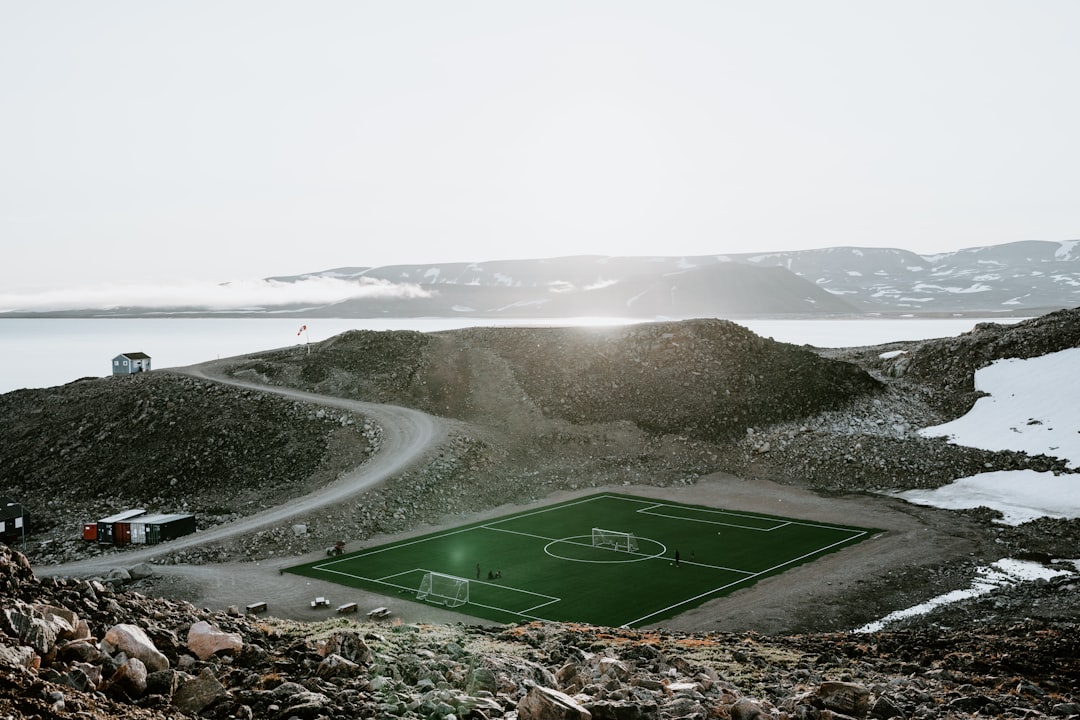
The icy expanse of Greenland, a land often perceived as a pristine, remote frontier, harbors secrets that stretch back to the height of the Cold War. Among these is the buried legacy of “Camp Century,” a United States Army facility established in the late 1950s, cloaked in an air of mystery and ostensibly dedicated to scientific research. However, beneath the veneer of meteorological studies and glacial exploration, lay a far more significant and strategically vital purpose: the potential deployment of nuclear missiles. This endeavor, known as Project Iceworm, aimed to establish a covert, mobile nuclear launch site nestled within the Greenland ice sheet, a concept both audacious and fraught with immense risk.
The Cold War era was defined by an escalating arms race between the United States and the Soviet Union. The paramount concern for American strategists was the ability to deliver a swift and devastating retaliatory strike against Soviet targets should an attack occur. This led to a relentless pursuit of new and innovative deployment methods for their growing nuclear arsenal. Traditional missile silos and bomber bases were becoming increasingly vulnerable to preemptive strikes. The idea of a mobile, concealed launch platform thus held immense appeal, promising survivability and a degree of deniability.
The Shifting Sands of Nuclear Strategy
In the post-World War II period, American nuclear strategy evolved rapidly. Initially, the focus was on overwhelming strategic bombing. However, the development of intercontinental ballistic missiles (ICBMs) by both superpowers introduced a new dynamic. The ability to launch nuclear weapons from continental territories across vast distances necessitated a reassessment of defensive and offensive postures. The concept of mutually assured destruction (MAD) began to take shape, where the threat of annihilation on both sides deterred a first strike. Yet, within this framework, the desire for a strategic advantage, a trump card that could survive an initial onslaught, persisted.
The Arctic Frontier: A New Strategic Chessboard
The Arctic region, with its vast, sparsely populated territories and proximity to both the United States and the Soviet Union, emerged as a critical strategic frontier. The melting of polar ice caps, a phenomenon still in its nascent stages in the 1950s, was not yet the primary driver, but the sheer remoteness and the potential for concealment offered an enticing prospect. Greenland, the world’s largest island, with its immense, ancient ice sheet, presented a unique canvas for military planners. The possibility of hiding nuclear missiles beneath the ice, shielded from detection, was a prospect that fueled ambitious, and some might say, audacious, thinking.
The secretive nature of America’s nuclear base in Greenland has long intrigued historians and military enthusiasts alike. An insightful article that delves into the historical context of military installations and their geographical significance is available at Uncovering the Source Documents of the Piri Reis Map. This piece explores how ancient maps can provide clues about strategic locations, including those that have played a role in modern military operations.
Camp Century: The Surface Facade of a Subterranean Dream
Camp Century, officially established in 1959, was presented to the world as a cutting-edge scientific research facility. Its stated mission involved studying the Arctic environment, the behavior of ice sheets, and providing valuable data for meteorological and geological research. The facility was a marvel of engineering for its time, a sprawling network of interconnected tunnels and prefabricated modules, all carved into the Greenland ice sheet. The U.S. Army Corps of Engineers undertook the immense task of excavating miles of tunnels, supporting a community of scientists, technicians, and military personnel in one of the harshest environments on Earth.
The Illusion of Scientific Endeavor
The public narrative surrounding Camp Century was one of peaceful scientific exploration. Researchers studied ice cores, weather patterns, and the unique challenges of living and working in extreme cold. International collaboration, at least on the surface, was often highlighted, fostering an image of global cooperation in the pursuit of knowledge. This carefully crafted facade helped to deflect suspicion and maintain a degree of secrecy surrounding the facility’s true purpose. The logistics of supplying and maintaining such a remote outpost were, by themselves, impressive enough to command attention and admiration, further masking any underlying military objectives.
Engineering Marvels Under the Ice
Beneath the surface, however, the reality was far more complex. The construction of Camp Century involved a revolutionary approach to building in permafrost. Thousands of tons of ice were excavated, and prefabricated modules were then lowered into the resulting trenches. Snow and ice were used as building materials, creating a stable and insulated environment. The facility included living quarters, laboratories, a power plant, and even a chapel. The ingenuity involved in creating a habitable space within the unforgiving ice sheet was undeniable, and it was this engineering prowess that made Project Iceworm seem feasible.
Project Iceworm: The Strategic Revelation

While Camp Century presented its scientific face to the world, its true raison d’être was Project Iceworm, codenamed “Nuuk” within the military. The audacious plan was to establish a network of underground missile silos, capable of housing and launching MGM-13 Polaris intermediate-range ballistic missiles (IRBMs). These missiles, capable of carrying nuclear warheads, would be strategically positioned beneath the ice, effectively hidden from Soviet radar and reconnaissance. The sheer scale and secrecy of this undertaking highlight the intense pressures and innovative thinking prevalent during the Cold War.
The Mobile Missile Concept
The core of Project Iceworm was the concept of a “mobile” nuclear deterrent. Unlike static missile silos, which could be targeted and destroyed, the idea was that these missiles would be moved along a network of tunnels, making them incredibly difficult to locate and neutralize. The tunnels themselves would serve as launch corridors, with the missiles being raised through openings in the ice for firing. This system was designed to offer a significant survivability advantage, ensuring that America’s nuclear retaliatory capability would remain intact even after a devastating Soviet first strike.
The Polaris A3: A New Generation of Deterrence
The MGM-13 Polaris A3 was a crucial component of this strategy. It was an evolution of earlier Polaris missiles, designed to have a longer range and improved accuracy. The A3 was capable of carrying multiple warheads, increasing its destructive potential. Its submarine-launched variant was already a significant part of the U.S. nuclear triad, but the idea of deploying it from a fixed, yet concealed, land-based system within Greenland represented a novel approach to nuclear deterrence. The prospect of these missiles being able to reach key Soviet targets from such a seemingly inhospitable location was a strategic game-changer.
The Unforeseen Challenges and Eventual Demise
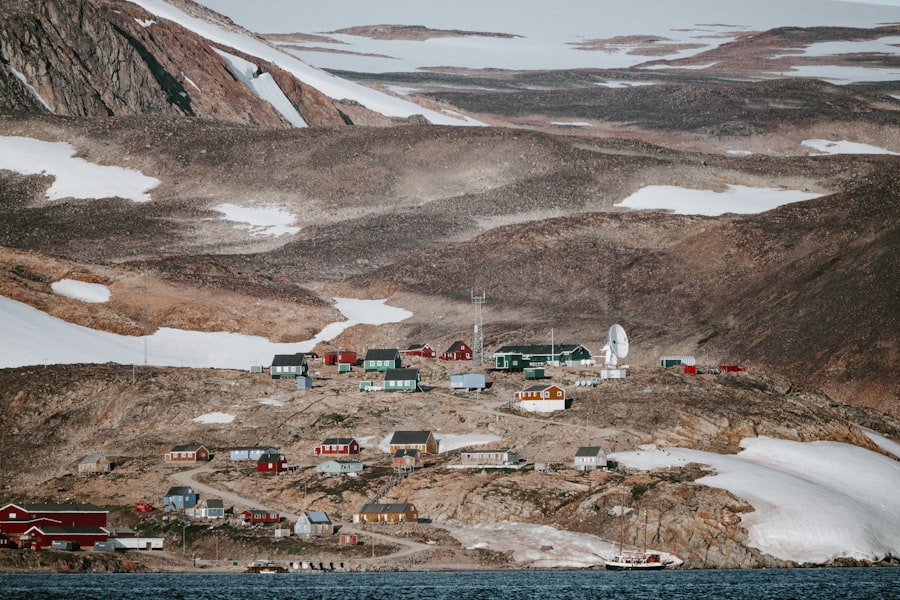
Despite the engineering marvels and strategic ambitions, Project Iceworm was ultimately doomed to failure. The very environment that made it so appealing – the Greenland ice sheet – proved to be its undoing. The constant movement and shifting of the ice, a natural and powerful force, began to exert immense pressure on the underground facility. What was initially a stable platform quickly became unstable, threatening the integrity of the tunnels and the missiles themselves. The scientific research conducted at Camp Century, while genuine in its own right, also revealed the inherent instability of the ice sheet, a revelation that directly contradicted the long-term viability of Project Iceworm.
The Dynamic Nature of the Ice Sheet
The Greenland ice sheet is not a static mass. It is a dynamic, flowing entity, constantly shaped by the forces of gravity, temperature, and accumulation of snow. The immense weight of the ice exerts tremendous pressure, and the underlying bedrock is not always uniform. As Camp Century was constructed and expanded, the ice sheet began to react. The tunnels, designed to be stable, started to deform and collapse under the relentless pressure and the subtle, but significant, movements of the ice. This geological instability was a fundamental flaw in the project’s design.
The Growing Environmental Concerns
As the project progressed, the scientific data gathered at Camp Century began to highlight the potential environmental risks associated with such a large-scale undertaking. The prospect of nuclear materials being stored and potentially deployed in such a fragile ecosystem raised alarm bells. While the Cold War mentality often prioritized strategic advantage over environmental considerations, the sheer scale of the potential contamination in the event of an accident or a missile launch became a growing concern. The possibility of radioactive waste seeping into the Arctic environment, with its delicate food chains and limited capacity for self-purification, was a chilling prospect.
The Political and Logistical Hurdles
Beyond the environmental and geological challenges, Project Iceworm also faced increasing political scrutiny and logistical nightmares. The cost of maintaining such a remote and complex facility was immense. The secrecy surrounding the project also made it difficult to secure sustained political support. Furthermore, the ever-present threat of discovery by the Soviet Union meant that operational security was paramount, adding another layer of complexity and expense to the endeavor. As the technical and environmental issues became more apparent, the strategic advantage offered by Project Iceworm began to diminish in the eyes of many policymakers.
The strategic importance of Greenland has often been overshadowed by its icy landscapes, but a recent article sheds light on the historical significance of America’s secret nuclear base in the region. This base, shrouded in secrecy during the Cold War, played a crucial role in the United States’ defense strategy. For those interested in the geopolitical implications of such military installations, you can explore more about the shifting dynamics of global trade and security in the context of modern challenges in this insightful piece. Check it out here: exploring the shift of companies flocking to Mexico from China.
The Legacy of Camp Century and its Hidden Dangers
| Location | Greenland |
|---|---|
| Base Name | America Secret Nuclear Base |
| Year Established | 1951 |
| Purpose | Nuclear weapons storage and testing |
| Size | Classified |
| Current Status | Operational |
While Project Iceworm was eventually abandoned, the remnants of Camp Century, and the potential dangers it represents, remain buried beneath the Greenland ice. The facility was not fully dismantled, and the artifacts left behind, including spent nuclear fuel and other hazardous materials, continue to pose a latent threat. As the Arctic warms and the ice sheet recedes, these buried secrets are slowly being exposed, raising concerns about environmental contamination and the need for future remediation efforts. The story of Camp Century serves as a stark reminder of the complex legacy of the Cold War and the unintended consequences of ambitious military projects.
A Lingering Environmental Threat
The most significant legacy of Camp Century is the lingering environmental threat posed by the materials left behind. The facility was abandoned in 1966, and while some efforts were made to remove equipment, radioactive waste and other hazardous substances were left in situ. The steady movement and melting of the ice sheet mean that these materials are slowly making their way towards the ocean. Scientists are increasingly concerned about the potential for these buried contaminants to be released into the environment, impacting the Arctic ecosystem and potentially reaching global waters.
The Challenge of Decommissioning
The task of decommissioning Camp Century and safely removing the hazardous materials is an immense challenge. The facility is buried deep within the ice, and the constant shifting of the ice makes access difficult and dangerous. The sheer volume of material that needs to be excavated and safely disposed of is staggering. Furthermore, the political and financial implications of such an undertaking are significant, requiring international cooperation and substantial investment. The question of who will bear the responsibility and cost for cleaning up this Cold War relic remains a complex and unresolved issue.
A Symbol of Strategic Ambition and Its Pitfalls
Ultimately, Camp Century and Project Iceworm stand as a potent symbol of the strategic ambition and sometimes reckless innovation that characterized the Cold War. It represents a period where humanity’s capacity for scientific and engineering achievement was channeled into developing ever more destructive weapons and ever more elaborate methods of deterrence. While the project failed to achieve its ultimate military objective, it left behind a tangible, and potentially dangerous, legacy. The story of America’s secret nuclear base in Greenland is a cautionary tale, reminding us of the long-term consequences of geopolitical tensions and the enduring power of the natural world to reclaim what humanity attempts to conceal. The silent, frozen repository of this ambitious endeavor continues to hold its secrets, a testament to a bygone era and a looming environmental challenge for the future.
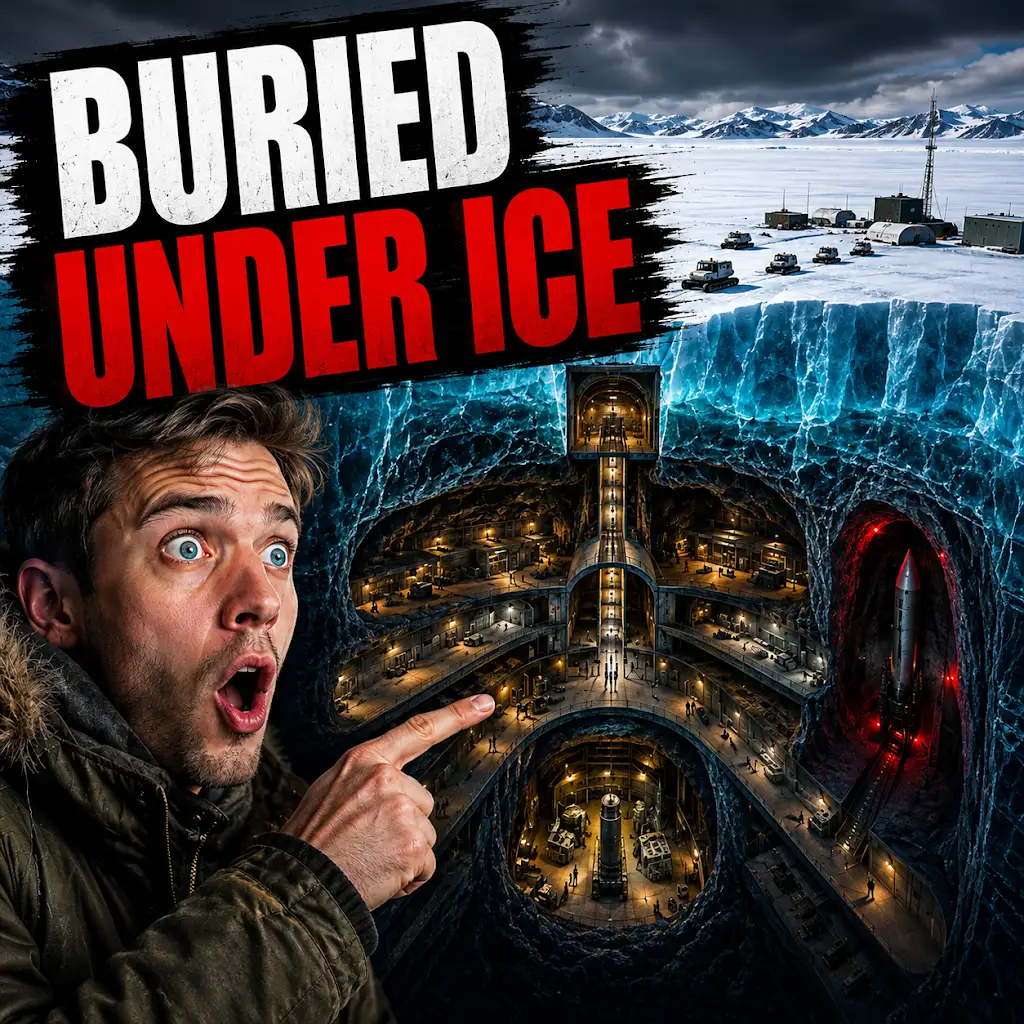
The U.S. Built a Nuclear City Under Greenland. The Ice Won.
FAQs
What is the secret nuclear base in Greenland?
The secret nuclear base in Greenland, also known as Camp Century, was a top-secret Cold War-era military base built by the United States in 1959. It was located beneath the ice of the Greenland Ice Sheet and was used for research and testing of nuclear missiles.
Why was the secret nuclear base built in Greenland?
The United States built the secret nuclear base in Greenland as part of its strategic defense plan during the Cold War. The remote location and the thick ice sheet provided a secure and hidden location for testing and launching nuclear missiles.
What happened to the secret nuclear base in Greenland?
Camp Century was abandoned in 1967 due to concerns about the stability of the ice sheet and the environmental impact of the base. The project was declassified in 1995, and the site has since been abandoned and left to be buried under the ice.
What is the current status of the secret nuclear base in Greenland?
The remains of Camp Century, including its buildings and infrastructure, are still buried under the Greenland Ice Sheet. However, the changing climate and melting ice have raised concerns about the potential release of pollutants and radioactive waste from the site.
What are the implications of the secret nuclear base in Greenland today?
The presence of the abandoned nuclear base in Greenland raises environmental and geopolitical concerns. The potential release of pollutants and radioactive waste from the melting ice sheet could have long-term environmental impacts. Additionally, the site serves as a reminder of the Cold War-era military activities and their lasting effects on the Arctic region.