
The arid landscapes of North Africa hold within their ancient rock formations a testament to humanity’s earliest artistic impulses. Long before written records, before the rise of monumental architecture, our ancestors were daubing pigments onto cave walls and rock shelters, creating vivid narratives of their lives, beliefs, and the world they inhabited. These prehistoric North African wall paintings are not mere curiosities; they are windows into the minds of people who lived millennia ago, offering invaluable insights into their cognitive abilities, social structures, and relationship with the natural world. From the vast Sahara Desert to the Atlas Mountains, a rich tapestry of rock art unfolds, speaking a universal language of human expression that transcends time.
The Dawn of Artistic Expression in North Africa
The origins of prehistoric art in North Africa are deeply rooted in the Paleolithic and Mesolithic periods, though the most spectacular and widely studied examples often date to the Neolithic era, a period marked by significant societal changes, including the development of agriculture and settled communities. The transition from nomadic hunter-gatherer lifestyles to more sedentary agricultural societies brought about new themes and expressions in their art. These early artists, armed with rudimentary tools and natural pigments, demonstrated an astonishing level of skill and creativity. The materials they employed were simple: ochre for reds and yellows, charcoal for blacks, and mineral oxides for a spectrum of earth tones. These pigments were ground and mixed with binders like animal fat, blood, or plant sap, then applied with fingers, brushes made from animal hair or reeds, or even blown through hollow bones to create stencils. The sheer persistence and dedication required to create these vast galleries of images, often in remote and challenging locations, speak volumes about the importance of this practice to these ancient peoples.
Early Rock Art Sites and Their Significance
While definitive dating of the earliest rock art remains a complex scientific endeavor, archaeological evidence suggests that rock art traditions in North Africa emerged gradually over vast stretches of time. Sites like the Tassili n’Ajjer in Algeria, with its staggering collection of tens of thousands of rock engravings and paintings, offer a chronological sequence that spans from the earliest engravings, predating the Neolithic, through to more recent pastoral and even proto-historic periods. These early engravings, often abstract or representational of fauna, hint at the very beginnings of visual communication and symbolic thought. The significance of these sites lies not only in their age but also in the sheer volume and diversity of their imagery, providing a unparalleled archive of North Africa’s prehistoric past.
The Materiality of Prehistoric Pigments
Understanding the materials used by prehistoric artists is crucial to appreciating the ingenuity and resourcefulness of these ancient cultures. The careful selection and preparation of pigments underscore a sophisticated understanding of their environment. Red ochre, derived from iron-rich clays, was a staple, providing vibrant hues that have endured for millennia. Blacks were typically created from charcoal, a readily available byproduct of fires. Other colors, like whites and yellows, could be achieved with kaolin or gypsum. The binders used were equally essential, ensuring the pigments adhered to the rock surface. These simple yet effective techniques allowed for the creation of durable artworks that have survived the ravages of time and climate, offering tangible links to our distant ancestors.
The study of prehistoric North Africa has revealed fascinating insights into the lives of early human societies, particularly through the analysis of ancient wall art. These artworks not only depict daily activities but also provide clues about the cultural and spiritual beliefs of the time. For a broader understanding of how human expression has evolved, you may find it interesting to read about the implications of commercialization in other fields, such as space exploration, in the article found here: The Risks of Commercializing Orbital Space. This connection highlights the importance of preserving cultural heritage, whether on Earth or beyond.
Unveiling the Themes and Narratives
The wall paintings of prehistoric North Africa are far more than decorative flourishes; they are profound expressions of human experience, revealing a rich tapestry of themes that reflect the daily lives, spiritual beliefs, and social interactions of these ancient communities. The subject matter is incredibly diverse, ranging from the fauna that shared their world to the humans who populated it, often depicted in dynamic scenes of activity. These narratives offer invaluable insights into what was important to these societies, what they revered, and how they perceived their place within the cosmos.
Depictions of Wildlife and the Hunt
A recurring and dominant theme across North African rock art is the portrayal of animals. These are not static, lifeless representations but often dynamic and energetic depictions of fauna in motion, engaged in various activities. This is particularly evident in scenes of the hunt, a central element of prehistoric life. Figures of wild cattle, antelopes, giraffes, elephants, lions, and other animals are rendered with remarkable accuracy and vitality. The artists captured the musculature, movement, and even the essence of these creatures, suggesting a deep observational skill and an intimate knowledge of their behavior. These hunting scenes likely served multiple purposes: they could have been a record of successful hunts, a form of magical practice to ensure future success, or a way to impart knowledge and skills to younger generations. The presence of specific animals can also tell us about the environmental conditions of the past, indicating the range and abundance of species that may have changed over millennia.
Human Figures and Social Life
Human figures are also a prominent feature, often depicted in vibrant and active scenes that offer glimpses into social life. These figures vary in style, from highly stylized and abstract to more naturalistic representations. They are shown engaged in a multitude of activities: dancing, running, fighting, carrying objects, and participating in rituals. The way humans are depicted can reveal social hierarchies, gender roles, and the importance of communal activities. Some paintings depict large gatherings, suggesting the significance of social cohesion and collective effort. Scenes of warfare, with figures brandishing spears and shields, highlight the potential for conflict and the strategies employed for defense or aggression. The detail in clothing, ornamentation, and even hairstyles, where discernible, adds another layer of information about their culture and identity.
Rituals, Symbols, and the Spiritual Realm
Beyond the depiction of everyday life, many North African rock paintings allude to spiritual beliefs and ritualistic practices. Abstract symbols, geometric patterns, and anthropomorphic figures with unusual features often suggest a connection to the sacred. These elements may represent deities, spirits, or forces of nature that were central to their cosmology. Scenes that appear to depict ceremonies, processions, or trance-like states further underscore the spiritual dimension of their lives. The precise meaning of many of these symbolic representations remains elusive, lost to the passage of millennia, but their presence strongly indicates that these ancient peoples possessed a complex understanding of the world beyond the tangible, a world of the spirit and the unseen. The careful placement of certain images within specific rock shelters or geological formations might also have held ritualistic significance, further integrating art with their spiritual landscape.
The Great Sahara: A Canvas of Ancient Stories
The Sahara Desert, today synonymous with vast, arid expanses, was once a very different landscape, supporting a richer biodiversity and a thriving human population. This period, known as the “Green Sahara” or the African Humid Period, fostered the development of sophisticated rock art traditions that are now preserved within its ancient rock formations. The sheer scale and artistic sophistication found in Saharan rock art are breathtaking, making it one of the most significant prehistoric art sites in the world.
The Tassili n’Ajjer: A World Heritage of Rock Art
The Tassili n’Ajjer, a UNESCO World Heritage site in southeastern Algeria, stands as a unparalleled repository of prehistoric art. Spread across an immense plateau, it boasts an extraordinary collection of rock art, with estimates ranging from tens of thousands to over a million individual paintings and engravings. The art of the Tassili spans several distinct periods, each with its own stylistic characteristics and thematic emphasis. The “Round Head” period, characterized by its abstract and sometimes surreal figures, is among the earliest. This is followed by the “Pastoral” period, showcasing a rich depiction of domesticated animals and human activities related to herding. Later periods, like the “Equine” period, feature horses and chariots, indicating contact with outside influences and technological advancements. The diversity of imagery, from delicate human figures to powerful depictions of wild animals, makes the Tassili an invaluable resource for understanding the evolution of Saharan cultures and their artistic expression.
The Acacus Mountains and Ennedi Plateau: Desert Galleries
Beyond the Tassili, other Saharan regions also hold remarkable rock art. The Acacus Mountains in Libya, part of the UNESCO World Heritage site of Tadrart Acacus, are adorned with thousands of paintings and engravings that chronicle the transition from hunter-gatherer societies to pastoralism. The art here is notable for its vivid colors and detailed depictions of human figures, often adorned with intricate body paint and jewelry. Similarly, the Ennedi Plateau in Chad offers a wealth of rock art, with sites like the “Painted Caves” and the “Grotto of the Hinds” revealing scenes of hunting, dancing, and daily life. The rugged, eroded sandstone formations of the Ennedi have preserved these ancient artworks for millennia, creating natural galleries that continue to captivate and inspire. These desert galleries are not just isolated instances of art; they form a interconnected network of cultural expression across vast geographical distances.
Environmental Shifts and Artistic Adaptation
The art found within the Saharan regions provides a unique perspective on the dramatic environmental shifts that have occurred over millennia. The transition from a wetter, greener Sahara to the arid desert of today is reflected in the changing subject matter and themes of the rock art. As water sources dwindled and vegetation changed, so too did the animals depicted and the human activities portrayed. Early art often features abundant wildlife associated with savanna environments, while later works may show animals adapted to drier conditions or a greater emphasis on domesticated animals and water management. This artistic record serves as a crucial proxy for understanding past climate change and its profound impact on human societies and their cultural expressions. The art becomes a living document of ecological transformation.
The Atlas Mountains: A Different Artistic Landscape
While the Sahara is renowned for its expansive rock art galleries, the Atlas Mountains, stretching across Morocco, Algeria, and Tunisia, present a distinct artistic landscape. These mountainous regions, with their fertile valleys and more accessible rock shelters, fostered different artistic traditions, often characterized by their own unique styles and thematic focuses. The art here, while perhaps less vast in sheer quantity than some Saharan sites, offers complementary perspectives on prehistoric North African life.
Rock Shelters and Caves in the Moroccan Atlas
In the Moroccan Atlas Mountains, numerous rock shelters and caves have yielded significant prehistoric art. These sites, often situated in valleys or on slopes, provided natural protection and vantage points for early inhabitants. The paintings found here often feature human figures, animals, and geometric patterns. The style can vary, with some instances of more naturalistic depictions and others tending towards stylized and abstract forms. The presence of art in these more temperate zones suggests a different ecological niche and a potentially distinct set of cultural practices compared to the more arid Saharan regions. Archaeological excavations at these sites have often uncovered tools and artifacts that help to date the art and provide context for its creation.
Algerian and Tunisian Atlas Rock Art Traditions
The Algerian and Tunisian sections of the Atlas Mountains also contain important prehistoric rock art. In Algeria, sites like the Djebel Bani have revealed paintings and engravings that echo some of the themes found in the Sahara, but with local variations in style and emphasis. In Tunisia, rock art has been discovered in various mountainous areas, offering further insights into the artistic practices of prehistoric populations in the northern reaches of North Africa. These traditions, though less extensively documented than some of their Saharan counterparts, contribute significantly to the overall understanding of the diverse artistic heritage of the region. They showcase a broader spectrum of human ingenuity and cultural development across varied geographical settings.
Shared Motifs and Regional Variations
Comparing the rock art of the Atlas Mountains with that of the Sahara reveals both shared motifs and distinct regional variations. While depictions of animals and human activities are common across the board, the specific styles, compositions, and symbolic interpretations often differ. This suggests a complex web of cultural interactions, trade, and influence, as well as the development of unique local traditions. The presence of similar motifs in geographically distant locations hints at either widespread cultural diffusion or shared ancestral artistic conventions. Conversely, distinct styles and thematic preferences point to the development of independent cultural identities. The careful study of these variations allows researchers to trace potential migration patterns, exchange networks, and the evolution of artistic conventions over vast periods.
Recent discoveries in prehistoric North Africa have shed light on the ancient wall art that depicts the region’s rich cultural history. These artworks not only showcase the artistic abilities of early humans but also provide insights into their daily lives and spiritual beliefs. For a deeper understanding of how these ancient civilizations may have interacted with their environment and the technological advancements they achieved, you can explore a related article that discusses the implications of lost ancient high-tech societies. This intriguing piece can be found here.
Deciphering Meaning: Challenges and Interpretations
| Metric | Details |
|---|---|
| Location | North Africa, primarily in regions of present-day Algeria and Libya |
| Estimated Age | Approximately 6,000 to 8,000 years old (Neolithic period) |
| Material | Stone and mudbrick |
| Length | Varies; some segments extend several kilometers |
| Purpose | Likely defensive, territorial demarcation, or ceremonial |
| Associated Cultures | Neolithic Saharan cultures |
| Notable Sites | Libyan Tadrart Acacus, Tassili n’Ajjer |
| Archaeological Significance | Provides insight into prehistoric human settlement and social organization in the Sahara |
The prehistoric wall paintings of North Africa are a captivating puzzle, their meanings often veiled by the passage of millennia. While their aesthetic appeal is undeniable, their true significance lies in their potential to unlock the cognitive processes, social structures, and belief systems of our ancient ancestors. However, interpreting these ancient images is a complex and ongoing endeavor, fraught with challenges.
The Problem of Ambiguity and Context
A primary challenge in deciphering prehistoric art is the inherent ambiguity of the imagery. Without a written key or direct cultural context, the precise meaning of a symbol, a gesture, or a scene can be open to multiple interpretations. The artists themselves likely possessed a shared understanding of their visual language, but that understanding has largely been lost to time. Furthermore, the context in which the art was created and viewed is often difficult to reconstruct. Was a particular image meant to be seen by everyone, or was it part of a private or ritualistic practice? The location of the art, whether in a prominent public space or a hidden sanctuary, can offer clues, but definitive answers are often elusive. The absence of a clear narrative structure, as we understand it today, further complicates straightforward interpretation.
Archaeological Evidence and Scientific Dating
Archaeological evidence plays a crucial role in contextualizing and dating prehistoric art. Excavations at rock art sites can reveal associated artifacts, such as tools, pottery, and human remains, which can provide clues about the people who created the art and the period in which they lived. Scientific dating techniques, such as radiocarbon dating of organic materials found in association with the art or thermoluminescence dating of pigments, can help to establish chronological frameworks. However, direct dating of the pigments themselves can be problematic, and indirect dating methods rely on the assumption that the art and the associated archaeological materials are contemporaneous. Despite these limitations, archaeological findings provide invaluable anchor points for interpreting the art within its broader cultural and historical context.
Anthropological Approaches and Cross-Cultural Comparisons
Anthropological approaches and cross-cultural comparisons offer valuable frameworks for understanding the potential meanings of prehistoric art. By studying the art and symbolism of contemporary indigenous cultures that maintain traditional lifestyles, researchers can draw parallels and hypothesize about the functions and meanings of ancient artworks. For instance, understanding the role of visual symbols in ritual, storytelling, or mnemonic devices in some societies can shed light on how similar elements might have functioned in prehistoric North Africa. However, it is crucial to avoid ethnocentric projections and to recognize that each culture, ancient or modern, possesses its own unique worldview and symbolic system. Comparisons must be made with caution, always prioritizing evidence derived from the specific archaeological and artistic context.
The Enduring Legacy of North Africa’s Rock Art
The prehistoric wall paintings of North Africa represent an invaluable, albeit often enigmatic, legacy of our shared human past. They are tangible proof of the cognitive and creative capacities of our distant ancestors, demonstrating their ability to observe, interpret, and represent the world around them through sophisticated visual means. These ancient galleries continue to inspire awe and wonder, prompting us to contemplate the enduring human need for expression and the universal desire to communicate across time and space. While many questions about their precise meanings remain unanswered, their very existence enriches our understanding of human history and the deep roots of artistic endeavor, reminding us that art is not a modern invention but an intrinsic part of the human journey from its earliest beginnings. The enduring power of these painted narratives lies in their ability to connect us, however dimly, to the lives and thoughts of those who came before.
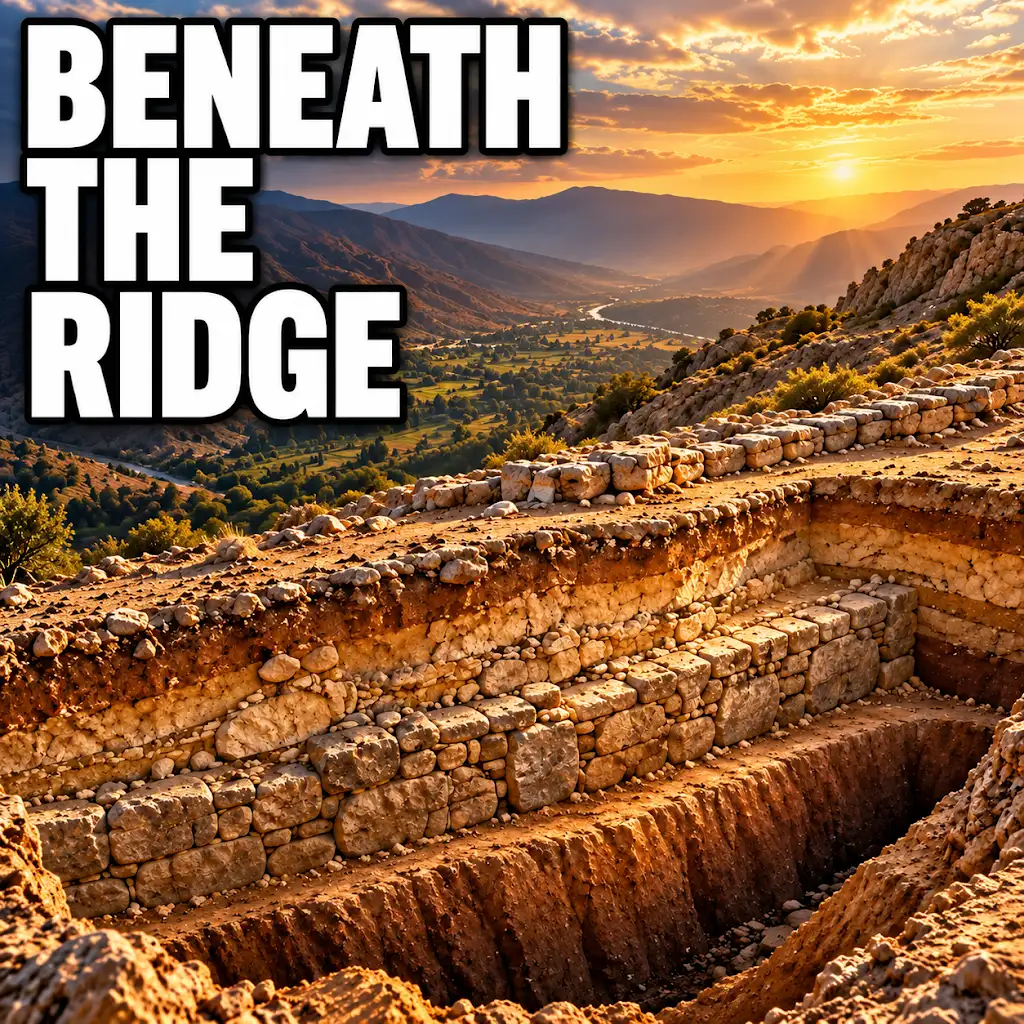
They Found a 4,000-Year-Old Defense Line in Morocco
FAQs
What is the prehistoric North Africa wall?
The prehistoric North Africa wall is a massive barrier believed to have been built over 7000 years ago in what is now modern-day Libya.
How long is the prehistoric North Africa wall?
The wall is estimated to be around 500 kilometers long, stretching across the northern part of the African continent.
What was the purpose of the prehistoric North Africa wall?
Researchers believe that the wall served as a defensive structure to protect the ancient communities living in the region from external threats.
Who built the prehistoric North Africa wall?
The exact builders of the wall remain unknown, but it is thought to have been constructed by early pastoral communities in the area.
What materials were used to construct the prehistoric North Africa wall?
The wall was built using a combination of stone, earth, and other natural materials found in the region, showcasing the ingenuity of the ancient builders.