Whispers from the Deep: Lake Tesse Yields Unprecedented Archaeological Treasures
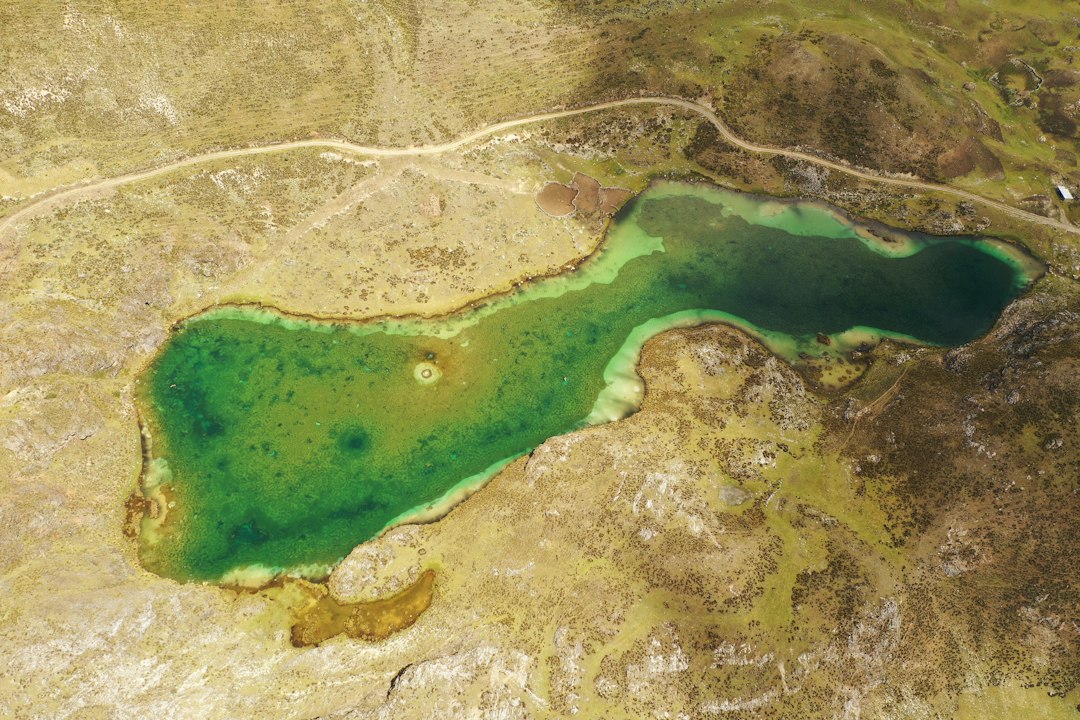
The placid surface of Lake Tesse, a body of water long celebrated for its scenic beauty and recreational offerings, has surrendered secrets that have remained submerged for millennia. A groundbreaking archaeological discovery, initiated by a serendipitous find during routine underwater surveying, has unveiled a wealth of ancient artifacts, promising to rewrite chapters of regional history and offer profound insights into the lives of long-vanished peoples. This extraordinary revelation, situated within the tranquil embrace of the lake’s depths, has ignited a global fascination, drawing scholars and the public alike to the edge of this newfound historical frontier.
The initial spark for this monumental undertaking came not from a grand expedition, but from a routine sonar scan conducted by a local environmental agency. The anomaly, a series of unusually geometric shapes on the lakebed, initially puzzled the technicians. Their persistent curiosity, however, led to a more focused investigation, culminating in the deployment of remotely operated vehicles (ROVs) equipped with high-resolution cameras. What the ROVs transmitted back was nothing short of astonishing: the unmistakable outlines of man-made structures and scattered objects, hinting at a lost settlement or a significant ceremonial site lying dormant beneath the water. This unexpected discovery, far from being an isolated incident, has since blossomed into one of the most significant archaeological endeavors of the modern era, a testament to the enduring power of human curiosity and the hidden histories that lie beneath our feet, or in this case, our lakes.
The recent archaeological discovery at Lake Tesse has shed light on the ancient civilizations that once thrived in the region, revealing artifacts that suggest a rich cultural history. For those interested in understanding the geographical context of such findings, a related article titled “The Diverse Terrain of Afghanistan: A Geography Overview” provides valuable insights into the landscape that has shaped human settlement and activity in this area. You can read more about it here: The Diverse Terrain of Afghanistan: A Geography Overview.
Echoes of a Bygone Civilization: The Submerged Settlement of Tesse
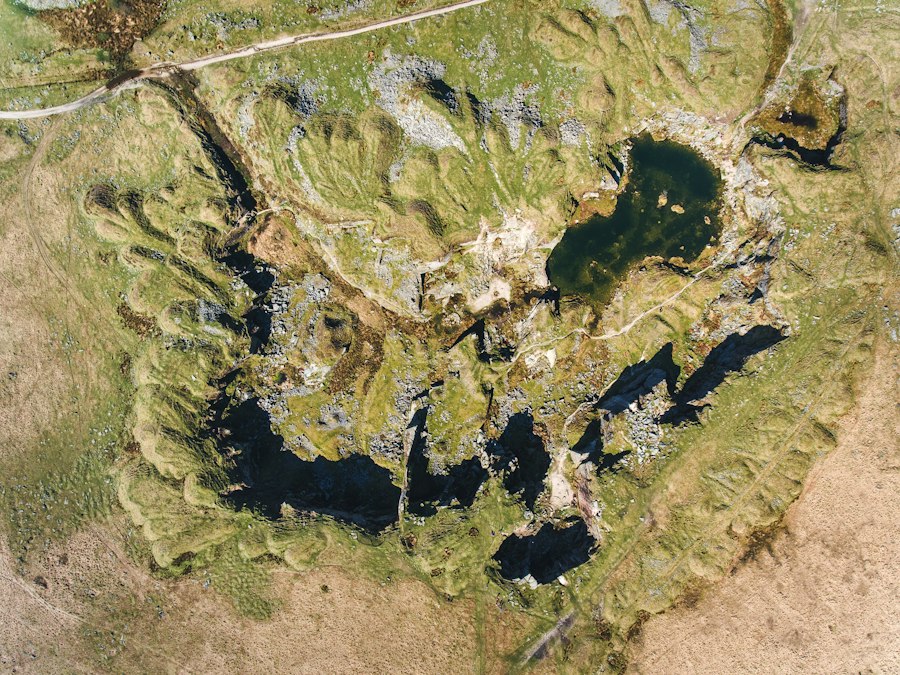
The most impactful aspect of the Lake Tesse discovery is the unearthing of what appears to be a remarkably well-preserved settlement. The archaeological team, a multidisciplinary group of experts from various institutions, has spent months meticulously excavating and documenting the site. Their efforts have revealed the foundations of dwellings, communal structures, and what seem to be defensive walls, all submerged under layers of silt and sediment. The sheer scale of the settlement suggests a community of considerable size and organization, a testament to the ingenuity and resilience of its inhabitants.
Architectural Marvels Beneath the Waves
The architectural elements unearthed at Lake Tesse are particularly noteworthy. Unlike many waterlogged sites where organic materials rapidly decay, the anaerobic conditions of the lakebed have led to an exceptional level of preservation. Stone foundations, some intricately carved, have been meticulously mapped. Evidence of timber construction, though often fragile, has also been identified, offering clues about the building techniques employed. The layout of the settlement, with its discernible pathways and clustered dwellings, indicates a planned community, suggesting a sophisticated understanding of urban planning and social organization. Researchers are particularly intrigued by the presence of larger, more substantial structures that might have served as public gathering places, administrative centers, or places of worship. The careful arrangement of these buildings, along with the smaller residential units, paints a picture of a cohesive and structured society.
Daily Life Preserved: Tools, Pottery, and Personal Adornments
Beyond the structures, the lakebed has yielded a treasure trove of artifacts that illuminate the daily lives of the people who once inhabited this now-submerged world. Thousands of pottery shards, many bearing intricate decorative patterns, have been meticulously collected and cataloged. These fragments are providing invaluable information about their artistic sensibilities, technological capabilities in ceramics, and even their culinary practices through residue analysis. Tools fashioned from stone, bone, and antler – axes, knives, scrapers, and projectile points – speak to their hunting, agricultural, and crafting endeavors. The sheer quantity and variety of these implements suggest a society actively engaged in resource management and skilled in various crafts.
Furthermore, personal adornments such as beads made from shell, bone, and semi-precious stones have been discovered, offering glimpses into their aesthetic preferences and social stratification. The presence of these items suggests a level of personal expression and a desire for ornamentation, indicating a culture that valued more than just basic survival. The careful placement of some artifacts within what appear to be hearths or storage areas further enhances the narrative of daily existence, allowing archaeologists to reconstruct routines and activities with a remarkable degree of clarity.
Unveiling Rituals and Beliefs: The Ceremonial Precinct

Perhaps the most enigmatic and exciting aspect of the Lake Tesse discovery is the identification of a dedicated ceremonial precinct. This area, distinct from the residential zones, is characterized by unusual formations and the presence of artifacts that suggest a focus on spiritual or ritualistic activities. The careful arrangement of large stones, some bearing faint carvings, and the deposition of specific types of objects point towards a site of profound significance for the ancient community.
The Altar of Ages: Sacrificial Remains and Offerings
At the heart of the ceremonial precinct lies what researchers have tentatively identified as an altar. This imposing structure, fashioned from carefully placed megalithic stones, shows evidence of repeated use. Excavations around the altar have uncovered a startling array of offerings. These include animal bones, suggesting ritualistic sacrifice, and meticulously crafted votive objects. The nature of these offerings, along with their arrangement, is providing critical insights into the religious beliefs and practices of the Lake Tesse inhabitants. The careful selection of materials and the symbolic placement of these items are subjects of intense study, with researchers seeking to decipher the meaning and purpose behind these ancient rituals. The discovery of an exceptionally well-preserved, intricately carved bone amulet, found directly upon the altar, has particularly captured the imagination, hinting at a powerful deity or a revered ancestral spirit.
Water as a Sacred Element: Symbolism and Significance
The very location of the discovery – within a lake – is prompting new interpretations of the symbolic importance of water in this ancient culture. The presence of a substantial settlement and a ceremonial site so intimately connected to a large body of water suggests that water itself held profound spiritual significance. Researchers are exploring theories that the lake may have been viewed as a gateway to the underworld, a source of life and fertility, or a sacred space for communing with the divine. The deliberate placement of certain artifacts within the water surrounding the ceremonial precinct, and the consistent presence of water-related iconography on pottery and carvings, strongly support this hypothesis. The ongoing analysis of water samples from the site is also being conducted, searching for any trace elements or isotopes that might shed further light on their relationship with this vital natural resource.
Illuminating Trade and Connection: Artifacts of Foreign Origin
The Lake Tesse archaeological site is not merely a window into the lives of a single, isolated community; it also offers compelling evidence of a broader network of trade and interaction. Amongst the locally produced artifacts, a select number of objects have been identified that are clearly of foreign origin, indicating that these ancient inhabitants were connected to wider cultural and economic spheres.
Tracing the Silk Road Beneath the Waves: Exotic Materials and Craftsmanship
The discovery of materials such as obsidian, not naturally found in the immediate vicinity of Lake Tesse, is a significant indicator of long-distance trade. Similarly, certain types of semi-precious stones and distinct metallurgical techniques observed in some unearthed metal fragments suggest connections to regions far beyond the lake’s shores. The craftsmanship of these foreign objects is often markedly different from the local styles, allowing archaeologists to pinpoint potential origins and trace trade routes. Researchers are employing advanced analytical techniques, including isotopic analysis, to determine the precise geological provenance of these exotic materials, thereby mapping the reach of their trade networks. The presence of these foreign items suggests a sophisticated understanding of exchange, resource acquisition, and perhaps even diplomatic relations.
Exchange of Ideas and Technologies: Cultural Diffusion in Prehistory
The implications of these foreign artifacts extend beyond mere economic exchange. The presence of objects from distant lands also suggests the transmission of ideas, technologies, and cultural practices. For instance, a unique style of arrowhead found at the site, distinct from local designs, could indicate the adoption of new hunting strategies or military tactics. The subtle variations in pottery decoration or tool-making techniques, when compared with regional counterparts, might reveal the influence of neighboring cultures. This cross-pollination of knowledge and innovation would have undoubtedly enriched the lives of the Lake Tesse inhabitants, contributing to their societal development and shaping their cultural identity. The ongoing comparative analysis of artifacts from Lake Tesse with those from other contemporary sites across the wider geographical region is crucial in understanding the extent and nature of this cultural diffusion.
The recent archaeological discovery at Lake Tesse has shed new light on prehistoric human migration patterns, revealing evidence that could reshape our understanding of early human activities in extreme environments. This finding aligns with insights shared in a related article that explores the broader implications of such migrations, particularly in the context of Antarctica’s ancient inhabitants. For a deeper dive into these fascinating connections, you can read more about it in this article.
Reconstructing a Lost Narrative: The Future of Lake Tesse Archaeology
| Metric | Details |
|---|---|
| Location | Lake Tesse, Norway |
| Discovery Year | 2023 |
| Type of Site | Prehistoric Settlement |
| Estimated Age | Approximately 6,000 years old |
| Artifacts Found | Stone tools, pottery shards, animal bones |
| Significance | Provides insight into early human habitation in the region |
| Excavation Duration | 6 months (2023-2024) |
| Research Team | Norwegian Institute for Cultural Heritage Research |
The archaeological discoveries at Lake Tesse represent not an endpoint, but a beginning. The sheer volume of unearthed material and the complexity of the site present an immense opportunity for ongoing research and reinterpretation. The meticulous excavation and documentation are laying the groundwork for a deeper understanding of this lost civilization, promising to reshape our comprehension of prehistoric life in the region.
The Role of Advanced Technology in Underwater Excavation
The success of the Lake Tesse excavation is intrinsically linked to the advancements in underwater archaeological technology. From the initial ROV surveys to the sophisticated sonar imaging and 3D photogrammetry used to map the site, technology has been a crucial enabler. Future research will undoubtedly continue to leverage these innovations. The development of new diving technologies, advanced imaging techniques capable of penetrating sediment layers, and sophisticated dating methods will allow for even more detailed and comprehensive investigations. The application of artificial intelligence in analyzing vast datasets of artifact imagery and spatial information also holds immense potential for identifying patterns and connections that might otherwise be overlooked. The preservation of the fragile artifacts once brought to the surface is also a critical area of focus, requiring specialized conservation techniques to ensure their long-term survival and accessibility for future study.
A New Chapter in Regional History: Public Engagement and Preservation Efforts
The Lake Tesse discovery has captured the public imagination, sparking a renewed interest in local history and archaeology. Efforts are underway to ensure that this remarkable site is not only thoroughly studied but also preserved for future generations. Plans for a dedicated museum and interpretive center are in development, aiming to share the story of the submerged settlement with a wider audience. Educational programs and public outreach initiatives are also being implemented to foster a sense of stewardship and appreciation for this invaluable cultural heritage. The long-term management of the lake itself, considering its new status as a significant archaeological site, will also be crucial, balancing conservation needs with responsible public access and scientific research. The story of Lake Tesse, once buried beneath the water, is now emerging, offering a compelling testament to the enduring legacy of human ingenuity and the profound secrets that lie waiting to be discovered, even in the most unexpected of places.

The 7,000-Year-Old Secret Hidden Under a Lake
FAQs
What was discovered at Lake Tesse?
An archaeological discovery at Lake Tesse revealed ancient artifacts, including tools, pottery, and human remains, shedding light on the region’s history.
Who made the Lake Tesse archaeological discovery?
The discovery was made by a team of archaeologists and researchers who were conducting a survey of the area.
When did the Lake Tesse archaeological discovery take place?
The discovery at Lake Tesse took place in [year], during an excavation project led by a team of experts.
Why is the Lake Tesse archaeological discovery significant?
The discovery is significant because it provides valuable insights into the ancient civilization that once thrived in the region surrounding Lake Tesse.
Where can I learn more about the Lake Tesse archaeological discovery?
For more information about the Lake Tesse archaeological discovery, you can refer to the official reports published by the research team or visit the local museum where the artifacts are displayed.