The dizzying heights of ancient temples, vast cave ceilings, and soaring cathedral vaults are testament to the audacious vision and remarkable skill of artists who dared to work where few dared to tread. These elevated spaces, often imbued with spiritual or monumental significance, demanded innovative techniques and unwavering dedication from their creators. The resulting masterpieces, painted, sculpted, or mosaicked at precarious elevations, offer a profound glimpse into the artistic ambition and technical prowess of bygone eras. From the ochre-hued visions daubed onto the rock faces of prehistoric caverns to the luminous mosaics adorning Byzantine domes, the challenges of working at height were not merely physical but also dictated the very nature of the artistic expression. These elevated realms provided a canvas for narratives intended to inspire awe, communicate divine power, and solidify earthly authority, all while demanding an extraordinary level of human endeavor. The legacy of these ancient artists working at height is etched not just in stone and pigment, but in the enduring human spirit of overcoming obstacles to create beauty and meaning.
The Genesis of Elevated Art: Early Human Endeavors
The impulse to create art in elevated and often inaccessible spaces can be traced back to the earliest chapters of human history. Long before the grand structures of civilization, our ancestors were drawn to the expansive surfaces of cave ceilings. These natural vaults, far removed from the everyday world of the cave floor, became sacred canvases for the transmission of knowledge, ritual, and belief. The selection of these elevated locations was likely deliberate, imbuing the depicted images with a sense of mystery and importance. The act of reaching these heights, often through precarious climbing or the construction of rudimentary scaffolding, speaks volumes about the perceived value of the artwork itself.
Prehistoric Cave Paintings: Reaching for the Sacred
The most compelling evidence of early art at height comes from the stunning cave paintings of Europe, such as Lascaux in France and Altamira in Spain. Here, artists applied vibrant pigments of ochre, charcoal, and manganese oxide to ceilings that in some cases are tens of meters above the cave floor. The subject matter, predominantly animals like bison, horses, and stags, was rendered with remarkable naturalism and dynamism. The reasons for choosing these elevated positions remain a subject of scholarly debate, but theories abound. Some propose that the ceilings were considered celestial realms, a connection to the sky and the divine. Others suggest that the elevated position offered a sense of separation from the mundane, a way to elevate the spiritual power of the depicted creatures. The practicalities of creating these works are staggering to contemplate. Artists would have had to contend with dim torchlight, uneven rock surfaces, and the constant risk of falling. They likely employed the use of natural pigments mixed with animal fat or blood, applied with fingers, brushes made from animal hair, or even by blowing pigment through hollow bones. The sheer effort involved in reaching these inaccessible areas underscores the profound significance attributed to these images. The fact that these artworks have survived for millennia, often in challenging geological environments, is a testament to the durability of the materials used and the protective nature of the caves themselves. The artists’ understanding of perspective, light, and shadow, even when working under such difficult conditions, is a marvel.
The Symbolic Significance of Heights in Early Cultures
Beyond the utilitarian aspects of cave art, the choice of elevated spaces likely held deep symbolic meaning for early humans. Heights have universally been associated with power, divinity, and the unattainable. Ascending to a high place was often a ritualistic act, a way to approach the gods or to gain a different perspective on the world. It is plausible that the artists, by working at height, were not only creating images but also engaging in a form of spiritual practice, blurring the lines between the earthly and the divine. The sheer scale of some of these early works, sprawling across vast ceiling expanses, suggests an ambition that transcended mere decoration. These were likely narrative murals, intended to convey complex stories or cosmologies to the community. The elevated position would have amplified the impact of these narratives, making them more awe-inspiring and memorable. The very act of creation at these heights may have been a ritual in itself, a performance undertaken to invoke the spiritual forces that early humans believed governed their world.
Ancient artists demonstrated remarkable ingenuity and skill, particularly when working at great heights to create stunning murals and sculptures. Their ability to navigate challenging environments and utilize innovative techniques is a testament to their craftsmanship. For a deeper exploration of ancient technologies and the secrets behind these artistic achievements, you can read the related article on forbidden ancient technology at this link.
Grand Architectures, Grand Visions: Art in Ancient Civilizations
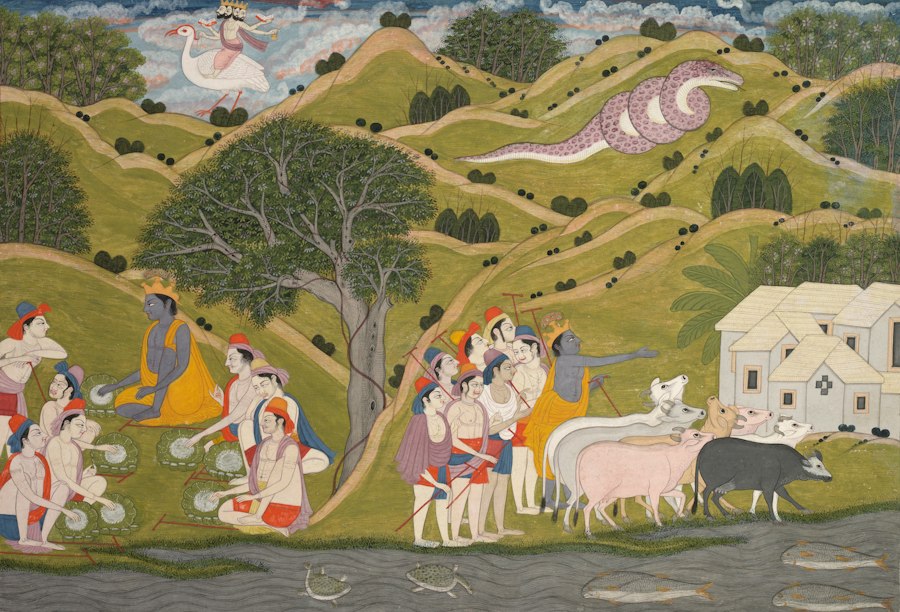
As human societies developed and organized, the creation of monumental architecture provided new and even more expansive canvases for artists working at height. Temples, palaces, and public buildings were designed with elevated spaces specifically intended to house and display art, often with religious or political connotations. These projects required a level of planning, organization, and technical innovation that surpassed earlier endeavors. The artists were not just individuals but integral parts of larger construction projects, their work carefully integrated into the architectural vision.
Egyptian Temple Ceilings: Celestial Spheres and Divine Rulers
Ancient Egypt, renowned for its monumental architecture, provides abundant examples of art created for elevated spaces. The ceilings of temples, particularly those dedicated to the sun god Ra, were often painted to represent the night sky. Hieroglyphic inscriptions, astronomical symbols, and depictions of deities adorned these vast expanses, transforming the temple roofs into celestial spheres. The dark blue backgrounds, studded with yellow stars, evoked the cosmos, and the presence of pharaohs and gods reinforced the divine right of the ruler. The techniques employed were sophisticated, involving the use of mineral pigments applied to a plastered surface. The scale of these works, covering hundreds of square meters, demanded considerable scaffolding and organized labor. The artists likely worked in teams, with specialized roles for preparation, painting, and finishing. The placement of these celestial scenes overhead served a dual purpose: to connect the earthly realm with the divine and to impress upon the worshippers the vastness and order of the universe, overseen by the gods and their earthly representatives. The precision with which these depictions were rendered, even at such heights, speaks to a deep understanding of proportion and composition, honed through generations of artistic practice.
Roman and Greek Architectural Decorations: From the Mundane to the Mythological
In the classical world of Greece and Rome, elevated spaces within temples, public buildings, and even homes were often adorned with painted friezes, stucco decorations, and mosaics. While not always as high as Egyptian temple ceilings, these areas, such as the upper reaches of temple cellas or the coffered ceilings of basilicas, still presented challenges. These decorations often depicted mythological scenes, historical events, or intricate geometric patterns. The Greeks, for instance, were masters of terracotta decoration, with painted friezes adorning the upper parts of their temples. The Romans, in turn, excelled in stucco work, creating elaborate reliefs and moldings that reached towards the heavens. The development of advanced scaffolding techniques and the use of plaster and concrete allowed for the creation of increasingly complex and ambitious decorative schemes at height. The goal was often to inspire awe and reverence, to convey the power of the gods or the glory of the empire, and to create a visually rich and immersive experience for those entering these spaces. The use of color, often vibrant and bold, played a crucial role in making these elevated artworks visible and impactful, even from a distance.
Ancient artists often faced unique challenges while working at height, particularly when creating monumental structures or intricate frescoes. Their innovative techniques and tools allowed them to achieve remarkable feats, as explored in a fascinating article about the evolution of maps. This piece delves into how ancient civilizations navigated their environments, which parallels the artistic endeavors of those who painted and sculpted in elevated spaces. To learn more about these historical advancements, you can read the article here.
Mesoamerican Pyramids and Temples: Unveiling Cosmic Narratives
The civilizations of Mesoamerica, including the Maya and Aztecs, also incorporated elevated art into their monumental architecture. The stepped pyramids, crowned with temples, offered vast, open surfaces that were frequently adorned with intricate carvings and vibrant murals. These works often depicted religious rituals, mythological narratives, and astronomical observations, reflecting a deep understanding of the cosmos and its influence on human life. The murals, painted on plaster, would have been created by artists working on precarious wooden scaffolding, high above the ground. The scale and complexity of these paintings, often covering entire temple façades, highlight the dedication and skill involved. These elevated artworks served not only as visual decorations but also as integral components of religious ceremonies and astronomical observatories, connecting the earthly realm with the celestial cycles. The colors used were derived from natural sources, such as minerals and plants, and their application required meticulous planning and execution to withstand the elements. The stories depicted were meant to be seen and understood by large gatherings of people, reinforcing their cultural and spiritual beliefs.
The Pinnacle of Artistic Achievement: Religious and Imperial Grandeur

The construction of religious and imperial structures reached its zenith in the medieval and Renaissance periods, where art at height became an integral part of a grander, more unified vision. The soaring heights of cathedrals and palaces were not merely architectural feats but also stages for artistic expression intended to elevate the human spirit and demonstrate earthly power. These periods saw the refinement of techniques and the development of new materials, pushing the boundaries of what was artistically possible at altitude.
Byzantine Mosaics: Illuminating the Divine from Above
The Byzantine Empire ushered in an era of unparalleled artistry in elevated spaces, particularly with its use of shimmering mosaics. The vast domes of churches like Hagia Sophia in Istanbul and San Vitale in Ravenna are adorned with intricate mosaics depicting Christ Pantocrator, the Virgin Mary, saints, and emperors. These dazzling compositions, created with thousands of tiny tesserae of glass and stone, were designed to catch and reflect light, transforming the domes into celestial heavens. The artists worked on extensive wooden scaffolding, suspended high above the congregation, meticulously placing each tessera to form intricate images. The reflective quality of the mosaics meant that the divine figures would appear to shift and glow with the changing light, creating a dynamic and awe-inspiring experience for worshippers below. The careful selection of colors and the precise arrangement of tesserae were crucial for conveying the spiritual power and majesty of the depicted figures. The sheer scale of these projects, often spanning hundreds of square meters, demanded immense logistical coordination and a deep understanding of light and perspective. The artists were not only craftsmen but also theologians, their work intended to visually articulate complex religious doctrines.
Gothic Cathedrals: Reaching Towards the Heavens with Stained Glass and Frescoes
The Gothic period witnessed a dramatic elevation of architecture and, consequently, of artistic endeavors. The soaring vaults and ribbed ceilings of cathedrals like Notre Dame de Paris and Chartres Cathedral created vast vertical spaces that were illuminated by breathtaking stained-glass windows and adorned with intricate frescoes. The stained-glass artists, working at considerable height, transformed plain glass into luminous narratives of biblical stories, saints, and patrons. The precise cutting and leading of glass pieces, combined with the vibrant colors, created a kaleidoscope of light that bathed the interior in an ethereal glow. Fresco painters, too, worked on the upper walls and vaults, creating expansive murals that often depicted scenes from the Old and New Testaments. The challenges of working on wet plaster at such heights were immense, requiring speed, precision, and a deep understanding of the medium. The combined effect of soaring architecture, radiant stained glass, and grand frescoes was intended to transport the viewer, both literally and spiritually, towards the divine. The very structure of the cathedral was designed to draw the eye upwards, and the artwork within fulfilled this aspiration, filling the mind with celestial visions.
Renaissance Palaces and Churches: The Ceiling as a Canvas of Grandeur
The Renaissance saw a continuation and elevation of the tradition of working at height, particularly in the opulent palaces and churches of Italy. Artists like Michelangelo, Raphael, and Correggio created some of the most iconic painted ceilings in history. Michelangelo’s Sistine Chapel ceiling, a monumental undertaking that took years to complete, depicts scenes from the Book of Genesis with an unprecedented level of anatomical detail and dramatic intensity. Raphael’s frescoes in the Vatican Stanze, including the “School of Athens,” showcase his mastery of perspective and composition, creating illusions of vast architectural spaces that seem to extend beyond the painted surface. These artists, often working on elaborate scaffolding and employing innovative techniques such as quadratura (illusionistic architectural painting), transformed plain ceilings into dynamic theatrical stages. The sheer physical exertion involved, combined with the intellectual demands of translating complex theological and philosophical ideas into visual form, underscores the extraordinary genius of these Renaissance masters. Their work at height not only adorned magnificent structures but also became masterpieces in their own right, forever etched into the annals of art history.
Modern Echoes of Ancient Endeavors: Contemporary Art at Height
While the context and materials may have evolved, the spirit of artists working at height to create impactful and breathtaking works endures. Contemporary artists continue to explore elevated spaces, from architectural facades to industrial structures, pushing the boundaries of scale, technique, and conceptual expression. The challenges of working at height remain, but so too does the profound human desire to create art that transcends the ordinary and leaves a lasting impression.
Large-Scale Murals and Street Art: Urban Canvases Reach New Heights
The rise of large-scale muralism and street art in recent decades has seen artists transforming the blank canvases of urban landscapes into vibrant works of art. These murals often adorn the sides of buildings, stretching dozens of meters into the sky, requiring artists to employ industrial-grade scaffolding, cherry pickers, and even aerial platforms. The scale of these works can be staggering, turning entire city blocks into open-air galleries. The subject matter is diverse, ranging from social and political commentary to abstract expressions and representational imagery. The artists working in this domain often grapple with issues of accessibility, safety, and the ephemeral nature of their creations, as many street art pieces are subject to the elements and the ever-changing urban environment. Nevertheless, the impact of these elevated artworks is undeniable, breathing life into neglected spaces and engaging vast audiences. The democratization of art, facilitated by these accessible, large-scale public works, allows for a broad spectrum of people to experience art in their everyday lives, often in unexpected and exhilarating ways.
Installation Art and Site-Specific Works: Engaging with Elevated Environments
Contemporary installation artists have also embraced elevated spaces as unique environments for their creations. These artists often create site-specific works that respond to the architecture, history, and social context of their chosen location. This can involve suspending sculptures from high ceilings, projecting images onto elevated surfaces, or even integrating artworks into the very fabric of a building’s structure. The conceptual depth of these works is often amplified by their elevated placement, creating a sense of wonder, contemplation, or even unease. The act of experiencing such art often involves a physical journey, requiring viewers to ascend, descend, or navigate complex spatial relationships. This engagement with the viewer’s movement and perspective is a key element of the artistic experience. The interplay between the artwork and its elevated setting creates a dialogue, challenging traditional notions of art appreciation and the relationship between art and its audience. The innovative use of materials, technology, and an understanding of spatial dynamics are crucial for success in this field.
The Enduring Allure of the Sublime: Pushing Artistic Boundaries
The enduring allure of the sublime, the feeling of awe and wonder inspired by vastness and power, continues to draw artists to elevated spaces. Whether it is the spiritual resonance of a frescoed dome, the urban dynamism of a towering mural, or the conceptual intrigue of an installation suspended high above, the act of creating and experiencing art at height taps into a fundamental human fascination. These elevated masterpieces are not merely decorative; they are powerful testaments to human ingenuity, artistic ambition, and the profound impact that art can have when it dares to reach for the sky. The legacy of ancient artists working at height serves as an inspiration for contemporary creators, reminding them that the most profound artistic statements can often be found where the earth meets the heavens, demanding a perspective that is both grounded in skill and soaring in vision. The continuous evolution of tools and techniques, coupled with an ever-expanding conceptual landscape, ensures that the tradition of art at height will continue to inspire and captivate for generations to come.
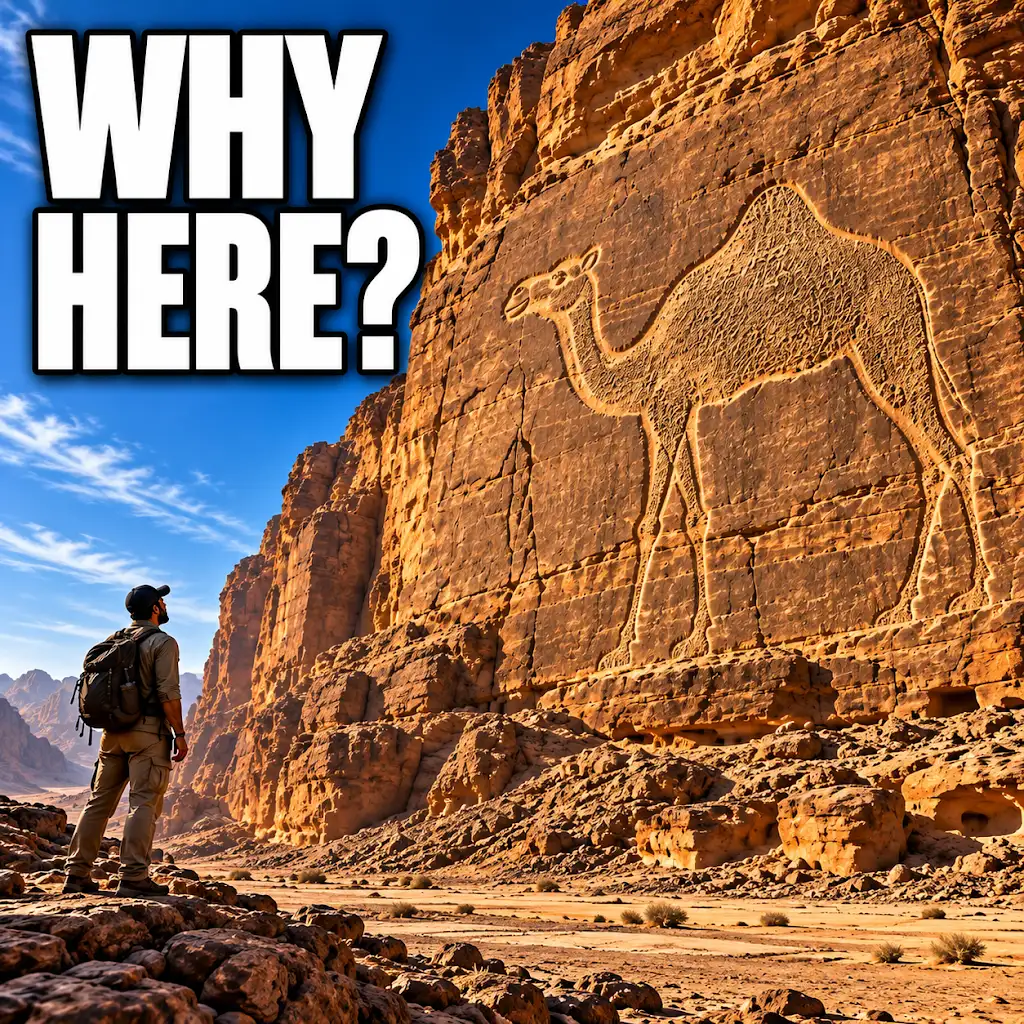
Why Were Giant Camels Carved Above the Desert?
FAQs
What tools did ancient artists use when working at height?
Ancient artists working at height used a variety of tools such as ropes, ladders, scaffolding, and pulleys to access and work on elevated surfaces.
How did ancient artists ensure their safety while working at height?
Ancient artists often tied themselves to secure structures or used safety harnesses to prevent falls while working at height. They also worked in teams to watch out for each other.
What types of artwork did ancient artists create while working at height?
Ancient artists created a wide range of artwork while working at height, including murals, frescoes, sculptures, and architectural decorations on buildings and temples.
Were there any risks or dangers associated with ancient artists working at height?
Yes, there were risks and dangers associated with ancient artists working at height, such as falls, injuries from tools or materials dropping, and exposure to harsh weather conditions.
How did ancient artists develop the skills needed to work at height?
Ancient artists often underwent rigorous training and apprenticeships to develop the physical strength, agility, and technical skills required to work at height safely and effectively.