Ancient Aspirin Evidence Uncovered
The whisper of pain relief, a comforting balm sought since time immemorial, has long been a driving force behind human innovation. For millennia, our ancestors grappled with ailments, their quest for remedies often leading them to the bountiful pharmacopeia of the natural world. Among the most enduring and widely recognized pain relievers is aspirin, a synthetic derivative of a compound found in willow bark. While the modern understanding and mass production of aspirin are relatively recent phenomena, a growing body of archaeological and historical evidence suggests that the therapeutic properties of willow, and by extension, a precursor to aspirin, were recognized and utilized by ancient civilizations thousands of years before its chemical synthesis. This unearthed evidence paints a fascinating picture of early human ingenuity and their sophisticated understanding of natural medicine, challenging our assumptions about the timeline of pharmacological discovery.
The story of aspirin, at its core, is the story of the willow tree. For centuries, cultures across the globe have turned to the bark and leaves of various Salix species for their medicinal properties. This ancient knowledge, often passed down through oral traditions and meticulously recorded in early texts, forms the bedrock upon which modern aspirin production was built. The discovery of these ancient practices is not a single eureka moment but rather a gradual piecing together of clues from diverse sources, revealing a shared, ancient wisdom about this remarkable plant.
Indigenous Wisdom Across Continents
The use of willow for medicinal purposes was not confined to a single region or culture. Evidence points to its widespread adoption by indigenous populations across different continents, indicating an independent discovery of its benefits or a very ancient, shared understanding that predates documented history. These traditions often relied on empirical observation and generations of passed-down knowledge, demonstrating a profound connection between ancient peoples and their natural environment.
Willow in Ancient Mesopotamia
Archaeological findings in Mesopotamia, the cradle of civilization, have provided some of the earliest textual evidence of medicinal practices. Clay tablets, inscribed with cuneiform script, detail various remedies and treatments for a range of ailments. While direct mentions of “aspirin” are, of course, absent, the descriptions of remedies for pain, fever, and inflammation often align with the known effects of willow compounds. These ancient texts suggest that Mesopotamian healers were aware of the antipyretic and analgesic properties of plants, and willow would have been a readily available and likely candidate for such applications. The intricate medical texts discovered in this region highlight a sophisticated understanding of plant-based pharmacology, even without the aid of modern scientific tools.
Ancient Egyptian Applications
The ancient Egyptians, renowned for their advanced medical knowledge and elaborate burial practices that preserved valuable information, also left behind a rich legacy of medicinal texts. Papyri such as the Ebers Papyrus, dating back to around 1550 BCE, detail numerous remedies and prescriptions. Within these ancient scrolls, descriptions of poultices and decoctions intended to alleviate pain and reduce swelling are found, some of which are believed to contain ingredients derived from willow. While specific botanical identifications can be challenging, the symptomatic relief described in the texts strongly suggests the use of willow bark for its anti-inflammatory and pain-relieving properties. The detailed nature of these records underscores the systematic approach the Egyptians took to medicine.
Indigenous Traditions of North America
Long before European settlers arrived, Native American tribes possessed an extensive knowledge of medicinal plants. Willow was a staple in their pharmacopeia, used to treat a variety of ailments, including fever, headaches, rheumatism, and inflammatory conditions. Different tribes employed various methods of preparation, from chewing on willow bark to creating infusions and poultices. The consistent and widespread use of willow across numerous distinct Native American cultures speaks to its recognized efficacy and its importance in their traditional healing practices. These traditions, often preserved through oral histories and passed down through generations, provide invaluable insights into the deep and nuanced understanding of the plant’s medicinal capabilities.
The Chemical Connection: Salicin and Salicylic Acid
The scientific understanding of why willow works as a pain reliever is rooted in the discovery of its active compounds: salicin and its derivative, salicylic acid. Salicin, a glycoside, is metabolized in the body into salicylic acid, which possesses analgesic, anti-inflammatory, and antipyretic properties. This chemical understanding, however, is a relatively recent development. The ancient practitioners, through observation and experimentation, arrived at the same therapeutic conclusions without understanding the underlying chemistry.
Early Chemical Discoveries
The isolation and identification of salicin occurred in the 19th century by German chemist Johann Andreas Buchner. Later, Felix Hoffmann, working for Bayer, synthesized acetylsalicylic acid (aspirin) in 1897, creating a more stable and less irritating form of salicylic acid, revolutionizing pain relief and making it accessible to the masses. This scientific breakthrough was a culmination of centuries of observation and experimentation, building upon the foundational knowledge of willow’s medicinal properties. The journey from raw bark to refined pharmaceutical represents a significant leap in scientific and medical understanding.
Bridging the Gap: From Observation to Science
The ancient use of willow, while lacking the scientific rigor of modern pharmacology, was remarkably effective. The consistency of its application across diverse cultures for similar ailments suggests a shared understanding of its benefits, whether through independent discovery or ancient, perhaps lost, cultural exchange. The modern scientific discovery of salicin and salicylic acid validates these ancient practices, demonstrating that empirical observation, even without a detailed chemical understanding, can lead to profound medical insights. This bridging of historical observation and scientific explanation is a testament to the enduring power of human curiosity and the remarkable efficacy of natural remedies.
Recent discoveries have shed light on the use of ancient aspirin, revealing that early civilizations utilized natural remedies for pain relief long before the advent of modern medicine. This fascinating topic is explored in depth in a related article that discusses the historical significance of herbal treatments and their impact on contemporary practices. For more information, you can read the article here: Protecting Your Gold: Safeguarding Against Government Seizure.
Early Texts and the Elusive “Aspirin”
While no ancient text explicitly mentions “aspirin” as we know it, the descriptions of remedies for pain, fever, and inflammation in various historical documents strongly suggest the use of willow. Deciphering these ancient medical prescriptions requires careful consideration of botanical evidence, linguistic nuances, and the symptomatic relief described. The absence of a direct name does not equate to an absence of the remedy.
The Power of Description in Ancient Medical Records
Ancient medical texts often relied on descriptive language to identify plants and their uses. Instead of binomial nomenclature, healers would describe the plant’s appearance, where it grew, and the specific ailments it treated. This makes direct identification challenging but also allows for educated inferences based on the context and known properties of the described symptoms and plant characteristics.
Greek and Roman Physicians’ Accounts
The writings of prominent Greek and Roman physicians offer valuable insights into ancient medicinal practices. Hippocrates, often referred to as the “father of Western medicine,” described the use of infusions made from willow leaves and bark to treat pain and fever. His student, Dioscorides, in his seminal work De Materia Medica, also documented the use of willow for various ailments, including gout and rheumatism. These influential texts, widely circulated and studied for centuries, would have undoubtedly contributed to the dissemination of knowledge about willow’s therapeutic properties. Their detailed observations provided a foundation for future medical understanding.
Traditional Chinese Medicine: A Long History of Willow Use
Traditional Chinese Medicine (TCM) boasts an incredibly long and continuous history of herbal medicine. Texts dating back over two thousand years mention the use of willow bark (known as Liú Pí) for its ability to clear heat, reduce swelling, and relieve pain. These properties align precisely with the known effects of salicylic acid. The detailed classifications and applications within TCM demonstrate a sophisticated understanding of herbal pharmacology that predates many Western discoveries. The longevity and efficacy of TCM practices further underscore the ancient wisdom embedded in the use of willow.
Ayurvedic Medicine in Ancient India
Similarly, ancient Indian Ayurvedic medicine, with its origins stretching back millennia, recognized the healing power of willow. Texts like the Charaka Samhita and Sushruta Samhita describe the use of willow bark for its anti-inflammatory and analgesic properties, recommending it for conditions such as arthritis and fever. The holistic approach of Ayurveda, which emphasizes the balance of bodily energies, integrated herbal remedies like willow into its comprehensive healing system. The continued relevance and practice of Ayurveda today speak to the enduring efficacy of its ancient prescriptions.
The Challenge of Botanical Identification
One of the primary challenges in definitively linking ancient remedies to modern pharmaceuticals is the difficulty in precisely identifying the plant species used. Ancient texts often lack detailed botanical descriptions, and the common names of plants can vary significantly across regions and time periods. However, when multiple independent sources consistently describe the use of a specific plant for a particular set of symptoms that are now known to be treatable by willow compounds, the evidence becomes compelling.
Linguistic Clues and Regional Flora
Researchers meticulously analyze linguistic clues within ancient texts, correlating them with the known flora of the geographical regions mentioned. This interdisciplinary approach, combining linguistics, botany, and history, allows for more accurate plant identifications. For instance, understanding ancient terms for “bitter,” “tree,” and “bark,” and cross-referencing them with local plant life, can lead to strong indications of willow usage. The availability of different Salix species in ancient Mesopotamia, Egypt, Greece, Rome, China, and India further supports the widespread use of this genus.
The Symptomatic Connection: A Key Indicator
The most powerful evidence comes from the consistent correlation between the symptoms described in ancient texts and the known effects of willow. When ancient physicians detail remedies for pain, fever, inflammation, headaches, and rheumatic conditions, and these remedies involve preparations from plants that botanists identify as willows, the connection becomes increasingly undeniable. This symptomatic linkage is a crucial piece of the puzzle in uncovering the ancient roots of aspirin.
Archaeological Discoveries: Tangible Evidence of Ancient Healing

Beyond textual records, archaeological discoveries offer tangible evidence of how ancient peoples prepared and utilized medicinal plants, including willow. The recovery of artifacts, plant remains, and even ancient medicinal tools provides direct insight into their healing practices and the materials they employed.
Recent discoveries have shed light on the ancient use of aspirin, revealing that early civilizations may have utilized willow bark for its medicinal properties long before modern pharmaceuticals emerged. This fascinating topic is explored in depth in a related article that discusses the historical significance of natural remedies and their impact on contemporary medicine. For more insights on preparedness and understanding the unexpected, you can read about it here.
Phytoliths and Plant Residues
The analysis of phytoliths – microscopic silica structures found in plant cells – and other organic residues preserved in archaeological contexts can reveal the presence of specific plant species. These microscopic fragments can survive for thousands of years in soil, pottery, and even on ancient tools. Their identification can confirm the use of willow in ancient settlements.
Excavations in Ancient Settlements
Excavations in ancient settlements across the Mediterranean, the Middle East, and Asia have unearthed plant remains that, upon analysis, include evidence of Salix species. The context in which these remains are found – for example, in domestic settings or near what are believed to be medicinal preparation areas – further strengthens the hypothesis of their medicinal use. The presence of willow alongside other known medicinal herbs in these contexts paints a clearer picture of ancient pharmacopoeias.
Ancient Utensils and Vessels
The discovery of ancient pottery, mortars, pestles, and other tools used for grinding, mixing, and boiling ingredients can provide further clues. Residue analysis on these artifacts can reveal traces of medicinal plant compounds. If willow bark or leaves were habitually ground or steeped using these tools, the detection of their chemical signatures would offer direct archaeological evidence of their medicinal application. This offers a more hands-on connection to the ancient practice of preparing remedies.
Trepanation and Pain Management in Ancient Times
While not directly related to willow itself, the practice of trepanation – the surgical procedure of drilling or scraping a hole in the skull – found in ancient cultures across the globe, provides context for the persistent need for pain management. The fact that such a drastic procedure was undertaken suggests a significant tolerance for pain or a desperate need for relief, underscoring the value that ancient peoples placed on effective remedies. The likely concurrent use of natural analgesics like willow for less severe ailments further highlights their importance in the ancient world.
Evidence of Surgical Practices
The skeletal remains of individuals who underwent trepanation often show signs of healing, indicating that the procedure was sometimes successful and that individuals survived it. The prevalence of this practice across diverse cultures and time periods suggests a universal human experience with pain and the desire for relief, driving innovation in both surgical and medicinal approaches.
The Role of Natural Analgesics in Post-Surgical Care
While direct evidence is scarce, it is highly probable that natural analgesics, including willow preparations, would have been employed to manage post-operative pain and inflammation following procedures like trepanation. The limited options available to ancient healers would have necessitated the use of the most effective natural remedies at their disposal.
The Legacy of Willow: A Precursor to Modern Medicine

The unearthing of ancient aspirin evidence is more than just a historical curiosity; it represents a profound connection between ancient wisdom and modern scientific advancement. It highlights the continuity of human need and ingenuity, demonstrating that the pursuit of effective pain relief is a thread woven through the tapestry of human history.
From Ancient Remedies to Pharmaceutical Innovation
The journey from observing the willow’s effects to synthesizing aspirin in a laboratory is a testament to scientific progress. However, this progress did not negate the value of ancient knowledge. Instead, it built upon it, refining and standardizing a naturally occurring remedy. The discovery of ancient uses of willow validates the scientific endeavors that led to modern aspirin.
The Ethical and Sustainable Sourcing of Natural Remedies
The resurgence of interest in natural medicine also brings with it an ethical consideration: the sustainable sourcing of medicinal plants. Ancient practices, often deeply integrated with the natural environment, offer lessons in respecting and preserving these valuable resources for future generations. The modern pharmaceutical industry can learn from these ancient models of co-existence with nature.
The Future of Pain Management: A Blend of Tradition and Science
The future of pain management may well lie in a harmonious blend of traditional knowledge and scientific innovation. Understanding the mechanisms behind ancient remedies, like the willow’s analgesic properties, can inspire the development of new, effective, and potentially more natural therapeutic approaches. The ancient wisdom, once hidden in bark and stone, continues to inform and guide our quest for well-being.
The Enduring Power of Nature’s Pharmacy
The evidence uncovered regarding ancient aspirin is a powerful reminder of the incredible potency and diversity of nature’s pharmacy. For millennia, humans have looked to the natural world for healing, and it is increasingly evident that they possessed a sophisticated understanding of these gifts long before the advent of modern science. This ongoing exploration into ancient medicinal practices not only enriches our understanding of the past but also offers valuable insights for the future of medicine. The simple willow tree, once a humble source of relief, now stands as a profound testament to the enduring power of nature and the remarkable foresight of our ancestors. The echoes of their healing practices resonate today, reminding us that sometimes, the oldest remedies hold the most potent answers.
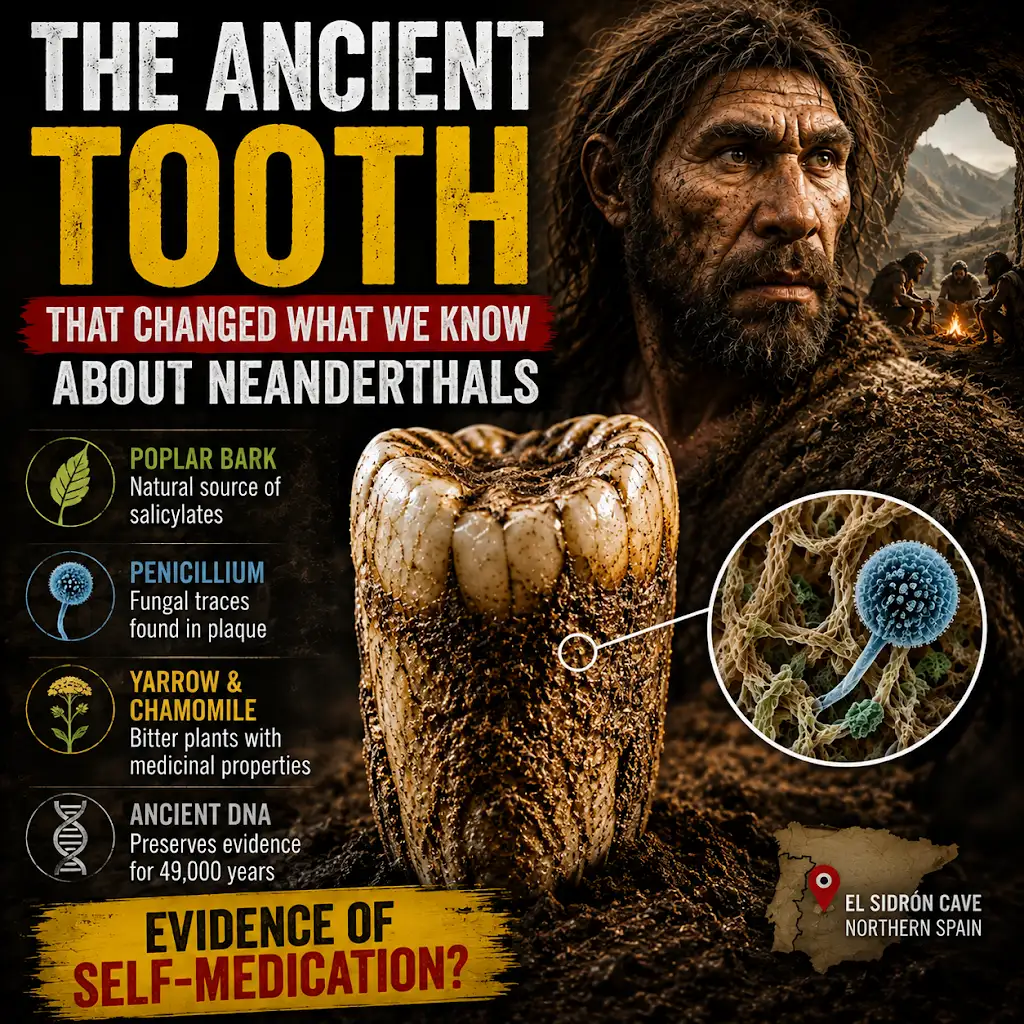
The Ancient Tooth That Changed What We Know About Neanderthals
FAQs
What is the evidence of ancient aspirin use?
Researchers have found evidence of ancient aspirin use in the form of the presence of salicylic acid in the remains of individuals from ancient civilizations. Salicylic acid is a key component of aspirin and its presence in these remains suggests that these ancient people were using a form of aspirin for medicinal purposes.
Which ancient civilizations used aspirin?
Evidence of ancient aspirin use has been found in the remains of individuals from ancient Egypt, Greece, and the Roman Empire. These civilizations are known for their advancements in medicine and it is likely that they were using aspirin for its medicinal properties.
How did ancient civilizations use aspirin?
Ancient civilizations likely used aspirin in the form of willow bark, which contains salicylic acid. Willow bark was often chewed or brewed into a tea for medicinal purposes. The salicylic acid in the willow bark would have provided pain relief and anti-inflammatory effects, similar to modern-day aspirin.
What were the medicinal properties of ancient aspirin?
Ancient aspirin, derived from willow bark, would have had medicinal properties such as pain relief, fever reduction, and anti-inflammatory effects. These properties would have been valuable for treating a variety of ailments and injuries in ancient times.
How does the discovery of ancient aspirin use impact our understanding of ancient medicine?
The discovery of ancient aspirin use provides insight into the advanced medical knowledge and practices of ancient civilizations. It demonstrates that these ancient people had a sophisticated understanding of the medicinal properties of natural substances and were able to effectively use them for therapeutic purposes.