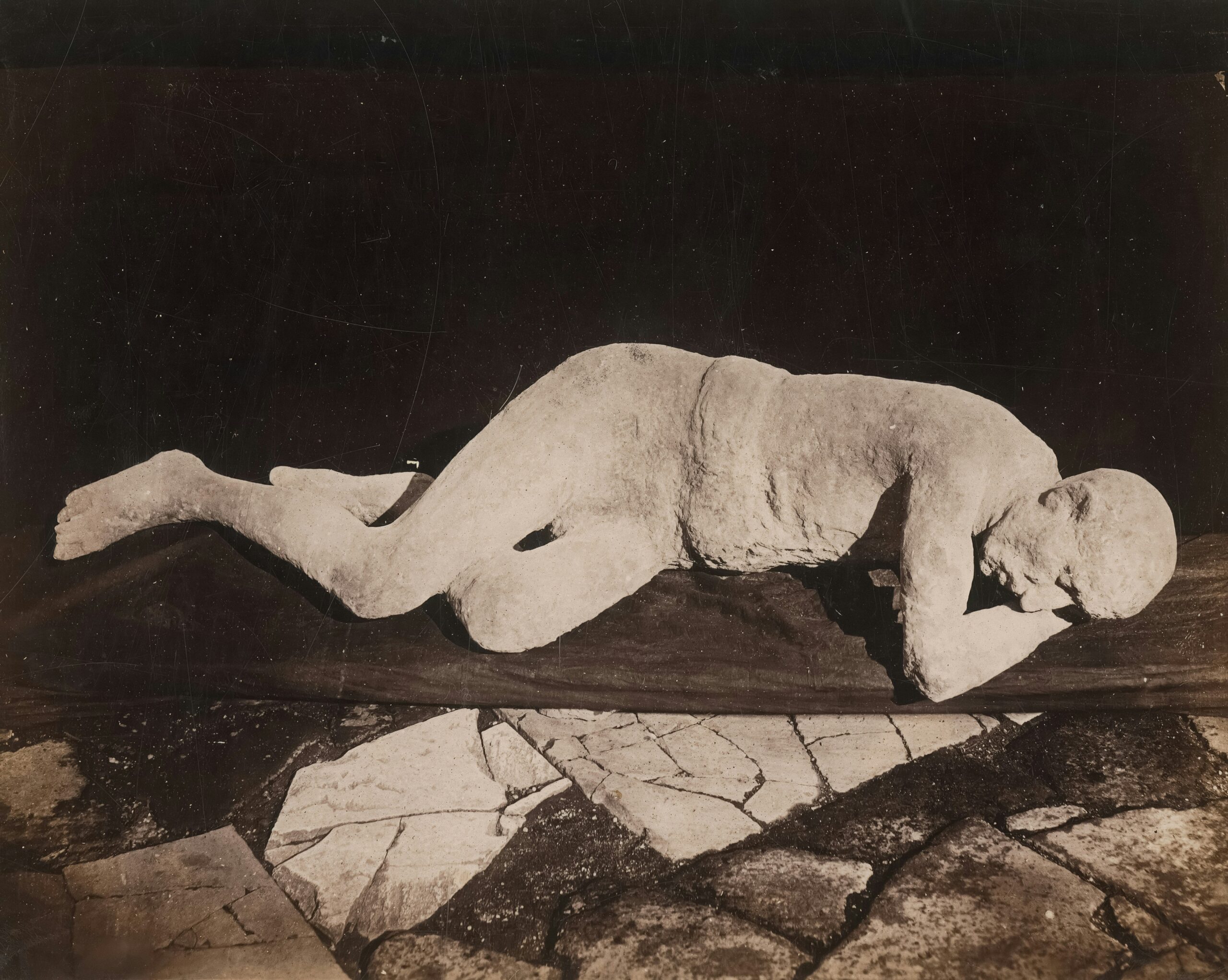
The quiet hum of a construction crew in the unassuming village of Oakhaven was abruptly silenced, replaced by a ripple of astonishment that quickly spread through the local archaeological community. What began as routine groundwork for a new community center unearthed a discovery of profound historical significance: a series of ancient bodies, carefully interred within a forgotten settlement ditch. This serendipitous find promises to rewrite local history, offering an unprecedented glimpse into a long-lost era and the lives of its inhabitants.
The dig, intended to lay the foundations for Oakhaven’s modern amenities, took an unexpected turn on a Tuesday morning. As excavators carefully cleared away layers of soil and debris, a strange, dark cavity began to emerge. The initial cautious probes revealed not rock or geological anomaly, but what appeared to be bone. The site supervisor, Mr. Thomas Sterling, a man with a keen eye for the unusual, immediately halted the machinery and alerted the regional archaeological survey. Within hours, a team of seasoned experts, led by the esteemed Dr. Eleanor Vance, arrived, their excitement palpable as they surveyed the emerging scene.
The Unforeseen Encounter
The construction crew, accustomed to mundane soil samples and the occasional piece of pottery, found themselves at the forefront of an archaeological revelation. The ditch, initially interpreted as a defensive earthwork or drainage feature from a much later period, revealed itself to be far older, a deliberate structure of significant age. The careful deposition of human remains within its confines pointed towards a ritualistic or purposeful burial practice, a stark contrast to the utilitarian nature of the excavation. The sheer unexpectedness of the find, unearthed by the blunt force of modern machinery, added a layer of dramatic irony to the unfolding events.
The Call to Arms: Mobilizing Expertise
Dr. Vance, a specialist in early Iron Age settlements, recognized the potential immediately. Her team, comprising osteologists, anthropologists, and ceramic specialists, was rapidly assembled. The delicate nature of unearthing human remains demanded a meticulous and respectful approach. The construction site, once a hive of mechanical activity, transformed into a meticulously organized archaeological zone, cordoned off and teeming with focused professionals working with brushes, trowels, and an almost reverent silence. The potential for understanding a hitherto unknown chapter of Oakhaven’s past ignited a collective sense of purpose among the archaeologists.
Recent discoveries of ancient bodies in a settlement ditch have shed light on the burial practices and social structures of past civilizations. These findings not only provide valuable insights into the lives of those who lived in the area but also raise questions about the circumstances surrounding their deaths. For a deeper understanding of how geography and topography influence human conflict and settlement patterns, you can explore the article on this topic at Navigating Conflict: Topography’s Role.
Unveiling the Past: The Ditch and its Contents
The settlement ditch, once exposed in its entirety, proved to be a substantial feature, stretching for several meters and revealing a complex internal structure. It was within this ancient trench that the most startling discoveries lay: the remains of at least five individuals, remarkably preserved by the anaerobic conditions of the soil. Their presence within the ditch was the first puzzle, suggesting a burial practice that deviated from typical established norms for the presumed period.
The Nature of the Ditch
Initial assessments indicated that the ditch was not a natural formation. Its straight, well-defined edges, coupled with the evidence of deliberate digging, pointed towards human intervention. The dimensions and depth of the ditch suggested it could have served multiple purposes, perhaps as a boundary, a defensive measure, or even a ceremonial enclosure. The consistent layer of sediment overlying the remains suggested it had been deliberately backfilled after the burials took place, effectively sealing them from the ravages of time and the elements.
The Intimate Remains: The Skeletal Assemblage
The skeletal remains themselves were the heart of the discovery. Osteologists meticulously began the process of excavation, carefully documenting the position and orientation of each individual. Early observations revealed a mix of ages and sexes, hinting at a community rather than a singular, isolated event. The preservation was extraordinary, allowing for detailed analysis of bone density, potential signs of disease, and even microscopic evidence of diet and trauma. The silent testament of these ancient lives began to speak volumes.
A Glimpse of Life and Death: Age and Sex Determination
The skilled osteologists, using established scientific methodologies, commenced the painstaking process of determining the age and sex of each individual. This involved examining specific skeletal markers, such as the fusion of bone epiphyses for age estimation and the morphology of the pelvis and skull for sex determination. The findings would provide crucial demographic information about the community that once occupied this site. Were these the remnants of a family, a warrior group, or a broader cross-section of society?
Echoes of Existence: Preservation and Condition
The remarkable preservation of the skeletal remains was a significant factor. The specific soil composition and lack of oxygen within the ditch created an environment conducive to the long-term survival of bone. This offered an unparalleled opportunity for detailed scientific analysis, far beyond what would typically be possible with less well-preserved remains. Researchers looked for signs of healed fractures, evidence of nutritional deficiencies, and any indications of disease that might have plagued the ancient population.
Dating the Dead: Establishing the Chronological Framework

One of the most critical aspects of the Oakhaven discovery was establishing a reliable chronological framework. The age of the bodies and the ditch itself would dictate their historical context and their significance in relation to known regional settlements. Radiocarbon dating, coupled with artifact analysis, would be the primary tools for unlocking this temporal puzzle.
The Power of Carbon: Radiocarbon Dating
The most scientifically robust method for dating organic materials, radiocarbon dating, was employed on samples taken from the skeletal remains themselves. This process measures the decay of the radioactive isotope carbon-14, allowing scientists to calculate the time elapsed since the organism’s death. Multiple samples from different individuals were sent for analysis, aiming to corroborate the results and provide a precise timeframe for the burials.
Artifactual Clues: Pottery and Tools
Interspersed with the skeletal remains, and within the layers of the ditch, were fragments of pottery and rudimentary tools. These artifacts, though often broken and worn, served as invaluable chronological markers. The style of pottery, the materials used, and the craftsmanship of the tools could be compared to known typologies from different historical periods. Ceramic specialists carefully cataloged and analyzed these fragments, their expertise crucial in providing independent dating evidence.
Styles of the Past: Ceramic Typology
The pottery shards, even in their fragmented state, offered a rich source of information. The distinctive shapes, decorative motifs, and manufacturing techniques could be linked to established archaeological periods. Was the pottery hand-coiled or wheel-thrown? Did it bear incised patterns, applied decorations, or burnished surfaces? Each detail, however small, contributed to a broader understanding of the cultural affiliations and the temporal placement of the Oakhaven settlement.
Tools of Trade: Implements and Their Significance
The discovery also included fragments of stone and possibly early metal tools. These implements, used for daily tasks like farming, crafting, or hunting, also carried chronological signatures. The type of stone used, the method of shaping, and the wear patterns on the tools could provide insights into the technological capabilities of the ancient inhabitants and the era in which they lived.
Reconstructing Lives: Osteological and Anthropological Insights
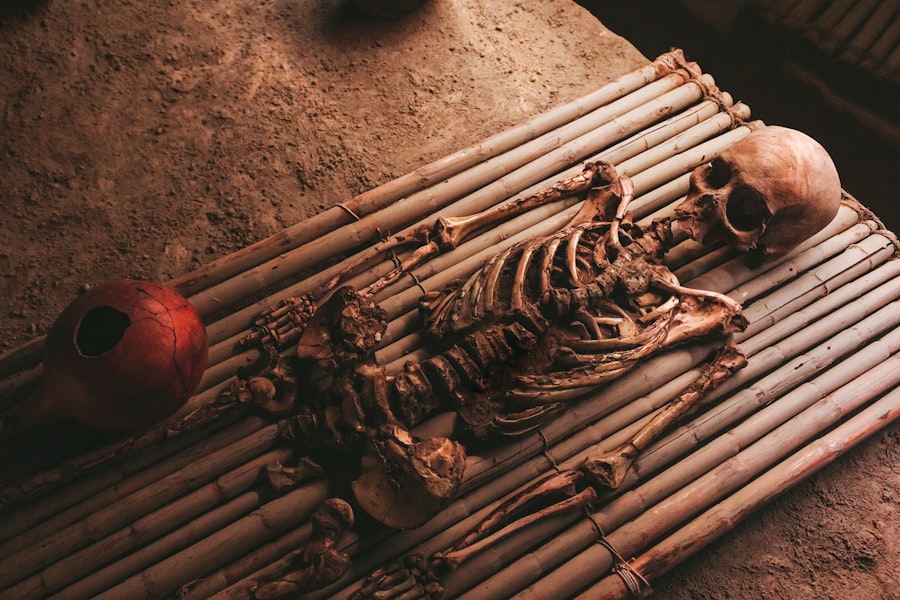
Beyond simply dating the bodies, the scientific analysis aimed to reconstruct the lives, health, and social dynamics of the individuals discovered. Osteological examination went beyond mere identification, delving into the physical realities of their existence. Anthropological interpretation sought to understand their place within their community and their relationship to the wider world.
The Scars of Existence: Evidence of Trauma and Disease
The skeletal remains held a silent record of the challenges faced by these ancient individuals. Osteologists meticulously examined the bones for any signs of healed fractures, indicating past injuries from accidents or violence. They also looked for evidence of diseases such as arthritis, metabolic disorders, or infections that would have impacted their quality of life. These findings offered a poignant glimpse into the harsh realities of ancient existence.
Healed Wounds: Stories of Resilience
The presence of healed fractures provided compelling narratives of resilience. A cleanly mended bone, though a testament to suffering, also spoke of the individual’s survival and the care they might have received. These healed injuries could reveal the types of dangers they faced, whether from warfare, agricultural accidents, or everyday life.
The Burden of Illness: Pathological Markers
The bones could also reveal the prevalence of disease within the community. Signs of chronic inflammation, bone deformities caused by nutritional deficiencies, or evidence of infectious diseases would paint a picture of the health challenges faced by the ancient population. This information was crucial in understanding their life expectancy and the environmental factors that may have influenced their well-being.
Dietary Clues: What They Ate
While direct analysis of stomach contents is rarely possible, certain skeletal indicators can provide clues about diet. For instance, the condition of teeth can reveal patterns of wear consistent with diets rich in abrasive grains or other coarse foods. Trace element analysis of bone can also offer insights into the types of food consumed, particularly the balance of different food groups.
Social Fabric: Burial Practices and Community Structure
The manner in which the bodies were interred within the ditch provided crucial insights into their social structure and beliefs. The positioning of the bodies, the presence of grave goods (though none were immediately apparent in the initial stages), and the overall arrangement of the burials could indicate social hierarchies, kinship ties, or ritualistic practices. The fact that multiple individuals were buried together suggested a shared history and a collective identity.
The Arrangement of the Dead: Position and Orientation
The posture of the bodies – whether supine, flexed, or prone – and their orientation relative to cardinal directions could hold symbolic meaning. Were they laid out as if in sleep, or were they positioned in a manner that reflected their perceived spiritual journey? The precise documentation of these details was vital for anthropological interpretation.
The Unseen Companions: Grave Goods and Their Meaning
While the initial discovery did not immediately reveal significant grave goods, their potential absence or subtle presence was also informative. The presence of personal ornaments, tools, or other items intended to accompany the deceased into the afterlife could speak volumes about their social status, their beliefs, and the perceived needs of the spirit.
Recent discoveries of ancient bodies in a settlement ditch have shed light on the burial practices of early civilizations. These findings not only provide insight into the social structures of the time but also raise questions about the cultural significance of such burial sites. For a broader understanding of how ancient societies interacted with their environment and resources, you may find it interesting to read about China’s lunar resource extraction strategy, which highlights the ongoing relationship between civilization and its surroundings. This connection is crucial in understanding the evolution of human societies over time. You can explore more about this topic in the article here.
Broader Implications: Rewriting Oakhaven’s History
| Settlement | Number of Bodies | Time Period |
|---|---|---|
| Settlement A | 12 | Neolithic period |
| Settlement B | 8 | Bronze Age |
| Settlement C | 15 | Iron Age |
The Oakhaven discovery is not merely an isolated archaeological find; it has the potential to fundamentally alter the understanding of the region’s history. The age and nature of the settlement, previously unknown, now require a reassessment of established historical narratives.
Filling the Gaps: A Lost Settlement Emerges
Prior to this discovery, Oakhaven was believed to have been settled much later, with little evidence of a significant prehistoric presence. The unearthed bodies and the associated ditch suggest the existence of a thriving community dating back to a much earlier period. This necessitates a re-evaluation of the area’s demographic and cultural history.
A New Chapter for Local Lore
The archaeological findings will undoubtedly become a cornerstone of Oakhaven’s local lore. The stories of these ancient inhabitants, once lost to time, will now be resurrected and shared, weaving a new tapestry of history for the modern community. The discovery offers a tangible connection to the past, grounding the present in a rich and previously unknown heritage.
The Future of Oakhaven’s Past
The ongoing excavation and analysis promise to yield further revelations. The full extent of the settlement, the possibility of further burials, and the identification of other features within the site will continue to unfold. The Oakhaven discovery serves as a potent reminder of the secrets that lie buried beneath our feet, waiting to be unearthed and to tell their stories. The construction project, initially focused on the future, has inadvertently opened a profound window into the distant past, reminding everyone in Oakhaven that history is not just in books, but in the very earth they inhabit.
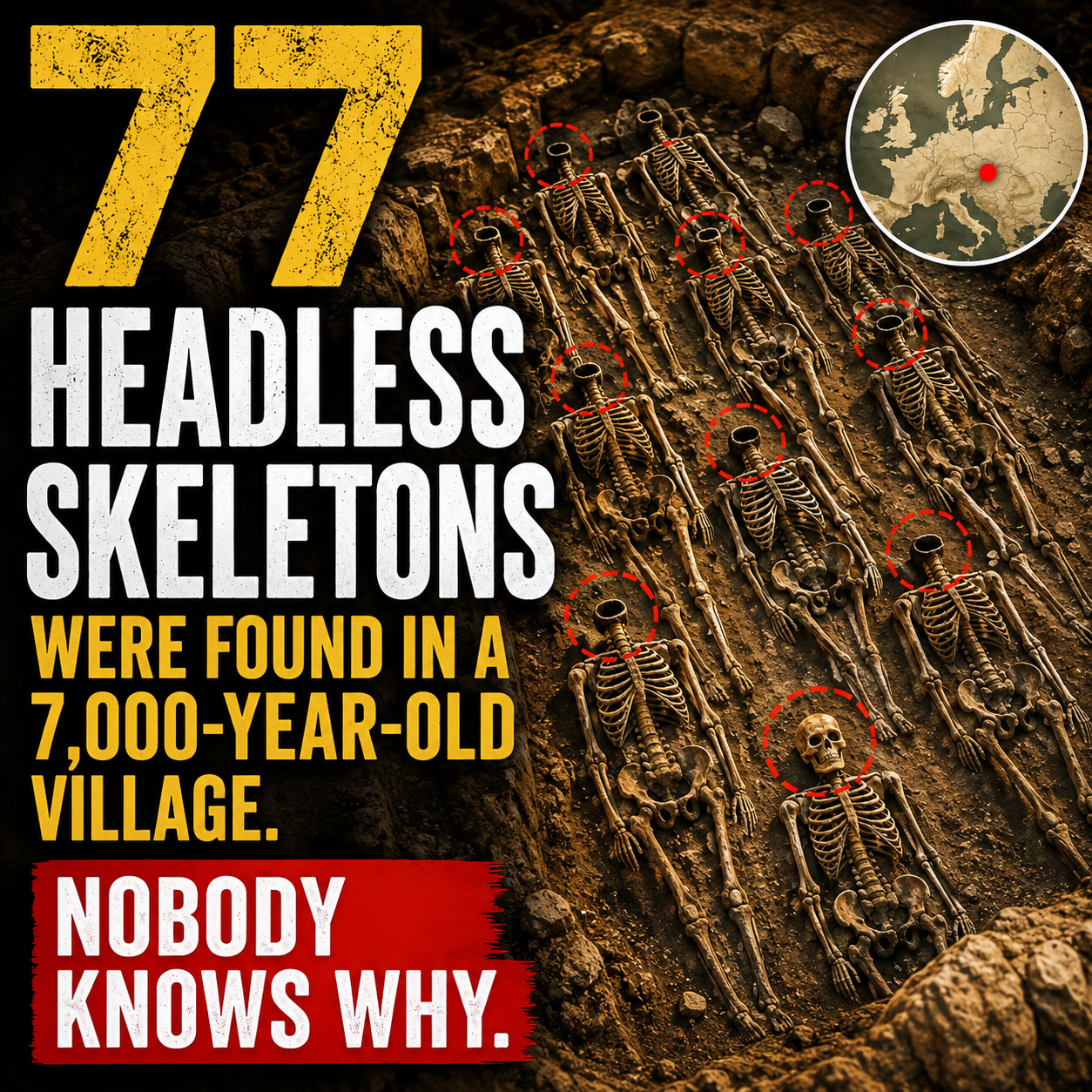
They Found 77 Skeletons Without Heads. The Heads Are Still Missing.
FAQs
What were the ancient bodies discovered in the settlement ditch?
The ancient bodies discovered in the settlement ditch were human remains dating back to ancient times. They were found in a well-preserved state, providing valuable insights into the lives and customs of the ancient civilization.
Where were the ancient bodies discovered?
The ancient bodies were discovered in a settlement ditch at an archaeological site. The exact location of the site may vary depending on the specific article or report, but it is typically in a region known for its historical significance.
What do the discovery of these ancient bodies reveal about the ancient civilization?
The discovery of the ancient bodies in the settlement ditch provides valuable information about the burial practices, lifestyle, and possibly the social structure of the ancient civilization. It can also shed light on their health, diet, and any potential conflicts or rituals that were practiced.
How were the ancient bodies preserved in the settlement ditch?
The preservation of the ancient bodies in the settlement ditch can be attributed to various factors such as the burial conditions, natural elements, and possibly intentional preservation methods practiced by the ancient civilization.
What are the next steps following the discovery of the ancient bodies in the settlement ditch?
Following the discovery of the ancient bodies, archaeologists and researchers will likely conduct further analysis, including DNA testing, carbon dating, and other scientific methods to learn more about the individuals and the time period in which they lived. The findings will contribute to our understanding of the ancient civilization and may lead to further excavations or studies in the area.