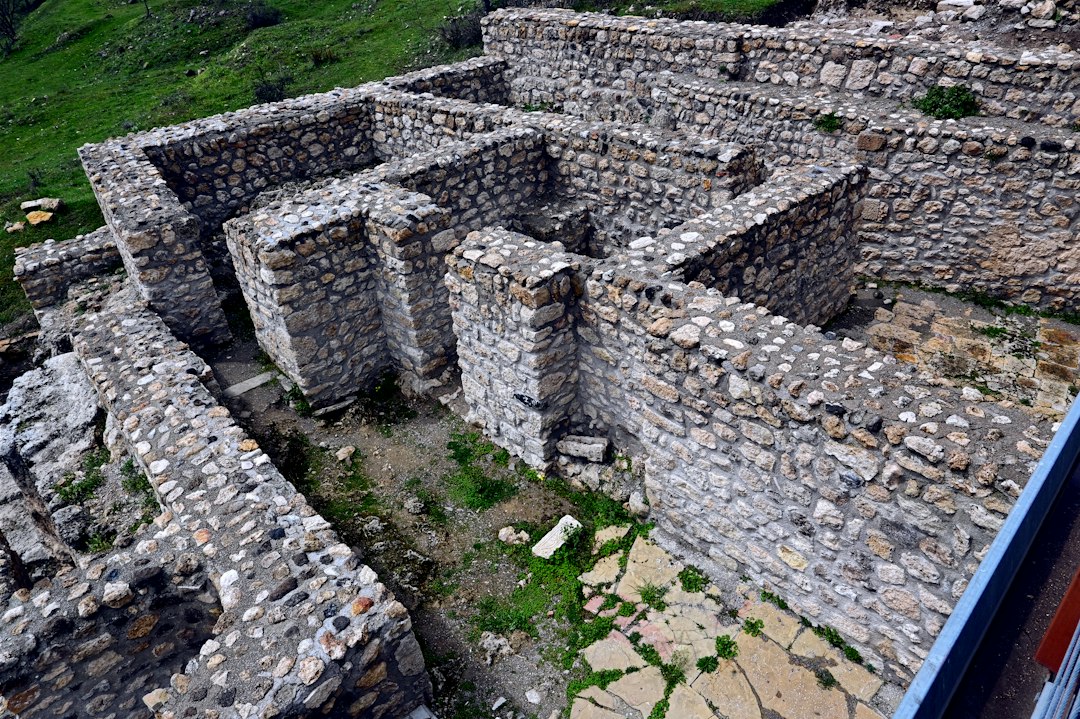
Tracing the Arteries of Antiquity: The Ancient Cities Transit Corridor
The dust of millennia often obscures the intricate planning and sophisticated infrastructure that underpinned ancient urban life. While we marvel at monumental architecture and the grandeur of lost civilizations, a deeper understanding lies in how these cities functioned, how people and goods moved, and how interconnectedness shaped their growth and resilience. The concept of an “Ancient Cities Transit Corridor” moves beyond individual metropolises to examine the spatial relationships and the deliberate creation of pathways that linked them, fostering trade, cultural exchange, and the very fabric of ancient society. This exploration delves into the emergence, characteristics, and enduring legacy of these vital conduits that allowed civilizations to flourish and expand across vast landscapes.
The study of interconnected ancient cities and their transit corridor layouts reveals fascinating insights into the resilience and ingenuity of early civilizations. A related article that delves deeper into this topic is titled “Unbreakable Ancient Civilization Resilience,” which explores how these urban designs contributed to the sustainability and longevity of ancient societies. For more information, you can read the article here: Unbreakable Ancient Civilization Resilience.
The Genesis of Connectivity: Foundations of Ancient Transit
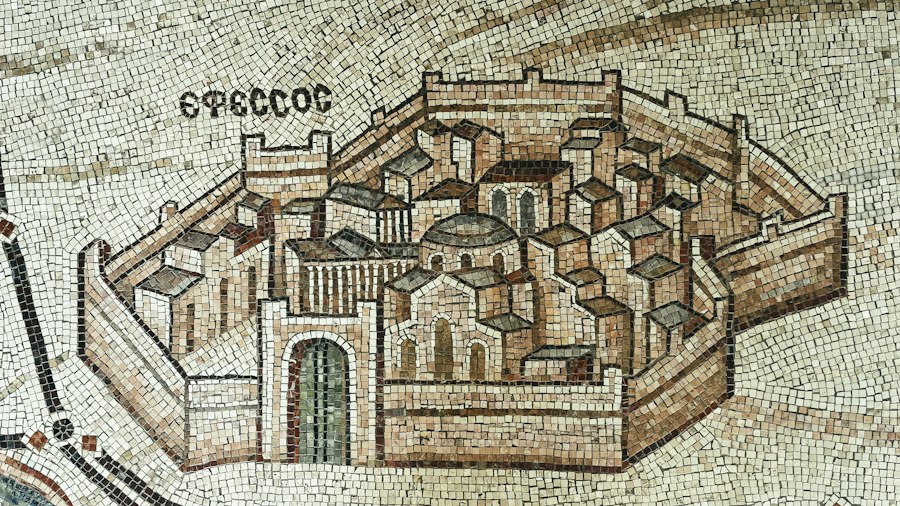
The development of transit corridors in antiquity was not a spontaneous event but a gradual evolution driven by fundamental human needs and technological advancements. Early settlements, often clustered around vital resources like water and arable land, began to exhibit patterns of movement. As populations grew and specialization emerged, the need for more efficient and predictable ways to travel and transport goods became paramount. This led to the conscious development of routes that facilitated exchange between communities.
Early Pathways and Indigenous Networks
Long before the rise of empires, indigenous populations established informal but effective pathways. These were often dictated by topography – following river valleys, natural clearings in forests, or the most accessible mountain passes. These routes, though not formally engineered, were well-trodden and understood by local inhabitants, serving as the initial arteries for localized trade and communication. Evidence of these early networks can be found in the distribution of certain artifacts, suggesting established patterns of movement and exchange even in pre-urban or proto-urban societies. The discovery of obsidian tools far from their volcanic sources, for instance, points to the existence of ancient trade routes that predated formal road construction. These indigenous networks laid the groundwork, demonstrating the inherent human desire for connection and the practical benefits derived from it.
The Rise of Formalized Routes and Infrastructure
The transition from informal pathways to formalized transit corridors marked a significant leap in ancient urban planning. As settlements grew into cities and city-states, the need for more robust and reliable transportation became critical for economic prosperity, military logistics, and administrative control. This era saw the deliberate construction of roads, bridges, and harbors. These weren’t just cleared paths; they were often engineered to withstand heavy use and varied weather conditions. The development of these infrastructures was a testament to organized labor, resource management, and a foresight into the long-term benefits of connectivity. The Roman road network, a prime example, exemplifies this formalized approach, with its meticulously constructed paved surfaces, drainage systems, and consistent gradients, all designed for efficient and rapid movement.
Strategic Placement and Resource Access
The establishment of transit corridors was intrinsically linked to strategic considerations and resource accessibility. Routes were often deliberately routed to connect major population centers, fertile agricultural regions, valuable mineral deposits, and strategically important defensive locations. This ensured the flow of essential supplies, facilitated the movement of troops, and promoted economic interdependence between different settlements. The Silk Road, while primarily known for luxury goods, also served to connect vast swathes of territory rich in resources, from the silkworm cultivation areas of China to the precious metals and gemstones found in Central Asia and beyond. The careful selection of routes was a form of land management, shaping the development and growth of entire regions by prioritizing access to what was deemed essential for survival and prosperity.
The Anatomy of Ancient Connectivity: Features of Transit Corridors
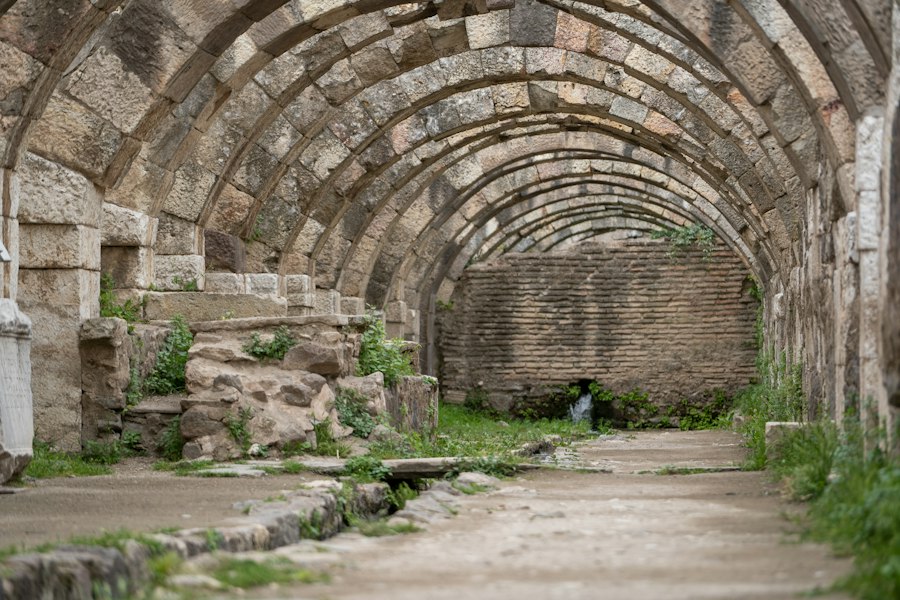
Ancient transit corridors were not monolithic entities. They were complex systems, each adapted to its specific geographical, cultural, and technological context. Understanding their features reveals the ingenuity and practicality of ancient engineers and planners.
Roadways, Rivers, and Sea Lanes: The Multimodal Network
The most visible element of many ancient transit corridors was the network of roads. These varied in construction from simple dirt tracks to elaborate paved highways. However, transit was rarely limited to land-based routes. Rivers served as natural highways, facilitating the movement of bulk goods and people upstream and downstream with relative ease. The Nile in Egypt, the Tigris and Euphrates in Mesopotamia, and the great rivers of Europe were crucial arteries of trade and communication. Furthermore, maritime trade routes connected distant cities and entire continents. The Mediterranean Sea, for example, was a vibrant nexus of commerce, with bustling ports and well-established sea lanes that facilitated the exchange of goods and ideas between civilizations from Greece and Rome to North Africa and the Levant. These multimodal networks allowed for a flexible and efficient flow of traffic, with goods often transferred between different modes of transport.
Wayfinding and Support Systems: Facilitating the Journey
The success of ancient transit corridors depended not only on the pathways themselves but also on the support systems that facilitated the journey. Wayfinding was crucial. This included the use of landmarks, signposts, and even cairns in less defined areas. More importantly, the development of rest stops, inns, and supply depots along major routes provided essential services for travelers and merchants. These could range from simple watering holes and shelters to more elaborate roadside inns offering food, lodging, and animal fodder. The Roman mansiones and mutationes are classic examples of such infrastructure, strategically placed along major roads to provide rest and fresh horses for official travelers and couriers, significantly speeding up communication and travel.
Bridges, Tunnels, and Ports: Engineering Marvels of Connection
The construction of significant engineering feats was often necessary to overcome geographical obstacles and enhance the efficiency of transit corridors. Bridges, spanning rivers and ravines, were vital for maintaining continuous routes. The stone and wooden bridges of the Roman Empire, some of which still stand today, are testaments to their advanced engineering capabilities. In mountainous regions, tunnels were sometimes excavated to shorten travel times and avoid treacherous passes. Along coastlines and major waterways, sophisticated port facilities were developed. These included docks, breakwaters, warehouses, and cranes, enabling the efficient loading and unloading of goods and the sheltering of vessels. The harbors of Alexandria, Piraeus, and Carthage were not just landing points but complex economic hubs that fueled regional and intercontinental trade.
Case Studies in Interconnectedness: Exemplars of Ancient Transit Corridors
Examining specific examples of ancient transit corridors provides tangible evidence of their impact and the diverse forms they took across different civilizations. These case studies highlight the strategic planning, engineering prowess, and profound influence these networks had on the societies they connected.
The Roman Road Network: An Empire’s Arteries
The Roman Empire is perhaps the most celebrated example of a civilization built upon an extensive and sophisticated transit network. The Roman roads, famously described as leading to Rome, were far more than mere pathways; they were strategic instruments of empire. Constructed with remarkable precision and durability, these paved roads facilitated the rapid movement of legions, enabling swift responses to rebellions and efficient territorial expansion. Beyond military applications, the roads were crucial for trade, allowing for the reliable transport of goods across vast distances, fostering economic integration within the empire. The construction itself, often involving multiple layers of stone and gravel, was a testament to Roman engineering and organization. The Cursus Publicus, the Roman state-run postal and transportation service, relied heavily on this infrastructure, demonstrating its importance for communication and administration. The sheer scale and meticulous planning of the Roman road network, stretching for tens of thousands of miles across Europe, North Africa, and the Middle East, cemented its place as a defining feature of ancient connectivity.
The Silk Road: A Tapestry of Exchange
The Silk Road was not a single, paved highway but a sprawling network of overland and maritime routes that connected the East and West for centuries. Its name, derived from the lucrative trade in Chinese silk, belies the immense diversity of goods, ideas, and cultures that traversed its paths. From silk and spices to precious metals, technologies, and religions, the Silk Road fostered unprecedented intercultural exchange. Cities that lay along its routes, such as Samarkand, Bukhara, and Palmyra, flourished as vital entrepôts, becoming cosmopolitan centers where merchants, scholars, and travelers from disparate lands converged. The challenges of traversing such vast and varied terrain – deserts, mountains, and steppes – necessitated the development of specialized knowledge and infrastructure, including caravanserais, wells, and skilled guides. The Silk Road stands as a prime example of a transnational transit corridor that shaped global history through the sustained movement of people and their innovations.
The Mesopotamian River Systems: Lifelines of Early Civilization
In the fertile crescent, the Tigris and Euphrates rivers served as the fundamental transit corridors for some of the earliest civilizations. These powerful waterways were natural highways, enabling the transportation of agricultural surplus, building materials, and manufactured goods. Early Mesopotamian cities, like Ur, Uruk, and Babylon, grew and thrived due to their proximity to these rivers and the trade they facilitated. The development of canals and irrigation systems not only supported agriculture but also extended and improved the navigability of these riverine arteries. Small boats and larger barges moved along these watery pathways, connecting inland settlements to the Persian Gulf and, through it, to distant lands. The river systems were the circulatory system of early Mesopotamian society, vital for its economic sustenance, political organization, and cultural development.
The study of interconnected ancient cities and their transit corridor layouts reveals fascinating insights into the urban planning and trade networks of past civilizations. For a deeper understanding of how these historical frameworks can inform modern infrastructure, you might find it interesting to explore the implications of strategic planning in other contexts, such as space exploration. An intriguing article discussing the dynamics of competition in space can be found here: exploring the final frontier. This connection highlights the importance of strategic corridors, whether on Earth or beyond, in shaping the future of human endeavors.
The Impact and Legacy: Shaping Societies and Civilizations
| City Name | Approximate Era | Transit Corridor Type | Distance to Next City (km) | Primary Transit Mode | Known Trade Goods | Strategic Importance |
|---|---|---|---|---|---|---|
| Babylon | 18th Century BCE | River and Road | 40 | Riverboats, Caravans | Grain, Textiles, Metals | Central hub on Euphrates River |
| Ur | 21st Century BCE | Road | 50 | Caravans | Wool, Pottery, Copper | Access to Persian Gulf trade routes |
| Memphis | 16th Century BCE | River and Road | 30 | Riverboats, Chariots | Grain, Papyrus, Gold | Gateway to Upper Egypt |
| Persepolis | 6th Century BCE | Road | 70 | Caravans, Horseback | Textiles, Spices, Precious Stones | Administrative center of Persian Empire |
| Pompeii | 1st Century BCE | Road and Sea | 20 | Ships, Carts | Wine, Olive Oil, Ceramics | Port city near Naples |
| Chang’an | 7th Century CE | Road | 100 | Caravans, Horses | Silk, Tea, Porcelain | Eastern terminus of Silk Road |
The existence and operation of ancient transit corridors had profound and far-reaching consequences, shaping the very fabric of the societies they served and leaving an indelible mark on the course of human history. Their influence extended beyond mere logistics, impacting economic systems, cultural diffusion, and political power.
Economic Integration and Specialization
Transit corridors were instrumental in fostering economic integration and specialization within and between ancient regions. By facilitating the movement of raw materials and finished goods, they allowed for the development of specialized industries in areas best suited to their production. For example, coastal regions might specialize in fishing and maritime trade, while inland areas focused on agriculture or mining. This interdependence led to increased efficiency and productivity, driving economic growth. The ability to access distant markets also stimulated innovation and the production of surplus goods, further fueling trade. This interconnectedness created complex economic networks that transcended local boundaries, laying the groundwork for early forms of globalized economies.
Cultural Diffusion and the Exchange of Ideas
The movement of people along transit corridors was inevitably accompanied by the movement of ideas, technologies, religions, and artistic styles. Merchants, soldiers, pilgrims, and scholars carried their beliefs and practices with them, leading to a rich tapestry of cultural diffusion. The spread of Greek philosophy and Hellenistic art across the Eastern Mediterranean and into Asia, facilitated by the routes established by Alexander the Great, is a prime example. Similarly, the Silk Road played a pivotal role in the transmission of Buddhism from India to Central Asia and China, and later the spread of Islam across a vast geographical area. These corridors acted as conduits for innovation, allowing for the cross-pollination of knowledge and fostering intellectual and artistic development across diverse cultures.
Political Power and Imperial Expansion
For ancient empires, transit corridors were not just conduits for trade but essential tools for consolidating and projecting political power. The ability to move troops quickly and efficiently along well-maintained roads allowed for the rapid suppression of dissent and the expansion of territorial control. The Roman roads, as mentioned, were vital for maintaining the integrity of their vast empire. Furthermore, control over key transit points – cities, river crossings, or mountain passes – often conferred significant economic and strategic advantages, becoming centers of political influence. The taxation of goods passing through these corridors also provided a crucial source of revenue for ancient states. Thus, transit corridors were intrinsically linked to the rise and fall of empires, shaping their ability to govern and expand.
The study of interconnected ancient cities and their transit corridor layouts reveals fascinating insights into the urban planning and trade networks of the past. For a contemporary perspective on how modern infrastructure can impact economic dynamics, you might find it interesting to read about how Chinese companies are exploiting loopholes in Mexico, which highlights the ongoing relevance of strategic transit routes in shaping economies. This article provides a compelling look at the intersection of ancient practices and modern challenges in global trade. You can explore more about this topic in the article here.
Enduring Echoes: Modern Relevance of Ancient Transit Corridors
While the physical manifestations of ancient transit corridors may have crumbled or been superseded by modern infrastructure, their conceptual and historical significance continues to resonate. Understanding these ancient networks offers valuable insights into the enduring human need for connection and the fundamental principles that govern the flow of goods, ideas, and people.
Lessons for Modern Infrastructure Development
The planning and engineering principles employed in ancient transit corridors hold surprising relevance for modern infrastructure development. The emphasis on strategic placement, efficient design, and the integration of multimodal transport systems can still inform contemporary approaches to building roads, railways, and ports. The understanding of how to overcome geographical challenges, manage resources effectively, and create robust support systems for travelers remains a valuable lesson. Moreover, the recognition of the economic and social impact of well-designed transit networks underscores their importance in fostering development and integration. Examining how ancient civilizations optimized their movement patterns can offer novel perspectives for tackling contemporary transportation challenges.
The Evolution of Globalization and Interconnectedness
The ancient transit corridors can be seen as the precursors to modern globalization. They demonstrate that the desire for exchange and interconnectedness is a fundamental aspect of human civilization. The Silk Road, in particular, offers a compelling parallel to the complex global supply chains of today, highlighting the intricate web of relationships that underpin international trade. The concept of transit corridors, therefore, provides a historical lens through which to understand the evolution of globalization, from localized exchanges to the hyper-connected world we inhabit. They remind us that the foundations of our interconnected world were laid millennia ago by societies that recognized the power of facilitating movement and exchange.
Preserving the Past for Future Understanding
The study and preservation of ancient transit corridors are crucial for understanding our shared human heritage. These sites and networks are not merely archaeological curiosities but living testaments to the ingenuity and aspirations of past civilizations. They offer tangible evidence of how societies organized themselves, interacted with their environments, and shaped their destinies. By understanding the challenges and successes of ancient transit, we gain a deeper appreciation for the long arc of human progress and the enduring importance of connectivity. The preservation of these sites ensures that future generations can continue to learn from these ancient arteries of civilization, drawing inspiration and knowledge from the pathways that once bound the ancient world together.
The 2.7% Statistic That Terrifies Roman Historians
FAQs
What is an interconnected ancient cities transit corridor layout?
An interconnected ancient cities transit corridor layout refers to a network of pathways or roads that connected various ancient cities, allowing for the movement of people, goods, and ideas between these urban centers.
How were interconnected ancient cities transit corridor layouts designed?
These layouts were often carefully planned to optimize transportation efficiency, taking into account factors such as topography, distance between cities, and strategic locations for rest stops or trade hubs along the route.
What were the main purposes of interconnected ancient cities transit corridor layouts?
These transit corridors served multiple purposes, including facilitating trade, cultural exchange, military movements, and the spread of technologies and innovations among the interconnected cities.
Can we still see remnants of interconnected ancient cities transit corridor layouts today?
Yes, in some regions, remnants of these ancient transit corridors can still be observed in the form of ancient roads, pathways, or archaeological sites that provide insights into how these interconnected cities were linked in the past.
What are some famous examples of interconnected ancient cities transit corridor layouts?
Examples of famous interconnected ancient cities transit corridor layouts include the Silk Road in Asia, the Incense Route in the Middle East, and the Roman road network in Europe, all of which played crucial roles in connecting ancient cities and civilizations.