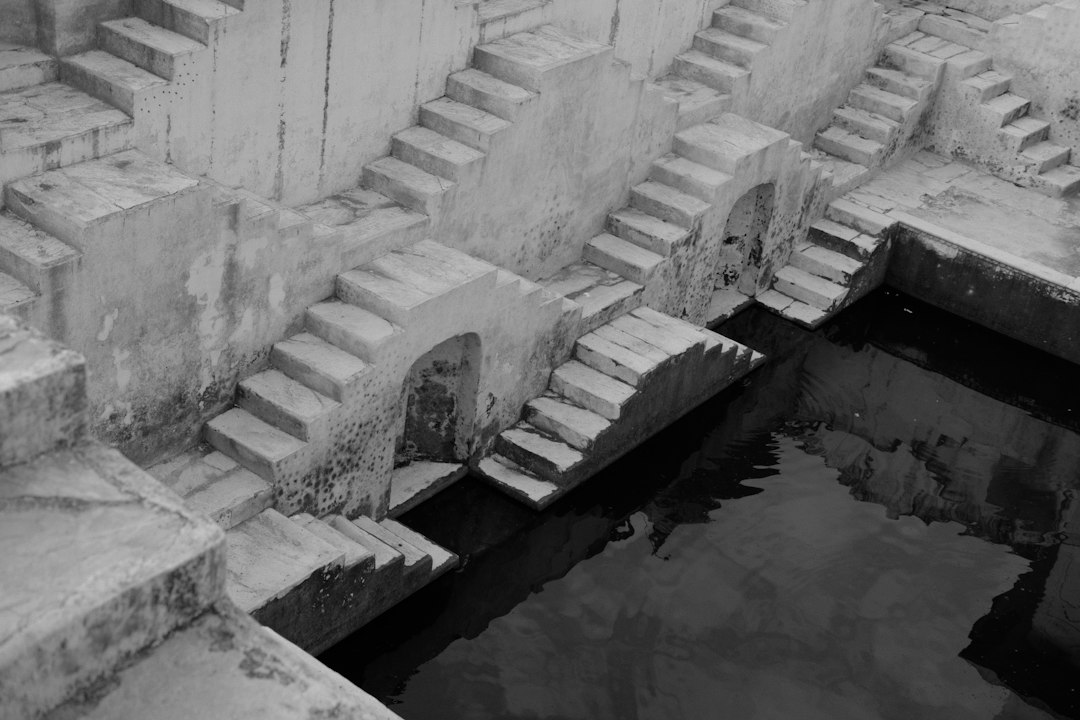
The story of human civilization is inextricably linked to its ability to secure and manage one of the most fundamental resources: water. Long before modern plumbing and vast aqueduct systems, ancient peoples faced the daunting challenge of survival in diverse and often arid environments. Their ingenuity in sourcing, storing, and distributing water laid the groundwork for settled agriculture, the growth of cities, and the flourishing of complex societies. The methods they employed, born out of necessity and observation, were remarkably sophisticated, often adapting to local geography and climate with an intimate understanding of natural processes. From the deserts of Mesopotamia to the highlands of the Andes, these ancient civilizations developed ingenious strategies that continue to inspire awe and offer valuable lessons in sustainable water management.
Harnessing the Flow: Rivers, Springs, and Early Irrigation
The most immediate and accessible sources of water for early human settlements were natural ones: rivers, streams, and springs. The presence of a reliable water source was often the deciding factor in where communities chose to establish themselves, marking the genesis of many of the world’s earliest great cities. The ability to tap into these flows, however, required more than just proximity; it demanded an understanding of their behavior and the development of rudimentary techniques to control and utilize them.
The Lifelines of Mesopotamia: The Tigris and Euphrates
The cradle of civilization, Mesopotamia, owes its existence to the mighty Tigris and Euphrates rivers. These twin arteries provided not only drinking water but also the means to transform arid plains into fertile agricultural land. The Sumerians, Akkadians, Babylonians, and Assyrians all developed sophisticated irrigation systems that were crucial to their prosperity and growth. These systems were not merely passive diversions of river flow; they involved complex engineering and coordinated labor.
Canal Networks and Flood Control
The primary method of irrigation involved constructing intricate networks of canals that diverted water from the rivers to fields. These canals varied in size, from major arteries that transported water over long distances to smaller channels that delivered it directly to individual plots. The construction and maintenance of these canals required significant organizational skills and manpower. Teams of laborers would dig, dredge, and repair the channels, ensuring a continuous and reliable supply of water. Furthermore, the unpredictable nature of the Tigris and Euphrates, prone to both devastating floods and periods of drought, necessitated sophisticated flood control measures. The Mesopotamians built levees and embankments along the riverbanks to protect settlements and fields from inundation. They also developed systems of basins and reservoirs to capture excess water during floods, releasing it gradually during drier periods. This ability to manage the river’s volatile nature was a testament to their advanced understanding of hydraulics and hydrology.
Shadufs and Water Lifting Devices
While gravity played a significant role in delivering water through canals, there were instances where water needed to be lifted from lower to higher elevations, or from wells. The shaduf, a simple yet ingenious device, was widely used throughout the ancient Near East, including Mesopotamia. It consisted of a long pole balanced on a pivot, with a bucket attached to one end and a counterweight on the other. By swinging the pole, a person could efficiently lift water from the river or a well and pour it into a higher channel or irrigation ditch. While seemingly basic, the shaduf significantly increased the amount of water that could be moved by a single person, making small-scale irrigation and localized water distribution more feasible.
Egyptian Ingenuity on the Nile
Similar to Mesopotamia, ancient Egypt was entirely dependent on the Nile River. Its annual inundation, a predictable flood that deposited rich silt, was the lifeblood of Egyptian agriculture and society. The Egyptians developed a deep understanding of the Nile’s rhythms and utilized this knowledge to their advantage, developing techniques that maximized the benefits of the flood.
Basin Irrigation and Nilometers
The ancient Egyptians employed a system known as basin irrigation, where the floodwaters of the Nile were channeled into large, rectangular basins surrounded by earthen dikes. These basins would fill during the inundation, allowing the water to settle and deposit its fertile silt over the cultivated land. After a period of time, the excess water would be drained back into the Nile or into storage reservoirs. This method was remarkably effective in fertilizing the land and ensuring bountiful harvests. To manage this system, the Egyptians developed sophisticated tools for measuring the height of the Nile’s flood. Nilometers, structures built along the riverbank with marked scales, allowed them to predict the flood’s intensity and adjust their irrigation strategies accordingly. A good flood meant prosperity; a poor one could spell famine.
Water Wheels and Saqias
While basin irrigation was dominant, the Egyptians also developed more advanced water-lifting devices for smaller-scale irrigation, particularly for areas not directly benefiting from the annual flood or for gardens. The water wheel, and later the saqia (a type of animal-powered water wheel), were crucial innovations. The saqia, a large wheel with attached pots or buckets, was turned by oxen or donkeys, continuously lifting water from the Nile or canals to irrigate fields at higher elevations. This technology allowed for more intensive agriculture and the cultivation of crops beyond the immediate reach of the annual flood.
Ancient civilizations developed innovative methods to secure water for their communities, often relying on intricate systems of aqueducts, wells, and irrigation channels. These techniques not only supported agriculture but also facilitated the growth of cities and trade. For a deeper understanding of how these ancient societies managed their water resources, you can read the article titled “Uncovering Ancient Water Management Systems” at this link: Uncovering Ancient Water Management Systems.
Subterranean Secrets: Tapping into the Earth’s Reserves
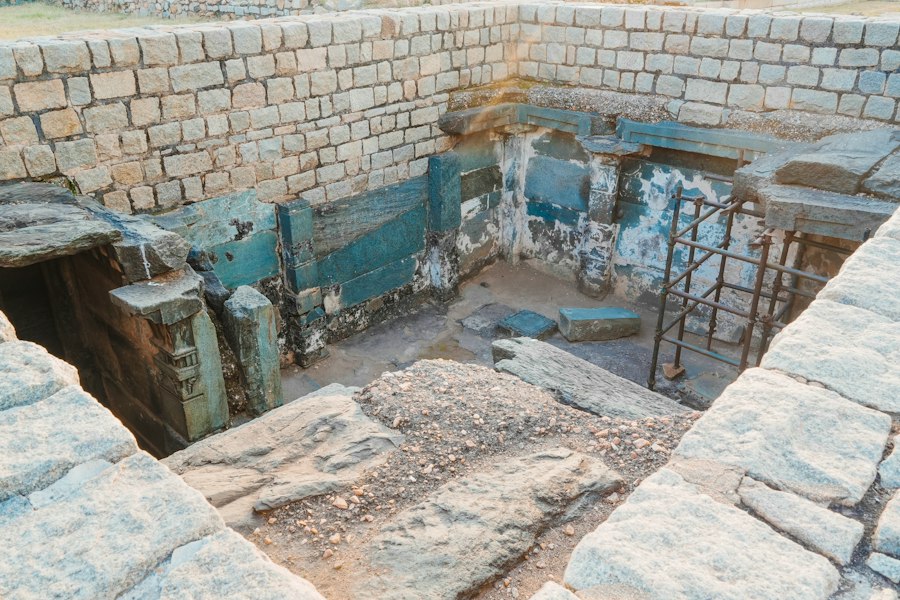
Recognizing the limitations and seasonal variations of surface water, many ancient civilizations turned their attention to the vast, unseen reserves hidden beneath the earth’s surface. Developing methods to access and utilize groundwater was a critical step in ensuring a consistent water supply, especially in arid regions or during times of drought.
The Fabled Qanats of Persia
Perhaps the most remarkable example of ancient groundwater management are the qanats of Persia (modern-day Iran). These ancient underground aqueducts are a testament to meticulous planning, engineering skill, and an intimate understanding of hydrogeology. They represent a sophisticated system for transporting water from aquifers located in foothills to arid plains, often over many kilometers.
Construction and Maintenance of Fountains of Life
The construction of a qanat involved a remarkable process. First, surveyors would identify suitable locations where groundwater was present at a higher elevation than the intended destination. Then, a series of vertical shafts, known as “wells,” were dug downwards to intersect the water table. These shafts were connected by a gently sloping horizontal tunnel, also dug underground. The gradient was crucial: it was steep enough to allow water to flow by gravity but not so steep as to cause erosion or collapse. The excavated soil was brought to the surface through the shafts, often used to create mounds that helped identify the qanat’s location. The maintenance of qanats was a continuous undertaking, with teams of workers regularly clearing silt and debris from the tunnels and shafts to ensure the unimpeded flow of water. These subterranean arteries were the lifeblood of Persian civilization, enabling the cultivation of crops and the sustenance of settlements in otherwise barren landscapes.
Beyond Persia: Spread and Adaptation
The qanat system was not confined to Persia. Its effectiveness led to its adoption and adaptation in many other arid and semi-arid regions throughout the Middle East, North Africa, and even as far as Spain and China. Each region modified the basic concept to suit local geological conditions and available resources, demonstrating the adaptability and ingenuity of this ancient technology. The spread of qanats highlights the interconnectedness of ancient civilizations and the transfer of knowledge and innovation across vast distances.
Roman Innovations: Wells and Cisterns
The Roman Empire, known for its engineering prowess, also excelled in water management, employing a variety of methods for sourcing and storing water, including the effective use of wells and cisterns. While their grand aqueducts are more famous, these more localized solutions were essential for urban and rural supply.
Deep Wells and Water Tables
The Romans dug numerous wells, some of which reached considerable depths to tap into groundwater. They understood the concept of the water table and employed methods to construct stable wells that would not collapse. These wells often served individual households, communities, or were integrated into larger public water systems. The engineering involved in constructing these deep wells, especially in challenging soil conditions, was significant.
Cisterns for Storage and Collection
Cisterns, underground or partially underground reservoirs, were another vital component of Roman water management. They were used for various purposes: collecting rainwater from rooftops, storing water brought by aqueducts for later distribution, and as part of broader water supply systems. Many Roman homes, especially those of the wealthy, had their own cisterns. Public buildings, bathhouses, and military installations also relied on extensive cistern networks. The construction of these cisterns often involved lining them with waterproof plaster, ensuring that the stored water was not lost through seepage. Their ability to store water provided a crucial buffer against periods of low rainfall or disruptions to the main water supply.
Nature’s Reservoirs: Capturing Rain and Dew
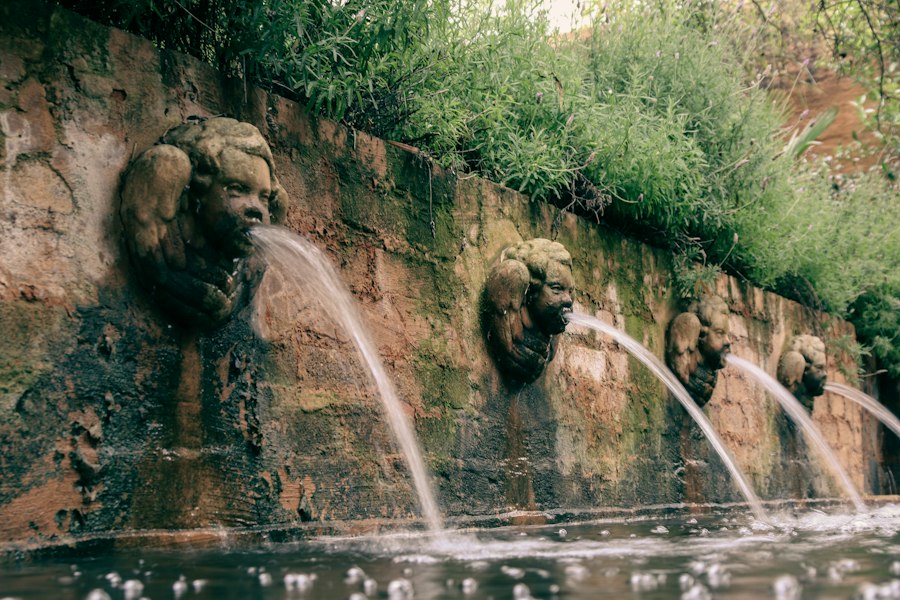
In regions where rivers were scarce or unreliable, and where groundwater was difficult to access, ancient peoples developed ingenious methods for directly capturing precipitation. These systems, often relying on the landscape itself, demonstrate a profound understanding of local weather patterns and water cycles.
The Terraced Systems of the Andes
The Inca Empire, renowned for its sophisticated infrastructure, developed remarkable water management systems in the challenging terrain of the Andes Mountains. Their approach often involved harnessing the steep slopes and frequent rainfall to create a sustainable water supply for their terraced agriculture and settlements.
Contour Farming and Water Retention
The Incas’ iconic agricultural terraces were not just for cultivating crops; they were integral to their water management strategy. Built along the contours of the mountainside, these terraces acted as natural catchments, slowing down rainwater runoff and allowing it to infiltrate the soil. The intricate network of channels and spillways connecting the terraces ensured that water was distributed efficiently, preventing erosion and maximizing its availability for irrigation. The construction itself was a feat of engineering, requiring precise leveling and the use of stone to create stable and functional platforms.
High-Altitude Reservoirs and Springs
Beyond the terraces, the Incas also developed sophisticated systems of reservoirs and canals to capture water from high-altitude springs and meltwater from glaciers. These reservoirs, often lined with stone, stored vast quantities of water, which could then be released as needed through a network of gravity-fed channels. The understanding of gradient and flow was paramount to their design, ensuring water reached the lower agricultural areas and settlements. The Incas were masters of working with the natural environment, using its features to create a water system that supported a large population in a demanding climate.
Ancient Palestine: The Cisterns of the Levant
The arid and semi-arid climate of the Levant, encompassing regions like ancient Palestine, necessitated a strong reliance on rainwater harvesting. The inhabitants of this region developed a deep expertise in constructing and utilizing cisterns to store precious rainfall.
Rock-Cut Cisterns and Their Design
In the Levant, a common and effective method of water collection was the creation of rock-cut cisterns. These were essentially underground reservoirs carved directly into the bedrock. The process involved meticulously excavating large chambers, often with sloping floors leading to a central collection point. The surfaces were then plastered with a waterproof mixture of lime and ash to prevent water loss. Openings to the surface, often concealed, allowed for filling and access. The size and number of these cisterns varied greatly, from small household installations to large public reservoirs capable of holding thousands of liters of water.
Protecting and Managing Rainfall
The success of these cisterns depended on careful planning and management. Catchment areas were often designed to channel rainwater from surrounding surfaces, including rooftops and specially prepared ground, into the cistern. The openings were covered to prevent contamination from debris and animals. During the rainy season, these cisterns would fill, providing a vital supply of water throughout the drier months, supporting agriculture, livestock, and daily life in a region that often experienced prolonged periods of drought.
Innovations in Storage and Distribution
Beyond simply sourcing water, ancient civilizations developed ingenious methods for storing and distributing it efficiently, ensuring that this vital resource could be utilized effectively by their growing populations. These innovations ranged from monumental feats of engineering to clever adaptations of natural materials.
The Marvels of Roman Aqueducts
The Roman Empire’s aqueducts are perhaps the most iconic examples of ancient water engineering. These massive structures, spanning miles and often crossing valleys and plains, represent a monumental achievement in transporting water from distant sources to urban centers, enabling the growth of large cities and supporting public health and sanitation.
Gravity-Fed Systems and Precision Engineering
Roman aqueducts were primarily gravity-fed systems. Engineers meticulously calculated gradients to ensure a constant, albeit slow, flow of water from the source to the destination. This required an exceptional understanding of surveying, hydraulics, and construction. The aqueducts were not always above ground; they often consisted of a series of tunnels, channels, and bridges, adapting to the topography. The construction involved skilled laborers, precise measurement, and the use of durable materials like concrete and stone. The scale of these projects was immense, often requiring thousands of workers and decades to complete.
Distribution Networks and Public Access
Upon reaching urban centers, the water from the aqueducts was distributed through a complex network of lead pipes and ceramic channels. This water fed public fountains, bathhouses, latrines, and private residences of the wealthy. The Roman emphasis on public health and hygiene meant that access to clean water was a priority, and the aqueducts played a critical role in supporting this. The system also allowed for the diversion of wastewater, further contributing to the sanitation of their cities.
Mesopotamian Reservoirs and Water Management Systems
While Roman aqueducts are more visually striking, Mesopotamian civilizations also developed sophisticated methods for storing and managing water, particularly in the context of their extensive irrigation systems.
Large-Scale Reservoirs for Irrigation and Supply
To supplement their canal systems and buffer against periods of low river flow, Mesopotamians constructed large reservoirs. These were often earthworks, excavated basins designed to store water diverted from rivers or collected from rainfall. These reservoirs served a dual purpose: providing a reserve for irrigation during dry spells and supplying water for urban use. The management of these reservoirs was a complex task, requiring coordination among various agricultural communities and city authorities to ensure equitable distribution and prevent overuse.
The Role of Water Gates and Control Structures
The flow of water into and out of these reservoirs, as well as within the canal networks, was carefully controlled using water gates and other rudimentary structures. These allowed for the regulation of water levels, the diversion of water to specific areas, and the prevention of flooding. The development of these control mechanisms demonstrates an understanding of how to actively manage water resources rather than simply relying on natural flows.
Ancient civilizations developed various ingenious methods to secure water, which was essential for their survival and growth. They constructed aqueducts, built intricate irrigation systems, and even dug wells to access underground water sources. For a deeper understanding of how these societies managed their resources, you can explore a related article that discusses the complexities of trade and resource management in ancient times. This article provides insights into the interconnectedness of civilizations and their strategies for sustaining life, which can be found here.
The Legacy of Thirst Quenchers: Enduring Principles
| Ancient Civilization | Water Source | Method of Water Collection | Innovations/Techniques | Purpose |
|---|---|---|---|---|
| Mesopotamia | Tigris and Euphrates Rivers | Irrigation canals and dikes | Canal networks to divert river water to fields | Agriculture and drinking water |
| Ancient Egypt | Nile River | Shaduf (manual water lifting), basin irrigation | Seasonal flooding management and basin irrigation | Crop irrigation and domestic use |
| Indus Valley | Rivers and groundwater | Wells and sophisticated drainage systems | Urban water management with wells and covered drains | Urban sanitation and agriculture |
| Ancient Rome | Rivers, springs | Aqueducts | Engineering of long-distance aqueducts to transport water | Public baths, fountains, and irrigation |
| Ancient China | Rivers and rainfall | Canals, wells, and water storage systems | Dujiangyan irrigation system for flood control and irrigation | Agriculture and flood management |
| Ancient Peru (Inca) | Mountain streams and rainfall | Terrace irrigation and aqueducts | Stone canals and terraces to conserve water and soil | Agriculture in mountainous terrain |
The ingenuity displayed by ancient civilizations in sourcing water for survival is not merely a historical curiosity; it offers enduring lessons for contemporary water management challenges. Their deep understanding of natural systems, their commitment to labor and organization, and their innovative engineering solutions continue to resonate.
Understanding the Water Cycle and Local Environments
A hallmark of ancient water management was a profound, practical understanding of the local environment and the water cycle. They observed patterns of rainfall, river behavior, and groundwater levels with meticulous care. Their solutions were not generic; they were tailored to the specific conditions of their region, whether it was harnessing the annual flood of the Nile or tapping into deep aquifers in arid lands. This localized approach, born out of necessity, stands in contrast to many modern, often one-size-fits-all, solutions.
The Importance of Community and Labor
The construction and maintenance of these water systems often required immense communal effort and organized labor. From digging canals to building reservoirs and maintaining qanats, the success of these ancient endeavors was dependent on collective action. This highlights the crucial role of social organization and shared responsibility in ensuring access to water, a principle that remains relevant in addressing contemporary water scarcity. The dedication of generations to maintaining these vital lifelines speaks to their understanding of water’s ultimate value.
Adaptability and Sustainable Practices
Many ancient water technologies were remarkably sustainable, utilizing natural forces like gravity and simple mechanical principles. The qanats, for instance, were designed to operate with minimal external energy input. The terraced systems of the Andes effectively managed soil and water, preventing erosion. While some ancient practices had their limitations, the underlying principles of working with nature, minimizing waste, and ensuring long-term availability are lessons that modern societies can learn from as they strive for more sustainable water management in the face of growing demand and climate change. The ancient world, in its struggle for survival, laid down a rich foundation of water wisdom that continues to inform and inspire.
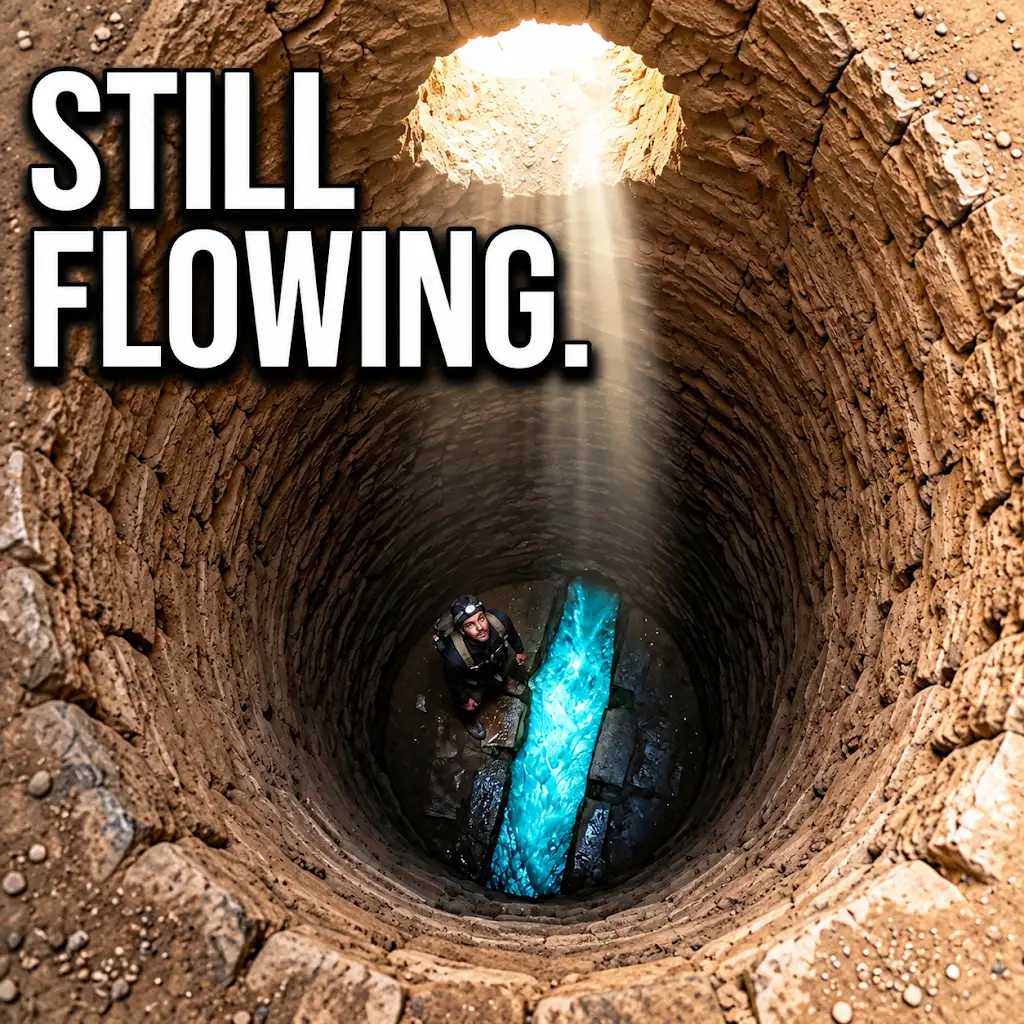
They Dug Water Tunnels Under the Desert… And They Still Flow
FAQs
1. How did ancient civilizations transport water over long distances?
Ancient civilizations used various methods to transport water over long distances, including aqueducts, canals, and pipelines. Aqueducts were especially common in ancient Rome, where they were used to bring water from distant sources to cities.
2. What were some techniques ancient civilizations used to collect rainwater?
Ancient civilizations collected rainwater using techniques such as cisterns, reservoirs, and wells. Cisterns were large underground tanks used to store rainwater for later use, while reservoirs were built to capture and store rainwater on a larger scale.
3. How did ancient civilizations purify water for drinking?
Ancient civilizations used various methods to purify water for drinking, including boiling, filtration, and adding natural substances like charcoal or sand. Boiling water was a common method used to kill harmful bacteria and pathogens.
4. What role did irrigation play in ancient civilizations’ agriculture?
Irrigation played a crucial role in ancient civilizations’ agriculture by providing a reliable water supply for crops. Ancient civilizations built elaborate irrigation systems, such as canals and ditches, to distribute water to farmland and increase agricultural productivity.
5. How did ancient civilizations adapt to water scarcity and drought?
Ancient civilizations adapted to water scarcity and drought by developing water conservation techniques, such as terracing, mulching, and crop rotation. They also built water storage facilities, such as underground cisterns and reservoirs, to store water during times of abundance for use during dry periods.