
The Earth’s climate has never been static. For millennia, it has undergone dramatic shifts, from scorching ice ages to periods of intense warmth. Long before the advent of industrialization, early humans navigated these tumultuous environmental transitions, their survival inextricably linked to their ability to adapt to ever-changing worlds. These ancient climate changes, though often on scales far exceeding modern rates, sculpted the course of human evolution, migration, and cultural development in profound and fascinating ways. Understanding how our ancestors responded to these planetary metamorphoses offers invaluable insights into the resilience and ingenuity of our species.
The Oscillating Earth: A Primer on Ancient Climate Fluctuations
The geological record reveals a dynamic planet, marked by recurring cycles of glacial and interglacial periods. These vast shifts in global temperature were driven by a complex interplay of factors, primarily orbital variations of the Earth around the sun (Milankovitch cycles), changes in solar output, and volcanic activity. During glacial periods, vast ice sheets advanced from the poles, covering significant portions of continents and dramatically lowering sea levels. Conversely, interglacial periods saw the retreat of these ice sheets, rising sea levels, and often warmer, wetter conditions in many regions. These were not subtle adjustments; they were epochal transformations that reshaped landscapes, altered ecosystems, and presented formidable challenges to any life forms attempting to persist.
The Pleistocene Epoch: A Crucible of Change
The Pleistocene epoch, spanning roughly 2.6 million to 11,700 years ago, is often referred to as the “Ice Age.” This period was characterized by repeated glaciations, with periods of intense cold and ice expansion interspersed with warmer intervals. The dramatic fluctuations in temperature and precipitation during the Pleistocene had a profound impact on the distribution of flora and fauna. Forests might retreat, replaced by grasslands or tundra, and vast bodies of water could appear or disappear. For early hominins, this meant a constantly shifting mosaic of resources and environments to contend with. The availability of food, water, and shelter was directly tied to the prevailing climate, forcing populations to be mobile and adaptable. Survival depended on reading the subtle signs of environmental change and adjusting their behavior accordingly.
Beyond the Ice: Warmer Periods and Their Consequences
While the Pleistocene is synonymous with ice ages, it also encompassed warmer interglacial periods. These warmer phases brought about different environmental conditions, often characterized by higher sea levels and more expansive vegetation. While perhaps offering periods of relative respite from extreme cold, these warmer periods also presented their own set of challenges. Coastal areas might become inundated, forcing displacement. Changes in vegetation could alter the availability of prey species. Understanding how early humans navigated these transitions, both into and out of glacial conditions, is crucial to appreciating their adaptive capacity. The ability to exploit diverse ecological niches, from frigid tundra to lush forests, demonstrates a remarkable flexibility that underpinned their long-term success.
Ancient civilizations faced significant challenges due to climate change, prompting remarkable adaptations in their societies. For instance, the article “Surviving Drought: Life in Ancient Cities” explores how various cultures developed innovative strategies to cope with prolonged dry spells and water scarcity. These adaptations not only ensured their survival but also shaped their social structures and agricultural practices. To learn more about these fascinating stories of resilience, you can read the article here: Surviving Drought: Life in Ancient Cities.
The Ingenuity of Adaptation: Human Responses to Environmental Pressures

Faced with these relentless environmental pressures, early humans did not passively succumb. Instead, they developed a remarkable suite of adaptive strategies, encompassing technological innovation, behavioral flexibility, and intricate social structures. Their success in colonizing diverse environments and persisting through millennia of climatic upheaval speaks volumes about their cognitive abilities and their capacity for collective problem-solving.
Technological Innovations: Tools for a Shifting World
The development and refinement of tools were paramount to early human survival. As climates shifted, so too did the available resources and the challenges to be overcome. During colder periods, the need for insulation against the elements spurred the development of more sophisticated clothing and shelter. The invention of tools for hunting large game, such as spears and later projectile points, allowed for the efficient procurement of calories from animals that thrived in colder environments. Conversely, warmer periods might have necessitated tools for processing different types of plant foods or for exploiting aquatic resources. The evolution of stone tool technology, from simple choppers to finely crafted blades and axes, reflects a continuous process of innovation driven by environmental necessity.
Fire: A Game Changer in a Cold World
Perhaps no single technological innovation was more critical to human adaptation to cold climates than the control of fire. Fire provided warmth, allowing humans to inhabit colder regions and survive during frigid winters. It also enabled the cooking of food, which not only made it more digestible and nutritious but also reduced the risk of foodborne illnesses. Furthermore, fire could be used for protection against predators, to harden wooden tools, and even for signaling. The mastery of fire represented a significant leap forward, extending human lifespans and enabling expansion into previously inhospitable territories. Evidence of hearths and burnt artifacts across various archaeological sites testifies to the widespread and ancient adoption of this transformative technology.
Shelter and Clothing: Barriers Against the Elements
As temperatures plummeted, the need for effective shelter and warm clothing became increasingly critical. Early humans likely utilized natural shelters such as caves and rock overhangs, but they also developed the capacity to construct artificial shelters. These could range from simple windbreaks made of branches and animal hides to more elaborate structures like huts and tents. The development of sewing needles, made from bone and ivory, indicates the ability to craft fitted clothing from animal skins, providing crucial insulation against biting winds and freezing temperatures. These innovations were not merely about comfort; they were essential for survival, enabling humans to maintain core body temperature in environments where exposure could quickly prove fatal.
Behavioral Flexibility: Mobility and Dietary Diversification
Beyond technological advancements, early humans exhibited remarkable behavioral flexibility. Their ability to move and adapt their lifestyles to suit changing conditions was a key factor in their persistence. During periods of resource scarcity or environmental disruption, populations would often migrate to more favorable regions. This mobility allowed them to exploit new food sources, escape harsh conditions, and colonize vast swathes of the globe. Furthermore, early humans were not reliant on a single food source. They were opportunistic foragers and hunters, capable of exploiting a wide range of plant and animal life. This dietary diversification provided a buffer against the failure of any single food resource, a crucial advantage in an unpredictable climate.
Nomadic Lifestyles: Following the Resources
Many early human populations adopted nomadic or semi-nomadic lifestyles, following the seasonal availability of game and plant foods. This pattern of movement was intricately linked to climatic cycles. For example, herds of migratory animals would move across landscapes in predictable patterns dictated by seasonal changes. Humans learned to track these movements, timing their own journeys to coincide with the presence of their vital food sources. This constant movement across the landscape also exposed them to a wider variety of environmental conditions, further honing their adaptive skills. The archaeological evidence of seasonally occupied campsites and the dispersal of similar artifact types across vast distances supports the widespread adoption of such mobile strategies.
Exploiting Diverse Ecosystems: From Tundra to Tropics
The archaeological record clearly demonstrates the ability of early humans to adapt to and thrive in a wide array of ecosystems, often drastically different in their climatic regimes. They successfully colonized the frigid environments of Ice Age Europe, developing strategies to survive extreme cold. Simultaneously, other groups were adapting to the warmer, more humid conditions of Africa and Asia, developing different toolkits and subsistence strategies. This capacity to exploit diverse ecological niches, from arctic tundra to tropical forests and arid grasslands, highlights a fundamental trait of human adaptability: the ability to modify their behavior and technology to suit the specific challenges and opportunities presented by their environment.
Social and Cultural Adaptations: Cooperation and Knowledge Transmission
The challenges of ancient climate change were not faced by individuals in isolation. Social and cultural factors played a crucial role in enabling early humans to adapt and persist. Cooperation within groups facilitated resource sharing, defense, and the successful undertaking of complex tasks such as hunting large game or building shelters. The transmission of knowledge across generations, through oral traditions and practical demonstration, ensured that successful adaptive strategies were not lost. This accumulation of cultural knowledge was a powerful engine of adaptation, allowing each new generation to benefit from the accumulated wisdom of their ancestors.
Group Cooperation: Strength in Numbers
Living and foraging in groups offered significant advantages in the face of environmental uncertainty. Cooperative hunting strategies allowed for the successful pursuit of larger and more dangerous prey, increasing the likelihood of a successful kill and thus ensuring a more reliable food supply. Shared defense against predators and rival groups also became more effective with larger numbers. Furthermore, communal living facilitated the sharing of resources, particularly during times of scarcity, acting as a crucial safety net. The development of complex social bonds and reciprocal relationships within these groups likely fostered a sense of resilience and mutual support, vital for navigating challenging times.
Knowledge Transmission and Cultural Memory
The ability to learn from past experiences and transmit this knowledge to future generations was a cornerstone of early human adaptation. This transmission occurred through direct observation, imitation, and storytelling. Elders held invaluable knowledge about the environment, including the locations of reliable water sources, the seasonal availability of edible plants, and the behavior of animals. This cultural memory ensured that the lessons learned through generations of trial and error were not forgotten. As climate conditions changed, this accumulated knowledge could be adapted and applied to new circumstances, allowing for a more nuanced and effective response to environmental shifts.
Tracing the Footprints: Migration Patterns Driven by Climate
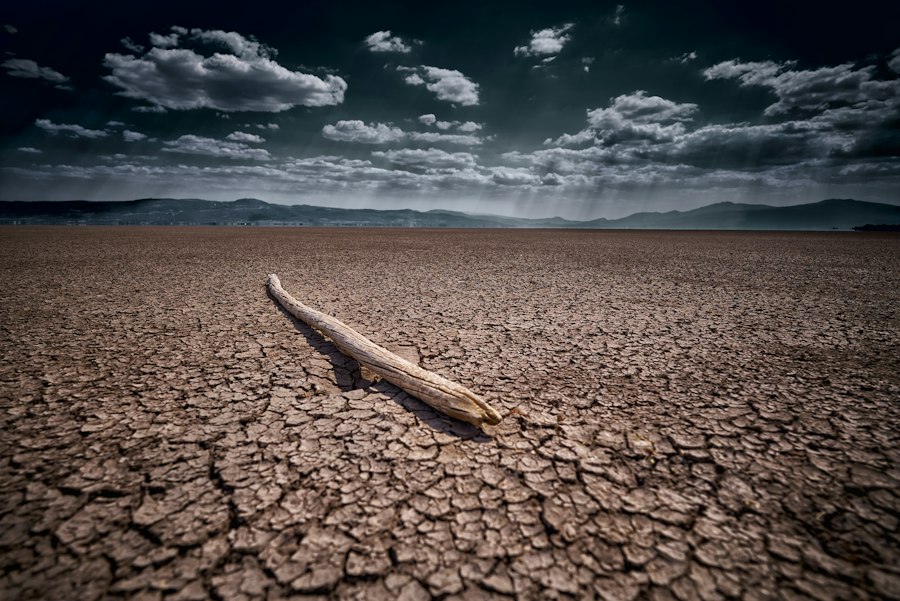
Ancient climate change was not just a passive force shaping human lives; it was an active driver of human migration. As environments transformed, forcing populations to seek new territories, humans embarked on epic journeys across continents and eventually the globe. These migrations, often spanning millennia, led to the dispersal of human populations and the colonization of virtually every habitable corner of the planet.
The Out of Africa Hypothesis: A Climate-Driven Exodus
The prevailing scientific theory suggests that modern humans originated in Africa and subsequently migrated out of the continent in several waves. While genetic and fossil evidence supports this, climate played a crucial role in facilitating these movements. Periods of increased rainfall in arid regions of Africa could have created “green corridors,” making passage across otherwise inhospitable landscapes more feasible. Conversely, periods of prolonged drought might have pushed populations to seek more favorable conditions outside the continent. The opening and closing of these corridors, dictated by climatic fluctuations, likely dictated the timing and direction of these critical early migrations.
Colonizing the Continents: Following the Shifting Landscapes
As humans ventured out of Africa, their migrations were continuously influenced by the prevailing climate. The expansion into Eurasia, for instance, would have been influenced by the advance and retreat of glaciers. During glacial periods, land bridges, such as Beringia connecting Siberia and Alaska, would have been exposed due to lower sea levels, allowing passage into the Americas. Conversely, warmer interglacial periods would have opened up new territories and altered migration routes. The dispersal of human populations across diverse continents, from the frozen north to the southern tip of South America, is a testament to their ability to navigate and exploit landscapes that were constantly being reshaped by climate change.
Lessons from the Past: Modern Relevance of Ancient Adaptations
The study of how early humans adapted to ancient climate change offers profound lessons for our own era. While the scale and drivers of current climate change differ, the fundamental challenges of adapting to environmental shifts remain. Understanding our ancestors’ strategies can provide valuable insights into the resilience and ingenuity that humanity possesses.
Resilience in the Face of Uncertainty
The enduring success of early humans in the face of dramatic climatic upheaval underscores the remarkable resilience of our species. They did not possess advanced technology or global communication networks, yet they found ways to survive and even thrive in environments that would seem impossibly harsh to us today. This inherent capacity for adaptation, honed over millennia of environmental challenges, is a legacy that we can draw upon in our current efforts to address climate change.
The Importance of Innovation and Flexibility
The adaptive strategies employed by our ancestors – technological innovation, behavioral flexibility, and social cooperation – are precisely the qualities needed to navigate the environmental changes we face today. Investing in sustainable technologies, fostering adaptable and resilient communities, and promoting collaborative solutions are all echoes of the successful strategies employed by early humans. Their story is a powerful reminder that ingenuity and a willingness to change are essential for long-term survival.
Ancient climate change has significantly influenced human adaptation throughout history, shaping societies and their survival strategies. For a deeper understanding of these fascinating stories, you can explore a related article that delves into how early civilizations responded to environmental shifts and challenges. This insightful piece can be found at this link, where you will discover the intricate connections between climate and human resilience.
Conclusion: A Legacy of Adaptation
| Region | Time Period | Climate Change Event | Human Adaptation Strategy | Impact on Society |
|---|---|---|---|---|
| Mesopotamia | 4,200 years ago (Late Bronze Age Collapse) | Severe drought and cooling | Shift from agriculture to pastoralism; migration to more fertile areas | Decline of city-states; societal restructuring |
| Greenland | c. 1200-1500 AD (Medieval Warm Period to Little Ice Age) | Rapid cooling and sea ice expansion | Abandonment of Norse settlements; reliance on hunting and fishing | Collapse of Norse Greenland colonies |
| East Africa | c. 4,000-3,000 years ago | Increased aridity and drought | Development of pastoralism and mobile herding | Expansion of pastoralist cultures; changes in settlement patterns |
| North America (Ancestral Puebloans) | c. 1275-1300 AD (Great Drought) | Prolonged drought | Migration from large pueblos to smaller, dispersed settlements | Abandonment of major sites like Chaco Canyon |
| Europe | c. 8,200 years ago | Sudden cooling event | Shift in subsistence from hunting large game to diversified foraging and farming | Changes in technology and social organization |
The story of early humans and ancient climate change is not merely a tale of survival against the odds; it is a narrative of innovation, resilience, and the profound interconnectedness of humanity and its environment. For hundreds of thousands of years, our ancestors navigated a planet in constant flux, their very evolution shaped by the dramatic shifts in temperature, precipitation, and landscape. From the mastery of fire to the development of sophisticated hunting techniques and the intricate social structures that bound communities together, every aspect of their lives was influenced by, and in turn adapted to, the changing climate. Their migrations across continents, driven by the opening and closing of habitable zones, demonstrate an unparalleled capacity for exploration and colonization, leaving behind a rich archaeological record that continues to reveal the ingenuity of our earliest ancestors.
The lessons learned from these ancient adaptations are not confined to the distant past. In an era of unprecedented anthropogenic climate change, the strategies employed by early humans offer a valuable blueprint for our own future. Their ability to innovate in the face of adversity, to remain flexible in their behaviors and lifestyles, and to cooperate for the collective good are precisely the attributes that will be required to navigate the environmental challenges of the 21st century and beyond. The enduring legacy of early humans is one of remarkable adaptability, a testament to the power of human ingenuity to thrive even in the most dynamic and demanding of worlds. Their story reminds us that change, while challenging, can also be a catalyst for evolution and progress, and that the capacity for adaptation is a defining characteristic of our species.

Beneath the Ice: Surviving the Ice Age 20,000 Years Ago
FAQs
What evidence do we have of ancient climate change?
Scientists study various sources of evidence such as ice cores, tree rings, sediment layers, and fossil records to understand past climate changes.
How did ancient civilizations adapt to climate change?
Ancient civilizations adapted to climate change by changing their agricultural practices, building infrastructure to manage water resources, and developing new technologies to cope with changing environmental conditions.
What role did storytelling play in ancient human adaptation to climate change?
Storytelling played a crucial role in passing down knowledge and strategies for adapting to climate change from one generation to the next. These stories helped communities learn from past experiences and develop resilience.
How did ancient cultures view the relationship between humans and nature during climate change?
Ancient cultures often viewed humans as interconnected with nature and believed in the importance of living in harmony with the environment. This perspective influenced their adaptation strategies during times of climate change.
What lessons can we learn from ancient human adaptation stories for modern climate change challenges?
Ancient human adaptation stories can teach us the importance of resilience, innovation, and community cooperation in facing climate change challenges. By studying how ancient civilizations coped with environmental changes, we can gain insights for addressing current climate issues.