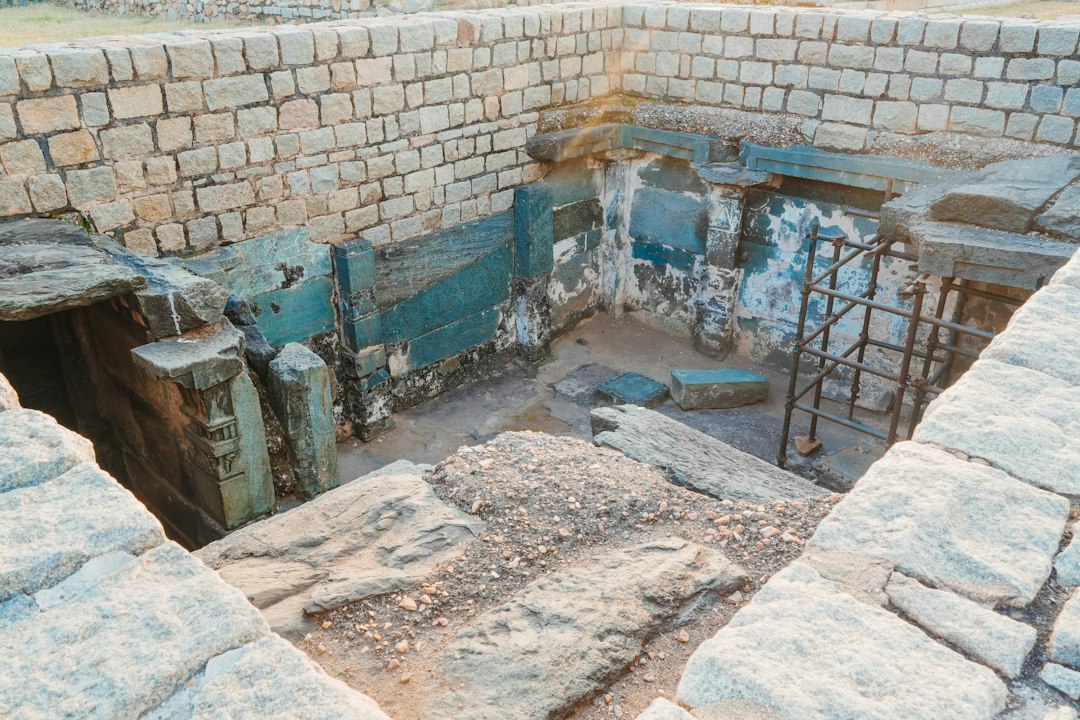
The shimmering surface of a river, the gentle gurgle of a spring, the life-giving downpour of rain – water has always been the fundamental currency of civilization. Long before the advent of complex irrigation systems, sophisticated water management, or even written laws, early human societies grappled with the vital necessity of sharing this precious resource. Their ingenious and often remarkably equitable approaches to communal water sharing offer profound lessons for our contemporary world, which faces unprecedented water scarcity and complex geopolitical challenges surrounding its distribution. Examining these ancient practices provides a crucial historical lens through which to understand the enduring human capacity for cooperation and the inherent fairness that can underpin resource management.
The Genesis of Communal Water Reliance
The earliest human societies were intrinsically tied to the availability of water. Hunter-gatherer groups, nomadic or semi-nomadic, followed water sources, their movements dictated by seasonal flows and the presence of game that also sought sustenance from these same sources. As populations grew and settled into more permanent agricultural communities, the dependence on consistent and accessible water escalated. This shift from opportunistic access to organized resource utilization necessitated a fundamental rethinking of how water was obtained and shared.
Early Settlements and Water Proximity
The very selection of settlement locations in prehistoric times was a testament to the prioritization of water. Villages, hamlets, and later, the first towns, invariably sprang up near reliable water bodies. Rivers, lakes, and natural springs were not merely convenient, but essential for survival. The proximity to these sources dictated not only daily life but also the very structure of these nascent communities. The shared need for these vital lifelines naturally fostered a sense of collective responsibility and interdependence. Whether it was a shared well dug by hand, a channel diverted from a nearby stream, or even a system of communal collection of rainwater, the immediate environment shaped the shared access to water.
The Transition to Agriculture and Water Demand
The Neolithic Revolution, with its transformative shift towards settled agriculture, dramatically increased the demand for water. Crops, unlike wild flora, required consistent watering, especially in drier regions or during extended dry spells. This new level of dependency moved water from a merely essential resource to a critical agricultural input. The success or failure of a harvest, and thus the survival of the community, became directly linked to the effective management and equitable distribution of water. This agricultural imperative was a powerful catalyst for developing more formalized systems of water sharing, moving beyond simple proximity to active management.
In exploring the historical significance of communal water sharing, one can draw parallels to modern economic systems and their vulnerabilities, as discussed in the article on the impact of the dollar’s decline. This article highlights how economic shifts can affect resource distribution, much like how ancient societies relied on shared water sources for survival and community cohesion. For further insights, you can read the article here: Stocks Soar Amid Dollar Collapse.
Ancient Mechanisms for Equitable Distribution
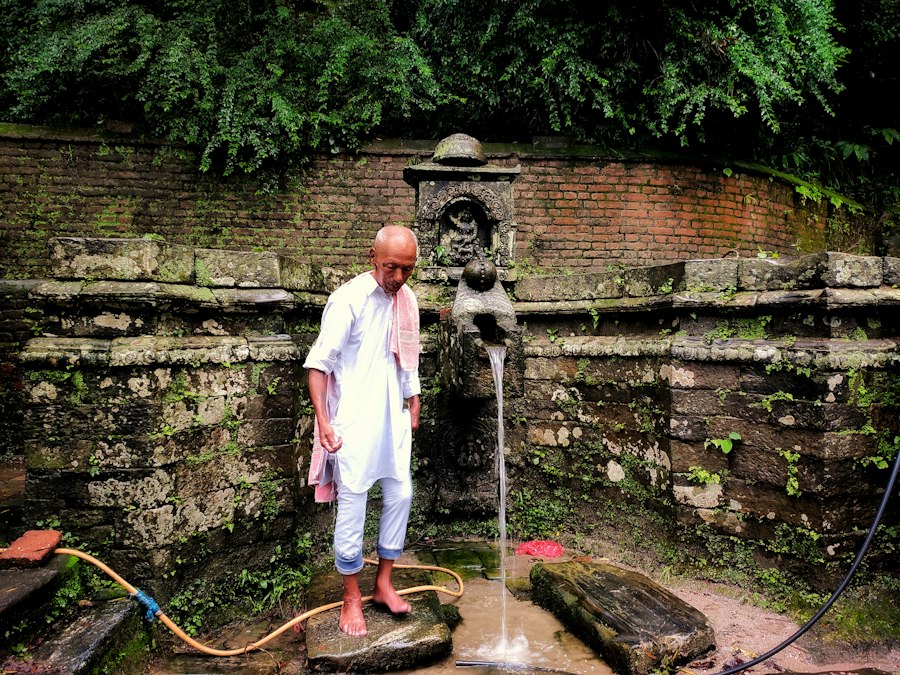
The development of agricultural societies led to the emergence of various strategies for managing and sharing water. These were not abstract philosophical concepts, but practical, often ingenious, solutions born out of necessity and honed by generations of experience. The success of these systems lay in their inherent fairness, which was crucial for preventing conflict and ensuring the survival of the entire community.
The Village Well: A Symbol of Shared Ownership
The communal well is perhaps the most iconic symbol of ancient water sharing. Dug and maintained by the collective labor of the village, the well represented a shared ownership of a vital resource. Access was generally open to all members of the community, although social norms and sometimes informal leadership structures dictated patterns of use. The act of drawing water was often a social occasion, fostering community bonds and allowing for the exchange of information and news. The responsibility for its upkeep was also a shared one, reinforcing the idea that the well belonged to everyone and therefore required everyone’s care. While access might have been theoretically open, practical considerations like the time of day or the specific needs of households could have influenced usage, but the fundamental principle was one of communal benefit.
River and Stream Diversion: Cooperative Engineering
In regions with rivers and streams, early societies developed sophisticated, albeit often rudimentary, methods of water diversion. This involved the collective effort of digging channels, constructing small dams, and creating sluice gates to direct water to cultivated fields. The success of these endeavors depended entirely on coordinated labor and agreement on how the water would be distributed. Often, a complex system of rotation or tiered access would be established, ensuring that different plots of land received water at appropriate times. This was not simply about individual farmers taking what they could; it was about a collective project where the output benefited all. The shared understanding of the hydrological dynamics of their local water sources was paramount.
Communal water sharing has been a vital practice in many ancient civilizations, reflecting the importance of resource management in sustaining communities. This age-old tradition highlights how societies have adapted to their environments and collaborated to ensure access to clean water. For a contemporary perspective on how environmental changes can impact water resources, you can explore the article on Antarctica’s melting ice caps and their potential threat to sea levels by visiting this link. Understanding these historical practices alongside current challenges can provide valuable insights into our ongoing relationship with water.
Rainwater Harvesting and Storage: Harnessing the Sky’s Bounty
In areas where surface water was unreliable or scarce, early communities became adept at rainwater harvesting. This involved the construction of cisterns, reservoirs, and even covered pits designed to capture and store rainfall. These systems were often communal projects, with shared responsibility for construction and maintenance. The collected water would then be dispensed according to established community rules, ensuring that even those with less direct access to natural water sources could benefit from the stored supply. This was particularly important in arid or semi-arid regions where rainfall was sporadic but could be sufficient if managed effectively.
Social Structures and Water Governance
The effectiveness of any communal water-sharing system was inextricably linked to the social structures and governance mechanisms that underpinned it. These were not necessarily formal legal codes, but rather deeply ingrained customs, traditions, and the authority of elders or recognized leaders.
The Role of Elders and Community Leaders
In many early societies, elders or recognized community leaders played a crucial role in overseeing water distribution. Their wisdom, experience, and perceived impartiality made them ideal arbiters of disputes and enforcers of water-sharing agreements. They would often be responsible for setting the terms of water allocation, resolving conflicts, and ensuring that the rules were followed. This informal governance structure, rooted in respect and social cohesion, was often more effective than any rigid decree. Their decisions were guided by the overarching principle of community well-being, recognizing that the equitable distribution of water was essential for collective survival.
Customary Law and Social Norms
Water rights and responsibilities were frequently codified not in written laws, but in customary law and deeply ingrained social norms. These unwritten rules governed everything from who could access water, when, and how much. They were passed down through generations and were enforced through social pressure, reputation, and the fear of ostracism or other community sanctions. These norms often prioritized the needs of the community as a whole, with special consideration given to vulnerable members or critical agricultural periods. The fluidity of these norms allowed for adaptation to changing environmental conditions or community needs.
Dispute Resolution and Conflict Prevention
While communal water sharing fostered cooperation, disputes inevitably arose. Early societies developed mechanisms for resolving these conflicts, often through mediation by elders or community councils. The emphasis was typically on finding amicable solutions that preserved social harmony and ensured continued access to water for all. The shared understanding of the importance of water often served as a powerful incentive for cooperation and de-escalation. The collective memory of past droughts or water-related conflicts would also serve as a potent reminder of the need for harmonious management.
Enduring Lessons for Modern Water Management
The ancient world, despite its technological limitations, developed remarkably effective and often equitable systems for communal water sharing. These practices offer invaluable insights for contemporary water management challenges, which are often exacerbated by population growth, climate change, and political complexities.
The Power of Collective Responsibility and Cooperation
The most profound lesson from ancient communal water sharing is the power of collective responsibility and cooperation. Early societies understood that the survival of the group depended on the equitable distribution of this vital resource. This stands in stark contrast to many modern approaches that can become atomized, with individual entities or nations prioritizing their own immediate needs above the collective good. The ancient understanding was that the water belonged to the community, and its management was a shared endeavor. This mindset fostered a sense of interdependence that is crucial for addressing global water crises.
Equity and Fairness as Foundations for Sustainability
The emphasis on equity and fairness in ancient water-sharing systems was not merely a matter of social justice; it was a cornerstone of long-term sustainability. When all members of a community felt they had fair access to water, there was less incentive for conflict and more motivation to participate in the maintenance and preservation of water resources. This principle of equitable distribution, rather than simply prioritizing those who could exert the most power or had the most capital, is essential for ensuring that water resources can be managed sustainably for future generations. The long-term viability of their water systems depended on this underlying fairness.
Adapting Ancient Wisdom to Contemporary Challenges
While direct replication of ancient methods is impossible, the underlying principles can be adapted. Modern water management can learn from the ancient emphasis on community involvement, transparent governance, and the development of robust customary law-like frameworks for resource allocation. Participatory approaches that empower local communities, foster transparency in decision-making, and establish clear, equitable rules for water use are essential. This could involve reviving the spirit of communal responsibility in local water user associations or incorporating indigenous knowledge into larger-scale water planning initiatives. The ancient systems

They Dug Water Tunnels Under the Desert… And They Still Flow
FAQs
What is communal water sharing in ancient times?
Communal water sharing in ancient times refers to the practice of communities coming together to share and manage water resources for their collective benefit.
How did ancient civilizations manage communal water sharing?
Ancient civilizations managed communal water sharing through various methods such as building irrigation systems, constructing wells, and creating water distribution networks.
Why was communal water sharing important in ancient societies?
Communal water sharing was important in ancient societies as it ensured a reliable water supply for agriculture, domestic use, and other essential needs, fostering community cooperation and sustainability.
What role did communal water sharing play in the development of ancient civilizations?
Communal water sharing played a crucial role in the development of ancient civilizations by enabling the growth of agricultural practices, supporting population growth, and facilitating the establishment of organized societies.
Are there any modern-day practices that are influenced by communal water sharing in ancient times?
Yes, modern-day practices such as water management policies, community-based water projects, and collaborative water-sharing agreements are influenced by the communal water sharing practices of ancient times.