The Humble Beginnings of Sewing: Unearthing the Secrets of Bone Needle Production
The seemingly simple act of sewing, a cornerstone of human civilization for millennia, relies on a tool that, in its most ancient forms, was remarkably ingenious: the bone needle. Before the advent of metalworking, and for a significant period even alongside it, animal bones provided the raw material for crafting these essential implements. The creation of a bone needle was a testament to the resourcefulness and skill of early humans, transforming discarded animal remains into finely honed instruments for survival, adornment, and expression. This article delves into the intricate process of how these ancient crafters meticulously fashioned needles from the skeletal fragments of their quarry, transforming them from waste into vital tools.
In exploring the fascinating world of ancient tools, one can draw connections to the intricate craftsmanship of bone needles made from animal remains. These needles, often used in sewing and crafting, highlight the resourcefulness of early humans in utilizing available materials for practical purposes. For a broader understanding of how resource management and economic practices have evolved over time, consider reading this related article on the economic importance of Mexico for the US, which discusses how resource utilization has shaped economies throughout history. You can find it here: The Economic Importance of Mexico for the US.
Sourcing the Material: From Hunt’s End to Workshop’s Beginning

The journey of a bone needle began not in a workshop, but in the wild. The successful hunt was the precursor to any needlecraft, providing not only sustenance but also the raw materials that would eventually be shaped into tools. The choice of animal, and indeed the specific bone within that animal, was crucial to the success of the endeavor.
Selecting the Ideal Skeleton: A Hunter’s Prerogative
Early humans were intimately familiar with the anatomy of the animals they hunted. They understood which bones possessed the inherent qualities necessary for needle production. Large mammals, such as deer, bison, and even mammoths, offered robust and lengthy bones that could yield multiple needles of varying sizes. These bones, particularly the long bones of the limbs, were prized for their density and structural integrity. Smaller animals, like birds and rabbits, could also contribute, though their bones were often more fragile and might be used for smaller, more delicate needles, perhaps for repairing fine garments or creating intricate decorations. The hunter’s ability to identify and procure suitable carcasses was the first, indispensable step in the creation of bone needles.
Preserving the Prize: From Field to Campfire
Once a suitable animal was procured, the immediate task was to process the carcass efficiently. This involved butchering for meat and hides, but also the careful selection and preservation of bones. Bones destined for toolmaking would likely be separated from those intended for other uses, such as fuel or ornamental carving. Some bones might be intentionally broken down to facilitate transport back to the settlement, while others, particularly longer, straighter bones, would be kept intact. The method of preservation would have varied depending on the environment and available resources. Sun-drying was likely a common method, drawing out moisture and making the bone less prone to rapid decomposition. In wetter climates, smoking might have been employed, not only for preservation but also potentially to impart a degree of hardness and a distinctive aroma. The careful handling of bones immediately after the hunt ensured that the material would be in optimal condition when it eventually reached the crafter’s hands.
The Art of Shaping: From Rough Fragment to Functional Tool
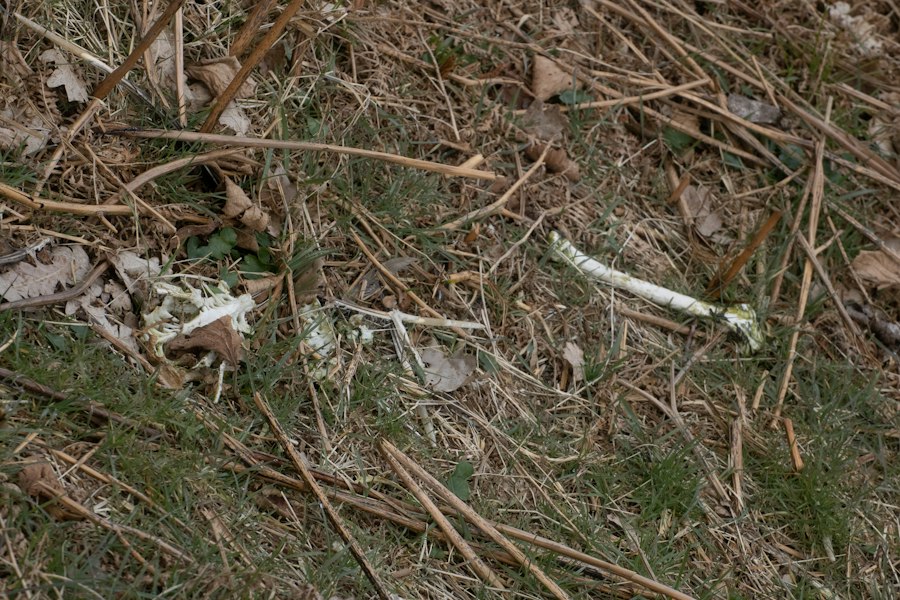
With suitable bones secured, the painstaking process of transforming them into functional needles commenced. This was not a simple endeavor of whittling; it required a nuanced understanding of bone’s properties and the application of specialized techniques to achieve the desired form and sharpness.
Initial Preparation: Breaking Down and Refining the Raw Stock
The first stage of shaping involved breaking down the larger bones into manageable pieces. This could be achieved through percussion, using stone hammers to fracture the bone along its natural lines of weakness. The goal was to create relatively flat or elongated fragments that could then be further refined. Some fragments might be deliberately split lengthwise to obtain thinner pieces, suitable for smaller needles. The internal marrow cavity might also be removed, as this area is often less dense and could compromise the needle’s strength. The surfaces of these initial fragments would have been rough and uneven, requiring further processing to achieve a smooth and workable material. The crafter would carefully select pieces that were relatively free of cracks or significant imperfections, as these would likely lead to breakage during the shaping process.
The Precision of Grinding and Scraping: Achieving Form and Smoothness
The primary method for shaping bone needles was through abrasion. This involved using abrasive materials to gradually wear away the bone, sculpting it into the characteristic slender, pointed form. Sandstone, coarse sand mixed with water, and other gritty rocks would have served as effective grinding tools. The crafter would hold the bone fragment and rub it against the abrasive surface, meticulously working it in one direction to create a consistent taper and remove rough edges. This process was slow and required immense patience, as bone is a relatively hard material. Scraping, using sharp flint or obsidian tools, would have been employed to remove larger irregularities and to refine the surface after grinding. These sharp flakes could be used to shave off thin layers of bone, allowing for more precise control over the shape and achieving a smoother finish. The crafter’s dexterity in wielding these sharp stone tools was paramount to creating a well-formed and aesthetically pleasing needle.
Creating the Eye: The Pinnacle of Needle Craftsmanship
The most defining feature of a needle, its eye, presented the greatest challenge in its creation. The eye is the aperture through which the thread is passed, and its precise formation was critical to the needle’s functionality. Drilling a hole through solid bone without modern tools demanded considerable ingenuity and persistence.
Piercing the Bone: The Patience of the Awl
The most common method for creating the eye involved the use of a bone awl. This was essentially a pointed piece of bone or antler that had been meticulously sharpened to a fine point. The crafter would place the awl tip on the bone where the eye was to be formed and, using a steady, twisting motion, would gradually bore into the bone. This was not a quick process; it involved repeatedly twisting the awl, removing bone dust, and re-applying pressure. The process would be repeated from both sides of the bone to meet in the middle, creating a complete perforation. Sometimes, a small depression might be made on both sides of the intended eye location to guide the awl and prevent it from slipping.
The Importance of Grit: Abrasives in the Drill’s Stead
To aid in the drilling process, fine abrasive materials, such as sand or grit, would often be introduced into the depression made by the awl. As the awl twisted, the grit would act as a miniature grinding agent, slowly but surely wearing away the bone and widening the aperture. This technique, known as “cord drilling” or “bow drilling” in later periods with more developed tools, utilized the abrasive properties of sand to facilitate the boring process. The crafter would meticulously clear out the bone dust and reapply grit as needed, a testament to their unwavering dedication to completing this vital step. The size and shape of the eye would be dictated by the intended use of the needle; smaller, finer eyes for delicate work and larger, more robust eyes for thicker threads and coarser materials.
Refinement and Finishing: Polishing for Performance and Durability
Once the basic form of the needle was achieved, with its characteristic taper and the crucial eye in place, further steps were necessary to enhance its usability and longevity. These finishing touches transformed a functional tool into a finely crafted implement.
Smoothing the Surface: Eliminating Friction and Enhancing Grip
A rough surface on a needle would cause unnecessary friction when passing through fabric, making sewing difficult and potentially damaging the material. Therefore, a significant part of the finishing process involved smoothing the entire surface of the needle. This would have been accomplished through further abrasion, using progressively finer grit stones or even soft leather impregnated with fine sand. The goal was to create a smooth, almost glassy surface that would glide effortlessly through textiles. This meticulous polishing also served to strengthen the needle, as it removed microscopic imperfections and stress points that could lead to breakage. The crafter’s attention to detail in this stage directly impacted the user’s experience and the efficiency of their sewing.
Sharpening the Point: The Apex of the Needle’s Functionality
The point of the needle is its primary piercing agent. A dull point would not only be ineffective but could also snag and tear the fabric. Therefore, considerable effort was dedicated to achieving a sharp, precise point. This was typically done by carefully grinding the tip against a fine-grained stone, working in a circular or conical motion. The crafter would constantly check the sharpness of the point, often by testing it against their thumb or a scrap of material. The ideal point would be sharp enough to penetrate fabric easily but not so acute as to be fragile and prone to snapping. This delicate balance between sharpness and durability was a hallmark of a skilled bone needle maker.
Hardening the Implement: Imparting Strength Through Heat Treatment
While bone is a relatively strong material, it can be brittle. To increase its tensile strength and resistance to wear, ancient crafters may have employed techniques to harden the bone. One likely method was heat treatment. This could involve slowly heating the bone over a low fire, carefully controlling the temperature to avoid charring or cracking. This process would drive out residual moisture and alter the molecular structure of the bone, making it denser and more durable. Another possible method, particularly for antler, which is more porous than solid bone, might involve soaking it in oils or animal fats. This would fill the pores, reducing brittleness and increasing toughness. The specific techniques would have varied depending on the type of bone used and the environmental conditions, but the underlying principle was to enhance the needle’s resilience for prolonged use.
In the study of ancient tools, the craftsmanship of bone needles made from animal remains reveals fascinating insights into early human ingenuity. These needles, often meticulously crafted for sewing and other practical uses, highlight the resourcefulness of our ancestors in utilizing every part of the animals they hunted. For a deeper understanding of how such artifacts connect to broader historical narratives, you can explore a related article that delves into the mysteries of ancient practices and their reflections in modern times. Check out this intriguing piece on the subject here.
The Diverse Applications of Bone Needles: More Than Just Sewing
| Step | Description | Materials Used | Tools Required | Time Required | Outcome |
|---|---|---|---|---|---|
| 1. Selection of Bone | Choosing suitable animal bones, typically from large mammals | Animal long bones (e.g., deer, elk) | None | 1-2 hours | Raw bone material ready for processing |
| 2. Cleaning and Preparation | Removing flesh, marrow, and impurities from the bone | Raw bones | Scrapers, knives, water | 2-4 hours | Clean bone suitable for shaping |
| 3. Cutting and Shaping | Cutting bone into smaller pieces and rough shaping of needle form | Clean bone pieces | Flint or stone blades, saws | 3-5 hours | Rough needle shape |
| 4. Grinding and Smoothing | Grinding edges and smoothing surfaces to refine needle shape | Rough needle pieces | Abrasive stones, sand | 4-6 hours | Smooth, shaped needle body |
| 5. Piercing the Eye | Creating a hole near the blunt end for threading | Shaped needle | Awls, small drills, or sharp stones | 1-2 hours | Needle with eye for thread |
| 6. Final Polishing | Polishing the needle to remove roughness and improve usability | Finished needle | Fine abrasive materials, leather | 2-3 hours | Ready-to-use bone needle |
The creation of bone needles was not solely driven by the need for basic garment repair. These finely crafted tools found a surprising range of applications, reflecting the multifaceted lives of ancient peoples.
Garment Construction and Repair: The Primary Purpose
The most obvious and widespread use of bone needles was in the construction and repair of clothing and other textile items. From simple tunics and loincloths to more complex assembled garments, needles were essential for joining pieces of hide, plant fibers, and later, woven fabrics. They allowed for the creation of sturdy seams, the attachment of decorative elements, and the mending of tears, extending the lifespan of precious clothing and ensuring warmth and protection from the elements. The development of more sophisticated sewing techniques, such as the blanket stitch or the overseam, would have been directly facilitated by the availability of reliable bone needles.
Beyond Apparel: Diverse Uses in Daily Life
The utility of bone needles extended far beyond the realm of clothing. They served as crucial tools in a variety of other activities:
- Basketry and Mat Making: The pliable nature of plant fibers made them ideal for weaving baskets, mats, and other woven goods. Bone needles, with their fine points, were instrumental in guiding these fibers through the weave, creating intricate patterns and strong structures. They would have been used to push rushes, reeds, and grasses into place, securing them and forming the finished products.
- Net and Trap Construction: The creation of fishing nets, hunting traps, and other utilitarian cordage would have heavily relied on bone needles. The ability to precisely knot and weave cords together to form complex mesh patterns was essential for securing food resources. The needles would have facilitated the threading of twine and the creation of secure and efficient traps.
- Leatherworking and Hide Preparation: While leather could be pierced with an awl, needles offered a finer level of control for stitching and decorative work on hides. They were used to create intricate patterns, attach embellishments, and join pieces of cured animal skin for a variety of purposes, including shelters and containers.
- Artistic and Ceremonial Objects: Bone needles also played a role in the creation of art and ceremonial objects. They could be used to perforate materials for decorative purposes, such as attaching beads, shells, or feathers to clothing or regalia. The creation of intricate designs on bone itself, or the perforation of other materials for inlay, would also have employed these versatile tools. The symbolic importance of certain animal bones might have also lent itself to their use in creating objects with ritualistic significance.
In the fascinating study of ancient tools, researchers have uncovered how bone needles were crafted from animal remains, showcasing the ingenuity of early humans in utilizing available resources. These needles, often made from the bones of large mammals, served as essential instruments for sewing and crafting clothing, which was vital for survival in harsh environments. For a deeper understanding of how ancient practices can inform our views on resource management today, you might find this article on financial safety interesting here.
The Legacy of the Bone Needle: A Foundation for Future Innovations
The creation and widespread use of bone needles represent a significant technological achievement in human prehistory. This seemingly simple tool embodies ingenuity, patience, and a deep understanding of the natural world.
A testament to Early Human Ingenuity
The ability to transform discarded animal remains into finely crafted tools speaks volumes about the cognitive abilities and resourcefulness of early humans. The process required observation, experimentation, and the development of sophisticated techniques for working with a challenging material. The creation of the eye, in particular, demonstrates a remarkable capacity for problem-solving and meticulous craftsmanship. These needles were not mere implements; they were products of thoughtful design and skillful execution.
Paving the Way for Metal and Modern Tools
The bone needle served as the direct precursor to metal needles. As humans developed the technology to work with metals like copper, bronze, and iron, the techniques learned from bone needle production were adapted. The fundamental principles of shaping, piercing, and sharpening remained, but metal offered advantages in terms of durability, sharpness, and mass production. However, the legacy of the bone needle persists. Even with modern industrial manufacturing, the basic form and function of the needle, honed over millennia through the patient work of our ancestors, remain largely unchanged. The humble bone needle stands as a powerful reminder of the foundational innovations that have shaped human civilization and continue to influence our lives today. Its story is a testament to the enduring power of human creativity in harnessing the resources of the environment to meet fundamental needs.

Life 20,000 Years Ago: How Humans Survived the Ice Age
FAQs
1. How were bone needles made from animal remains?
Bone needles were made by shaping and sharpening bones from animals such as deer, birds, or fish. The bones were carefully crafted into thin, pointed tools that could be used for sewing or other tasks.
2. What tools were used to create bone needles?
To create bone needles, early humans used tools such as stone knives, chisels, and abrasives like sandstone or flint. These tools were essential for shaping the bones into the desired needle shape.
3. What types of animals were commonly used to make bone needles?
Common animals whose bones were used to make needles included deer, birds, fish, and other small mammals. These animals provided bones that were strong, yet could be easily shaped into needles.
4. How were bone needles used in ancient societies?
Bone needles were essential tools in ancient societies for tasks such as sewing clothing, creating intricate designs on leather or fabric, and even for medical procedures like stitching wounds. They played a crucial role in daily life.
5. What advancements were made in the production of bone needles over time?
Over time, advancements in technology and craftsmanship led to more refined bone needles. Techniques for shaping and sharpening the bones improved, resulting in needles that were more precise and durable for various tasks.