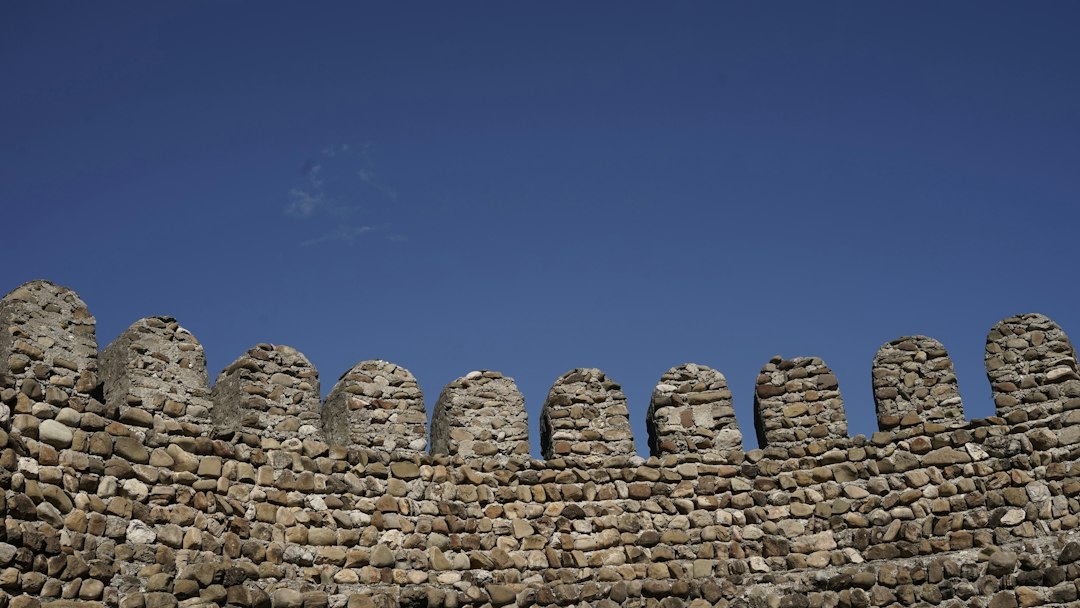
The African continent, a cradle of civilization, is home to a wealth of historical narratives etched not only in ancient texts and oral traditions but also in the very earth and stone of its long-forgotten defensive structures. These ancient lines of fortification, often overlooked in favor of grander European castles or Roman walls, stand as silent testaments to the ingenuity, resilience, and strategic thinking of African peoples across millennia. From imposing citadels guarding vital trade routes to humble earthworks protecting nascent settlements, these historic fortifications offer a profound glimpse into the past, revealing the challenges and triumphs of societies that shaped the continent’s diverse history. Exploring these remarkable sites is an endeavor that requires delving into archaeological evidence, deciphering regional lore, and appreciating the sheer scale of human endeavor that went into their construction and maintenance.
Echoes of Empires: Monumental Fortifications of North Africa
The northern rim of Africa, with its proximity to the Mediterranean world and its rich historical tapestry, boasts some of the continent’s most impressive and enduring ancient defensive lines. These fortifications often reflect the strategic importance of the region as a nexus of trade, a battleground for empires, and a bulwark against invasions. The architectural styles and construction techniques employed here often bear the hallmarks of the dominant powers of the era, from the Romans to the various Arab caliphates, yet they also reveal unique adaptations to the local environment and indigenous defensive traditions.
Roman Legions and Desert Citadels
The Roman presence in North Africa, spanning centuries, left an indelible mark on the landscape, particularly in their fortified cities and frontier defenses. The limes, or frontier systems, established by the Romans to protect the southern borders of their provinces, are prime examples of large-scale military engineering. In modern-day Algeria and Tunisia, remnants of these Roman forts, watchtowers, and defensive walls can still be found, stretching across vast distances. These fortifications were not merely passive barriers; they were integrated military complexes designed to house troops, control movement, and project Roman power into the hinterland.
One notable example is the Limes Tripolitanus, a series of fortifications stretching along the southern border of Roman Tripolitania (modern Libya). This system, consisting of forts, small garrisons, and watchtowers, was crucial for controlling nomadic tribes and safeguarding agricultural lands. The forts themselves, like that at Ghadames (ancient Cydamus), were substantial structures, often built with stone and featuring sophisticated layouts with barracks, granaries, and defensive ramparts. The scale of these Roman fortifications underscores their ambition to secure and Romanize the region, a testament to their advanced military organization and engineering prowess.
Andalusian Influence and Medieval Strongholds
Following the Roman era, the region continued to be a focal point of conflict and power struggles. The arrival of the Arabs and the subsequent Islamic expansion brought new architectural styles and defensive strategies. Medieval Islamic cities in North Africa, such as those in Morocco and Tunisia, were often heavily fortified. The Medina of Tunis, for instance, is surrounded by a formidable set of walls and incorporates numerous kasbahs (citadels) and ribats (fortified monasteries or garrisons).
The Andalusian influence, particularly after the fall of Islamic Spain, led to the development of sophisticated fortifications that combined Islamic architectural traditions with defensive principles learned from their Iberian neighbors. Cities like Fez, with its labyrinthine medina and robust ramparts, exemplify this blend. The sheer thickness of the walls, the strategically placed gates, and the integration of defensive towers demonstrate a deep understanding of siege warfare and defensive tactics. The Alcazaba of Almería in Spain, though physically located in Europe, represents the architectural lineage of these North African strongholds, showcasing similar construction techniques and defensive philosophies that were prevalent throughout the Maghreb.
The Sahel’s Silent Guardians: Fortifications of Sub-Saharan Trade Routes
Moving southwards, the vast expanse of the Sahel region, a transitional zone between the Sahara Desert and the Sudanian savanna, was a vital artery for trans-Saharan trade. This trade, connecting North Africa with the empires of West Africa, generated immense wealth and attracted both opportunity and conflict. To protect these lucrative routes and the burgeoning urban centers that grew around them, sophisticated defensive lines were erected, often utilizing local materials and ingenious architectural solutions.
The Walls of Ancient Ghana and Mali
The Ghana Empire, and later the Mali Empire, were two of the most powerful states in West Africa, controlling vast territories and the flow of gold, salt, and other commodities. Their capitals, such as Koumbi Saleh (capital of Ghana) and Niani (a major center of Mali), were fortified cities. While the exact extent of the defensive lines of Koumbi Saleh is still debated by archaeologists, evidence suggests a complex urban layout with distinct quarters, some of which were likely enclosed by defensive walls.
The Mali Empire, at its zenith, commanded a vast territory and its cities, like Djenné and Timbuktu, became renowned centers of trade and learning. Djenné, in particular, is famous for its mud-brick architecture, and its Great Mosque, a UNESCO World Heritage site, stands as an enduring symbol of the city’s enduring architectural heritage. While not strictly a defensive line in the traditional sense of a continuous wall, the fortified nature of these urban centers, with their thick, imposing walls and strategically placed gates, served to protect the inhabitants and their wealth from raiders and rival powers. The defensive capabilities of these cities were crucial for maintaining the stability and prosperity of the empires.
The Ribats of the Coast and the Desert Edge
The ribats, originally fortified monasteries that served both religious and military purposes, played a significant role in the defense of the Sahelian and Saharan frontiers. These were often strategically located to protect caravan routes or to serve as a bulwark against nomadic incursions. The ribats of Amar and Almoravid fame, for instance, were not just religious centers but also military outposts that played a crucial role in the expansion of their empires.
These structures were typically built with robust materials, often stone or baked brick, and featured high walls, towers, and internal courtyards to house soldiers and provide shelter. Their presence along trade routes and at strategic junctures highlights a proactive approach to defense, where fortified outposts served to project power, control movement, and deter aggression. The concept of the ribat also extended to coastal areas, where similar fortified structures were built to protect against seaborne threats, though these are less commonly documented as extensive defensive lines compared to their overland counterparts.
The ancient defensive lines of Africa, such as the Great Wall of Benin and the walls of ancient cities like Carthage, played a crucial role in protecting civilizations from invasions and maintaining trade routes. These structures not only served as military fortifications but also as symbols of power and resilience. For a deeper understanding of how historical structures influence modern economies and labor dynamics, you can explore the article on the impact of wage requirements in trade agreements, which can be found here: The Impact of the 16 USMCA Wage Requirement.
The Great Zimbabwe and its Enigmatic Enclosures
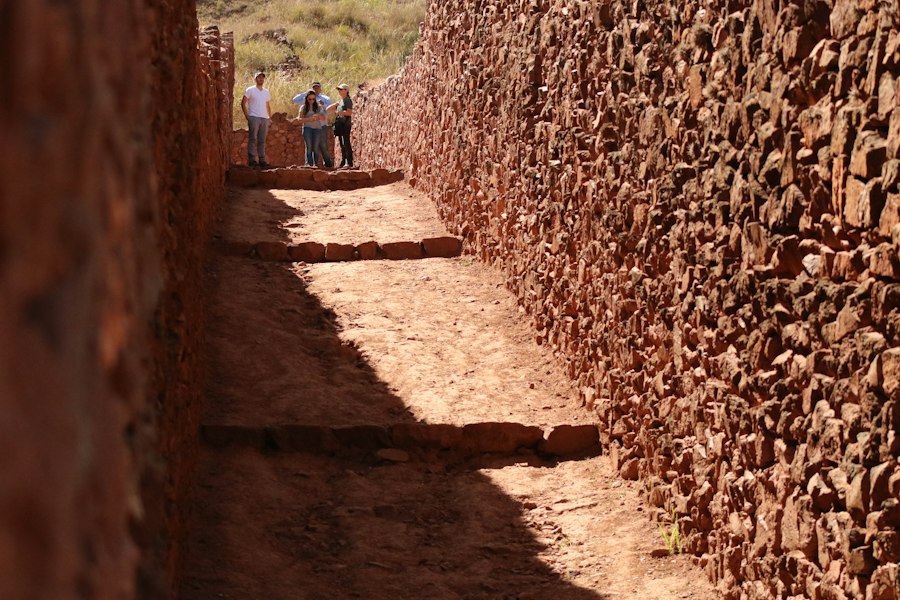
Perhaps one of the most iconic and enigmatic ancient defensive structures in Africa is the Great Zimbabwe. This UNESCO World Heritage site, located in modern-day Zimbabwe, is a testament to the power and sophistication of the Shona people who built it between the 11th and 15th centuries. The site is characterized by its massive stone walls, impressive courtyards, and intricate dry-stone masonry, all constructed without the use of mortar.
The Hill Complex and its Defensive Role
The Great Zimbabwe settlement is broadly divided into three main areas: the Hill Complex, the Great Enclosure, and the Valley Ruins. The Hill Complex, perched on a steep granite hill, is believed to have been the earliest part of the city and likely served as a royal residence or religious center. Its imposing walls and strategic location provided a natural defensive advantage, offering commanding views of the surrounding landscape and making it difficult for attackers to approach. The narrow passages and high walls within the Hill Complex would have channeled any assault, making defenders’ efforts more effective.
The Grandeur of the Great Enclosure
The Great Enclosure is the most prominent and visually stunning feature of the site. This massive elliptical structure, with its towering dry-stone walls, some reaching up to 11 meters in height and 16 meters in circumference, is a marvel of ancient engineering. The purpose of the Great Enclosure is still debated, but its scale and defensive features, including a narrow, winding passageway leading to the interior and a conical tower, suggest a significant role in the city’s defense. Some theories propose it was a royal palace, a place for public ceremonies, or even a sacred ritual site. Regardless of its precise function, its sheer scale and the labor required for its construction point to a highly organized society capable of mobilizing vast resources for monumental building projects, which inherently included defensive considerations.
The Valley Ruins and the Wider Settlement
The Valley Ruins, scattered across the valley floor below the Hill Complex and the Great Enclosure, represent the dwellings of the wider population. While these structures are less monumental than the main enclosures, they were still substantial and likely formed a densely populated urban area. The layout of the Valley Ruins, with its interconnected courtyards and pathways, would have provided a degree of internal defense for the inhabitants. The presence of numerous smaller enclosures and walls within this area suggests a decentralized approach to defense within the larger settlement, where individual compounds or neighborhoods might have had their own protective measures. The overall defensive strategy of Great Zimbabwe appears to have been a layered approach, utilizing natural topography, monumental architecture, and organized urban planning to deter and repel threats.
East African Bastions: Fortifications Along the Swahili Coast

The Swahili Coast, a vibrant cultural and economic hub for centuries, was shaped by its engagement with the Indian Ocean trade. This led to the development of prosperous city-states that, to protect their wealth and autonomy, constructed formidable fortifications. These coastal defenses were crucial for warding off rival kingdoms, pirates, and later, European colonial powers. The architectural influences in these structures often reveal a unique blend of indigenous African designs with Arab, Persian, and even Indian maritime traditions.
Kilwa Kisiwani: A Fortress of Trade
The island city-state of Kilwa Kisiwani, off the coast of present-day Tanzania, was once one of the wealthiest and most influential cities on the Swahili Coast. Its prosperity was built on controlling gold trade from the interior and its strategic position as a major port. To protect this wealth, Kilwa was heavily fortified. The most prominent defensive structure is the Great Mosque, but the city also boasted extensive walls and numerous smaller fortifications.
The Husuni Kubwa palace, a sprawling complex of courtyards, reception halls, and private quarters, was itself a fortified structure, reflecting the wealth and power of its rulers. The city walls, though not always continuous, were strategically placed to control access points and protect key areas. The remnants of these fortifications, along with the impressive stonework of the palaces and mosques, speak to a society that invested heavily in its defense, understanding the importance of securing its position in the competitive maritime trade network of the Indian Ocean.
Fort Jesus: A Colonial Fortress with African Roots
While Fort Jesus in Mombasa, Kenya, is a later addition to Africa’s defensive landscape, built by the Portuguese in the late 16th century, its design and strategic location are deeply intertwined with the existing defensive traditions of the Swahili Coast. The fort’s pentagonal shape and its imposing ramparts are a classic example of European military architecture of the time. However, its construction on a prominent rocky promontory that had long been a strategic point for coastal defense, and its role in controlling maritime access, echoes the long history of fortification in the region.
The fort’s strategic importance in controlling trade routes and projecting power is undeniable. Its design, with its thick walls, bastions, and strategically placed cannons, was intended to withstand prolonged sieges and repel naval assaults. The history of Fort Jesus is a complex interplay of European colonial ambitions and the ongoing legacy of African maritime trade and defensive strategies. It stands as a significant example of how defensive lines, even when built by external powers, often adapt to and build upon the pre-existing strategic considerations of the land they occupy.
Subterranean Defenses and Earthen Ramparts: Ingenuity of Southern Africa
Beyond the monumental stone structures, the African continent also showcases remarkable defensive systems that utilized earth, timber, and subterranean construction, particularly in Southern Africa. These often overlooked fortifications highlight the adaptability of African societies in employing readily available materials and ingenious techniques to protect their settlements and resources.
The Hill Forts of the Rand and the Voortrekker Routes
In the region of the Witwatersrand in South Africa, numerous hilltop settlements were fortified with elaborate systems of stone walls and ditches. These were often associated with the Sotho-Tswana peoples and date back to the pre-colonial and early colonial periods. The strategically chosen elevated positions offered excellent vantage points and natural defenses, which were then augmented with constructed barriers.
These hill forts, such as those found at Melville Koppies or Thaba Bosiu (though Thaba Bosiu is more a mountain stronghold of the Basotho), were designed to control access to water sources, fertile land, and important trade routes. The ramparts were often complex, consisting of multiple lines of defense, including ditches, palisades, and stone walls, designed to slow down attackers and channel them into kill zones. The construction of these earthworks and stone defenses required significant communal labor and organizational capacity, demonstrating the importance placed on security and territorial integrity.
The Great Enclosure of the Limpopo Valley and its Contemporaries
While the most famous “Great Enclosure” is in Zimbabwe, the broader region of Southern Africa, particularly around the Limpopo River, was home to a network of complex settlements and defensive structures from the 13th to 15th centuries. Sites like Mapungubwe, a precursor to Great Zimbabwe, also featured fortified enclosures and evidence of sophisticated urban planning.
These settlements often utilized natural features, such as riverbanks and elevated ground, as a basis for their defenses, and then supplemented these with constructed earthworks and timber palisades. The precise nature of some of these defensive lines, particularly those relying heavily on perishable materials like timber, is harder to discern archaeologically. However, the evidence that does remain, such as large mounds of earth and scattered remnants of fortifications, points to a widespread practice of constructing defensive perimeters around important settlements. The ingenuity of these societies lay in their ability to transform the landscape and utilize local resources to create effective barriers against potential threats.
The ancient defensive lines in Africa, such as the Great Wall of Benin, showcase the ingenuity and resourcefulness of early civilizations in protecting their territories. These structures not only served military purposes but also played a significant role in the cultural and social dynamics of the regions. For a deeper understanding of how information control has evolved over time and its impact on societies, you can explore this insightful article on the history of information control here.
The Enduring Legacy of African Fortifications
| Defensive Line | Location | Period | Purpose | Key Features | Estimated Length |
|---|---|---|---|---|---|
| Fossatum Africae | North Africa (modern Tunisia, Algeria, Libya) | Roman Empire, 2nd-4th century AD | Border defense and control of nomadic tribes | Fortified ditches, walls, watchtowers | 750 km (approx.) |
| Walls of Benin | Benin City, Nigeria | 13th century – 15th century | Protection of the Benin Kingdom | Earthworks, moats, ramparts | 16,000 km (including all earthworks) |
| Great Zimbabwe Walls | Zimbabwe | 11th – 15th century | Defense and status symbol | Dry stone walls, enclosures | Several kilometers of walls |
| Kasbah Walls | Morocco | Medieval period | Defense of cities and fortresses | Stone and mudbrick walls, towers | Varies by city |
The ancient defensive lines of Africa represent a rich and diverse architectural and historical heritage. They are not merely relics of past conflicts but enduring symbols of human ingenuity, societal organization, and the continuous struggle for security and self-determination. From the monumental stone citadels of North Africa to the earthen ramparts of Southern Africa, these fortifications tell a story of civilizations that mastered their environments, defended their territories, and shaped the course of history.
Preserving the Past for the Future
The preservation of these historic sites is paramount. Many of these fortifications face threats from natural erosion, human encroachment, and inadequate resources for conservation. Archaeological research continues to uncover new information, challenging existing theories and revealing the full extent of these defensive networks. Educational initiatives and community engagement are vital in fostering a sense of ownership and pride in these invaluable cultural assets.
Rethinking African History Through its Defenses
By studying these ancient defensive lines, we gain a deeper and more nuanced understanding of African history. They challenge simplistic narratives and highlight the complex political, economic, and social structures that existed across the continent. These fortifications are not just footnotes in history; they are central to understanding the rise and fall of empires, the development of trade networks, and the resilience of African peoples in the face of adversity. They serve as a powerful reminder of the advanced civilizations that flourished in Africa long before external influences reshaped its destiny. The exploration of these historic fortifications offers a compelling journey through time, revealing the enduring strength and architectural brilliance of Africa’s past.

They Found a 4,000-Year-Old Defense Line in Morocco
FAQs
What is the purpose of the ancient defensive line in Africa?
The ancient defensive line in Africa was built to protect territories from invasions and attacks by neighboring tribes or foreign enemies.
Where can the remnants of the ancient defensive line in Africa be found?
The remnants of the ancient defensive line in Africa can be found in various countries across the continent, such as Zimbabwe, South Africa, and Ethiopia.
When was the ancient defensive line in Africa constructed?
The construction of the ancient defensive line in Africa dates back to different time periods depending on the region, with some structures dating back thousands of years.
What materials were used to build the ancient defensive line in Africa?
The ancient defensive line in Africa was constructed using a variety of materials, including stone, earth, and wood, depending on the availability of resources in the region.
How effective was the ancient defensive line in Africa in protecting territories?
The effectiveness of the ancient defensive line in Africa varied depending on factors such as the terrain, construction techniques, and the military strategies of the defending forces. Some defensive lines were successful in repelling attacks, while others were breached by invaders.