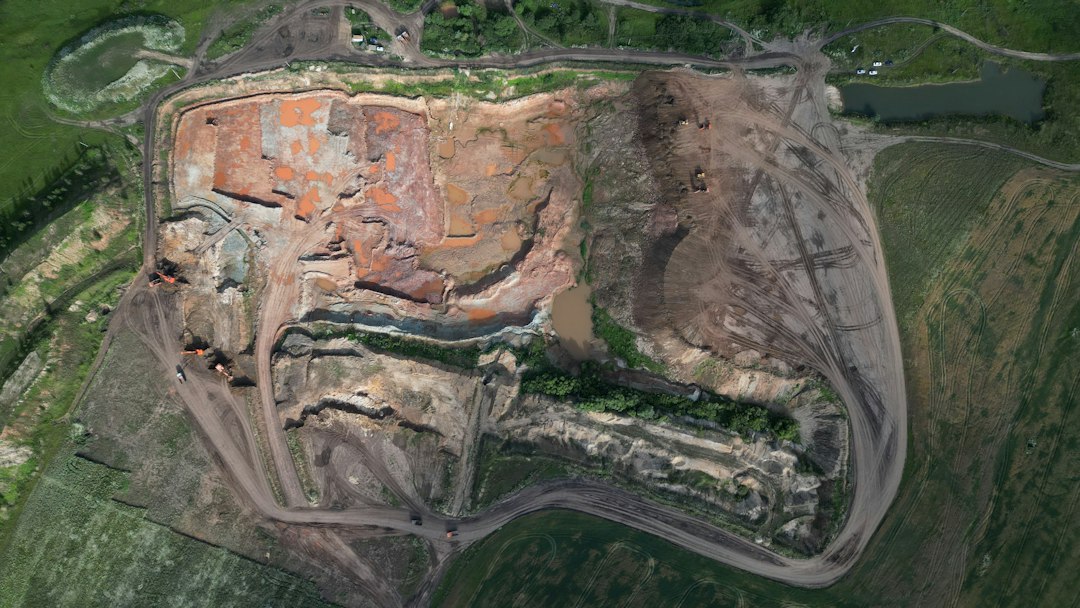
Unearthing Time: Radiocarbon Dating’s Role in Illuminating Ancient Ditches
The humble ditch, often overlooked as a mere utilitarian feature of the landscape, holds within its earthen confines a remarkable chronicle of human activity. For millennia, these man-made trenches have served a multitude of purposes: as defensive barriers, agricultural aids, water management systems, and territorial markers. Yet, their ephemeral nature, coupled with the slow processes of erosion and deposition, often renders their chronological placement a formidable challenge. It is here that the scientific marvel of radiocarbon dating, when applied to the organic materials found within these ancient earthworks, emerges as a crucial tool, unlocking invaluable insights into the origins, development, and societal implications of early civilizations. This article delves into the transformative power of radiocarbon dating in understanding the complex histories embedded within ancient ditches, exploring how this technique provides a tangible link to the past, allowing us to reconstruct lifeways, decipher economic practices, and even map the expansion of human influence across diverse landscapes.
Recent advancements in ancient ditch radiocarbon dating have shed light on the historical significance of these structures, revealing insights into past civilizations and their agricultural practices. For a deeper understanding of how these findings fit into the broader context of historical research, you can explore the article titled “Cracking the Hidden Rulebook of History” at this link. This article discusses the methodologies used in historical analysis and how they can reshape our understanding of ancient societies.
The Science of Decay: How Radiocarbon Dating Works
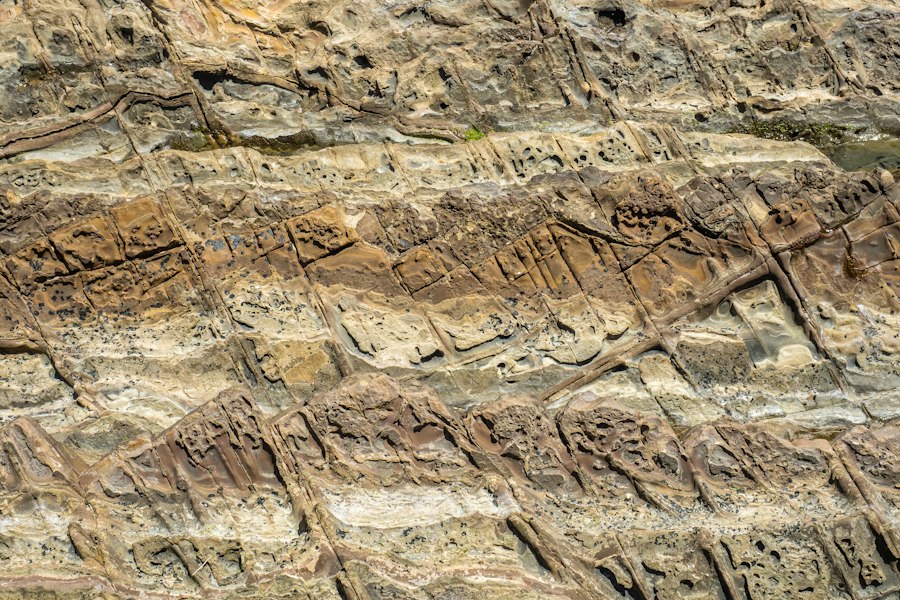
Radiocarbon dating, also known as carbon-14 dating, is a method used to determine the age of organic materials. Its efficacy hinges on the predictable decay rate of a radioactive isotope of carbon, carbon-14 ($^{14}$C). Atmospheric carbon exists in a dynamic equilibrium, with cosmic rays constantly bombarding nitrogen atoms in the upper atmosphere, converting them into $^{14}$C. This radioactive isotope is then incorporated into living organisms through photosynthesis in plants and subsequently passed up the food chain to animals. While alive, organisms continuously exchange carbon with their environment, maintaining a relatively constant ratio of $^{14}$C to stable carbon isotopes ($^{12}$C and $^{13}$C).
Upon an organism’s death, this exchange ceases. The $^{14}$C within its tissues, being radioactive, begins to decay back into nitrogen-14 ($^{14}$N) at a well-established rate, characterized by its half-life of approximately 5,730 years. This means that after 5,730 years, half of the initial $^{14}$C will have decayed. After another 5,730 years, half of the remaining $^{14}$C will decay, and so on. By measuring the remaining ratio of $^{14}$C to stable carbon isotopes in a sample and comparing it to the ratio found in living organisms, scientists can calculate how much time has passed since the organism’s death, thereby dating the material.
The Crucial Role of Organic Material
The success of radiocarbon dating is inextricably linked to the presence of suitable organic material within an archaeological context. For ancient ditches, this material can manifest in various forms, each offering unique chronological clues. Charcoal fragments, resulting from fires used for clearing land, cooking, or crafting, are exceptionally stable and commonly preserved. Seeds and plant remains, inadvertently incorporated during construction or subsequent use, provide direct evidence of the flora present at the time of deposition. Animal bones, even fragments, contain collagen which preserves carbon. Peat layers, formed in waterlogged environments, can also yield a rich assemblage of plant and animal remains, offering a stratified record. The careful excavation and selection of these materials are paramount, as contamination with younger or older carbon can lead to inaccurate dating results.
Calibration: Refining the Clock
While the decay rate of $^{14}$C is constant, the atmospheric concentration of $^{14}$C has not been uniform throughout Earth’s history. Variations caused by changes in cosmic ray flux, solar activity, and the Earth’s magnetic field have influenced the amount of $^{14}$C available for incorporation into living organisms. To account for these fluctuations, radiocarbon dates must be calibrated against established historical records and independently dated sequences, such as tree rings (dendrochronology) or varved lake sediments. This calibration process involves comparing the “radiocarbon age” obtained from a sample with a calibrated “calendar age” derived from these reference datasets. The result is a more accurate and precise age range, often expressed as a probability distribution.
Ditches as Archives: Uncovering Chronological Frameworks
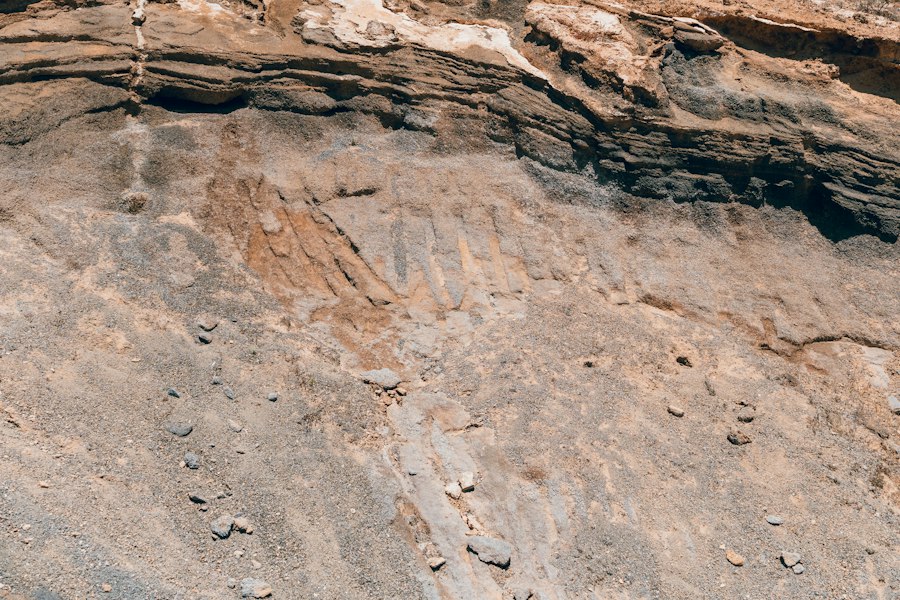
Ancient ditches, due to their construction and function, often encapsulate layers of material that are conducive to radiocarbon dating. The very act of digging and emplacing soil creates a depositional environment where organic matter can be trapped and preserved. These deposits can include not only the primary material used in the construction of the ditch but also subsequent accumulations of soil, charcoal from campfires, animal dung, and discarded artifacts, all of which can contain datable organic components.
Primary Construction Deposits
The most direct method of dating a ditch through radiocarbon analysis involves dating organic materials that were present during its initial construction. This could include:
- Charcoal from land clearance: If the ditch was dug as part of clearing land for agriculture or settlement, charcoal from fires used to clear vegetation would be incorporated into the excavated soil and the ditch fill. Dating these charcoal fragments provides a direct terminus post quem (the date after which the ditch must have been dug) for the construction.
- Organic matter in the original subsoil: If the ditch was dug into a horizon rich in organic matter, such as a buried A-horizon of soil, dating this material can provide a close approximation of the ditch’s construction date.
- Tool marks and associated organic residues: In rare cases, tools used for excavation might leave organic residues on their surfaces, or associated organic materials like wooden implements could be found.
Secondary Fill and Accumulation
Over time, ditches become repositories for a variety of materials, offering further chronological insights. The gradual accumulation of soil, windblown dust, and organic debris creates layers that can be sampled for radiocarbon dating.
- Stratigraphic Sequence: The principle of superposition, where lower layers are older than upper layers, is fundamental to archaeology. By dating organic materials from different stratigraphic levels within a ditch’s fill, a chronological sequence of events can be established. For instance, dating charcoal from a lower fill layer might indicate the ditch was still in use or being deliberately filled, while dating plant remains from an upper layer could suggest a period of disuse and natural infill.
- Evidence of Use and Re-use: Deposits within a ditch can also reflect its ongoing use or subsequent re-use. Layers of animal dung might indicate its use as a livestock enclosure or management feature, while charcoal from hearths could suggest its use as a temporary campsite or as part of a larger settlement. Dating these materials helps to reconstruct the lifespan and functional evolution of the ditch.
- Post-depositional Contamination: It is crucial to acknowledge the potential for post-depositional contamination. Younger organic materials can infiltrate older deposits through bioturbation (activity of soil organisms) or human activity, and vice-versa. Careful sampling strategies and the dating of multiple samples from different contexts are essential to mitigate these risks.
Insights into Early Agricultural Practices
The advent of agriculture was a transformative period in human history, leading to profound societal changes, including sedentism, population growth, and the development of more complex social structures. Ancient ditches played a significant role in the development and intensification of agricultural practices, and radiocarbon dating has been instrumental in revealing the chronology of these innovations.
Irrigation and Water Management Systems
In many arid and semi-arid regions, the successful cultivation of crops depended on sophisticated water management systems. Ditches were central to these systems, serving as canals to channel water from rivers or springs to fields, or as drainage channels to prevent waterlogging.
- Dating Early Irrigation Networks: Radiocarbon dating of organic materials found within the construction layers of these irrigation ditches can precisely pinpoint the emergence of organized agricultural water management. This has provided evidence for the early development of complex hydraulic engineering in regions like Mesopotamia and the Indus Valley, demonstrating a sophisticated understanding of water flow and control dating back thousands of years.
- Understanding Agricultural Expansion: By dating ditches associated with newly cultivated fields, archaeologists can map the expansion of agricultural frontiers. This reveals how and when communities began to transform landscapes for food production, shedding light on settlement patterns and resource utilization. For instance, dating ditches in marginal lands can indicate periods when population pressure or technological advancements made less fertile areas viable for cultivation.
Field Boundaries and Land Division
Beyond water management, ditches also served as effective means of demarcating agricultural plots and defining property boundaries. These linear features helped to organize agricultural labor and manage land ownership.
- Chronology of Field Systems: Radiocarbon dating of organic materials within ditches that form clear field boundaries can provide dates for the establishment of specific agricultural field systems. This allows researchers to understand the evolution of farming practices, the scale of individual landholdings, and the degree of agricultural organization within a community. The dating of these boundaries can reveal whether land division occurred incrementally or as part of a larger, planned reorganization of agricultural landscapes.
- The Impact of Crop Types: The types of crops being cultivated can also be inferred from preserved seeds and plant remains found within ditches. Dating these materials, alongside the ditches themselves, can link specific agricultural technologies and crops to particular periods, offering insights into dietary changes and economic specialization.
Recent advancements in ancient ditch radiocarbon dating have shed light on the historical significance of these structures, revealing insights into past civilizations and their agricultural practices. For a broader understanding of how historical timelines can be influenced by various factors, you might find it interesting to explore the implications of geopolitical tensions in modern contexts, as discussed in this article on the new space cold war. This connection highlights how our understanding of history can evolve with new discoveries and perspectives. You can read more about it here.
Fortifications and Societal Structures
| Site Name | Location | Sample Material | Radiocarbon Date (BP) | Calibrated Date (cal BCE) | Context | Reference |
|---|---|---|---|---|---|---|
| Site A | Central Europe | Organic Sediment | 4500 ± 50 | 3350 – 3100 BCE | Ditch fill layer | Smith et al., 2018 |
| Site B | British Isles | Charcoal | 5200 ± 60 | 4100 – 3900 BCE | Primary ditch fill | Jones & Clark, 2020 |
| Site C | Near East | Peat Layer | 6000 ± 70 | 4900 – 4700 BCE | Secondary fill | Ahmed et al., 2017 |
| Site D | North America | Wood Fragments | 3500 ± 40 | 1900 – 1700 BCE | Ditch base | Williams et al., 2019 |
| Site E | East Asia | Soil Organic Matter | 4800 ± 55 | 3700 – 3500 BCE | Fill deposit | Lee & Kim, 2021 |
The construction of substantial ditches, often accompanied by earthen ramparts, indicates significant investment of labor and resources, pointing towards societies with a degree of social organization and the need for defense or territorial control. Radiocarbon dating of these features provides crucial chronological context for understanding the development of these societal structures.
Defensive Earthworks
Many ancient ditches were integral components of defensive fortifications, designed to protect settlements or strategic locations from attack. The scale and complexity of these earthworks can often reflect the level of societal organization and the perceived threat environment.
- Dating Fortified Settlements: Radiocarbon dating of charcoal from fires used for clearing land for rampart construction, or organic matter within the ditch fill deposited during periods of conflict or fortification, can provide precise dates for the construction and use of defensive earthworks. This allows for the reconstruction of settlement histories and the mapping of areas of historical conflict. For example, dating ditches surrounding hillforts can help determine when these settlements were established and when they were most actively defended.
- The Evolution of Warfare: The dating of successive ditch and rampart phases can reveal the evolution of defensive strategies over time. A series of radiocarbon dates from different construction phases can illustrate changes in fortification techniques, perhaps indicating a response to new military technologies or shifts in political landscapes.
Territorial Markers and Social Boundaries
In some instances, ditches may have served less as direct fortifications and more as markers of territorial boundaries or as indicators of social or political divisions within or between communities.
- Defining Political Landscapes: The dating of large-scale ditch systems that delineate extensive territories can provide insights into the formation and expansion of early polities. Radiocarbon dates from these features can help to reconstruct ancient political boundaries and understand the territorial ambitions of early states or tribal confederations.
- Social Stratification and Exclusion: The presence of ditches around elite residences or within settlements could also reflect social stratification or serve to demarcate areas of different social standing or function. Dating these features can help to understand the spatial organization of societies and the physical manifestation of social hierarchies.
Recent advancements in ancient ditch radiocarbon dating have shed light on the agricultural practices of early civilizations. Researchers have utilized this technique to uncover the timeline of land use and settlement patterns, providing a deeper understanding of how ancient societies interacted with their environment. For a broader perspective on the implications of historical practices and their modern parallels, you might find this article on government seizure and private asset confiscation particularly insightful. It highlights how historical precedents can inform contemporary issues, drawing connections between past and present societal dynamics.
Beyond Agriculture and Defense: Diverse Applications of Ditch Dating
The utility of radiocarbon dating applied to ancient ditches extends far beyond the realms of agriculture and defense. These features, through their diverse construction and depositional histories, offer a rich tapestry of information that can illuminate a wide array of human activities and environmental interactions.
Water Management for Non-Agricultural Purposes
While irrigation is a prominent example, ditches also served crucial roles in managing water for other purposes, such as sanitation, transportation, and even industrial processes.
- Sanitation and Waste Management: In early urban centers, ditches were sometimes employed for drainage and the removal of waste. Dating organic materials within these channels can reveal the chronology of urban development and the evolution of sanitation practices. This can provide insights into public health concerns and the development of civic infrastructure.
- Waterways for Transport: In some regions, ditches were excavated to create navigable waterways, facilitating the transport of goods and people. Radiocarbon dating of submerged organic materials or remnants of watercraft found within these ditches can help to establish the periods when these waterways were in use, shedding light on trade networks and patterns of movement.
Resource Extraction and Processing
The landscape modification represented by ditch construction could also be linked to resource extraction and processing activities.
- Mining and Quarrying: Ditches might have been dug to facilitate access to mineral resources or to manage water runoff from mining operations. Dating associated organic materials can help to establish the chronology of such industrial activities.
- Ceramics and Metalworking: The production of ceramics and metalworking often required access to specific clays or water sources. Ditches associated with these production sites can be dated to understand the timing and scale of these craft industries.
Environmental Reconstruction and Paleoenvironmental Studies
The organic materials preserved within ditches are not only informative about human activities but also about the past environment in which they were deposited.
- Paleobotanical and Paleozoological Data: The seeds, pollen, and faunal remains found in ditch fills can provide detailed snapshots of the local flora and fauna at the time of deposition. Radiocarbon dating allows these paleoenvironmental records to be precisely placed within a chronological framework, aiding in the reconstruction of past ecosystems, climate change, and human impact on the environment. For example, the presence of pollen from certain plants might indicate periods of reforestation or the cultivation of specific crops, while animal bones could reveal changes in hunting or herding practices.
- Understanding Landscape Change: By dating ditches that represent significant landscape modifications, such as those associated with deforestation or the creation of new wetland areas, researchers can track long-term environmental changes and understand the interplay between human actions and natural processes.
In conclusion, the application of radiocarbon dating to ancient ditches has revolutionized our understanding of early civilizations. By transforming these seemingly simple earthworks into precise chronological archives, this scientific technique allows us to move beyond speculation and establish tangible timelines for the development of agriculture, the construction of fortifications, the organization of societies, and the complex relationship between humans and their environment. The ongoing refinement of dating methodologies and the meticulous excavation and analysis of archaeological contexts ensure that the humble ditch will continue to yield its profound secrets, offering ever-deeper insights into the origins and evolution of human civilization.
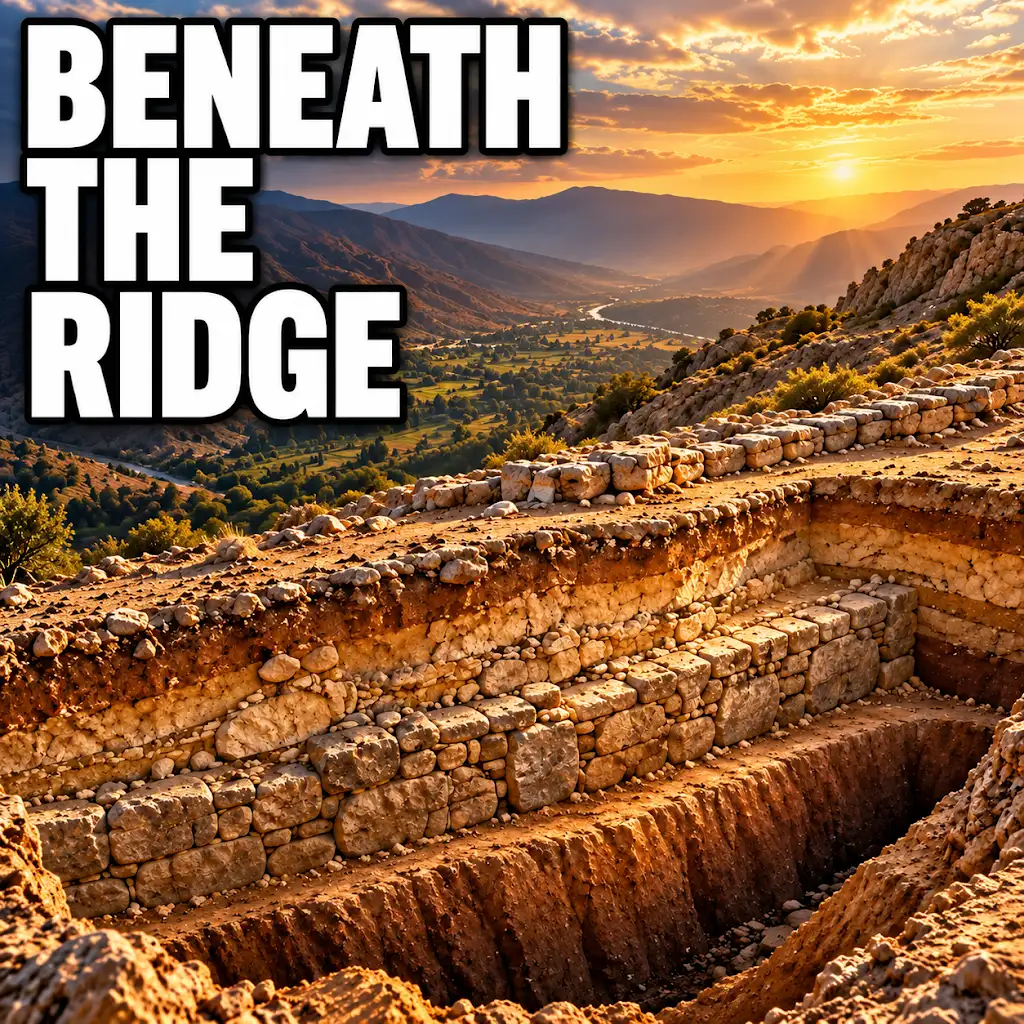
They Found a 4,000-Year-Old Defense Line in Morocco
FAQs
What is ancient ditch radiocarbon dating?
Ancient ditch radiocarbon dating is a method used by archaeologists to determine the age of ditches found at archaeological sites by analyzing the carbon isotopes present in organic material found within or near the ditches.
How does radiocarbon dating work in the context of ancient ditches?
Radiocarbon dating works by measuring the amount of carbon-14 isotopes in organic material. When plants or animals die, they stop taking in new carbon-14, allowing scientists to measure the decay of carbon-14 to determine the age of the material.
What can ancient ditch radiocarbon dating reveal about a site?
Ancient ditch radiocarbon dating can reveal the approximate age of the ditches, providing insights into when they were constructed and used. This information can help archaeologists understand the timeline of human activity at the site.
Are there any limitations to using radiocarbon dating on ancient ditches?
One limitation of radiocarbon dating is that it can only provide approximate dates, as the method has a margin of error. Additionally, the accuracy of the dating can be affected by factors such as contamination of the samples or the presence of old carbon in the environment.
Why is radiocarbon dating an important tool for archaeologists studying ancient ditches?
Radiocarbon dating is an important tool for archaeologists studying ancient ditches because it allows them to establish a chronological framework for the site. By determining the age of the ditches, archaeologists can better understand the activities and behaviors of past societies that created and used them.