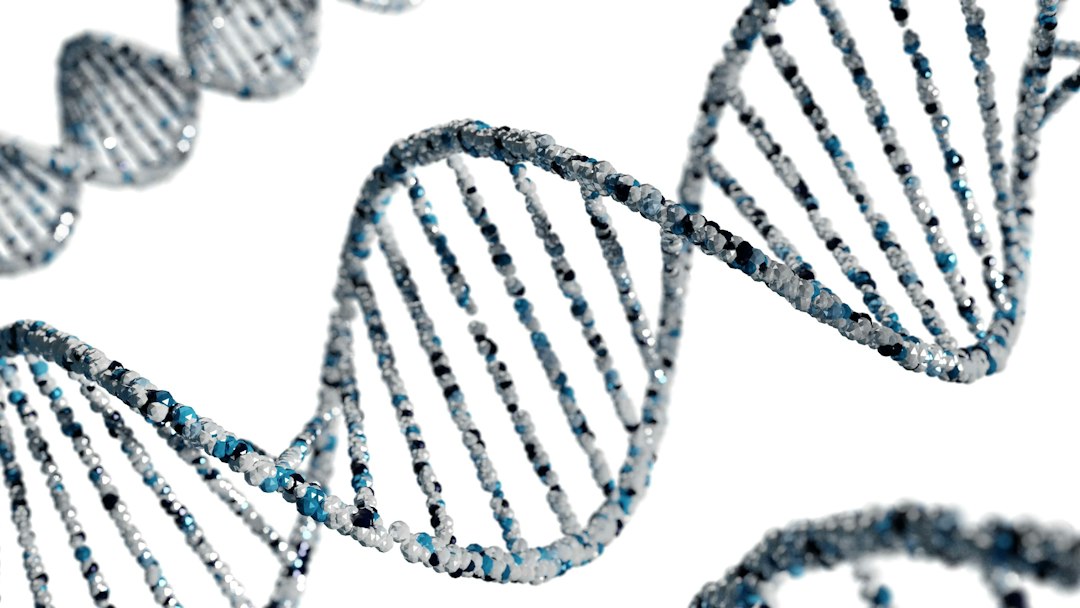
The Unraveling Threads of Humanity
The quest to understand our origins, the intricate tapestry of human migration, has long been a cornerstone of archaeology and anthropology. For centuries, scholars relied on the interpretation of fossil remains, the analysis of material culture, and the examination of linguistic patterns to reconstruct the journeys of our ancestors. While these methods have yielded invaluable insights, they often paint a broad-stroke picture, leaving many questions about the precise routes, timings, and population dynamics of early human dispersal unanswered. The advent of ancient DNA analysis has revolutionized this field, transforming the study of human migration from a discipline of inference to one of direct observation. Among the most compelling sources of this revolutionary data are hair samples, seemingly humble yet astonishingly rich reservoirs of genetic information, offering a direct window into the past. These microscopic filaments, often overlooked or discarded, are now revealing secrets about early human migration that were previously locked away, allowing scientists to trace genetic lineages, understand population movements, and even glimpse the dietary habits and health of ancient peoples.
The ability to extract and analyze ancient DNA (aDNA) from preserved biological material has been a game-changer. The advent of more sensitive techniques and sophisticated computational tools has allowed researchers to overcome the challenges associated with degraded DNA, often fragmented and contaminated after millennia. Hair, in particular, has proven to be an exceptionally valuable source for aDNA extraction. Unlike other tissues that may degrade more rapidly, the keratin-rich structure of hair provides a protective environment for DNA, preserving it for longer periods. Furthermore, hair samples can be collected non-invasively, minimizing damage to archaeological sites and often yielding multiple strands from a single individual. This accessibility, coupled with the DNA’s relative resilience, has made hair a prime target for ancient genetic studies, unlocking a wealth of information about the people who once inhabited our planet and the paths they trod.
Unlocking the Genetic Blueprint
The examination of DNA extracted from ancient hair samples allows for the reconstruction of an individual’s complete genome, or at least significant portions of it. This genetic blueprint holds a vast array of information, from the identification of ancestral populations to the subtle clues that hint at an individual’s physical characteristics and even predisposition to certain traits or diseases. By comparing the DNA of ancient individuals to that of modern populations, scientists can identify patterns of genetic relatedness, effectively mapping out familial connections and broader population movements across continents and millennia. This genetic mapping is akin to piecing together a vast, fragmented family tree, allowing researchers to discern ancestral homelands, identify dispersal events, and understand the genetic admixture that has shaped human diversity over time.
Mitochondrial DNA: The Maternal Lineage
One of the most frequently analyzed components of ancient DNA is mitochondrial DNA (mtDNA). This type of DNA is found in the mitochondria, the powerhouses of the cell, and is inherited exclusively from the mother. Because mtDNA is present in multiple copies within each cell and evolves relatively quickly, it is often well-preserved even in ancient samples and can provide a high-resolution view of maternal lineages. By analyzing mtDNA from ancient hair samples, researchers can trace the migratory patterns of female ancestors. This offers a complementary perspective to nuclear DNA analysis, which examines DNA from the cell nucleus and is inherited from both parents. The maternal lineages revealed by mtDNA can illuminate specific migration routes taken by women, their origins, and their contributions to the genetic makeup of subsequent populations. Understanding these maternal contributions is crucial for a comprehensive picture of how humans spread across the globe, as it can reveal distinct patterns of movement and settlement that might be obscured when considering only paternal or biparental inheritance.
Y-Chromosome DNA: The Paternal Lineage
In contrast to mtDNA, Y-chromosome DNA (Y-DNA) is found on the Y chromosome, which is present only in males and is passed down from father to son. Analyzing Y-DNA from ancient hair samples allows scientists to reconstruct paternal lineages, tracing the migratory movements of male ancestors. Similar to mtDNA, Y-DNA evolves at a predictable rate, enabling researchers to estimate the timing of divergences between different lineages and to infer the origins and dispersal of patrilineal groups. The combined analysis of mtDNA and Y-DNA provides a powerful tool for understanding sex-biased migration, where one sex may have migrated in greater numbers or followed different routes than the other. This can reveal fascinating insights into social structures and population dynamics of ancient societies, shedding light on the roles and movements of men and women in the grand narrative of human expansion.
Recent advancements in the study of ancient DNA have shed light on the genetic makeup of prehistoric populations, particularly through the analysis of hair samples. This innovative approach has provided researchers with valuable insights into migration patterns and the health of ancient communities. For a deeper understanding of how modern supply chains can impact historical research, you can read more in the article on the risks associated with Mexico’s supply chain at Understanding the Risks of Mexico’s Supply Chain.
The Footprints Left Behind: Tracing Ancient Migrations

The power of ancient DNA from hair lies in its ability to provide direct genetic evidence of past populations and their movements. By analyzing the genetic signatures preserved in these ancient filaments, researchers can identify the ancestral components of modern populations, pinpointing the origins of specific groups and the timing of their dispersal. This has led to groundbreaking discoveries about the peopling of continents, the interactions between different human groups, and the complex genetic tapestry that underlies contemporary human diversity. The insights gained from these studies are not merely academic; they offer a profound understanding of our shared human heritage and the interconnectedness of all peoples.
Out of Africa and Beyond
The prevailing scientific consensus, strongly supported by aDNA evidence, posits that modern humans originated in Africa and subsequently migrated out to colonize the rest of the world. Ancient DNA from hair samples has been instrumental in refining our understanding of these crucial “Out of Africa” events. Studies have analyzed hair from individuals found in diverse archaeological contexts across Eurasia, revealing the genetic makeup of early Eurasians and their relationship to African populations. These analyses have helped to identify specific waves of migration out of Africa, their approximate timings, and the genetic contributions of these early migrants to later populations. For instance, aDNA studies of ancient hair from the Levant and the Arabian Peninsula have provided critical evidence for the routes taken by these first explorers, showing how they navigated diverse environments and eventually spread into Asia and Europe.
Recent advancements in the study of ancient DNA have shed light on the genetic makeup of our ancestors, particularly through the analysis of hair samples. This fascinating research has provided insights into migration patterns and the health of ancient populations. For those interested in the implications of genetic studies on modern society, a related article discusses the government’s approach to nationalizing retirement, which can be found here. Understanding our past through ancient DNA can inform current policies and societal structures, making the connection between history and modern governance all the more relevant.
The Peopling of the Americas
The colonization of the Americas represents one of humanity’s most remarkable migrations, involving a journey across challenging geographical barriers. Ancient DNA from hair samples has played a pivotal role in unraveling the mysteries surrounding this epic migration. By analyzing genetic material from ancient indigenous American individuals, researchers have been able to confirm a Beringian ancestry, meaning that the first Americans originated from populations that inhabited the Bering Land Bridge region. Furthermore, aDNA studies have helped to identify multiple waves of migration into the Americas, suggesting a more complex settlement history than previously thought. The genetic diversity observed in ancient hair samples from different regions of the Americas also provides clues about the subsequent dispersal and diversification of indigenous populations once they arrived on the continent. This evidence directly challenges earlier theories and offers a more nuanced and accurate portrayal of the initial peopling of this vast landmass.
Intra-Continental Movements and Gene Flow
Beyond the major continental migrations, ancient DNA from hair samples also illuminates the intricate patterns of movement and gene flow that occurred within continents. These studies reveal how populations interacted, interbred, and exchanged genetic material over time, shaping the regional genetic landscapes we see today. For example, analyses of ancient hair from Europe have shown evidence of multiple migratory events and significant gene flow between different groups, including the arrival of farmers from the Near East and the later expansion of Steppe pastoralists. Similarly, studies in Asia have revealed complex interactions between early hunter-gatherer groups and incoming agriculturalists, as well as the movement of people across vast distances, connecting disparate regions through shared genetic heritage. This granular level of detail provided by aDNA analysis allows for a far more sophisticated understanding of human history than was ever possible through more traditional archaeological methods alone.
Dietary Clues and Health Insights

The remarkable preservation of DNA in hair samples extends beyond just the genetic code
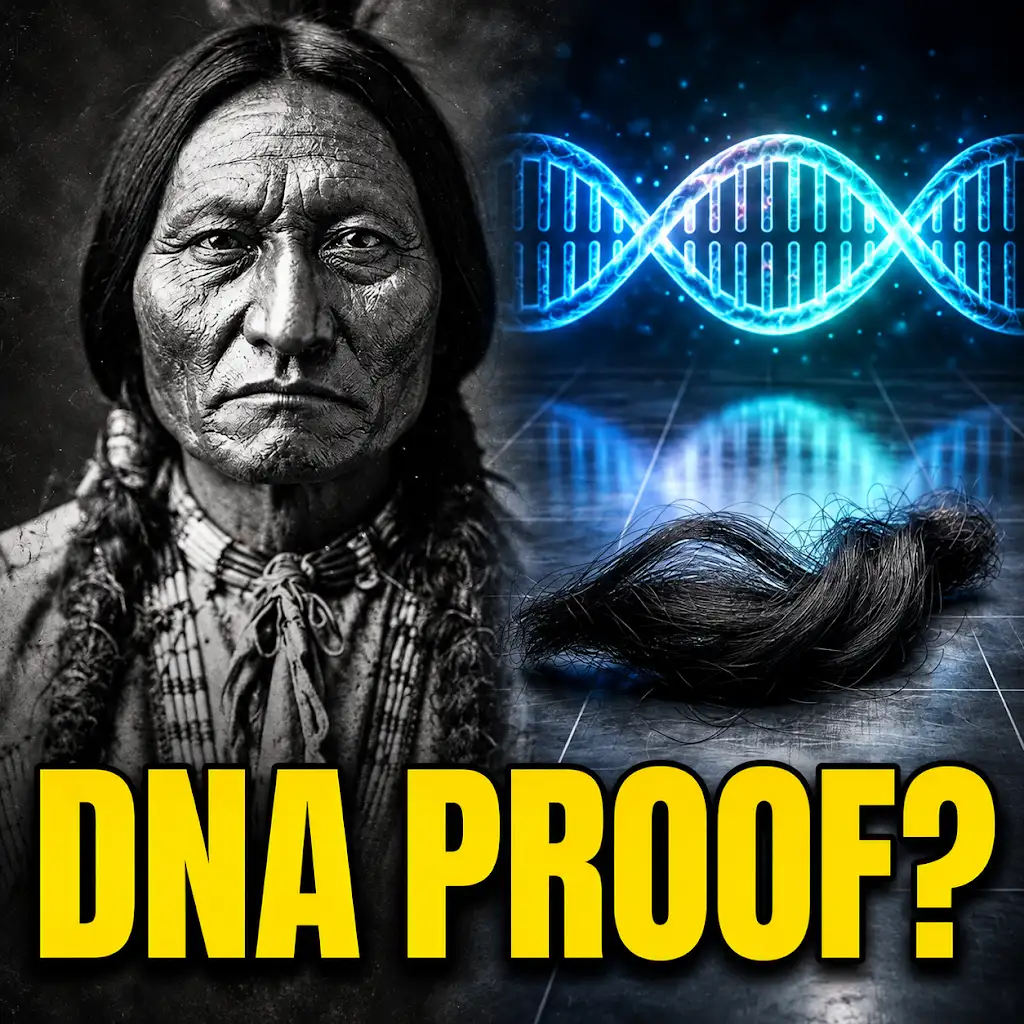
The Sitting Bull DNA Test: What Did It Actually Prove?
FAQs
1. Can ancient DNA be extracted from hair samples?
Yes, ancient DNA can be extracted from hair samples. Hair shafts contain preserved genetic material that can provide valuable insights into the genetic makeup of ancient individuals.
2. How is ancient DNA extracted from hair samples?
Ancient DNA extraction from hair samples involves a series of steps including cleaning the sample, breaking down the hair shaft to release the DNA, and isolating the genetic material for analysis.
3. What information can be obtained from ancient DNA in hair samples?
Ancient DNA from hair samples can provide information about the genetic ancestry, hair color, and even potential diseases or genetic traits of the individual from whom the sample was taken.
4. How accurate is the analysis of ancient DNA from hair samples?
The accuracy of ancient DNA analysis from hair samples depends on various factors such as the preservation of the genetic material, contamination risks, and the techniques used for extraction and sequencing. However, with careful procedures, reliable results can be obtained.
5. What are some of the challenges associated with studying ancient DNA from hair samples?
Challenges in studying ancient DNA from hair samples include contamination from modern DNA, degradation of the genetic material over time, and the need for specialized techniques to amplify and analyze the ancient DNA. Researchers must take precautions to ensure the authenticity of the results.