The whispers of the past, once confined to faded parchment and oral traditions, are now being amplified by a revolutionary scientific tool: ancient DNA testing. This burgeoning field, often referred to as paleogenetics, is not merely a window into bygone eras; it is an active participant in rewriting history, challenging long-held assumptions, and correcting errors embedded in historical records for generations. By extracting and analyzing genetic material from the remains of individuals who lived centuries or even millennia ago, researchers are uncovering truths that traditional historical methodologies could not access, offering a molecular perspective on migration, kinship, disease, and identity.
The Unseen Migrations: Challenging Established Population Movements
The movement of peoples across continents is a fundamental theme in human history, shaping cultures, languages, and genetic landscapes. For decades, these migrations were pieced together through archaeological evidence, linguistic analysis, and written accounts – often fragmented and biased. Ancient DNA testing, however, has provided a powerful new lens, revealing the scale, direction, and timing of these migrations with unprecedented precision.
Revisiting the Peopling of the Americas
One of the most significant areas where ancient DNA has rewritten history is in understanding the initial peopling of the Americas. For many years, the prevailing scientific consensus pointed to a single, major migration event across the Bering Land Bridge during the last glacial period. However, ancient genomic data has complicated this picture. Studies of early Native American remains have revealed multiple, distinct ancestral lineages, suggesting a more nuanced and possibly multi-wave migration scenario. Furthermore, genetic markers have indicated connections to populations in Siberia and Northeast Asia that were previously unconfirmed by other evidence. These findings challenge the idea of a singular, monolithic arrival and instead point towards a complex tapestry of movements and genetic admixtures. For instance, analyses of skeletal remains from South America have uncovered genetic signatures that suggest an ancient connection to Arctic populations, an unexpected finding that demands a re-evaluation of dispersal routes and timings. The genetic data also sheds light on the genetic diversity within these early populations, indicating that they were not a homogenous group but rather comprised distinct communities with their own unique genetic heritage. This level of detail was simply unattainable through traditional archaeological methods alone, which often focused on material culture that could be regionally variable and not necessarily indicative of population-level genetic continuity or divergence. The genetic evidence has also been crucial in understanding the genetic diversity of indigenous populations in the Americas today, tracing the continuity and divergence of lineages from ancient times to the present.
Unraveling European Ancestry and its Layers
Similarly, the genetic history of Europe has been a subject of intense scrutiny and revision due to ancient DNA. The traditional narrative of European ancestry often emphasized the influence of Indo-European migrations from the Pontic-Caspian steppe. While this remains a crucial component, paleogenetic studies have unveiled a much richer and more intricate story. Evidence from Neolithic farmers migrating from Anatolia, the subsequent arrival of Yamnaya pastoralists, and the impact of Bronze Age expansions have been illuminated by genetic data. Ancient DNA has allowed scientists to quantify the relative contributions of these different ancestral components to modern European populations, demonstrating that European ancestry is a mosaic formed by multiple, distinct waves of migration over tens of thousands of years. For example, studies on individuals from the Linearbandkeramik culture have confirmed their Anatolian Neolithic origins, providing direct genetic evidence for the spread of farming across Europe. Later, the impact of the Yamnaya culture, often associated with the spread of Indo-European languages, has been clearly delineated through genetic analysis of their remains, showing a significant influx of steppe ancestry into many European populations. This has led to a more sophisticated understanding of how different genetic ancestries interacted and blended, sometimes peacefully, sometimes through conquest and assimilation, shaping the genetic landscape of the continent. The genetic data also reveals regional variations in these ancestral contributions, underscoring the fact that “European” ancestry is not a uniform entity but rather a complex regional interplay of ancient populations.
Ancient DNA testing has revolutionized our understanding of historical narratives, often correcting long-held misconceptions about human migration and ancestry. For instance, recent studies have revealed that the genetic makeup of certain ancient populations is significantly different from what was previously believed, leading to a reevaluation of historical timelines and cultural interactions. This fascinating intersection of genetics and history is further explored in a related article that discusses advancements in technology and their implications for understanding our past. You can read more about it here: Advancing Cislunar Space Domain Awareness Technology.
Unmasking Kinship and Social Structures: Beyond the Written Word
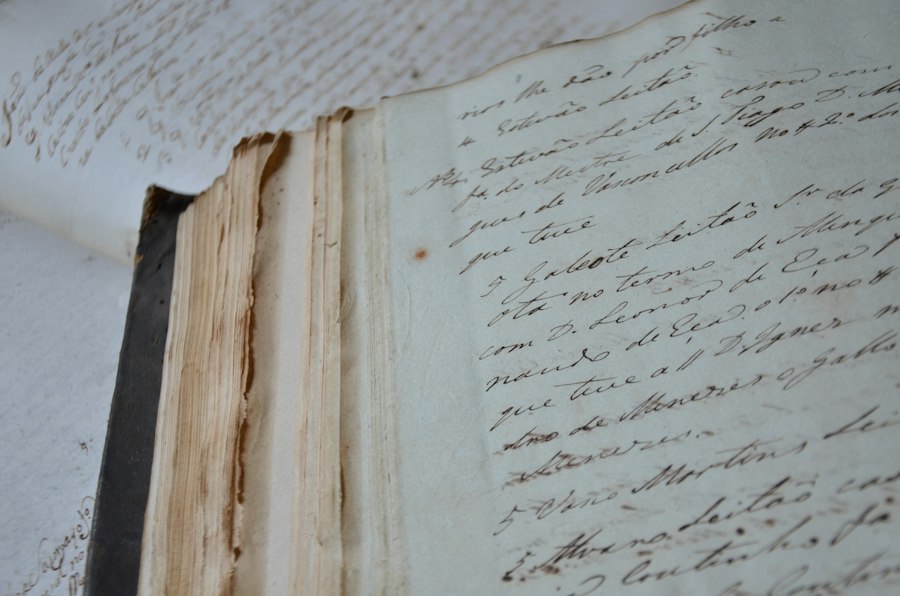
Historical records, such as genealogical charts and legal documents, have long been the primary source for understanding family relationships and social hierarchies. However, these records are often incomplete, biased towards the elite, or lost to time. Ancient DNA analysis offers a powerful, objective method for reconstructing kinship, revealing hidden relationships, and even challenging documented lineage claims.
Correcting Genealogical Records and Royal Lineages
Instances where ancient DNA has directly corrected historical genealogical records are increasingly common. By comparing the DNA of ancient individuals with that of their presumed descendants, or with other ancient individuals from the same lineage, scientists can verify or refute documented relationships. This is particularly impactful when examining royal lineages, where legitimacy and succession were often paramount. For example, studies of the remains of ancient monarchs have sometimes revealed unexpected paternal or maternal links, or the absence of a supposed relationship altogether. In one notable case, genetic analysis of the remains of Richard III of England provided compelling evidence that definitively identified him and helped to confirm his parentage, settling centuries of debate and speculation about his identity and burial place. Similarly, investigations into the remains of historical figures in other cultures have unearthed surprises, such as the revelation that certain individuals believed to be closely related were genetically distant, or vice versa. These findings have profound implications for understanding dynastic history, political power, and the very narratives that societies construct about their origins and leadership. The ability to bypass potentially biased or inaccurate written accounts and rely on objective genetic markers provides a powerful tool for historical verification.
Revealing the Lives of the Ordinary and the Marginalized
Beyond the elites, ancient DNA is also shedding light on the kinship structures and social organization of ordinary people and marginalized groups whose lives are rarely captured in historical texts. By analyzing multiple individuals from the same archaeological site, researchers can reconstruct family units, identify social structures like extended families or communal living arrangements, and understand patterns of inheritance and lineage. This offers a glimpse into the daily lives and social realities of people who did not leave behind written records. For instance, studies of ancient burial sites have revealed the presence of multiple generations buried together, suggesting strong familial bonds. In other cases, the genetic analysis of individuals buried separately or with different grave goods might indicate social stratification or different roles within a community. This has been particularly valuable in understanding the lives of women, children, and non-elite members of society, whose contributions and relationships are often underrepresented in historical narratives. The genetic data can reveal, for example, whether women married into their husbands’ communities or if entire families moved together, providing crucial insights into social mobility and community cohesion.
Illuminating Ancient Diseases and Health: A Molecular Epidemiology

The study of past diseases has traditionally relied on skeletal evidence of lesions or paleopathological interpretations of historical texts describing outbreaks. Ancient DNA has revolutionized this field by allowing for the direct detection and analysis of pathogens and host immune responses in ancient individuals. This offers a direct molecular record of disease prevalence, evolution, and impact on past populations.
Tracing the Footprints of Epidemics
The ability to detect ancient pathogens in skeletal remains has allowed researchers to identify the presence of diseases that were previously unknown or poorly understood in ancient times. This has led to a re-evaluation of the historical impact of various epidemics. For example, ancient DNA has provided definitive proof of the presence of Yersinia pestis, the bacterium responsible for the Black Death, in plague victims from various historical periods and geographical locations, including early outbreaks predating the medieval Black Death. This has helped to map the spread and evolution of this devastating pathogen. Similarly, evidence for the ancient presence of pathogens like Treponema pallidum (syphilis) and various viral agents has been found, offering new insights into the history of these diseases and their impact on human populations. This molecular evidence can also help to distinguish between different strains of pathogens, revealing evolutionary pathways and potential changes in virulence over time. The genetic data can also help to identify co-infections, revealing how multiple diseases may have impacted individuals and communities simultaneously.
Understanding Host-Pathogen Interactions and Immunity
Beyond simply identifying pathogens, ancient DNA can also reveal information about the host’s immune response. By analyzing genetic markers related to the immune system in ancient individuals who were infected with specific pathogens, researchers can gain insights into how past populations coped with disease. This can involve identifying genetic adaptations that provided resistance or susceptibility to certain infections. For instance, studies have explored the genetic variations in immune genes within ancient populations exposed to pathogens like tuberculosis or malaria, offering clues about the evolutionary pressures exerted by these diseases. This research can also help to understand the long-term effects of disease on human evolution, identifying genes that may have been positively selected for due to their role in disease resistance. Furthermore, by comparing the genetic makeup of individuals who succumbed to a disease with those who seemingly survived, researchers can begin to unravel the complex interplay between genetics, environment, and disease outcome. This information can also be invaluable in understanding the history of antibiotic resistance and the evolution of virulence in pathogens, providing a historical perspective on contemporary public health challenges.
Reconstructing Identity and Belief Systems: More Than Just Bones
Identity, in its multifaceted nature, encompasses ethnicity, social status, and even religious affiliation. Historical records often provide glimpses into these aspects, but they are prone to interpretation and can be biased. Ancient DNA offers a complementary, often more objective, approach to understanding how individuals saw themselves and how they were perceived by their societies.
Unpacking Ethnic Identity and Belonging
The concept of ethnicity is fluid and often intertwined with language, culture, and shared history. Ancient DNA can provide a genetic baseline for understanding population groups and their relationships, offering insights into how individuals might have identified with a particular group. While genetic ancestry does not equate to modern ethnic categories, it can reveal ancient population affiliations that correlate with later cultural or linguistic groups. For example, studies of ancient populations in regions with complex ethnic histories have used genetic data to delineate distinct ancestral groups and their interactions, helping to understand the genetic underpinnings of perceived ethnic differences. This can also help to disentangle historical narratives of conquest and assimilation from actual genetic mixing. In some cases, ancient DNA has revealed that individuals with seemingly distinct material cultures shared a common genetic ancestry, or conversely, that individuals within a seemingly homogenous group had diverse genetic origins. This challenges simplistic notions of ethnicity and highlights the complex interplay of genetic inheritance, cultural adoption, and social construction of identity.
Shedding Light on Ritual Practices and Beliefs
While not a direct window into belief systems, the analysis of ancient DNA can indirectly inform our understanding of ritual practices and beliefs, particularly in relation to burial customs. The genetic relatedness of individuals buried together, or the presence of specific genetic markers in individuals associated with particular burial sites, can offer clues about social organization, kinship roles in rituals, and potentially even beliefs about the afterlife. For instance, the discovery of non-related individuals buried together in specific arrangements might suggest communal rituals or beliefs about collective identities. Conversely, the consistent burial of related individuals together could indicate a focus on lineage and ancestral veneration. Furthermore, in cases where specific genetic traits are found to be more prevalent within individuals associated with particular ceremonial sites or burial practices, it can offer tentative links between genetic predisposition and cultural practices, suggesting that certain genetic predispositions might have been incorporated into or influenced certain belief systems or social roles. This is a more speculative area of research, but one that holds the potential to connect genetic patterns with the intangible aspects of ancient human experience.
Recent advancements in ancient DNA testing have shed light on historical inaccuracies, revealing new insights into our past. For instance, a fascinating article discusses how genetic analysis has corrected long-held beliefs about the migration patterns of early humans. This research not only enhances our understanding of human history but also highlights the importance of integrating modern science with historical narratives. To explore more about the implications of financial systems in our society, you can read this insightful piece on financial bank bail-ins.
The Future of Historical Verification: A Collaborative Endeavor
| Aspect | Historical Error | Correction by Ancient DNA Testing | Example | Impact |
|---|---|---|---|---|
| Population Origins | Misattribution of population origins based on artifacts | Genetic markers reveal true ancestral lineages and migration patterns | Revealing the migration of early Native Americans from Siberia | Refined understanding of human migration and settlement timelines |
| Species Identification | Confusion between closely related extinct species | DNA sequencing distinguishes species and subspecies accurately | Clarifying Neanderthal and Denisovan genetic differences | Improved classification of hominin species and evolutionary relationships |
| Historical Disease Origins | Incorrect assumptions about the origin and spread of ancient diseases | Detection of pathogen DNA in ancient remains pinpoints disease origins | Tracing the origins of the plague bacterium Yersinia pestis | Better understanding of historical pandemics and their impact |
| Gene Flow and Interbreeding | Underestimation of interbreeding between ancient populations | Identification of genetic admixture events between species | Evidence of Neanderthal DNA in modern humans | Revised models of human evolution and genetic diversity |
| Cultural Attribution | Attributing artifacts to incorrect cultural groups | DNA from burial sites links artifacts to specific populations | Assigning ancient pottery to specific prehistoric tribes | More accurate cultural and archaeological interpretations |
The integration of ancient DNA testing into historical research is not about replacing traditional methods but about augmenting and enriching them. It represents a powerful new tool in the historian’s arsenal, capable of providing objective data that can confirm, refine, or even overturn established historical narratives.
Interdisciplinary Collaboration as the Norm
The most impactful discoveries in paleogenetics arise from close collaboration between geneticists, archaeologists, historians, anthropologists, and other specialists. Archaeologists provide the crucial context for ancient DNA samples, ensuring proper excavation and preservation. Historians interpret the genetic findings within the broader framework of written records and societal structures. Anthropologists contribute insights into human behavior and social organization. This interdisciplinary approach ensures that genetic data is not analyzed in a vacuum but is integrated into a holistic understanding of the past. Future research will likely see even tighter integration, with research questions being formulated jointly from the outset, leading to more targeted sampling and analysis. The goal is to move beyond isolated discoveries to a more comprehensive and nuanced reconstruction of human history.
Ethical Considerations and Future Directions
As the power of ancient DNA testing grows, so too do the ethical considerations surrounding its use. Issues of consent, the potential for misinterpretation, and the respectful handling of ancestral remains are paramount. Researchers are increasingly engaging with descendant communities to ensure that the study of their ancestors’ DNA is conducted with respect and that the findings are shared appropriately. The future of ancient DNA testing in historical research promises further revelations, from understanding the origins of complex diseases and the evolution of human intelligence to resolving long-standing historical mysteries. As technology advances and sampling techniques become more refined, paleogenetics will continue to be an indispensable tool for unearthing the hidden truths of our past and correcting the errors that have accumulated over centuries of historical inquiry. The ongoing dialogue between ancient DNA science and historical scholarship will undoubtedly continue to reshape our understanding of who we are and where we come from.
The Viking “Bison” Myth That Was Just Debunked
FAQs
What is ancient DNA testing?
Ancient DNA testing is a scientific technique used to analyze and extract genetic material from ancient remains such as bones, teeth, and artifacts. This DNA can provide valuable information about the genetic makeup of individuals who lived in the past.
How does ancient DNA testing help correct historical errors?
Ancient DNA testing can help correct historical errors by providing accurate information about the genetic ancestry of individuals from the past. By comparing the DNA of ancient individuals to modern populations, researchers can uncover new insights into migration patterns, population movements, and relationships between different groups.
What are some examples of historical errors that have been corrected through ancient DNA testing?
Ancient DNA testing has helped correct misconceptions about the origins and movements of ancient populations. For example, DNA analysis has revealed that the first settlers of the Americas came from Siberia, not Europe as previously believed. Additionally, genetic testing has shown that the ancient Egyptians had genetic ties to populations in the Near East and Europe.
What are the limitations of ancient DNA testing in correcting historical errors?
One limitation of ancient DNA testing is the degradation of genetic material over time, which can make it difficult to extract and analyze DNA from ancient remains. Additionally, contamination from modern DNA sources can affect the accuracy of test results. Researchers must use rigorous methods to ensure the reliability of their findings.
How does ancient DNA testing contribute to our understanding of human history?
Ancient DNA testing provides valuable insights into the genetic diversity and relationships of ancient populations, helping to fill gaps in our understanding of human history. By studying the genetic makeup of individuals from the past, researchers can reconstruct ancient migration patterns, population interactions, and the evolution of human populations over time.