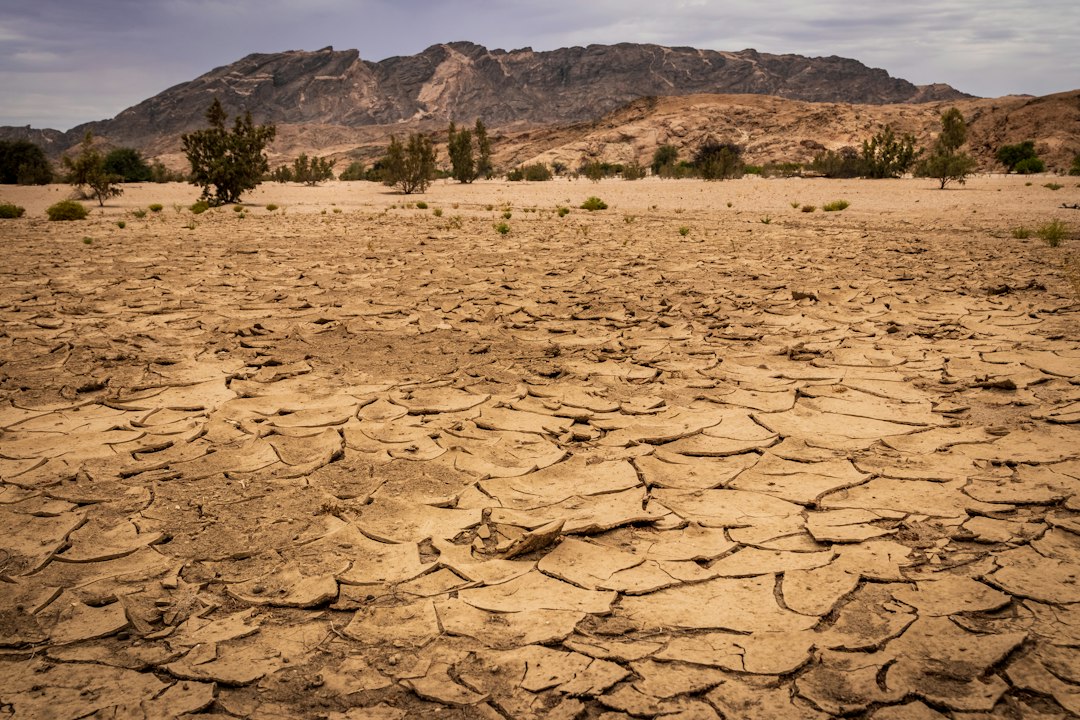
The echoes of parched lands and the dust of forgotten civilizations whisper a timeless warning. History, often a silent witness, reveals a recurring pattern: ancient empires, once mighty and expansive, have crumbled under the relentless pressure of prolonged drought. These dry downturns, etched into the archaeological record and the annals of human endeavor, offer profound lessons for contemporary societies grappling with climate change and the ever-present specter of water scarcity. Examining these historical collapses is not merely an academic exercise; it is a critical endeavor to understand the fragility of civilization and to forge pathways towards greater resilience in the face of environmental adversity.
The Thirst That Broke Empires
The story of civilization is inextricably linked to water. From the life-giving rivers that nurtured early settlements to the intricate irrigation systems that sustained burgeoning populations, water has always been the lifeblood of empires. Yet, as history vividly demonstrates, this dependency also represents a profound vulnerability. When the heavens failed to deliver, when rivers dwindled to trickles, and when the earth cracked with thirst, the foundations of even the most formidable empires began to erode. The collapse was rarely a sudden, cataclysmic event, but rather a slow, agonizing decline, exacerbated by environmental stress and societal inflexity.
The Cradle of Civilization and its Parched Predicaments
The earliest great civilizations, flourishing in arid and semi-arid regions, were inherently susceptible to hydrological fluctuations. Mesopotamia, often lauded as the “cradle of civilization,” relied on the Tigris and Euphrates rivers for its agricultural bounty. The sophisticated canal systems developed by the Sumerians, Akkadians, and Babylonians were testaments to human ingenuity in harnessing water. However, these societies also faced periodic droughts that could devastate their food production, leading to famine, social unrest, and the eventual fragmentation of their political power. The salinization of the soil, often a consequence of intensive irrigation in dry climates and poor drainage, further exacerbated these problems, rendering once fertile lands barren. Evidence suggests that significant climate shifts, characterized by reduced rainfall and increased aridity, played a crucial role in the decline of these early Mesopotamian states, weakening them to the point where they could be overwhelmed by external pressures.
The Maya: A Civilization Drowned by Dust
Perhaps one of the most stark and widely studied examples of drought-induced collapse is that of the Classic Maya civilization in Mesoamerica. Flourishing for centuries in the tropical rainforests of what is now southern Mexico, Guatemala, Belize, and Honduras, the Maya developed a complex society with advanced astronomy, mathematics, and art. Their ability to sustain large urban centers and a dense population was dependent on sophisticated water management systems, including reservoirs, chultunes (underground cisterns), and agricultural terraces designed to capture and store rainfall. However, paleoclimatic research, analyzing lake sediment cores and speleothems (stalactites and stalagmites), has revealed a series of severe and prolonged droughts that struck the Maya heartland between the 8th and 10th centuries CE. These droughts, lasting for decades, would have severely impacted agricultural yields, leading to food shortages and widespread famine. The Maya elite, whose power was often legitimized by their ability to ensure prosperity through appeasing the gods of rain, would have faced a crisis of faith and authority. The abandonment of their magnificent cities, the disintegration of their political structures, and the demographic collapse that followed are stark reminders of how a civilization’s intricate relationship with water can become its Achilles’ heel.
The Indus Valley Civilization: A Silent Disappearance
The Indus Valley Civilization, also known as the Harappan Civilization, was one of the world’s earliest urban cultures, flourishing in the fertile plains of the Indus River in what is now Pakistan and northwest India. Known for its remarkably sophisticated urban planning, standardized weights and measures, and advanced sanitation systems, this civilization appears to have mysteriously declined around 1900 BCE. While various theories have been proposed, including invasion and disease, growing evidence points towards significant environmental changes, particularly shifts in monsoon patterns and a drying climate, as a major contributing factor. The precise nature of these climatic shifts is still debated, but it is theorized that a weakening of the monsoon, coupled with potential seismic activity altering river courses, could have led to reduced water availability for agriculture and made the region unsustainable for such a large and complex society. The subsequent dispersal of populations and the eventual decline into smaller, more localized settlements suggest a profound societal disruption driven by environmental stress.
The study of ancient empires often reveals how environmental factors, such as drought, played a critical role in their collapse. A fascinating article that delves into the mysteries of ancient maps and their implications for understanding historical events is available at this link: The Antarctic Conspiracy: Uncovering the Mystery of the Piri Reis Map. This piece explores how ancient cartography can provide insights into the climatic conditions that may have influenced the rise and fall of civilizations, further illuminating the complex relationship between environment and empire.
The Mechanics of Collapse: How Drought Unravels Societies
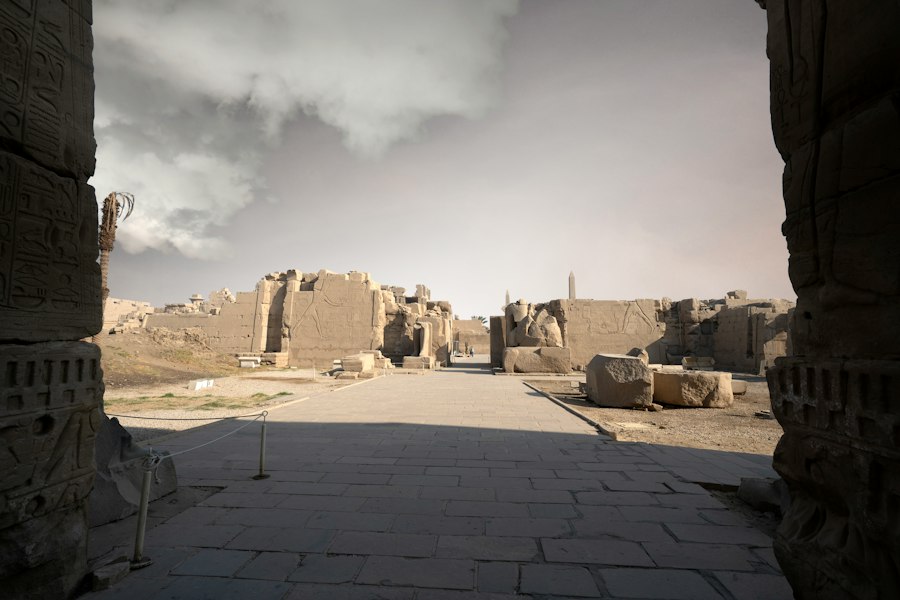
Drought, in its most extreme and prolonged forms, acts as a potent catalyst for societal breakdown. It rarely operates in isolation, but rather interacts with existing social, political, and economic vulnerabilities, amplifying them to a breaking point. Understanding these intricate mechanisms is crucial for comprehending why seemingly robust empires could succumb to the parching of the land.
Resource Depletion and Economic Strain
The most immediate consequence of drought is the depletion of essential resources, primarily water and food. Agricultural systems, the backbone of most ancient economies, become unproductive. Crop failures lead to widespread famine, impacting all levels of society but disproportionately affecting the poor and vulnerable. This scarcity creates immense economic strain. Food prices skyrocket, leading to inflation and the erosion of purchasing power. Trade networks, often reliant on predictable agricultural surpluses, falter. For empires that had expanded their territories and populations based on the assumption of continued resource abundance, this sudden scarcity can lead to a fiscal crisis. The state’s ability to collect taxes diminishes, its capacity to fund public works and its military weakens, and its authority is challenged. The economic disruption caused by drought can thus be a direct precursor to political instability.
Social Unrest and Political Instability
As resources dwindle and famine spreads, social tensions inevitably rise. Competition for scarce water and food can lead to internal conflicts, banditry, and even open rebellion. The authority of rulers, often perceived as intermediaries between the people and divine forces responsible for prosperity, is severely tested. When the gods fail to deliver rain, or when the state proves incapable of alleviating suffering, faith in leadership erodes. This can manifest in popular uprisings, challenges to royal succession, and the rise of localized power bases that seek to control dwindling resources for their own benefit. The fragmentation of centralized authority, a common feature of post-collapse periods, is often a direct consequence of drought-induced social unrest and the inability of the ruling elite to maintain order and provide for their subjects.
Migration and Demographic Shifts
Faced with the impossibility of survival in their parched homelands, populations are often forced to migrate in search of more hospitable environments. These large-scale movements of people can have profound consequences for both the departing and the receiving regions. The exodus of a population can lead to the abandonment of established infrastructure and cultural heritage, effectively erasing a civilization’s footprint. For the regions into which migrants move, the influx of new populations can strain existing resources, leading to conflict with established communities and further instability. The archaeological record often reveals evidence of such migrations through the sudden appearance of new settlement patterns or the disappearance of previously thriving communities. These demographic shifts underscore the fundamental human imperative for survival and the transformative power of environmental pressures.
Resilience and Adaptation: Lessons from Past Survivors
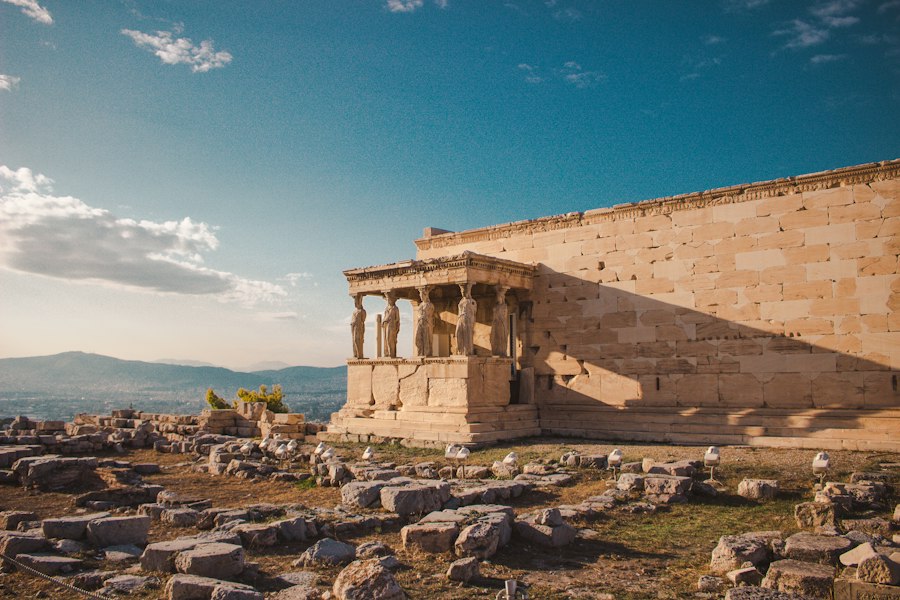
While many ancient empires succumbed to drought, not all were entirely vanquished. Some societies demonstrated remarkable resilience and adaptability, managing to weather periods of aridity and continue their cultural trajectory, albeit often in altered forms. Their strategies offer invaluable insights into how societies can navigate periods of environmental stress.
Innovations in Water Management and Conservation
Societies that successfully endured droughts often developed sophisticated strategies for water management and conservation. These ranged from the construction of elaborate systems of dams, reservoirs, and aqueducts in arid regions like the Roman Empire or the Nabataean Kingdom of Petra, to highly efficient agricultural techniques in drier climates. The ancient Persians, for example, developed the qanat system, underground tunnels that tapped into groundwater sources and conveyed water over long distances with minimal evaporation. The Inca Empire in the Andes, despite its mountainous terrain, employed intricate terracing and irrigation systems to maximize water capture and utilization in high-altitude environments. These examples highlight a proactive approach to water scarcity, emphasizing engineering prowess and a deep understanding of local hydrology.
Societal Flexibility and Decentralization
In some cases, the ability to adapt to drought involved a degree of societal flexibility and a willingness to decentralize power. Empires that were too rigidly centralized and inflexible in their responses to environmental crises were often the most vulnerable. Conversely, societies that allowed for greater local autonomy, enabling communities to respond to their specific needs and environmental conditions, sometimes proved more resilient. The eventual decline of some large empires did not necessarily signify the end of their cultural traditions, but rather a transformation into smaller, more decentralized political entities that could better cope with reduced resource availability. This suggests that a certain degree of decentralization can foster adaptability in the face of unpredictable environmental challenges.
The Role of Cultural Memory and Traditional Knowledge
The transmission of knowledge across generations played a vital role in the survival strategies of many ancient peoples. Traditional ecological knowledge, passed down through oral traditions and cultural practices, provided invaluable understanding of seasonal variations, weather patterns, and sustainable resource management. Societies that effectively integrated this traditional knowledge with their evolving agricultural and technological practices were often better equipped to anticipate and respond to drought. The ability to “remember” past periods of scarcity and the lessons learned from them could guide decision-making and foster a sense of collective responsibility for resource stewardship. This underscores the enduring importance of cultural memory and the wisdom embedded within ancestral practices.
Modern Parallels: Echoes of the Past in the Present
The lessons learned from ancient drought collapses resonate with profound relevance for contemporary societies. The challenges of climate change, coupled with burgeoning global populations and increasing demands on finite water resources, present a stark mirror to the historical vulnerabilities of past civilizations. Understanding the past is not merely an intellectual exercise; it is a vital imperative for charting a sustainable future.
The Global Water Crisis: A 21st Century Drought
Today, the world faces a multifaceted water crisis driven by a confluence of factors. Climate change is exacerbating the frequency and intensity of droughts in many regions, while also leading to unpredictable rainfall patterns and the melting of glaciers, which are critical sources of freshwater. Population growth and increasing agricultural and industrial demands are placing unprecedented strain on available water resources. Pollution further contaminates precious freshwater supplies, rendering them unusable. The parallels with historical scenarios are undeniable: dependence on fragile water sources, the potential for resource scarcity to fuel conflict, and the risk of societal instability if these challenges are not adequately addressed. The potential for large-scale migrations due to water scarcity is a growing concern, with implications for global security and human well-being.
The Fragility of Modern Infrastructure and Societal Systems
While modern technology offers solutions that ancient civilizations could only dream of, it also creates new vulnerabilities. Highly interconnected global supply chains, complex energy grids, and dense urban populations are all susceptible to disruption from water-related disasters. A severe drought in a major agricultural region, for instance, can have ripple effects that destabilize global food markets. The failure of critical water infrastructure, such as dams or irrigation systems, due to extreme weather events, can have catastrophic consequences. Furthermore, the growing reliance on intensive agricultural practices, which often require significant water inputs, makes modern food systems vulnerable to prolonged dry spells. The complexity and interconnectedness of modern society can amplify the impact of environmental shocks.
The Imperative for Proactive Planning and Sustainable Practices
The historical record provides a clear and urgent call to action. Proactive planning, investment in resilient infrastructure, and the adoption of sustainable water management practices are no longer optional but essential for ensuring societal stability and human well-being in the face of growing environmental challenges. This includes diversifying water sources, promoting water conservation across all sectors, investing in water-efficient technologies, and developing robust drought preparedness and response plans. International cooperation and equitable resource management are also crucial, as water scarcity and its consequences transcend national borders. The lessons from ancient dry downturns serve as a stark reminder that the foundations of civilization can be eroded by thirst, urging us to act with foresight and responsibility.
The study of ancient empires often reveals the profound impact of environmental factors on their rise and fall, particularly in relation to droughts that led to societal collapse. A fascinating exploration of how modern economies adapt to changing conditions can be found in a related article that discusses Mexico’s electronics manufacturing hubs. You can read more about this topic here, where the resilience of contemporary industries offers insights into how societies can respond to environmental challenges.
Lessons for the Future: Building a Drought-Resilient World
| Ancient Empire | Time Period | Region | Drought Duration | Impact on Society | Estimated Population Decline | Archaeological Evidence |
|---|---|---|---|---|---|---|
| Old Kingdom Egypt | c. 2200 BCE | Nile River Valley | ~100 years | Collapse of central authority, famine, and social unrest | Up to 30% | Reduced Nile flood levels, settlement abandonment |
| Hittite Empire | c. 1200 BCE | Anatolia (modern Turkey) | Decades | Political fragmentation and loss of territory | Unknown, significant decline | Dendrochronology showing dry periods, settlement destruction |
| Classic Maya Civilization | c. 800-1000 CE | Yucatan Peninsula | Several decades | City abandonment, decline in monument construction | Up to 50% | Lake sediment cores, reduced water reservoirs |
| Mesopotamian Akkadian Empire | c. 2200 BCE | Mesopotamia | ~300 years | Collapse of empire, urban decline | Significant but unquantified | Soil salinization, sediment analysis |
| Indus Valley Civilization | c. 1900 BCE | South Asia | Several decades | Urban decline, migration | Unknown | River course changes, drought indicators in sediments |
The study of ancient empire collapses driven by drought offers a powerful framework for understanding and addressing contemporary water challenges. It highlights the inherent vulnerabilities of human societies to environmental fluctuations and underscores the critical importance of foresight, adaptation, and sustainable stewardship. By learning from the failures of the past, humanity can strive to build a more resilient and equitable future.
Embracing a Holistic Approach to Water Management
The historical collapses demonstrate that water scarcity is not solely an environmental issue; it is deeply intertwined with social, economic, and political factors. Therefore, addressing the global water crisis requires a holistic approach that integrates ecological considerations with social equity and economic sustainability. This means moving beyond single-issue solutions and fostering collaborative frameworks that involve governments, communities, scientists, and businesses. Prioritizing water conservation in agriculture, industry, and domestic use, alongside investing in infrastructure that maximizes water efficiency and minimizes waste, is paramount. Furthermore, recognizing and respecting the rights of all communities to access clean and sufficient water must be a cornerstone of any effective strategy.
Fostering Innovation and Technological Advancement with Ecological Awareness
While ancient civilizations relied on ingenious engineering, modern societies possess a far greater capacity for technological innovation. However, this innovation must be guided by a profound ecological awareness. Developing drought-resistant crops through advanced genetic engineering, implementing smart water grids that optimize distribution and detect leaks, and exploring desalination technologies are all promising avenues. Yet, these advancements must be implemented with careful consideration of their environmental impact and their accessibility to all communities. The goal should not be simply to extract more water or to engineer our way out of scarcity, but to develop solutions that promote long-term sustainability and minimize our ecological footprint. This includes fostering a circular economy where water is reused and recycled to the greatest extent possible.
Cultivating Global Cooperation and Responsible Governance
Water scarcity knows no borders. The historical evidence suggests that resource competition and conflict often intensify during periods of drought. Therefore, fostering global cooperation and establishing robust international agreements on water resource management are essential. This involves transparent data sharing, collaborative watershed management, and mechanisms for resolving disputes peacefully. Responsible governance at all levels, from local communities to international bodies, is crucial for ensuring equitable access to water, preventing its pollution, and implementing effective conservation measures. The lessons from empires that faltered under the weight of drought should serve as a constant reminder of our shared vulnerability and the indispensable need for collective action in safeguarding this vital resource for generations to come. The echo of past thirst should guide us towards a future where water abundance is not a forgotten memory, but a sustained reality.
Your 401(k) Withdrawal Can Make More of Your Social Security Taxable
FAQs
What caused the collapse of ancient empires during droughts?
The collapse of ancient empires during droughts was primarily caused by a combination of factors such as food scarcity, resource depletion, social unrest, and political instability resulting from the prolonged dry periods.
Which ancient empires experienced collapse due to drought?
Ancient empires such as the Akkadian Empire, the Mayan civilization, the Khmer Empire, the Hittite Empire, and the Roman Empire are known to have experienced collapse or decline during periods of severe drought.
How did drought impact the agricultural systems of ancient empires?
Droughts severely impacted the agricultural systems of ancient empires by causing crop failures, reduced food production, famine, and ultimately leading to economic hardships and social disruptions within the empire.
Were there any strategies employed by ancient empires to mitigate the effects of drought?
Ancient empires employed various strategies to mitigate the effects of drought, including building irrigation systems, water storage facilities, drought-resistant crop cultivation, trade networks for food imports, and sometimes even relocating their capital cities to more water-rich regions.
How did the collapse of ancient empires during droughts impact future civilizations?
The collapse of ancient empires during droughts served as a lesson for future civilizations, highlighting the importance of sustainable resource management, adaptive agricultural practices, and the need for effective governance during times of environmental stress to prevent similar collapses in the future.